How To Train A Puppy To Use A Pee Pad: Easy Pee Pad Guide
To train a puppy to use a pee pad, create a routine, reward success, and clean accidents without punishment.
Learning how to train a puppy to use a pee pad takes patience, timing, and a clear plan. A young puppy is not being stubborn when accidents happen. Their bladder control is still developing, and they need many gentle reminders. This guide explains the process step by step, including schedules, rewards, common mistakes, and how to move from pee pads to outdoor potty training.

What Is Pee Pad Training?
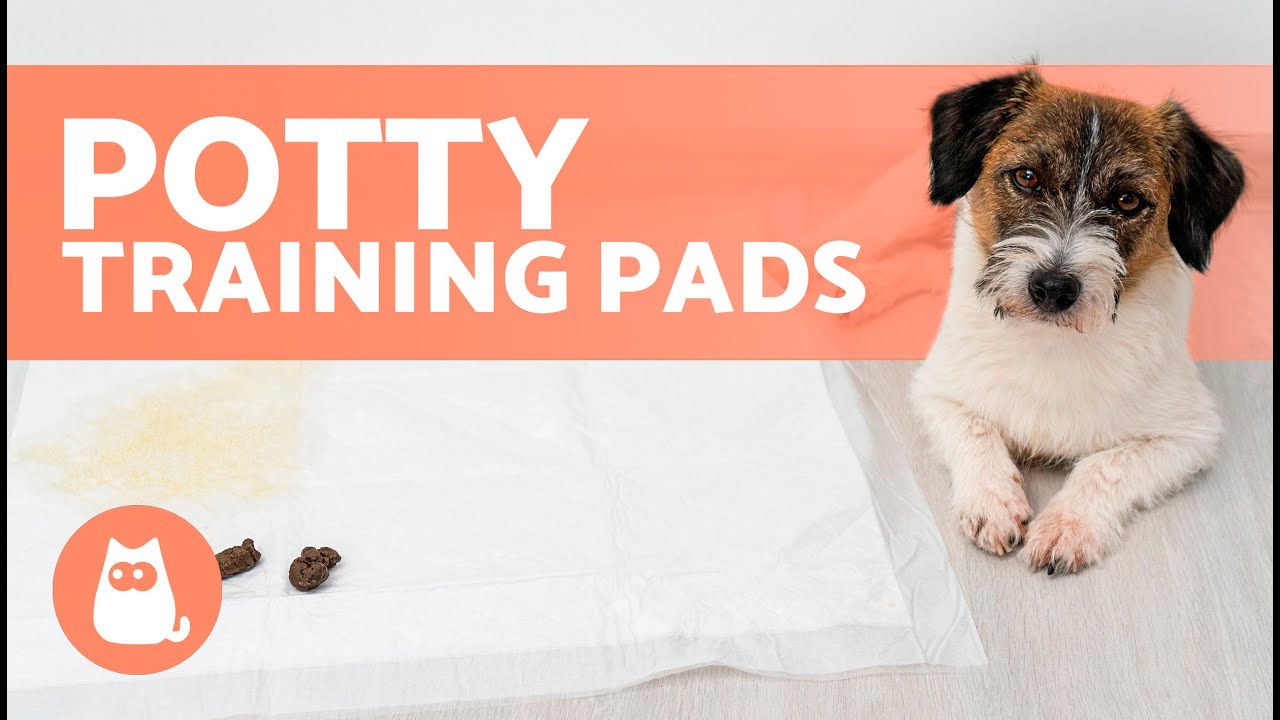
Pee pad training teaches a puppy to urinate and poop in one approved indoor spot. A pee pad may be made from absorbent paper, fabric, or washable material. It can help puppies who live in apartments, homes without yards, or places with unsafe weather.
Pee pads are also useful when a puppy is very young and cannot safely walk outside yet. However, they are not always the best long term choice. Some puppies may later confuse rugs, bath mats, or blankets with their toilet area.
When learning how to train a puppy to use a pee pad, think of the pad as a clear bathroom sign. Your job is to place that sign in one spot and guide your puppy to it again and again.

What You Need Before You Start
Good preparation makes how to train a puppy to use a pee pad much easier. Set up the space before bringing your puppy to the pad. This reduces confusion and helps you react quickly when your puppy needs to go.
Gather these items:
• Several pee pads, since accidents and torn pads are common
• A small supply of soft, pea sized training treats
• An enzymatic cleaner made for pet urine
• A crate or puppy playpen
• Baby gates or a puppy safe room
• Paper towels and waste bags
• A leash if you plan to transition to outdoor potty training
Choose a quiet, easy to clean location. Keep the pad away from food, water, bedding, and loud appliances. A corner of a bathroom, laundry room, or gated kitchen often works well.
Do not place the pad beside a favorite rug. Puppies learn by texture and smell, so nearby fabric can make the lesson harder.

How to Train a Puppy to Use a Pee Pad Step by Step
1. Choose one regular potty area
Place the pee pad in the same location each day. Avoid moving it during the first stage of training. A steady location helps your puppy build a simple connection between that spot and toileting.
If your puppy has already used one area by mistake, clean it well. Then place the pad near that location for a short time. You can slowly move it later if needed.
2. Learn your puppy’s potty signals
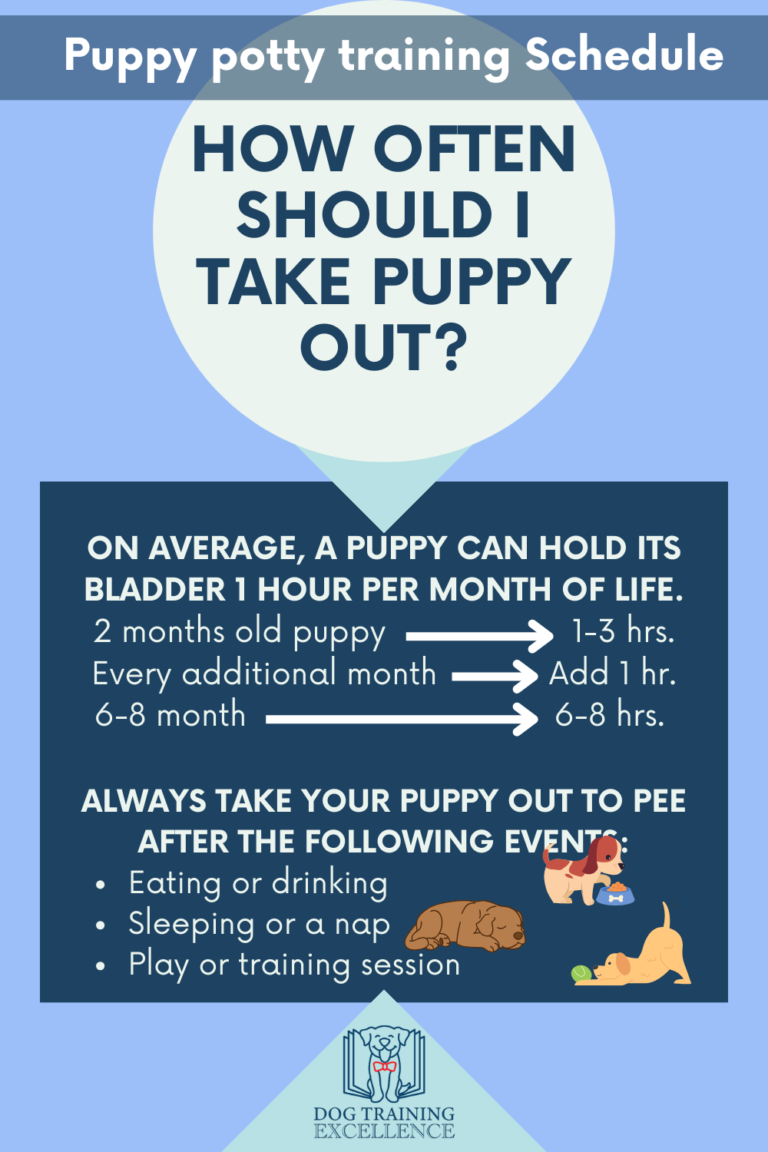
Most puppies need to go after sleeping, eating, drinking, playing, and chewing. They may sniff the floor, walk in circles, pause during play, or move toward a corner.
Watch your puppy closely during awake time. Young puppies often give only a few seconds of warning. Learning these signals is one of the most important parts of how to train a puppy to use a pee pad.
3. Follow a simple schedule
Take your puppy to the pad at regular times. A young puppy may need a bathroom chance every 30 to 60 minutes while awake. The exact need varies by age, size, health, diet, and activity level.
Use this basic routine:
-
Carry or calmly guide your puppy to the pad after waking.
-
Bring your puppy to the pad after meals and drinks.
-
Offer a potty break after active play.
-
Visit the pad before placing your puppy in the crate.
-
Take your puppy to the pad before bedtime.
Wait quietly for several minutes. Avoid turning the visit into a game. If your puppy does not go, return them to a small supervised space and try again in 10 to 15 minutes.
4. Use a gentle verbal cue
When your puppy begins to pee or poop on the pad, say a short phrase such as “go potty.” Use the same words each time. Do not repeat the cue in a loud or frustrated voice.
Over time, the cue can help your puppy understand what you want. Say it during the behavior, not long before your puppy is ready.
5. Reward immediately
Give praise and a small treat as soon as your puppy finishes. The reward should come within a few seconds so your puppy connects it with using the pad.
Use calm, happy praise such as “Good potty!” A reward after you leave the area may be too late. Fast timing is a key lesson in how to train a puppy to use a pee pad.
6. Increase freedom slowly
At first, keep your puppy in a small, safe area with the pad nearby. Too much space can lead to hidden accidents. Once your puppy uses the pad often, expand access one room at a time.
If accidents increase, reduce the space again. This is not failure. It simply means your puppy needs more practice before gaining freedom.
How Long Does Pee Pad Training Take?
Many puppies show progress within a few days, but reliable pee pad use may take several weeks. Some puppies learn quickly, while others need more time because of age, breed, past living conditions, or inconsistent routines.
A puppy may understand the pad but still have accidents. Understanding and physical control are different skills. Bladder control develops with age, so a young puppy cannot always wait as long as an adult dog.
A useful rule is that a puppy may hold urine for about one hour for each month of age, up to a limit. This is only a rough guide. Activity, sleep, water intake, health, and stress can change the timing.
Do not measure success by perfection. Look for fewer accidents, faster responses, and more visits to the pad. Those small wins show that the training plan is working.

Common Pee Pad Training Mistakes
Even caring owners can slow progress without realizing it. Avoid these common errors when learning how to train a puppy to use a pee pad.
Punishing accidents
Never yell, hit, rub your puppy’s nose in urine, or use harsh words. Punishment can make puppies afraid to potty in front of you. It does not teach the correct location.
If you find an accident, clean it without drama. If you catch your puppy in the act, make a soft interruption and guide them to the pad. Praise them if they finish there.
Using too much space too soon
A puppy with access to the whole home may choose a far corner instead of the pad. Start with a controlled area and expand it slowly.
This is one mistake many families make. They see two good days and assume the puppy is fully trained. Then freedom arrives too quickly, and accidents return.
Changing the pad location
Moving the pad from room to room can confuse your puppy. Keep it in one place until use becomes consistent.
If you must move it, shift it a few feet at a time. Guide your puppy to the new location during each scheduled potty visit.
Failing to clean odor
A normal household cleaner may remove the stain but leave urine proteins behind. Your puppy can still smell that spot and may return to it.
Use an enzymatic pet cleaner. Follow the product directions and allow the area to dry. Block access until the smell is gone.
Rewarding too late
A treat given several minutes later may reward walking, playing, or sitting instead of using the pad. Keep treats near the training area so you can respond at once.

How to Handle Accidents
Accidents are part of puppy development. Stay calm and focus on the next correct choice. A single mistake does not erase earlier progress.
Use this response:
-
Interrupt gently if you see the accident begin.
-
Guide your puppy to the pee pad.
-
Praise your puppy if they finish there.
-
Blot the mess instead of rubbing it deeper into the floor.
-
Apply an enzymatic cleaner.
-
Review what happened before the accident.
Ask yourself whether your puppy had just woken up, eaten, played, or stayed unsupervised too long. This review helps you improve the schedule instead of blaming the puppy.
If accidents happen in the same place, block that area for now. You may also need a larger pad area during early training. Once your puppy becomes consistent, reduce the space gradually.

Crate Training and Pee Pad Training
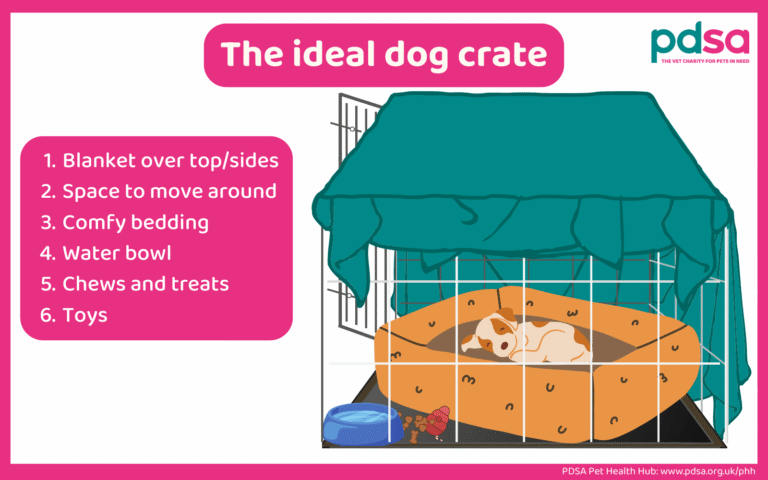
A crate can support potty training when used correctly. Puppies usually avoid soiling their sleeping area, but a crate is not a place for long confinement. It should be large enough for your puppy to stand, turn, and lie down comfortably.
Take your puppy to the pad immediately after opening the crate. Do not expect a young puppy to stay inside for many hours. Long confinement can cause accidents, stress, and discomfort.
A playpen may work better than a crate for some puppies. You can place a bed at one end and a pee pad at the other. Keep the area clean and adjust it as your puppy improves.
Crate training and pee pad training can work together, but they teach different skills. The crate teaches rest and calm behavior. The pad teaches an approved bathroom location.

Moving From Pee Pads to Outdoor Potty Training
Many owners use pee pads as a temporary step. To move outdoors, place the pad closer to the door over several days. Then move it just outside the door or onto a balcony only if the area is safe and allowed.
Use this gradual plan:
• Move the pad a small distance every one or two days.
• Keep the same verbal cue and reward.
• Take your puppy outside after waking, eating, playing, and napping.
• Reward outdoor potty right away.
• Remove the indoor pad only after outdoor use becomes steady.
Some puppies need both options for a while. That is fine. The goal is clear communication, not a rushed change.
Remember that outdoor potty training may not be safe until your veterinarian discusses vaccinations, local disease risks, and your puppy’s health. Avoid high traffic dog areas until your veterinarian says they are appropriate.

Tips for Apartment Living and Busy Schedules
Apartment life can make potty training feel rushed. Elevators, stairs, weather, and work hours all add delay. A pee pad can provide a practical backup, especially for very young puppies.
Keep the pad close to the door if outdoor training is your main goal. Carry your puppy when possible, because an excited puppy may urinate in the hallway before reaching outside.
If you work long hours, ask a trusted friend, pet sitter, or dog walker to help. A puppy cannot be expected to follow a regular schedule if nobody can provide bathroom breaks.
For overnight training, keep the pad near the sleeping area at first. Reduce nighttime water only with veterinary guidance. Puppies need access to fresh water, and excessive restriction can cause health problems.
When a Veterinarian Should Check Your Puppy
Training problems can sometimes have a medical cause. Contact a veterinarian if your puppy suddenly starts having many accidents after making progress.
Seek professional advice for signs such as:
• Straining to urinate
• Crying during urination
• Blood in the urine
• Very strong urine odor
• Excessive thirst
• Frequent small urinations
• Diarrhea or vomiting
• Extreme tiredness
Urinary infections, digestive problems, parasites, and other conditions can affect house training. A veterinarian can check for health issues and offer advice suited to your puppy.
Also consider a certified professional dog trainer if fear, severe anxiety, or repeated failure continues. Choose reward based help. Veterinary behavior organizations generally advise against fear and pain based training methods.
Frequently Asked Questions About How to Train a Puppy to Use a Pee Pad
How long does it take to train a puppy to use a pee pad?
Many puppies improve within a few days, but dependable results often take several weeks. Consistent timing, close supervision, and immediate rewards usually speed up learning.
How often should I put my puppy on the pee pad?
Take your puppy to the pad after waking, eating, drinking, playing, and napping. While awake, a young puppy may need a potty chance every 30 to 60 minutes.
Should I punish my puppy for missing the pee pad?
No. Punishment can create fear and may make your puppy hide when they need to go. Clean the area, improve supervision, and reward the correct behavior.
Why does my puppy use the pee pad sometimes but still have accidents?
Your puppy may understand the goal but lack full bladder control. Too much freedom, a missed schedule, a dirty pad, or a health problem can also cause setbacks.
Can I use more than one pee pad?
You can use more than one pad during the early stage, especially in a large home. However, one clear potty area often makes the rule easier to understand.
Should I use a pee pad or train my puppy to go outside?
The best choice depends on your home, schedule, climate, and long term plan. Pee pads offer convenience, while outdoor training may create a clearer routine for many families.
How do I stop my puppy from chewing the pee pad?
Use a pee pad holder or place the pad inside a secure puppy pen. Redirect chewing to a safe toy, and supervise closely during training.
Conclusion
Learning how to train a puppy to use a pee pad is mostly about routine, supervision, and patience. Choose one potty area, guide your puppy there often, reward success right away, and clean accidents with an enzymatic product.
Keep expectations realistic. A puppy is learning both where to go and how long they can wait. With calm repetition, most puppies make steady progress.
Start today with one safe pad area and a simple schedule. If you have questions about your puppy’s health or progress, speak with your veterinarian or a reward based trainer, and share your experience in the comments.