How To Get Puppy To Stop Biting: Gentle Training Tips
Teach your puppy that skin is off limits by calmly redirecting bites to toys.
Puppy biting is normal, but it still needs kind, clear training from day one. The best approach combines management, calm redirection, short time-outs, and rewards for gentle behavior. This guide explains how to get a puppy to stop biting without fear, pain, or confusing signals.
Why Puppies Bite
Puppies explore the world with their mouths. Biting helps them learn about toys, people, smells, and new places. It is also part of normal play with littermates.
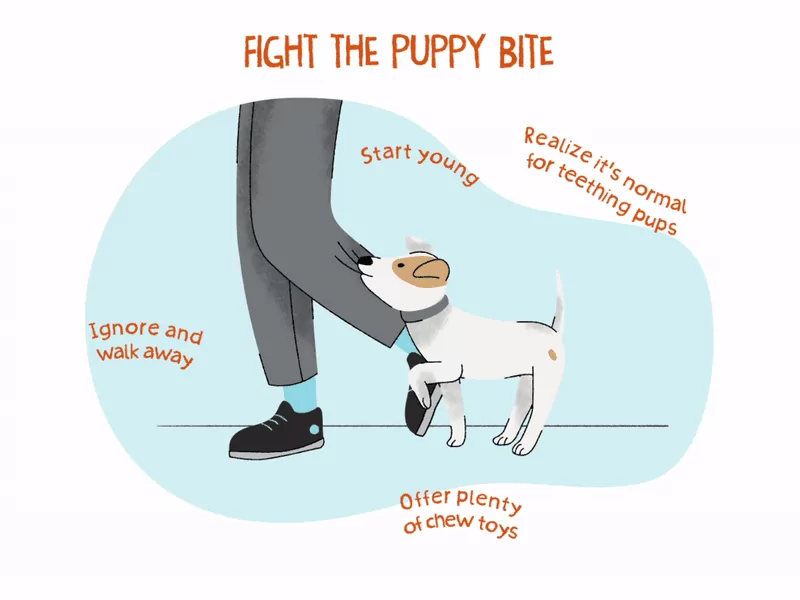
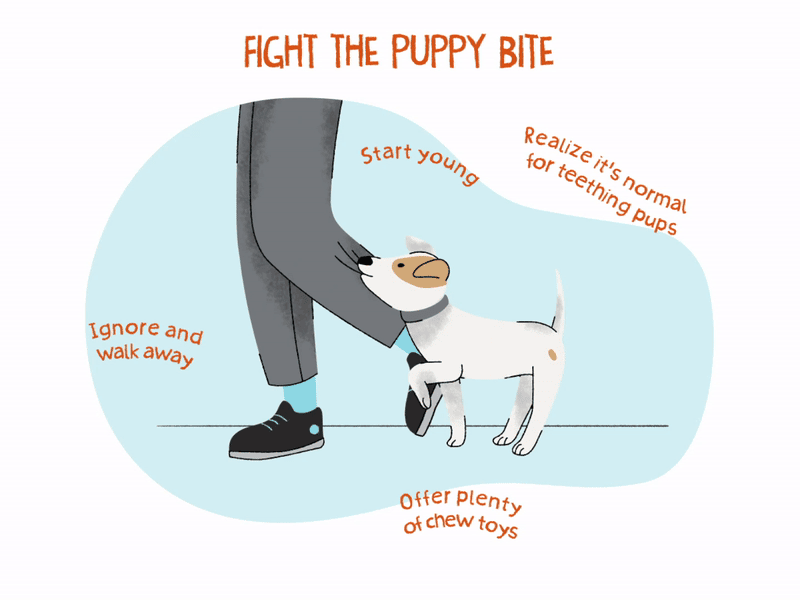
Teething can make biting worse. As baby teeth fall out and adult teeth grow in, your puppy may chew to ease sore gums. Most puppies begin losing baby teeth at about 12 to 16 weeks, though the full process may last until around six months.
Puppies may also bite when they feel:
• Excited during play
• Tired or overstimulated
• Frustrated by a toy or task
• Nervous in a new place
• Ready for food or a bathroom break
• In need of more mental or physical activity
A young puppy often acts like an overtired toddler. The more tired they become, the less control they have. Many “wild” biting sessions are signs that your puppy needs a quiet nap, not more play.
It is helpful to separate playful mouthing from serious aggression. Play biting usually happens with a loose body, relaxed face, and wiggly movements. Aggressive behavior may include a stiff body, hard stare, repeated growling, guarding, or bites that cause serious injury.
:strip_icc()/dog-bite-prevention-1117453-FINAL-d2d6e8c12f164292aabbeadc7765deb2.png)
How to Get Puppy to Stop Biting Step by Step
Training works best when every person in the home follows the same plan. If one person allows hand biting while another person stops it, your puppy receives mixed signals.
Use these steps each time your puppy bites:
1. Keep your response calm
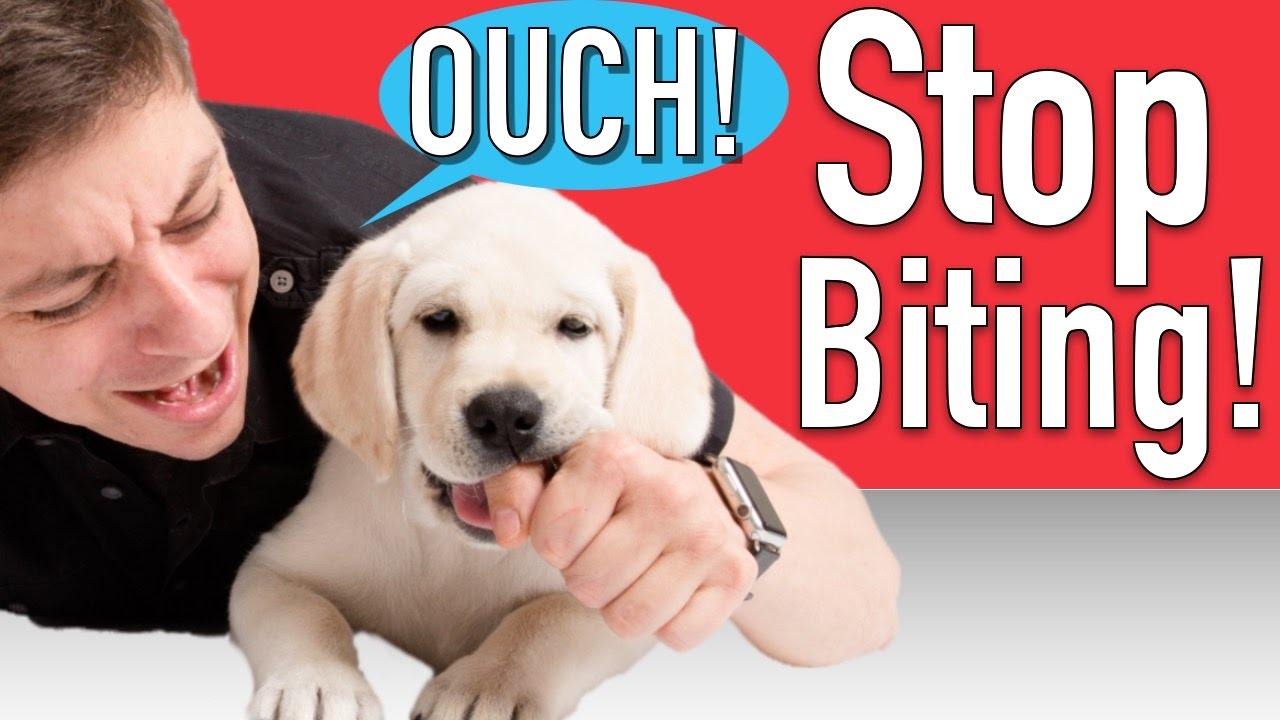
Say a simple word such as “ouch” or “too bad” in a calm voice. Then stop moving your hands and pause the game.
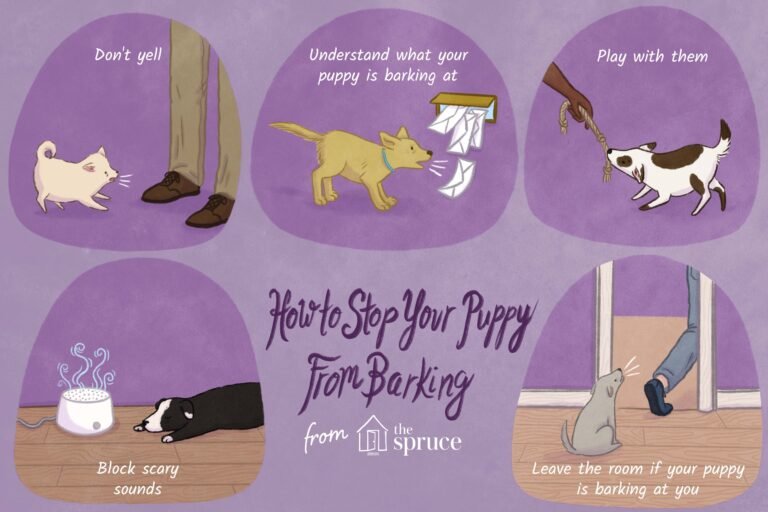
Avoid yelling, hitting, pushing your puppy away, or waving your fingers. These actions can make your puppy more excited or afraid. Fast hand movements may even turn your hands into a more interesting toy.
2. Remove attention briefly
Turn away or stand up for about 10 to 20 seconds. If needed, step behind a baby gate.
This teaches an important lesson: biting makes fun stop. The pause should be short. A long punishment will not help your puppy understand what went wrong.
3. Offer a legal chew item
After the brief pause, give your puppy a toy made for chewing. Soft rubber toys, puppy-safe teething toys, and durable food-stuffed toys can work well.
Move the toy slowly so it becomes more interesting than your hands. Praise your puppy when their mouth touches the toy instead of your skin.
4. Reward gentle behavior
Give a small treat, praise, or more play when your puppy sits, licks, rests, or plays gently. Puppies repeat actions that bring good results.
You can say “gentle” as your puppy takes a treat with a soft mouth. Over time, the word can become a useful cue.
5. Repeat without anger
your puppy may need many lessons before the habit improves. Consistency matters more than intensity.
When learning how to get puppy to stop biting, think of each bite as a teaching moment. You are not trying to win a battle. You are showing your puppy which choice works better.
Use Toys and Chews to Redirect Biting
Redirection is one of the safest ways to manage puppy biting. Keep a few toys in each room where your puppy spends time. This helps you respond quickly before your puppy grabs your hands, socks, or clothing.
Choose different textures and shapes. Some puppies like rubber toys, while others prefer braided fleece, soft plush toys, or chilled teething items. Watch your puppy with every new toy, especially if they chew hard or pull pieces loose.
You can make toys more rewarding by adding food. Try filling a sturdy rubber toy with a small amount of wet dog food or soaked kibble. Freeze it for a short time to make the activity last longer.
Good options may include:
• Puppy-safe rubber chew toys
• Food puzzle toys
• Chilled, size-appropriate teething toys
• Durable fleece tug toys
• Soft toys made for supervised play
Avoid giving cooked bones, very hard objects, or toys that can splinter. A chew that is too hard may damage teeth. A small toy may also become a choking risk.
A useful rule is to keep the toy between your puppy’s mouth and your skin during tug games. If teeth touch skin, stop the game for a short pause. Then restart only when your puppy is calm.
Teach Bite Inhibition
Bite inhibition means learning to control the force of a bite. Puppies often learn this skill from their mother and littermates. If a puppy bites too hard during play, the other puppy may yelp and stop playing.
You can continue that lesson in a calm way. If your puppy bites hard, make a brief sound, end the interaction, and offer a toy later.
Do not make a loud, sharp sound if it excites your puppy. Some puppies become more energetic when they hear a high-pitched “ouch.” If that happens, skip the sound and quietly remove your attention.
Practice gentle mouth behavior during calm moments:
- Hold a treat in a closed hand.
- Wait until your puppy stops mouthing your fingers.
- Open your hand and give the treat.
- Repeat until your puppy waits instead of biting.
- Add a word such as “easy” or “gentle.”
This exercise teaches self-control. It also helps your puppy learn that calm behavior makes good things happen.
Never tease your puppy with fingers, sleeves, or feet. Games that encourage chasing hands can create confusion. Your puppy cannot understand why hand biting is funny at one moment and wrong at another.
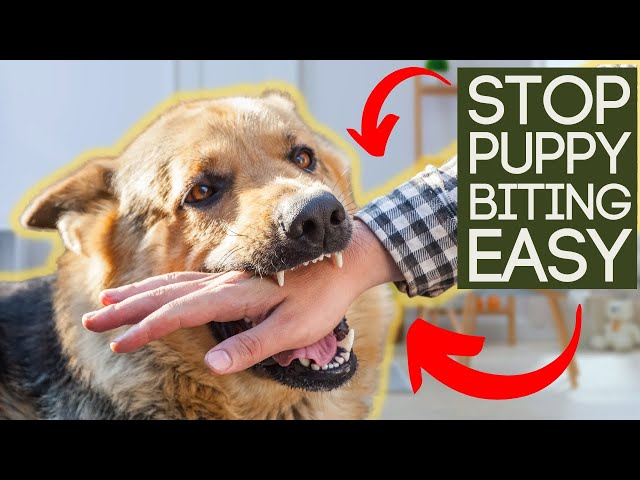
Manage Your Puppy’s Daily Routine
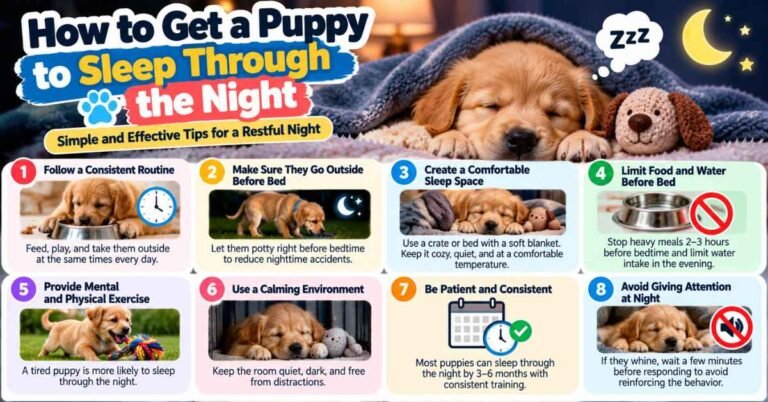
Training alone may not solve puppy biting if your puppy is bored, hungry, or exhausted. A steady routine can reduce many biting episodes.
Young puppies need plenty of sleep. Depending on age and breed, a puppy may sleep 18 to 20 hours in a day. Too little rest can lead to frantic running, barking, and painful biting.
Build a simple routine with:
• Regular naps in a safe, quiet area
• Short training sessions
• Age-appropriate walks after vaccinations and veterinary advice
• Sniffing games and food puzzles
• Calm play with suitable toys
• Regular meals and bathroom breaks
Keep training sessions short. Two to five minutes may be enough for a young puppy. End while your puppy is still successful.
Exercise should match your puppy’s age, breed, health, and veterinary guidance. Too much forced exercise can stress growing joints. Mental work, such as finding treats or learning a new cue, can tire a puppy without overworking the body.
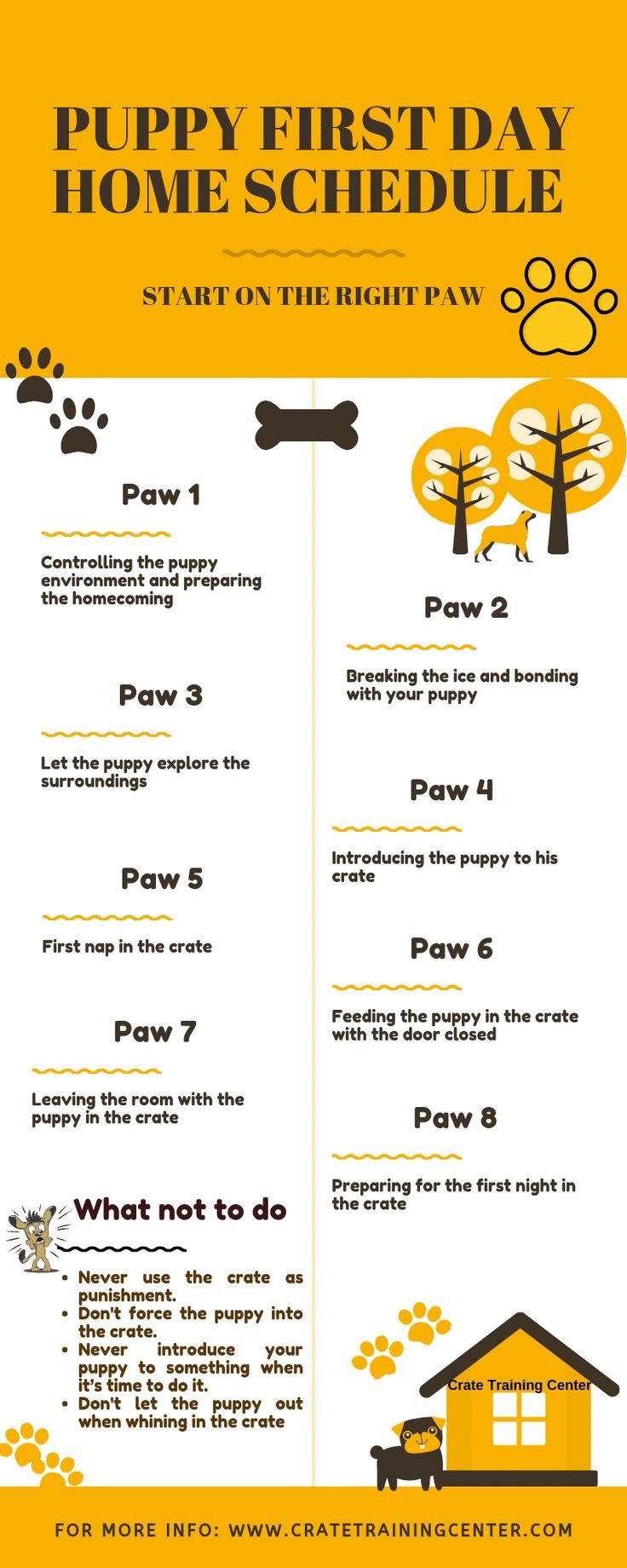
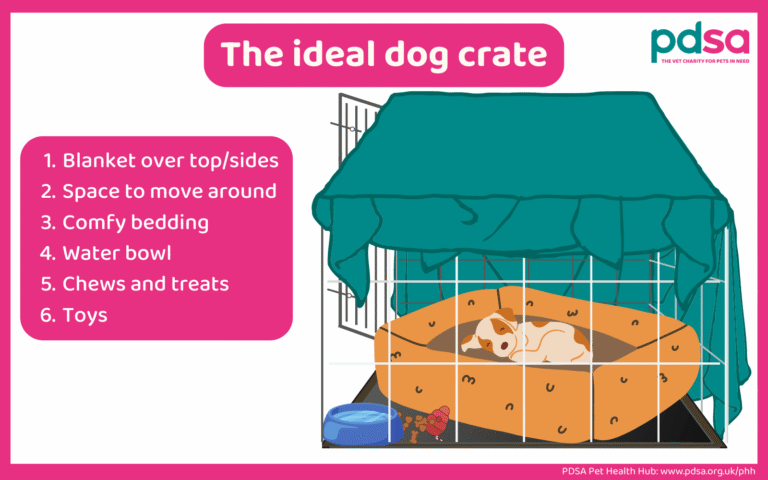
When your puppy starts biting hard after a busy period, guide them to a quiet rest area. A crate or pen should feel safe, not like a place of punishment. Offer a chew and allow your puppy to settle.

Stop Biting During Common Situations
Puppy biting often happens at predictable times. Planning for those moments makes training easier.
During play
Use a long toy for fetch or tug. This keeps your hands farther from your puppy’s mouth. If your puppy bites skin, pause the game and wait for calm behavior.
When handling your puppy
Touch paws, ears, collar, and mouth for a few seconds at a time. Pair each touch with a treat. Stop before your puppy becomes upset.
This practice can make grooming and veterinary care easier. If your puppy pulls away, lower the difficulty rather than forcing the touch.
When your puppy grabs clothing
Freeze instead of pulling. Pulling can turn your shirt or pants into a tug toy. Once your puppy releases, offer a toy and praise the choice.
When your puppy bites children
Always supervise children and puppies together. Ask children to stand still, fold their arms, and call an adult if the puppy becomes too rough.
Do not expect a child to train a biting puppy alone. Young children may squeal, run, or wave their hands, which can increase chasing and biting.
When your puppy bites ankles
Stop walking and become boring. Toss a toy away from your feet, then reward your puppy for following the toy. You can also use a baby gate to prevent ankle chasing when you cannot train directly.

Mistakes That Can Make Biting Worse
Many well-meaning owners try to stop puppy biting with methods that create more problems. Harsh punishment may stop a behavior for a moment, but it can increase fear and damage trust.
Avoid these common mistakes:
• Hitting, tapping, or holding your puppy’s mouth shut
• Shouting or using scary body language
• Pushing your puppy down
• Playing roughly with bare hands
• Pulling clothing from your puppy’s mouth
• Giving attention after every bite
• Allowing some family members to encourage hand biting
• Using a crate as a place for anger or revenge
Do not punish growling. A growl is a warning signal. If you punish the warning, your puppy may stop warning while still feeling afraid or upset. Instead, create distance and seek help if the behavior concerns you.
Another common mistake is expecting instant results. Puppies do not learn in one afternoon. Progress may look like fewer bites, softer bites, faster release, or shorter biting episodes.
A lesson I often share with new puppy owners is to track patterns for three days. Write down when biting happens, what came before it, and what helped. Many owners discover that the biting starts before dinner, after long play, or when the puppy misses a nap.
When to Seek Professional Help
Most puppy mouthing improves with time and consistent training. However, contact your veterinarian or a qualified behavior professional if you notice serious warning signs.
Seek help when your puppy:
• Bites hard enough to break skin often
• Becomes stiff or still before biting
• Guards food, toys, or resting spaces
• Shows repeated fear around people
• Cannot settle after gentle management
• Bites with a hard stare or deep growl
• Suddenly begins biting after a health change
• Shows pain when touched
A veterinarian can check for pain, illness, or dental problems. A certified trainer or veterinary behaviorist can create a plan that fits your puppy’s history and home.
Look for professionals who use reward-based methods. Training should improve safety and trust. Be cautious of anyone who promises a quick fix through fear, pain, or forced submission.
Puppy biting can also be affected by breed traits, early socialization, past experiences, and the home environment. There is no single method that works for every puppy. A good plan stays flexible while keeping the main rule clear: teeth belong on toys, not people.

A Simple Seven-Day Training Plan
A short plan can make the process feel manageable. Focus on small wins instead of expecting your puppy to change overnight.
Days one and two
Place chew toys in easy-to-reach spots. Watch for the first signs of biting and redirect early. Reward your puppy for sitting, licking, or chewing a toy.
Days three and four
Practice the closed-hand treat exercise. Add short handling sessions for paws, ears, and the collar. Stop while your puppy remains relaxed.
Days five and six
Use brief pauses whenever teeth touch skin. Keep play calm and use long toys for tug. Add a food puzzle or sniffing game before your puppy’s usual high-energy period.
Day seven
Review your notes. Identify the times when biting improved and the moments that remain difficult. Adjust naps, play, and supervision based on what you learned.
Repeat the plan for several weeks. Consistency is the key to how to get puppy to stop biting. Your puppy may have good days and rough days, just as people do.
Frequently Asked Questions About How to Get Puppy to Stop Biting
What is the fastest way to get a puppy to stop biting?
The fastest safe method is to stop attention when teeth touch skin, then redirect your puppy to a toy. Repeat this every time and reward calm, gentle behavior.
Should I say “ouch” when my puppy bites?
You can try a brief, calm “ouch” if it helps your puppy pause. If the sound makes your puppy more excited, stay quiet and remove your attention instead.
Is puppy biting a sign of aggression?
Usually, puppy biting is normal play, teething, or exploration. Stiff posture, guarding, fear, repeated hard bites, and intense growling may signal a deeper problem that needs professional guidance.
How long does puppy biting last?
Many puppies improve between four and six months as teething ends and self-control grows. Some puppies need longer, especially when they are tired, highly active, or inconsistent training is used.
Should I punish my puppy for biting?
No. Physical punishment and frightening corrections can increase fear and may make biting worse. Calm pauses, toy redirection, supervision, and rewards are safer and more effective.
Why does my puppy bite me but not other people?
Your puppy may bite you because you play more often, move quickly, or provide more attention. Look for patterns and make sure everyone uses the same response.
Can a crate help stop puppy biting?
A crate can help your puppy rest and prevent unwanted biting when used positively. It should never be used for angry punishment or long periods of isolation.
Conclusion
Puppy biting is common, but it should not be ignored. The most effective plan is simple: stay calm, stop attention when teeth touch skin, offer a safe toy, and reward gentle choices.
Give your puppy enough sleep, safe chewing options, short training sessions, and steady supervision. With patience and daily practice, your puppy can learn that people are for kindness and toys are for biting.
Start with one room, one rule, and one favorite toy today. If biting is severe or frightening, contact your veterinarian or a reward-based behavior professional for help. Share your puppy training experience or explore more positive training resources to keep building a safe, trusting bond.