When Do Puppies Eyes Change Color: What To Expect
Most puppies’ eyes change from cloudy blue to their adult color between 8 and 16 weeks of age.
Wondering when do puppies eyes change color is normal, especially when your new pup seems to have bright blue eyes one week and a darker shade the next. This guide explains the science behind puppy eye color, what changes are normal, which breeds may keep blue eyes, and when a vet should check your puppy’s eyes.
When do puppies eyes change color?
Most puppies start life with blue or blue-gray eyes. Their eyes may look hazy because the iris has very little pigment, called melanin, during the first weeks of life.
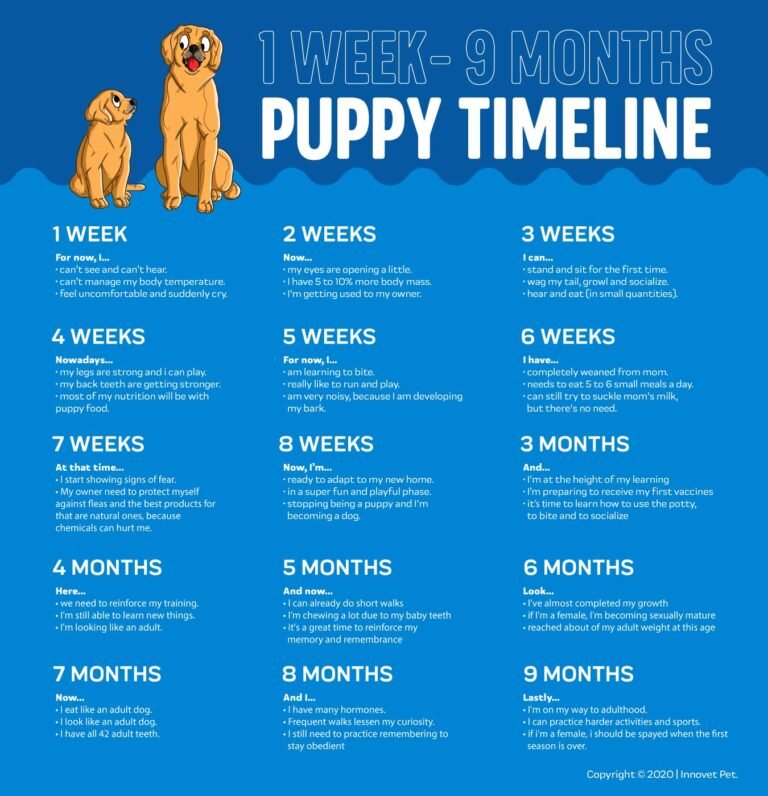
For many puppies, eye color begins to shift at about 6 to 8 weeks. The change often continues until 12 to 16 weeks. Some puppies may take longer, and certain breeds can develop their final eye color over several months.
The answer to when do puppies eyes change color depends on several factors:
• Breed and genetics
• Amount of melanin in the iris
• Coat color and inherited traits
• Whether the puppy carries genes linked to blue eyes
• Normal differences between individual dogs
A puppy’s eyes may change from blue to brown, amber, hazel, green, or gray. The change is often gradual. You may notice a darker ring near the pupil before the full iris changes.

Why are puppies born with blue eyes?
Newborn puppies have immature eyes. Their eyelids usually stay closed for about 10 to 14 days after birth. When the eyes open, the iris has not yet built up its full level of melanin.
Melanin is the same natural pigment that helps determine skin, hair, and eye color. More melanin usually creates darker eyes. Less melanin allows more light to scatter through the iris, which can make the eyes look blue.
Think of a puppy’s early eye color like wet paint. The basic color is there, but it has not fully dried or deepened yet. As the iris matures, pigment changes the way light moves through the eye.
Blue puppy eyes are not always a sign of a future blue-eyed adult dog. In many cases, they are simply part of normal eye development.
How puppy eye color changes over time
Knowing the usual timeline can help you tell normal development from a possible health concern.
Birth to 2 weeks
A puppy’s eyes are closed at birth. The eyes are still developing under the eyelids, along with the optic nerve and other parts of the visual system.
About 2 to 4 weeks
The eyes begin to open. At this stage, they often look blue, gray, or cloudy. Vision is still limited, so puppies rely heavily on their mother and littermates.
About 6 to 8 weeks
Pigment may begin to appear in the iris. You might see small areas of brown, gold, or gray near the pupil. The eyes may look different in certain types of light.
About 8 to 16 weeks
This is the most common period for a puppy’s permanent eye color to become clear. The blue shade may fade as brown, amber, hazel, or another color becomes stronger.
After 16 weeks
many puppies have their adult eye color by this point. However, some dogs, especially those with unusual coat patterns or specific breed traits, may show small changes for several more months.
If you are asking when do puppies eyes change color, remember that there is no single exact day. Eye color develops on a range, not a strict schedule.

What colors can a puppy’s eyes become?
Puppies can develop several adult eye colors. Genetics play the biggest role.
• Brown: The most common adult eye color in dogs
• Amber: Often seen as gold, honey, or light brown
• Hazel: A blend of green, brown, and gold
• Green: Less common and sometimes linked to specific genetic patterns
• Gray: May remain gray or become darker over time
• Blue: Can remain blue in some dogs with inherited color traits
Both eyes usually develop the same color. Still, a dog may naturally have two different eye colors. This condition is called heterochromia.
Heterochromia may be complete, with one blue eye and one brown eye, or partial, with two colors in the same iris. It can be inherited, and it is common in some breeds and coat patterns.
A change in color is usually harmless when it happens slowly in a young puppy. A sudden color change in one eye is different and deserves veterinary attention.
Do all puppies’ eyes change from blue?
No. Some puppies keep blue eyes into adulthood. This is more likely in dogs with certain genetic traits, including some Siberian Huskies, Australian Shepherds, Border Collies, Dachshunds, and other breeds or mixes.
Dogs with merle coloring may also have blue eyes, partly blue eyes, or different-colored eyes. In some cases, the same genes that affect coat color can affect eye pigment.
A puppy with two blue eyes may keep them. Another puppy with the same breed background may develop brown or amber eyes. Genetics can be complex, especially in mixed-breed dogs.
This is why the answer to when do puppies eyes change color cannot be based on breed alone. Breed can suggest a pattern, but it cannot guarantee the final result.
How to tell whether a puppy’s eye color change is normal
Normal eye color changes tend to be slow and affect the iris, which is the colored ring around the pupil. Your puppy should still act comfortable and see well for its age.
Signs of a normal change include:
• A gradual shift from blue to brown, amber, gray, or hazel
• Similar changes in both eyes
• No redness or swelling
• No excessive tearing or discharge
• No squinting or rubbing
• Normal play, movement, and response to light
Take a clear photo of your puppy’s eyes once a week. Use the same room and similar lighting when possible. This creates a simple record and helps you notice gradual changes without checking every hour.
Avoid shining bright lights directly into your puppy’s eyes. A phone flash can also create confusing reflections. Natural indoor light is usually enough for a useful photo.
When a change in puppy eye color may signal a problem
Not every change is a normal part of growing up. Eye disease can cause cloudiness, a blue-white haze, redness, or a change in the way light reflects from the eye.
Call your veterinarian if you notice:
• A sudden change in one eye
• A white, gray, or blue film over the eye
• Redness or swelling
• Yellow or green discharge
• Frequent squinting or blinking
• Pawing or rubbing at the face
• Bulging of the eye
• Unequal pupil size
• Trouble finding toys or bumping into objects
• Pain, low energy, or a sudden behavior change
Conditions such as corneal ulcers, inflammation, glaucoma, cataracts, and infection can affect the appearance of the eye. Some problems are urgent and can threaten vision if treatment is delayed.
A normal puppy eye color change happens within the iris. A disease-related change may look like a film on the surface, a cloudy lens, or a painful eye. Only a veterinary exam can confirm the difference.

Can diet change a puppy’s eye color?
A balanced puppy diet supports healthy growth, but it does not usually change inherited eye color. Protein, vitamins, minerals, and healthy fats help the eyes and body develop, yet they cannot override genetics.
Do not give eye supplements, human vitamins, or color-changing products unless a veterinarian recommends them. Too much of some nutrients can be harmful.
Choose food made for puppies and matched to your dog’s expected adult size. Fresh water is also important. If your puppy has poor growth, dull eyes, vision problems, or other symptoms, schedule a veterinary check rather than trying a supplement first.
Do coat patterns affect puppy eye color?
Yes, coat genetics can influence eye color. The same inherited traits that create merle, piebald, or other color patterns may also affect pigment in the iris.
For example, a merle puppy may have one blue eye, two blue eyes, or eyes with mixed shades. Some puppies may have a blue eye with a brown section inside it. These patterns can be normal when they are present from birth and the eyes are comfortable.
However, responsible breeding matters. Certain combinations of color genes can increase the risk of hearing or vision problems. This is one reason buyers should ask breeders about health testing and family history.
A coat pattern does not prove that a puppy will have an eye disorder. It simply makes genetic screening and careful observation more important.
A practical puppy eye-care routine
Good observation is one of the best tools a puppy owner has. You do not need special equipment. A few calm checks each week can help you spot changes early.
- Look at both eyes in normal indoor light.
- Check that the pupils appear similar in size.
- Look for redness, swelling, or discharge.
- Watch your puppy follow a toy or respond to movement.
- Note any squinting, rubbing, or sensitivity to light.
- Take a weekly photo if the eye color is still changing.
- Keep hair, dust, and shampoo away from the eyes.
- Contact your veterinarian if a change is sudden or painful.
Never use leftover eye drops from another pet. Human eye medicine may be unsafe, and the wrong treatment can make some conditions worse.
During puppy visits, ask the veterinarian to check the eyes as part of the physical exam. Routine visits are a good time to discuss vision, inherited conditions, and breed-specific risks.

Common mistakes puppy owners make
Many owners worry when a puppy’s blue eyes start to look cloudy. In a young puppy, a gradual change in iris pigment is often normal. The mistake is assuming that every cloudy appearance is harmless.
Another common mistake is waiting too long when symptoms appear. Redness, pain, discharge, or a sudden one-sided change should not be blamed on normal growth.
Some owners also compare their puppy with photos online. This can be misleading because lighting, camera settings, age, and breed genetics all affect how eye color appears.
The safest approach is simple: track gradual changes, learn your puppy’s normal appearance, and seek professional advice when the change is sudden or linked with discomfort.

Frequently Asked Questions
When do puppies eyes change color?
Most puppies’ eyes begin changing between 6 and 8 weeks of age. Their adult color often becomes clear between 12 and 16 weeks, although some dogs take longer.
What color are puppies’ eyes when they are born?
Puppies are usually born with their eyes closed. After the eyes open, they often look blue, gray, or hazy because the iris has not developed its full pigment.
Can a puppy’s blue eyes turn brown?
Yes. Many puppies start with blue eyes and later develop brown, amber, hazel, or gray eyes. This change occurs as melanin increases in the iris.
Will all puppies with blue eyes keep them?
No. Blue eyes in a young puppy do not always remain blue. Some dogs keep blue eyes because of inherited traits, while others develop a darker adult color.
Is it normal for a puppy to have two different eye colors?
It can be normal, especially in breeds with merle or other pigment-related traits. A sudden difference that develops later, particularly with redness or pain, should be checked by a veterinarian.
When should I worry about a puppy’s eye color change?
Contact a veterinarian if the change is sudden, affects only one eye, or comes with cloudiness, discharge, redness, squinting, pain, or vision problems. These signs may point to an eye condition rather than normal development.
Conclusion
Most puppies’ eyes change color between 8 and 16 weeks, as melanin develops in the iris. Some dogs keep blue eyes, while others develop brown, amber, hazel, gray, or mixed colors based on their genes.
A slow, comfortable change is usually normal. Sudden changes, surface cloudiness, redness, discharge, pain, or vision trouble need prompt veterinary care. Watch your puppy’s eyes calmly, record changes with clear photos, and ask your veterinarian about anything that seems unusual.