How To Discipline A Puppy: Positive Training Guide
Discipline a puppy with calm training, clear rules, rewards, and patience instead of fear, pain, or harsh punishment.
Learning how to discipline a puppy is really about teaching good choices. Puppies are not trying to be “bad.” They are curious, tired, excited, and still learning how to live with people. With reward-based training, steady routines, and kind limits, you can guide your puppy toward safe and polite behavior. This guide explains what works, what to avoid, and when to seek professional help.
What Puppy Discipline Really Means
Puppy discipline does not mean yelling, hitting, rubbing a nose in a mess, or using fear. It means showing your puppy what to do, stopping unsafe behavior, and rewarding the right choice.
A puppy has a short attention span. Many puppies also need to pee often, chew while teething, and sleep for much of the day. These needs can look like disobedience when they are simply normal puppy behavior.
Think of training like teaching a child to cross a road. You do not expect perfect judgment at once. You give clear steps, repeat them, and keep the child safe while skills grow. The same idea explains how to discipline a puppy.
Effective puppy discipline includes:
• Clear house rules that everyone follows
• Rewarding calm and useful behavior
• Redirecting chewing, biting, and jumping
• Preventing problems before they start
• Using a calm voice and gentle handling
• Matching training to the puppy’s age and ability
The American Veterinary Society of Animal Behavior supports reward-based training. Research also links reward-based methods with better learning and less stress than harsh punishment. A reward may be food, praise, play, access to a toy, or a chance to sniff outside.
Why Harsh Punishment Does Not Work Well
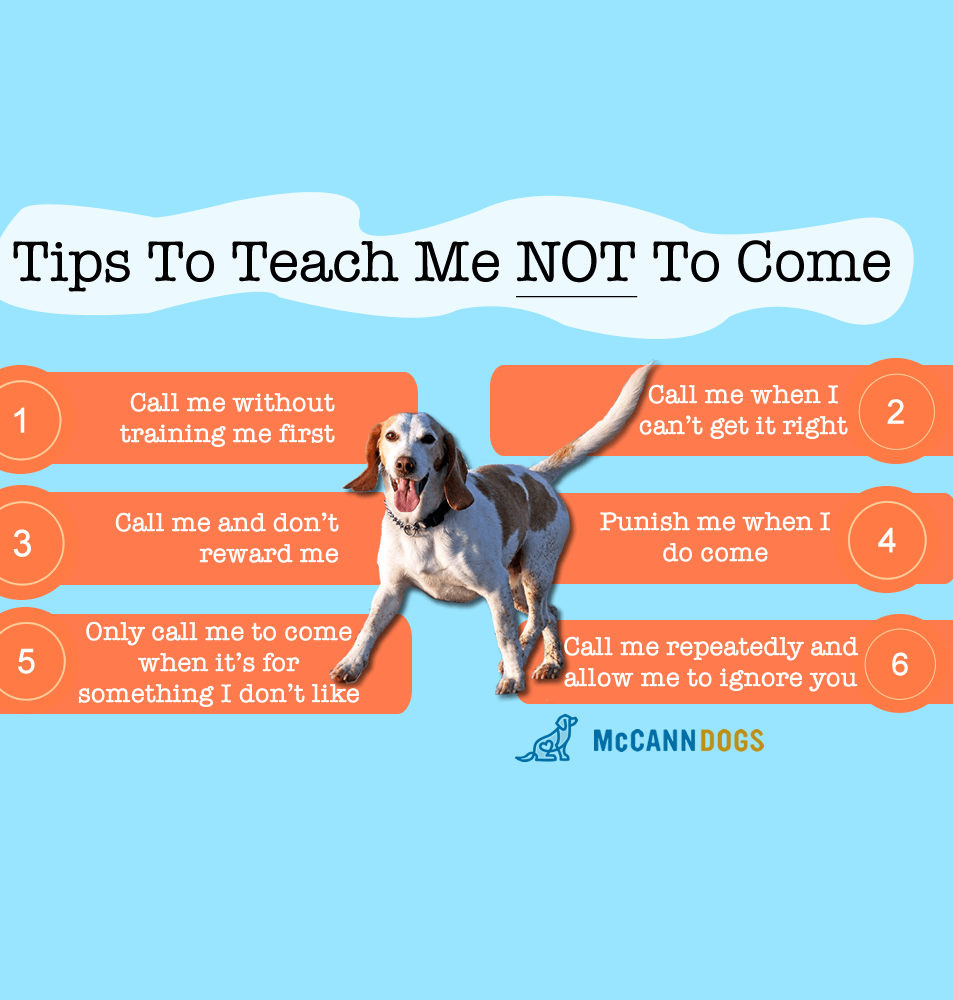
Harsh punishment may stop a behavior for a moment, but it often fails to teach a better option. A puppy may learn to fear your hands, your voice, or the place where punishment happens. The puppy may also hide mistakes instead of learning from them.
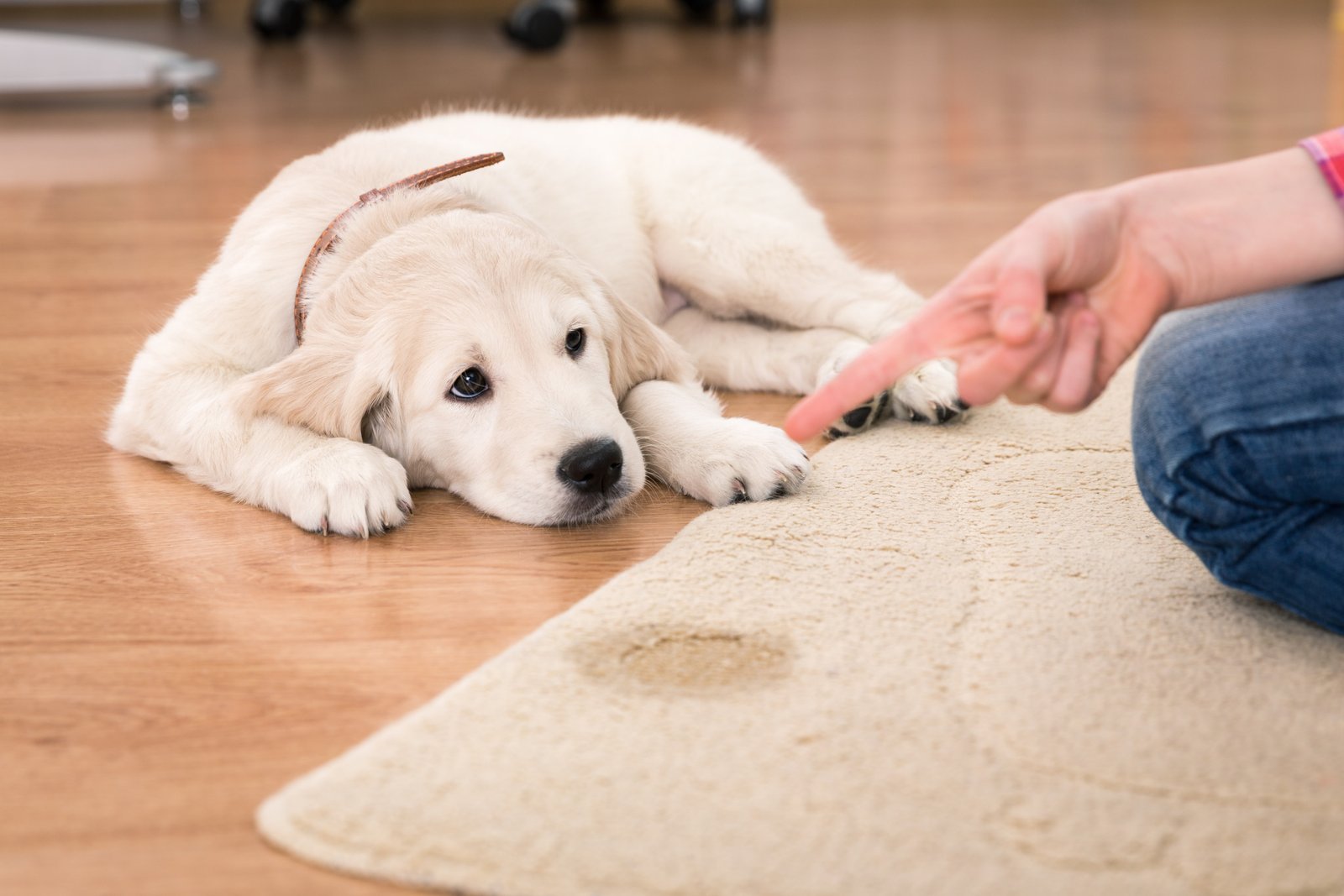
For example, yelling after finding urine on the floor can confuse a puppy. The puppy may not connect your anger with an accident that happened minutes ago. It may only learn that you are scary near the mess.
Physical punishment can also increase fear and defensive behavior. This matters with biting, guarding, and handling. A fearful puppy may grow into a dog that snaps when it feels trapped.
Avoid these methods:
• Hitting, kicking, shaking, or pinning a puppy
• Yelling or making threatening gestures
• Rubbing a puppy’s nose in urine or stool
• Chasing a puppy after stealing an item
• Using shock, prong, or choke collars without expert guidance
• Scolding long after the behavior happened
A better approach is simple: prevent the unwanted behavior, interrupt it calmly if needed, and reward a safer behavior. This is a key part of learning how to discipline a puppy without damaging trust.
Set Clear Rules From the First Day
Puppies learn through patterns. If jumping earns attention one day and anger the next, the lesson becomes unclear. Every person in the home should use the same rules and words.
Choose a few basic rules before your puppy arrives. Keep them simple and realistic.
Examples include:
• The puppy sits before getting food
• People do not play with hands as chew toys
• Four paws stay on the floor during greetings
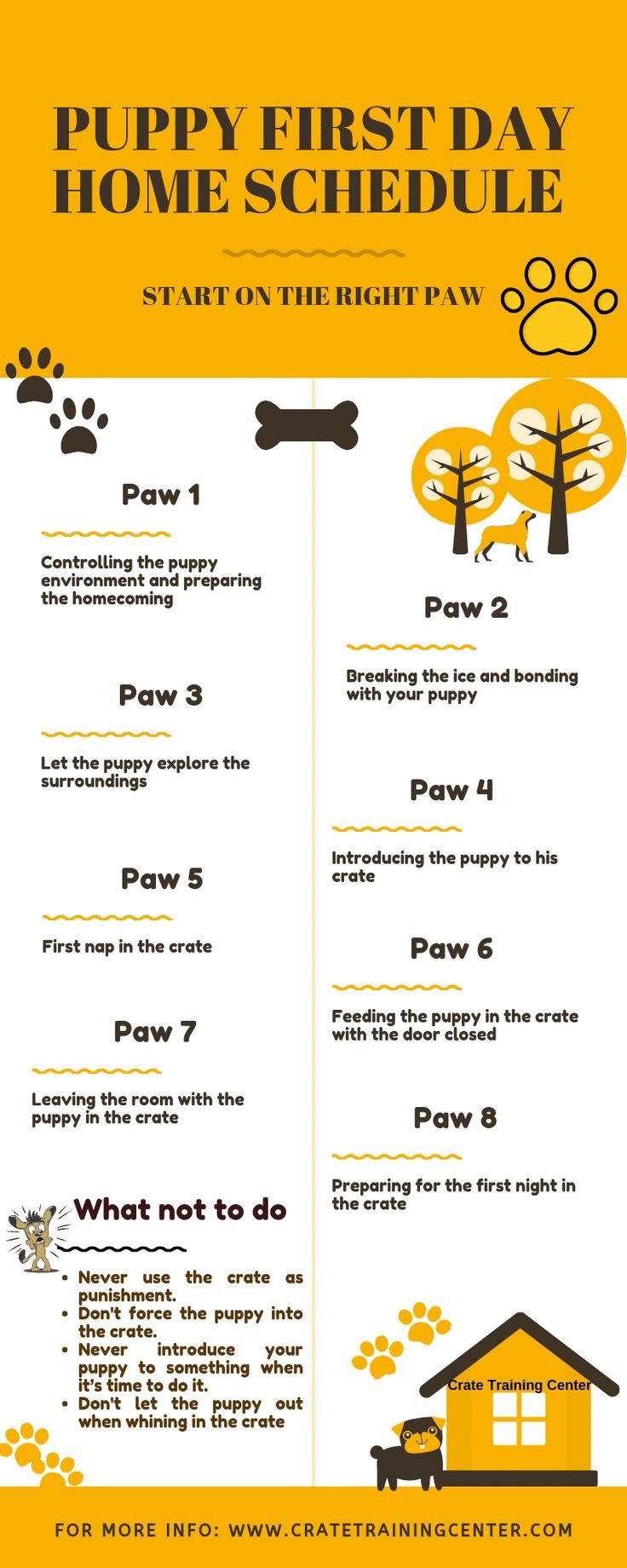
• The puppy sleeps in a safe crate or pen
• Shoes, cords, and children’s toys stay out of reach
• The puppy goes outside after waking, eating, and playing
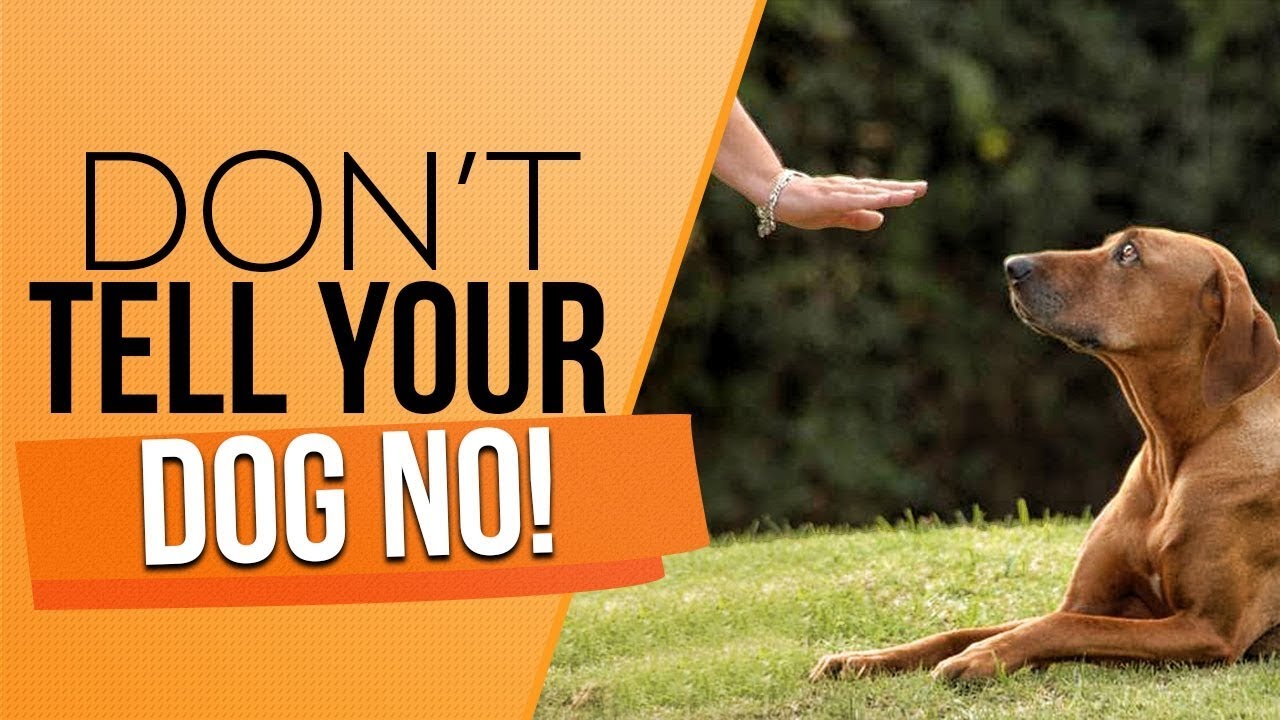
Use one cue for each action. Say “sit” rather than switching between “sit down,” “take a seat,” and “park it.” Clear language helps your puppy connect the word with the action.
Give rewards within one or two seconds of the behavior. Fast rewards help the puppy understand what earned them. Small treats are useful, but praise, toys, and gentle play can work too.

Use the ABC Method for Puppy Behavior
A helpful way to understand puppy behavior is the ABC method:
• Antecedent: What happened before the behavior?
• Behavior: What did the puppy do?
• Consequence: What happened after the behavior?
Suppose your puppy jumps on you when you enter the room. The door opening is the antecedent. Jumping is the behavior. Attention from you is the consequence. If you push the puppy away while talking, the puppy may still see that as attention.
To change the pattern, turn away and stay quiet. The moment all four paws touch the floor, give attention or a treat. The puppy learns that calm behavior works better than jumping.
This method can reveal the real cause of many problems. A puppy that bites during play may be tired. A puppy that barks in a crate may need a slower crate plan. A puppy that steals socks may need more enrichment and easier access to legal chew toys.
When you learn how to discipline a puppy, look for the reason behind the behavior. A solution works best when it meets the puppy’s need.
How to Discipline a Puppy for Biting
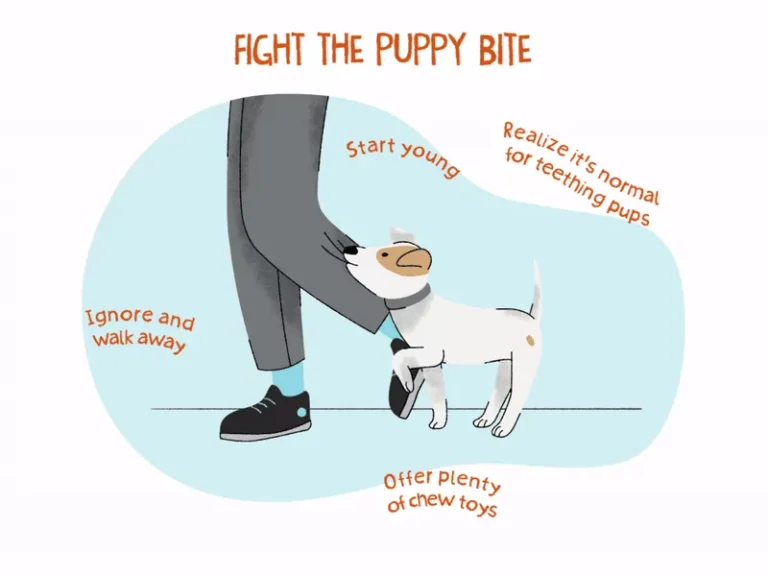
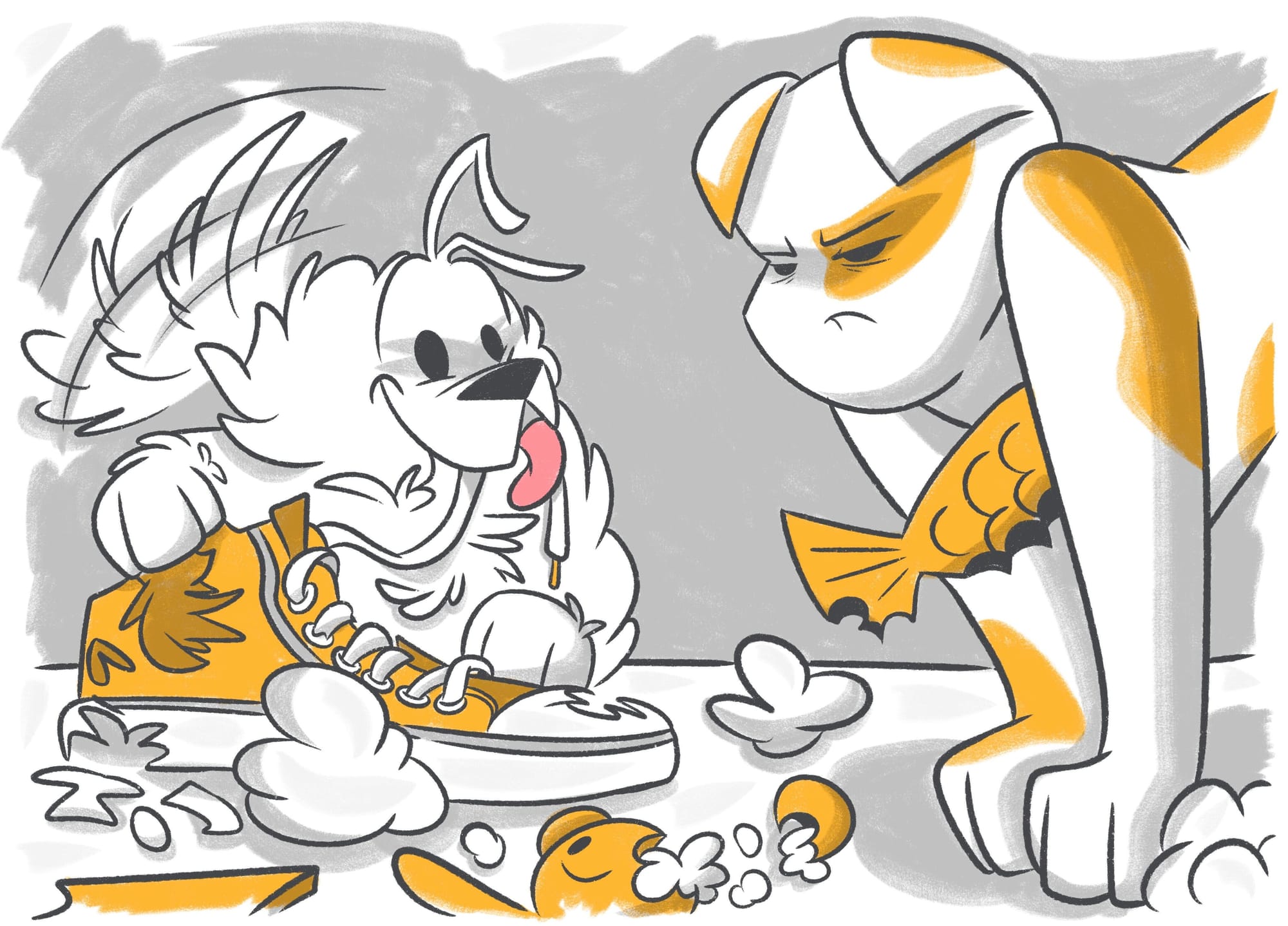
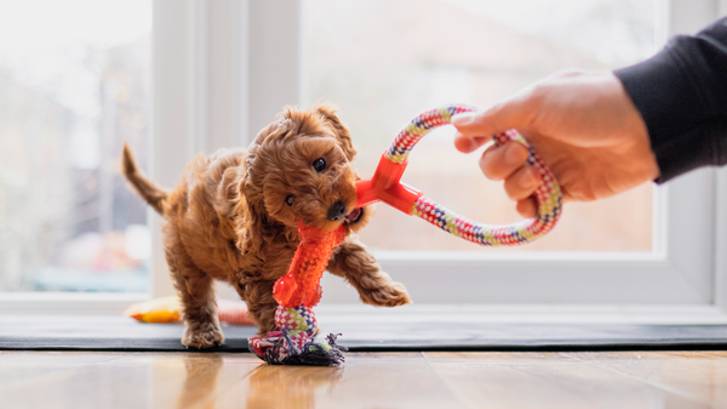
Puppy biting is common. Puppies explore with their mouths, and teething can make chewing feel good. Still, you should teach bite control and show your puppy what is safe to bite.
When teeth touch your skin:
-
Keep your hand still instead of pulling it away quickly.
-
Say a calm phrase such as “too bad” or “gentle.”
-
End the game for a few seconds.
-
Offer a toy when the puppy settles.
-
Praise the puppy for chewing the toy.
Do not slap the muzzle or hold the mouth shut. These actions can make handling scary and may increase rough behavior.
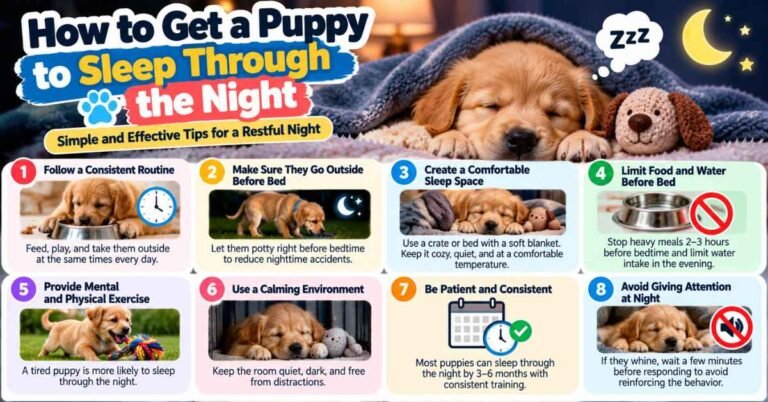
If your puppy becomes wild, guide it to a quiet area with a chew toy. This is not a punishment room. It is a calm reset space. Many puppies need 18 to 20 hours of sleep each day, though needs vary by age and breed. An overtired puppy can act like an overtired toddler.
During my review of common puppy training cases, one mistake appears often: people try to exercise a tired puppy even more. More running may create a fitter puppy, not a calmer one. A nap, chew, and quiet routine often work better.

How to Stop Jumping on People
Jumping usually continues because it gets a reward. Attention, petting, eye contact, and even pushing can encourage the behavior. Teach your puppy that calm greetings earn access to people.
Ask visitors to follow the same steps:
• Enter quietly
• Turn away if the puppy jumps
• Wait for four paws on the floor
• Give attention when the puppy is calm
• Ask for a sit if the puppy knows it
• Pause the greeting if jumping starts again
You can use a leash during greetings for safety. Keep the leash loose and avoid jerking it. A baby gate can also help your puppy watch visitors from a safe distance.
Practice with one calm person at a time. Short practice sessions are easier than expecting perfect behavior during a busy party. Reward small progress, such as standing still for two seconds.
Learning how to discipline a puppy for jumping requires patience. The goal is not to make the puppy less friendly. The goal is to teach a polite way to say hello.
How to Handle Puppy Potty Training
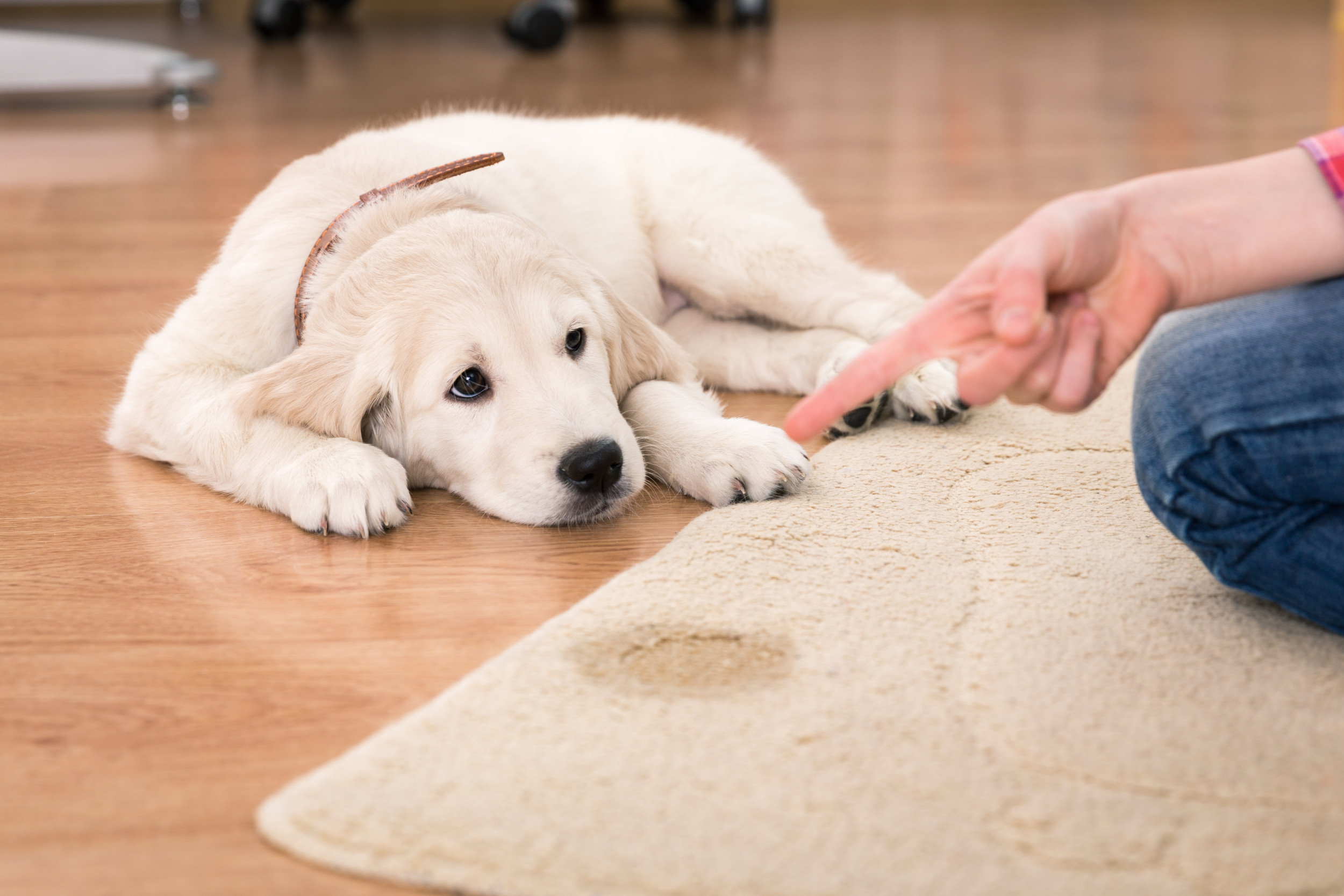
Potty accidents are usually a management problem, not a spite problem. Young puppies have small bladders and limited control. They need frequent trips outside, especially after sleeping, eating, drinking, and playing.
Create a simple routine:
-
Take the puppy to the same toilet area.
-
Wait quietly and limit play.
-
Reward immediately after the puppy finishes.
-
Return inside for calm play or rest.
-
Watch for sniffing, circling, pacing, or sudden wandering.
If an accident happens, interrupt gently if you catch it in the moment. Take the puppy outside and reward outdoor elimination. If you find the accident later, clean it without a lecture.
Use an enzymatic cleaner made for pet stains. Standard cleaners may leave smells that encourage repeat accidents. Do not restrict water without advice from a veterinarian. Fresh water should be available, especially during warm weather and active play.
A sudden change in potty habits may point to a health issue. Contact your veterinarian if accidents increase, urination seems painful, stool changes persist, or your puppy drinks much more than usual.

Teach a Puppy Not to Chew Furniture
Chewing is normal, but furniture and electrical cords are not safe choices. Start by managing the environment. Put shoes away, block access to cords, and use gates to limit rooms.
Keep several safe chew items available. Rotate them so they stay interesting. You can offer rubber food toys, puppy-safe teething toys, and soft items made for supervised play.
If your puppy chews a chair:
• Calmly guide the puppy away
• Offer a legal chew item
• Praise the moment the puppy uses it
• Make the chair less accessible
Avoid chasing the puppy for stolen objects. Chasing can turn the event into a fun game. Instead, trade the item for a treat or toy. Say “drop it” as the puppy releases the item, then reward.
Never allow access to toxic plants, batteries, medication, sharp objects, or small items that can be swallowed. If you think your puppy ate something dangerous, contact a veterinarian or a pet poison service at once.
Use Time-Outs Carefully
A brief time-out can help when a puppy keeps using a behavior to demand play. It should be calm, short, and easy to understand. It should never involve fear, pain, or isolation for long periods.
For example, if a puppy repeatedly bites during play, quietly stop the game and step behind a gate for 10 to 30 seconds. Return when the puppy is calm, then offer a toy or a gentle activity.
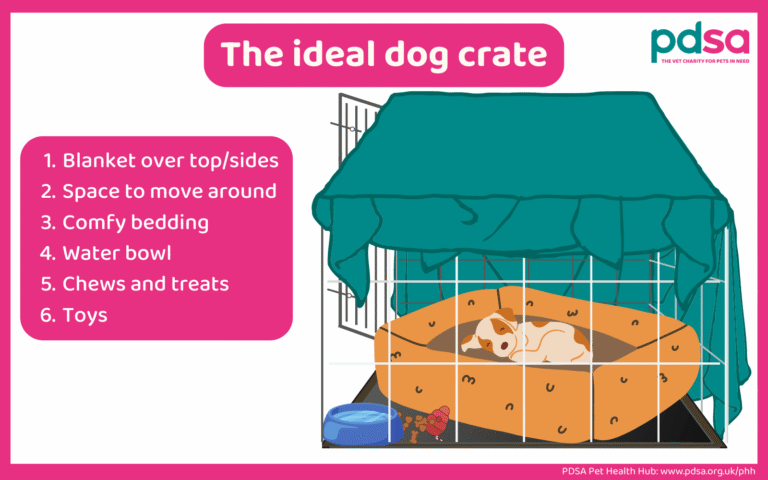
A crate should not be used as a place of anger. The crate should feel safe and restful. If you use it for every mistake, your puppy may begin to fear it.
In many cases, removing attention works better than removing the puppy. Turn away from jumping, stop the game after hard biting, and reward calm behavior. This teaches the puppy that good choices keep the fun going.
The best answer to how to discipline a puppy is often prevention. If the puppy cannot practice the unwanted behavior, you have fewer problems to correct.
Build a Daily Training Routine
Short sessions help puppies learn without becoming tired or frustrated. Aim for several sessions of one to five minutes. You can train during meals, walks, play, and normal home life.
Practice useful skills such as:
• Name recognition
• Sit
• Down
• Come
• Leave it
• Drop it
• Wait
• Loose-leash walking
• Calm settling on a mat
Use high-value rewards for hard tasks. A tiny piece of cooked chicken may work better than a dry biscuit near distractions. Keep treats small so they do not replace balanced meals.
A sample routine may look like this:
• Morning: potty break, breakfast, name game, nap
• Midday: potty break, short walk, chew toy, rest
• Afternoon: handling practice, basic cues, quiet play
• Evening: potty break, family time, calm settling, final potty trip
Puppies need socialization too. Safe exposure to people, sounds, surfaces, grooming, and friendly vaccinated dogs can build confidence. Socialization should be gradual and positive, not forced.
Prevent Problems With Exercise and Enrichment
A puppy needs both physical activity and mental work. Too little activity can lead to boredom. Too much high-impact activity may stress growing joints, especially in large breeds.
Ask your veterinarian about exercise that fits your puppy’s age, breed, health, and body structure. Avoid long forced runs and repeated jumping in young puppies unless a veterinary professional approves them.
Good enrichment options include:
• Sniff walks
• Food puzzles
• Scatter feeding in grass
• Short training games
• Safe chew toys
• Find-the-treat games
• Gentle tug with clear rules
• Resting on a mat while you read or work
Mental work can tire a puppy in a healthy way. Sniffing is like reading a newspaper for dogs. It gives useful information and can reduce the need for frantic behavior.
If your puppy is still hard to manage, review sleep, food, potty breaks, and the amount of stimulation. Behavior often improves when the daily rhythm improves.
Know When Behavior Needs Professional Help
Some behavior problems need more than basic puppy training. Seek help early if your puppy shows fear, freezes often, guards food, snaps, bites hard, or reacts strongly to people or dogs.
Start with your veterinarian. Pain, stomach problems, skin disease, poor vision, and other health issues can affect behavior. Your veterinarian can also refer you to a qualified behavior professional.
Look for trainers who:
• Use reward-based methods
• Explain what they are doing
• Welcome questions
• Avoid promises of instant results
• Do not rely on fear or pain
• Understand puppy development
A certified veterinary behaviorist can help with serious aggression, anxiety, and compulsive behavior. A qualified trainer can help with manners and daily skills. These roles are different, and both can be valuable.
Do not wait for a small concern to become a crisis. Early help is often easier, safer, and less expensive than correcting a long-standing fear pattern.
Common Puppy Discipline Mistakes to Avoid
Even caring owners make training mistakes. The good news is that most can be fixed.
Common errors include:
• Repeating a cue many times instead of helping the puppy succeed
• Rewarding jumping with attention
• Expecting a young puppy to hold urine too long
• Giving too much freedom too soon
• Using different rules from one family member to another
• Training only when the puppy is in trouble
• Forgetting to reward calm behavior
• Ignoring sleep and overstimulation
One lesson worth remembering is that calm behavior often goes unnoticed. Owners reward sitting, playing, and coming when called, but they forget to reward quiet rest. If you calmly praise your puppy for lying on a mat, that behavior becomes stronger.
Do not expect a straight line of progress. Puppies may perform well one day and struggle the next. Teething, growth, new places, poor sleep, and distractions can affect behavior. Stay consistent and adjust the task when needed.
Frequently Asked Questions About How to Discipline a Puppy
What is the best way to discipline a puppy?
The best way to discipline a puppy is to prevent unsafe behavior, redirect it, and reward a better choice. Use calm limits and reward-based training rather than fear or physical punishment.
How do you discipline a puppy after an accident?
If you see the accident happen, calmly take the puppy outside and reward outdoor potty behavior. If you find it later, clean it with an enzymatic cleaner and improve the potty schedule.
Should you yell at a puppy for biting?
No. Yelling can frighten a puppy and may increase excitement or defensive behavior. Stop the game, offer a toy, and reward gentle play.
Is putting a puppy in a crate for punishment okay?
The crate should be a safe resting place, not a punishment area. A short, calm separation behind a gate may stop rough play, but never use the crate in anger.
How long does it take to discipline a puppy?
Training time varies by age, breed, history, health, and consistency. Many puppies show progress within weeks, but reliable habits can take months of daily practice.
When should I hire a puppy trainer?
Hire a qualified trainer when you need help with basic skills, leash manners, fear, or repeated problem behavior. Contact your veterinarian and seek behavior support quickly for aggression, severe anxiety, guarding, or painful handling.
Conclusion
Good puppy discipline is calm teaching, not punishment. Set clear rules, manage the environment, reward the behavior you want, and remember that sleep, potty breaks, chewing, and socialization all shape behavior.
Your puppy is learning every day, and so are you. Focus on one skill at a time, celebrate small wins, and ask a veterinarian or qualified trainer for help when needed. Put these steps into practice today, and share your puppy training progress or questions in the comments.