How To Train A Puppy To Sit: Easy Training Guide
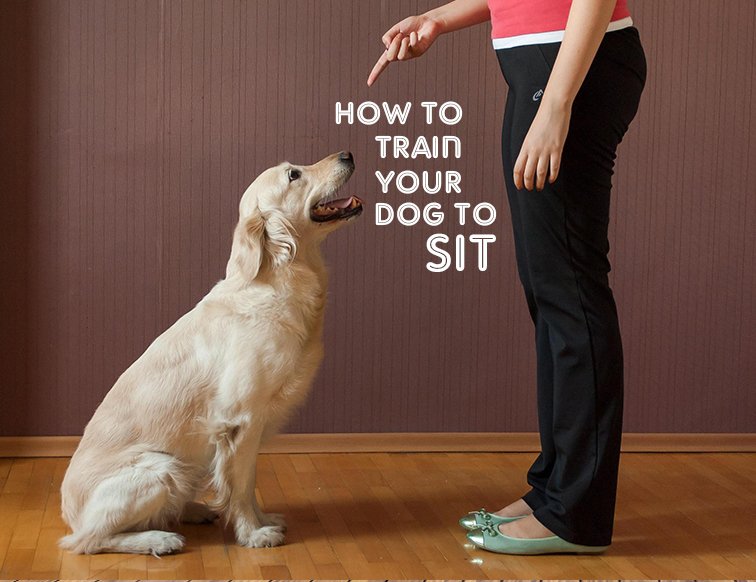
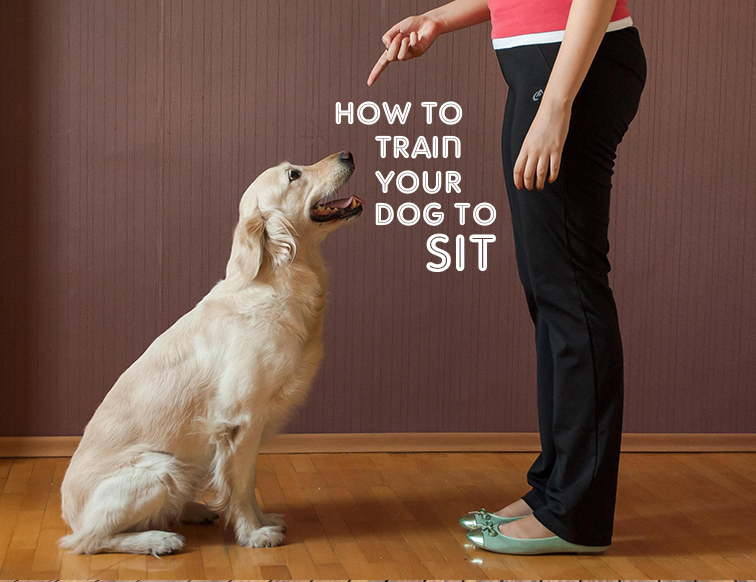
Use a small treat and a clear cue to guide your puppy’s nose up until its bottom touches the floor.
Learning how to train a puppy to sit is one of the best first steps in dog training. The cue is simple, but it teaches focus, self-control, and clear communication. With short sessions, kind rewards, and the right timing, even a young puppy can learn to sit without fear or force.
Why Teach a Puppy to Sit?
“Sit” is more than a cute trick. It gives your puppy a simple way to pause and listen. You can use it before meals, walks, car rides, greetings, and play.
A trained sit can also support safe behavior. For example, asking your puppy to sit before opening the front door can reduce jumping and rushing. It does not replace supervision, but it gives you a useful tool in busy moments.
The American Veterinary Society of Animal Behavior supports reward-based training. This approach rewards behavior you want instead of using pain, fear, or intimidation. Puppies learn best when training feels safe and clear.
Teaching sit can help your puppy:
• Build focus and attention
• Learn basic impulse control
• Understand verbal cues
• Gain confidence around people
• Create a strong bond with you
• Prepare for more advanced training
What You Need Before Training
You do not need special equipment to start. A quiet room, a few small treats, and five minutes are often enough.
Choose treats that your puppy loves but can eat quickly. Soft treats work well because your puppy does not need to stop and chew for a long time. You can also use part of your puppy’s daily food if your veterinarian says it is suitable.
Prepare these items:
• Small, soft treats
• A quiet training area
• A calm voice
• A marker word such as “yes”
• A reward your puppy enjoys
• A few minutes of free time
Train when your puppy is awake but not wild with energy. A puppy that is very hungry may focus well, while a tired or overstimulated puppy may struggle. Watch your puppy’s body language and stop before frustration starts.
Keep treats small. Too many treats can add extra calories and upset your puppy’s stomach. The American Kennel Club recommends adjusting meals when treats make up a regular part of training.

How to Train a Puppy to Sit Step by Step
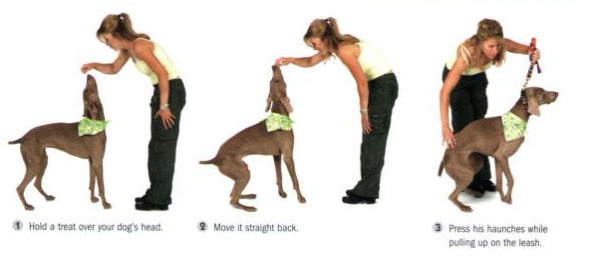
The easiest method uses a treat as a guide. This is called luring. The treat helps your puppy move into the position before you add the spoken cue.
Step 1: Get your puppy’s attention
Stand or sit near your puppy. Say the puppy’s name in a cheerful voice. When your puppy looks at you, mark the moment with “yes” and give a treat.
Do this several times. Your puppy should learn that looking at you brings good things.
Step 2: Hold the treat near the nose
Place a treat close to your puppy’s nose. Do not let your puppy grab it yet. Keep your hand still for a moment so your puppy can notice the smell.
Avoid holding the treat too high. If your hand is far above your puppy’s head, your puppy may jump instead of sit.
Step 3: Move the treat up and back
slowly move the treat from your puppy’s nose upward and slightly toward the back of the head. Most puppies will follow the treat with their eyes and nose.
As the head moves up, the bottom often moves down. Let the movement happen naturally. Do not push your puppy’s hips toward the floor.
Step 4: Mark the instant your puppy sits
The moment your puppy’s bottom touches the floor, say “yes” in a clear voice. Then give the treat right away.
Timing matters. The reward should come within about one second of the behavior when possible. This helps your puppy understand exactly what earned the treat.
Step 5: Add the word “sit”
After your puppy follows the hand motion several times, say “sit” just before moving the treat. Use the word once.
Say:
- “Sit.”
- Move the treat up and back.
- Mark the sit.
- Give the reward.
Do not repeat “sit, sit, sit” if your puppy does not respond. Repeating the cue can teach your puppy that the first word does not matter.
Step 6: Fade the treat from your hand
Once your puppy sits easily, use an empty hand with the same motion. When your puppy sits, mark the behavior and give a treat from your other hand.
This step teaches your puppy to follow the cue, not only the smell of food. Over time, make the hand motion smaller until your puppy responds to the spoken cue alone.
Step 7: Practice in new places
Start in a quiet room. Then practice in the kitchen, yard, driveway, or a calm park. Puppies do not always understand that “sit” means the same thing in every place.
Add distractions slowly. You can practice near a toy, a family member, or a quiet sound. If your puppy cannot respond, make the task easier again.

A Simple Puppy Sit Training Schedule
Short sessions work better than long lessons. A young puppy may learn more from three one-minute sessions than from one 15-minute session.
Try this plan:
• Morning: Practice five sits before breakfast
• Afternoon: Practice five sits in a quiet room
• Evening: Practice five sits before play or a walk
End each session with an easy success. You might ask for one final sit, give praise, and let your puppy relax.
A sample first-week plan may look like this:
| Day | Main goal |
|---|---|
| Day 1 | Reward attention and follow-the-treat movement |
| Day 2 | Mark and reward natural sits |
| Day 3 | Add the word “sit” before the hand motion |
| Day 4 | Use an empty hand motion |
| Day 5 | Practice before meals and play |
| Day 6 | Add mild distractions |
| Day 7 | Practice in one new location |
Some puppies learn the cue in a day. Others need several weeks. Age, breed, health, motivation, and past experiences all affect learning speed.

How to Use Rewards Correctly
Rewards are not bribes when they are used well. They are feedback. Your puppy learns, “That action made something good happen.”
At first, reward every correct sit. This helps your puppy understand the behavior. Later, you can slowly vary the rewards while still offering praise.
Useful rewards include:
• Small food treats
• Gentle praise
• A short game
• Access to a favorite toy
• Permission to go outside
• A chance to greet a friendly person
Reward placement also matters. Give the treat near your puppy’s mouth while the puppy is still sitting. If you toss the treat across the room, your puppy may stand before getting the reward.
Avoid waving treats constantly. Keep them in a pouch or behind your back when possible. This helps your puppy respond to your cue rather than stare at your hand.

Common Mistakes When Teaching Sit
Most training problems come from unclear timing or expectations. A few small changes can make the lesson much easier.
Pushing your puppy’s bottom down
Do not force your puppy into a sit. Physical pressure can cause fear, resistance, or discomfort. It also prevents your puppy from learning how to choose the behavior.
Guide the movement with a treat or wait for a natural sit. Reward the choice you want.
Training for too long
Puppies have short attention spans. Long sessions can lead to biting, barking, wandering, or frustration.
Stop while your puppy is still interested. Several short sessions are safer and more effective than one exhausting lesson.
Saying the cue too many times
If you say “sit” five times, your puppy may learn to wait for the fifth word. Say the cue once, then help your puppy succeed with a hand signal or treat lure.
Rewarding too slowly
A late reward may reinforce standing, turning, or jumping. Mark the exact moment your puppy’s bottom reaches the floor.
Practicing only at home
A puppy may sit perfectly in the living room and ignore the cue at the park. This does not mean your puppy is stubborn. It means the environment is harder.
Reduce distractions and build skills step by step.
Expecting perfect behavior
Puppies are not small adult dogs. They are still learning how to control their bodies and emotions. Accidents and mistakes are part of the process.

How to Train a Puppy to Sit Without Treats
Food rewards are useful at the start, but your puppy should not need to see a treat every time. The goal is to move from a visible lure to a verbal cue and then use rewards in a flexible way.
Follow this progression:
- Show the treat and guide the sit.
- Use the same hand motion with an empty hand.
- Add the verbal cue before the hand signal.
- Use the verbal cue without the hand signal.
- Reward with praise, play, access, or occasional food.
Do not remove rewards too quickly. If your puppy stops responding, return to a higher reward rate for a while.
Real-life rewards can be powerful. Ask your puppy to sit before you place down the food bowl. Ask for a sit before opening the door. This teaches your puppy that calm behavior makes good things happen.
Teaching Sit Around Distractions
Distractions make training harder because your puppy must divide attention between you and the environment. Increase difficulty one step at a time.
Start with mild distractions, such as:
• A toy placed several feet away
• A person sitting quietly
• A low television sound
• A different room
• A calm outdoor area
Stand close to your puppy. Use a high-value reward, such as tiny pieces of cooked chicken, if your veterinarian approves. When your puppy succeeds, mark and reward quickly.
If your puppy ignores you, do not scold. Move farther from the distraction or return to an easier location. A failed response is useful information. It shows that the current challenge is too hard.
I once watched a young puppy lose focus as soon as a family member entered the room. The mistake was not the puppy’s. The distraction had been added too quickly. Moving back to a quiet corner and rewarding small moments of attention solved the problem.

Using Sit in Everyday Life
Training becomes stronger when it fits normal routines. You do not need to set aside every lesson as a formal class.
Ask for a sit:
• Before putting on a leash
• Before opening the front door
• Before placing down a food bowl
• Before tossing a toy
• Before greeting a visitor
• Before getting out of the car
• Before crossing a quiet driveway
Make sure your puppy can perform the cue in that setting. Do not use sit as a test when your puppy is frightened, overly excited, or unsafe.
A sit should not become a way to trap your puppy. After your puppy responds, allow movement and play. Good training includes both self-control and freedom.

What to Do If Your Puppy Will Not Sit
Some puppies do not sit because they are distracted, uncomfortable, confused, or not motivated by the reward. Look at the full situation before deciding that your puppy is being difficult.
Try these adjustments:
• Move to a quiet area
• Use a better reward
• Make the hand motion slower
• Practice when your puppy is calm
• Check that the floor is not slippery
• Keep the session under five minutes
• Reward any small step toward the behavior
Some dogs may avoid sitting because of pain in the hips, knees, back, or paws. If your puppy suddenly stops sitting, cries, moves stiffly, or shows other signs of pain, contact a veterinarian.
A puppy that growls, snaps, freezes, or panics during training needs support, not punishment. A qualified reward-based trainer or veterinary behavior professional can help you create a safe plan.
When to Get Professional Training Help
Most families can teach a basic sit at home. Professional help is useful when behavior problems continue or when training feels stressful.
Consider working with a qualified professional if your puppy:
• Shows fear around people or other dogs
• Guards food or toys
• Bites hard or often
• Cannot focus in any setting
• Becomes aggressive
• Shows signs of pain
• Has no progress after careful practice
Look for trainers who explain their methods clearly and use rewards. Be cautious of professionals who rely on fear, physical corrections, shock, or claims that every puppy needs the same approach.
Veterinary behavior specialists can assess medical and emotional causes. A trainer can help with skills and daily practice, while a veterinarian can check for health concerns.
Frequently Asked Questions About How to Train a Puppy to Sit
What is the easiest way to teach a puppy to sit?
Hold a small treat near your puppy’s nose, then move it up and slightly back. When your puppy’s bottom touches the floor, mark the behavior and give the treat.
How old should a puppy be before learning to sit?
You can begin simple reward-based training when your puppy comes home, often around eight weeks of age. Keep sessions short, gentle, and suited to your puppy’s attention span.
How long does it take to train a puppy to sit?
Some puppies learn the basic movement in one or two sessions, while others need several weeks. Daily practice, clear timing, and low distractions usually speed up learning.
Should I push my puppy’s bottom down?
No. Pushing can create fear or discomfort and does not teach your puppy how to respond to the cue. Use a treat lure, hand signal, and reward instead.
Why does my puppy sit at home but not outside?
Outdoor spaces contain more sounds, smells, movement, and people. Practice in small steps, use better rewards, and move farther from distractions until your puppy can focus.
Can I teach a puppy to sit without treats?
Yes, but treats often make the first lessons clearer. Once your puppy understands the cue, replace visible treats with praise, toys, play, access to desired activities, and occasional food rewards.
Conclusion
Learning how to train a puppy to sit starts with simple steps: guide the movement, mark the exact behavior, and reward at once. Keep sessions short, avoid force, and slowly practice in new places.
Your puppy does not need perfection. Your puppy needs patience, clear signals, and many small wins. Practice during daily routines, celebrate progress, and ask a veterinarian or reward-based trainer for help when needed. Keep building your skills with trusted training resources, and share your puppy’s progress with your community.