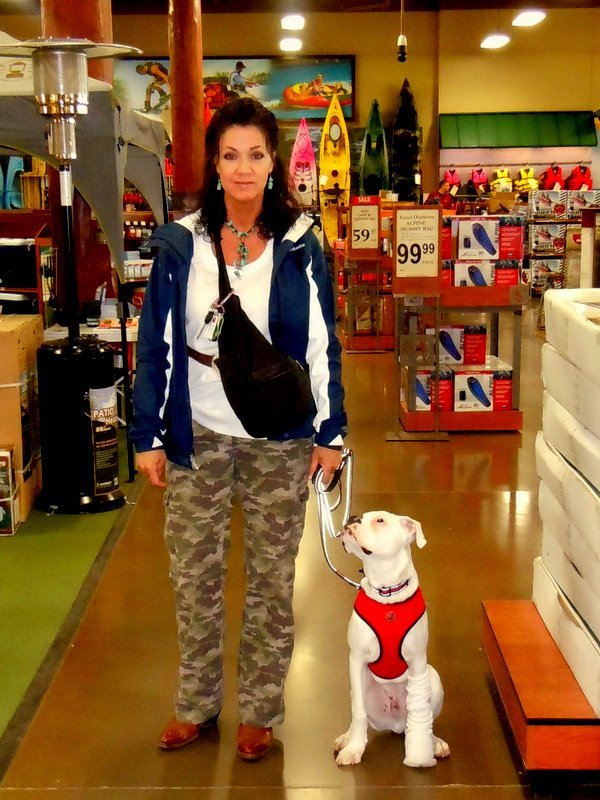
How To Train A Deaf Puppy: Easy Training Guide
Train a deaf puppy with clear hand signals, gentle touch cues, rewards, and strong safety habits built through daily practice.
Learning how to train a deaf puppy may feel unfamiliar at first, but the core idea is simple: replace spoken words with visual signals, touch, light, and rewards. With patience and a steady routine, a deaf puppy can learn manners, tricks, house rules, and safe recall just like a hearing dog. This guide explains practical training steps, common mistakes, useful tools, and ways to build trust without startling your puppy.
Understand your deaf puppy’s needs
Before you begin training, confirm that your puppy is deaf. Some puppies seem unresponsive because they are distracted, asleep, or dealing with an ear problem. A veterinarian can check hearing with a professional test, such as a brainstem auditory evoked response test.
Deafness does not mean your puppy has trouble learning. It only changes how information reaches the brain. Your puppy still learns through sight, touch, smell, movement, and consequences.
A deaf puppy may startle more easily when touched from behind. This is not stubbornness or aggression. It is a natural response to sudden contact. Always help your puppy notice you before reaching toward the body.
Use these basic habits from the first day:
• Approach where your puppy can see you.
• Turn on a light or gently tap the floor to get attention.
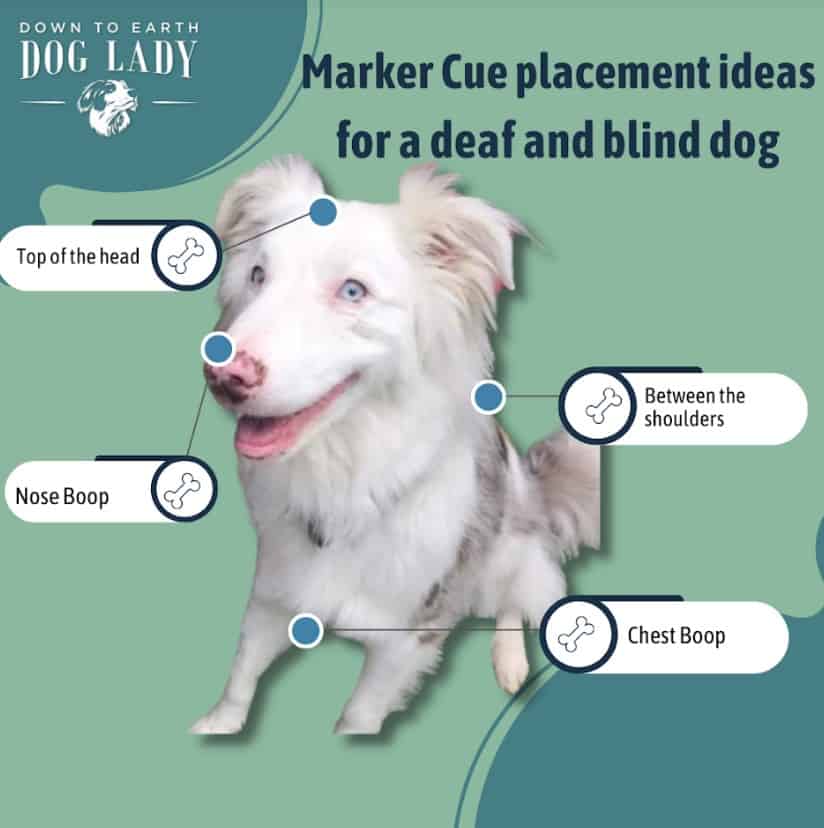
• Touch the shoulder or chest with care when needed.
• Reward calm behavior often.
• Keep doors, gates, and fences secure.
• Never allow off-leash time in an unfenced area.
Research and veterinary guidance support reward-based training for dogs. Punishment can create fear and confusion, especially when a dog cannot hear a warning or correction. A calm, clear plan works better.
Build a shared visual language
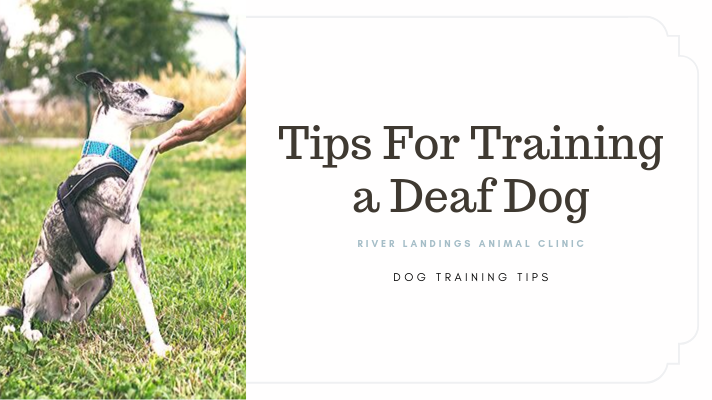
The most important step in how to train a deaf puppy is creating a small set of hand signals. Use one signal for each behavior, and keep it the same every time.
You do not need a large sign language vocabulary. Common signals may include:
• Open palm facing the puppy for “stay” or “stop”
• Pointing down for “sit”
• A sweeping hand toward your body for “come”
• A flat hand moving toward the floor for “down”
• A thumbs-up for “yes” or “good”
• An open hand followed by a release motion for “free”
Choose signals that are easy to see and hard to confuse. Make each movement distinct. A small finger twitch may be difficult for a young puppy to notice across a room.
You can also use formal American Sign Language signs if your family knows them. The exact sign matters less than consistency. Everyone in the home should use the same signal for the same behavior.
A marker signal can replace the spoken word “yes.” For example, show a thumbs-up the instant your puppy does the right thing. Follow it with a food reward. Over time, the puppy will understand that the signal predicts something good.
Avoid changing signals halfway through training. If “come” starts as a curled finger and later becomes a waving hand, your puppy must learn two systems instead of one.
Teach your puppy to look at you
attention is the foundation of how to train a deaf puppy. Your puppy must notice you before a hand signal can have meaning.
Begin in a quiet room. Wait for your puppy to glance at you. The moment your puppy looks in your direction, give the marker signal and offer a small treat. Repeat this many times.
If your puppy does not look up, use a gentle visual prompt. You might move a treat near your face, wave a hand within the puppy’s view, or briefly block the puppy’s path. Do not wave suddenly close to the eyes.
A flashlight can help in a dark room, but never shine it directly into your puppy’s eyes. A soft flick of the room light may work better. Some trainers also use a vibration collar, but it must be introduced carefully and used only as a gentle attention cue.
Follow these steps:
-
Create a safe, calm training space.
-
Wait for eye contact.
-
Show the marker signal.
-
Give a treat within one second.
-
Repeat for short sessions.
Practice for two to five minutes at a time. Several short sessions are more useful than one long session. Puppies learn best when training feels like a game, not a test.
 you”
style=”max-width: 100%; height: auto; border: 2px solid black; border-radius: 10px; display: block; margin: 0 auto;”
loading=”lazy”
/>
Teach basic cues with rewards
Once your puppy looks at you, pair each hand signal with a simple action. Reward the behavior right away. Timing matters because puppies connect the reward with the action that happened just before it.
To teach “sit,” hold a treat near your puppy’s nose and slowly move it up and back. As the puppy sits, give the marker signal and the treat. After several repetitions, add the hand signal before using the treat lure.
To teach “down,” move the treat from the puppy’s nose toward the floor. When the elbows touch the ground, mark and reward. Keep the lesson easy at first.
Important early cues include:
• Sit
• Down
• Stay
• Come
• Leave it
• Drop it
• Wait
• Go to bed
• Touch
The “touch” cue is especially useful. Present your open palm a few inches from your puppy’s nose. When the puppy bumps it, mark and reward. This cue can guide your puppy without pulling on a collar.
Use tiny treats to prevent overfeeding. You can also reward with a toy, a brief game, or access to something your puppy wants. Food is often the clearest early reward, but variety keeps training interesting.

Make recall a safety skill
Recall is one of the most important parts of how to train a deaf puppy. A deaf dog cannot hear you calling from across a yard, street, or park. You must create a strong visual or vibration-based recall cue.
Start indoors. Show the recall signal, such as sweeping your hand toward your chest. When your puppy moves toward you, mark and reward with several small treats. Make coming to you feel wonderful every time.
Next, practice in a fenced yard or with a long line attached to a secure harness. Never attach a long line to a neck collar if your puppy may run hard. A harness reduces pressure on the neck.
Avoid these common recall mistakes:
• Do not call your puppy only to end fun.
• Do not punish your puppy after it returns.
• Do not chase the puppy during a game.
• Do not practice near traffic before the cue is reliable.
• Do not assume a fenced yard makes every situation safe.
A deaf puppy may not notice cars, bicycles, wildlife, or another dog approaching. Secure fencing and supervision are essential. A collar tag that identifies the dog as deaf can also help if the puppy becomes lost.
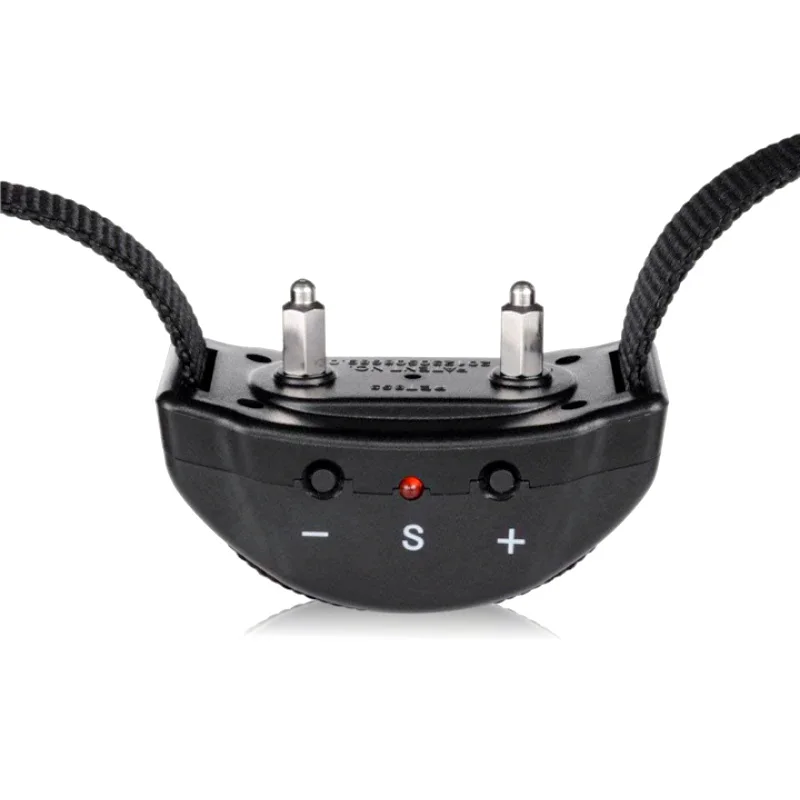
Some owners use a vibrating collar for recall. Choose a device with vibration only, not an automatic shock function. Introduce the vibration while your puppy is calm, pair it with treats, and stop if the puppy shows fear, freezing, or avoidance.

Prevent startling and build trust
A gentle approach is central to how to train a deaf puppy. Before touching your puppy, step into the puppy’s view or create a mild floor vibration. Touch the shoulder or side, not the face or tail.
Teach a “wake-up” routine. For example, turn on a nearby light, move into view, and offer a treat. Soon, the puppy will learn that your approach predicts something pleasant.
Children need special guidance. Ask them to:
• Approach from the front or side
• Avoid waking the puppy by grabbing
• Never climb on or hug the puppy without supervision
• Give the puppy space while eating or sleeping
• Use the same hand signals as adults
A sleeping puppy may still startle, even after months of training. Respect that limit. Trust grows when the puppy learns that people will not surprise or trap them.
Watch body language. Lip licking, yawning, turning away, tucked posture, freezing, and hiding can signal stress. If these signs appear, increase distance, lower the difficulty, and reward calm behavior.
Solve house training and daily manners
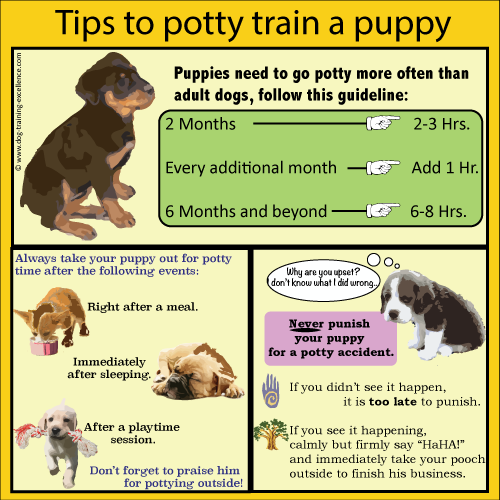
House training a deaf puppy follows the same basic process as house training a hearing puppy. Take the puppy outside after waking, eating, drinking, playing, and napping. Reward outdoor elimination right away with your marker signal and a treat.
Because your puppy cannot hear praise from another room, reward in person. Keep treats near the door or carry them during potty trips. A predictable schedule makes success easier.
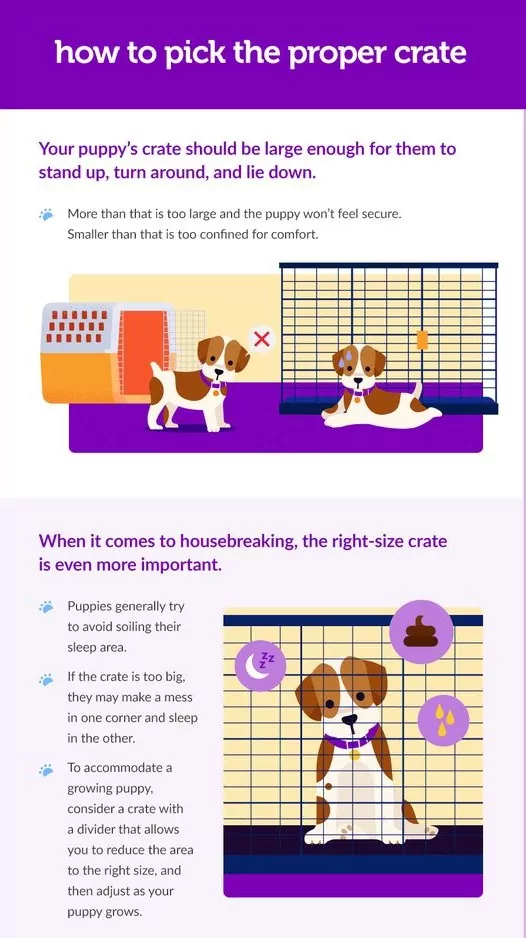
For crate training, use visual signals and calm routines. Point toward the crate, toss a treat inside, and reward your puppy for entering. Never use the crate as punishment.
Daily manners may include:
• Waiting at doors
• Walking beside you
• Keeping four paws on the floor
• Releasing toys
• Settling on a mat
• Ignoring dropped food
A visual “wait” signal can prevent door-dashing. Begin with one step toward the door. If your puppy stays, return, mark, and reward. Increase the distance slowly.
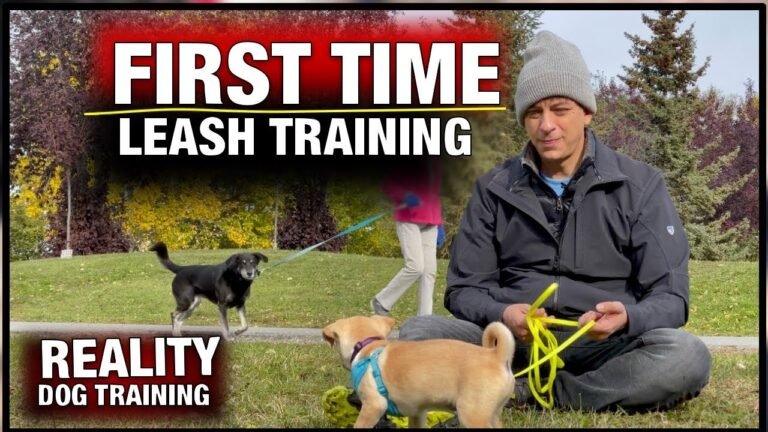
Leash training also needs visual communication. A deaf puppy may not notice verbal encouragement or warnings, so use frequent check-ins, hand signals, and rewards. Choose a well-fitted harness and inspect it often.

Use training tools safely
Helpful tools can make how to train a deaf puppy easier, but no device replaces supervision or a relationship.
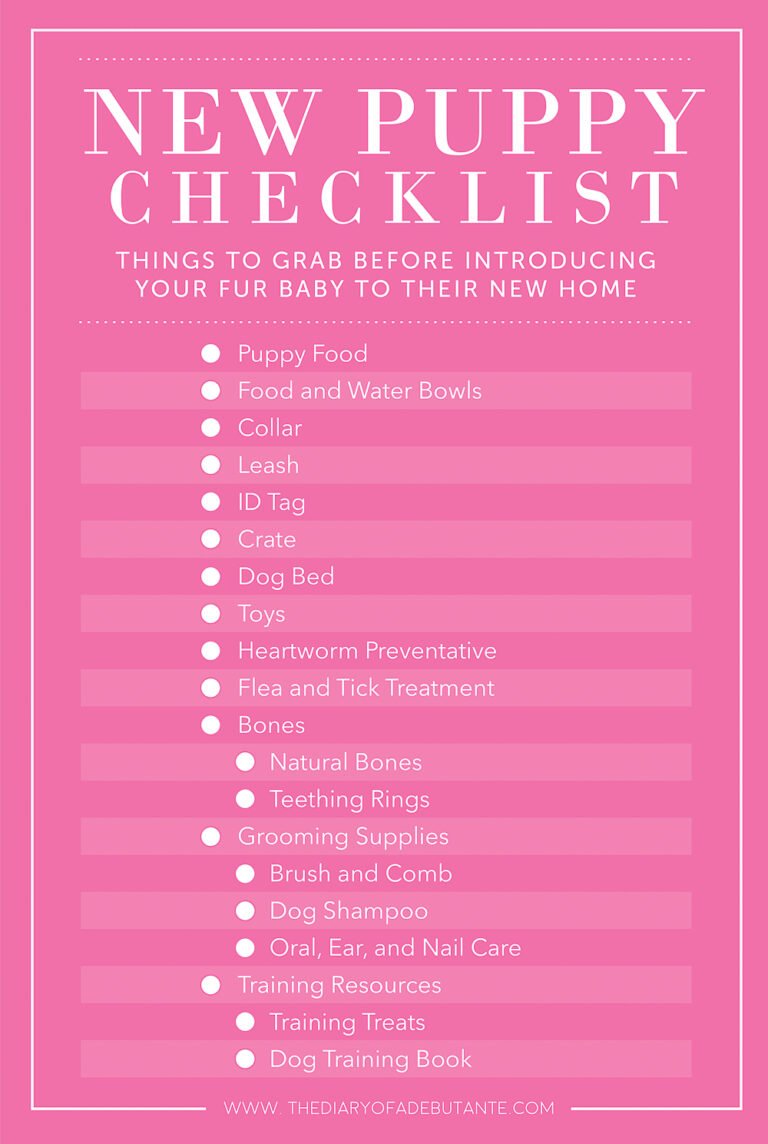
Useful items include:
• High-value, soft treats
• A well-fitted harness
• A standard leash
• A long line for safe outdoor practice
• A treat pouch
• A mat or portable bed
• A collar tag that says “deaf”
• Secure fencing
• A visual marker signal
A vibration collar may help some dogs, but it is not right for every puppy. It should never be used to punish, frighten, or force a response. Start at the lowest setting and pair the vibration with a reward.
Avoid shock collars and punishment-based methods. They can cause fear, avoidance, and confusion. Professional behavior groups and veterinary experts generally recommend reward-based training because it supports learning while protecting the human-animal bond.
Check the puppy’s ears and skin during routine veterinary visits. Some causes of hearing loss may involve ear disease, injury, medication effects, or inherited traits. A veterinarian can explain what is known about your puppy’s condition and future care.

Handle common training problems
Every puppy has difficult days. A deaf puppy may seem to ignore a signal when the real problem is distance, poor lighting, distraction, or an unclear gesture.
If your puppy stops responding, check the basics:
• Is the puppy looking at you?
• Is the signal easy to see?
• Is the room too dark?
• Is the distraction too strong?
• Is the reward valuable enough?
• Did you ask for too much too soon?
Lower the challenge instead of repeating the signal again and again. Repetition without a response can teach the puppy that the signal does not matter.
If your puppy startles at touch, slow down. Pair gentle contact with treats, and touch only for a moment. If fear grows, consult a certified professional dog trainer or a veterinary behaviorist.
One common mistake is expecting perfect behavior because the puppy has learned a cue at home. Dogs do not automatically generalize skills. Practice the same cue in the kitchen, yard, hallway, and quiet public places.
Another mistake is training only when something goes wrong. Daily practice keeps communication fresh. Two minutes of calm work can prevent many future problems.

Create a simple weekly training plan
A clear plan helps the whole family stay consistent. Keep sessions short and end while your puppy is still interested.
Try this sample schedule:
-
Monday: Name attention or eye contact, then sit.
-
Tuesday: Touch, down, and release.
-
Wednesday: Recall indoors with high-value treats.
-
Thursday: Leash focus in a quiet area.
-
Friday: Wait at a door and settle on a mat.
-
Saturday: Practice known signals in the yard.
-
Sunday: Review easy skills and enjoy a calm game.
Train one behavior at a time. Use three to five successful repetitions before taking a break. If the puppy makes repeated errors, simplify the task.
Keep a small record of what works. Note the signal, location, reward, and level of success. This can reveal patterns, such as better focus before meals or weaker responses in bright outdoor spaces.
Progress may look uneven. That is normal. A puppy can understand a signal at home yet struggle at a busy park. Build skill in small steps, and celebrate steady improvement.
Know when to seek professional help
Professional support is a wise choice when safety, fear, or aggression becomes a concern. Look for a certified reward-based trainer with experience working with deaf dogs. A veterinary behaviorist can help with serious anxiety, reactivity, or sudden behavior changes.
Ask a trainer about:
• Experience with deaf or hard-of-hearing dogs
• Reward-based methods
• Use of visual and touch cues
• Safety planning
• Family instruction
• References and credentials
Avoid anyone who promises instant results or relies on pain, intimidation, or shock. Good training should make the puppy feel safer and help the family communicate more clearly.
A professional can also help you decide whether a vibration collar is suitable. Some deaf dogs enjoy it as a gentle signal, while others find the sensation stressful. There is no single tool that fits every dog.
Remember that training advice has limits. Your puppy’s age, health, temperament, past experiences, vision, and home environment all affect progress. Individual guidance is best when a problem does not improve with calm, reward-based practice.
Frequently Asked Questions About How to Train a Deaf Puppy
Can a deaf puppy be trained successfully?
Yes. A deaf puppy can learn manners, tricks, house training, leash skills, and recall through visual signals, touch cues, rewards, and routine. Deafness changes the communication method, not the puppy’s ability to learn.
What commands should I teach a deaf puppy first?
Start with attention, sit, down, touch, stay, come, leave it, and release. Attention and recall are especially important because they support communication and safety.
How do I get a deaf puppy’s attention?
Move into the puppy’s view, gently tap the floor, turn a light on and off, or use a carefully introduced vibration cue. Avoid sudden touches from behind and never shine a flashlight directly into the puppy’s eyes.
Should I use a vibrating collar for a deaf puppy?
A vibration collar may help some dogs, but it is not essential and must be introduced slowly with rewards. Use vibration only as a gentle attention cue, never as punishment, and stop if your puppy shows fear or stress.
Can a deaf puppy learn to come when called?
Yes, but the puppy needs a visual or vibration-based recall signal. Practice indoors first, then use a fenced area or long line, and never allow off-leash access near traffic or other serious hazards.
Are deaf puppies more aggressive?
Deaf puppies are not naturally aggressive. They may startle when touched without warning, so approach from the front, teach a wake-up routine, and supervise children closely.
What is the best reward for a deaf puppy?
Small, tasty treats often work well, especially during early learning. Toys, play, petting, and access to safe activities can also reward behavior when the puppy enjoys them.
Conclusion
Learning how to train a deaf puppy is mainly about replacing sound with clear sight, touch, movement, and rewards. Begin with attention, teach a small set of consistent hand signals, practice recall in safe places, and protect your puppy from sudden surprises. Short sessions and steady routines will build both skill and trust.
Your puppy does not need to hear your voice to understand your care. Start with one signal today, reward every small success, and seek qualified help if training or safety becomes difficult. Explore more reward-based dog training resources, and share your experience with other deaf-dog families.