How To Introduce A Puppy To An Older Dog: Easy Steps
Introduce a puppy to an older dog slowly, safely, and with calm, supervised steps.
Bringing home a puppy can change your older dog’s daily life overnight. The best way to introduce a puppy to an older dog is to protect both pets’ space, use short meetings, and build trust over time. This guide explains the process, common mistakes, warning signs, and ways to help both dogs feel safe.
Why a Careful Introduction Matters
Older dogs often enjoy a steady routine. A playful puppy may bring joy, but it can also bring noise, nipping, chasing, and lost sleep. Even a kind older dog may become stressed when a puppy enters its home.
A slow introduction helps prevent fear and conflict. It also gives the puppy time to learn good manners. Think of the process like building a friendship. A calm first meeting is only the first brick.
When you introduce a puppy to an older dog, remember that age, health, breed, and past experience all matter. A senior dog with pain may have less patience. A shy puppy may need more time. There is no perfect schedule for every home.
Research in animal behavior supports gradual exposure and reward-based training. Punishment can increase fear and may make aggressive behavior worse. Reward calm behavior with treats, praise, toys, or space.

Prepare Your Home Before the Puppy Arrives
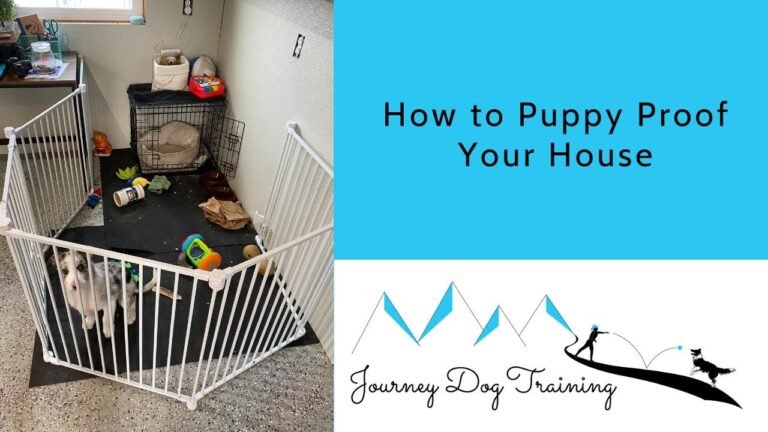
Good preparation makes the first days easier. Set up the puppy’s area before the meeting, so neither dog feels rushed.
Create separate spaces for eating, sleeping, and relaxing. Use baby gates, pens, or closed doors to give each dog a safe retreat. Your older dog should still have access to favorite areas, such as a bed, sofa, or quiet corner.
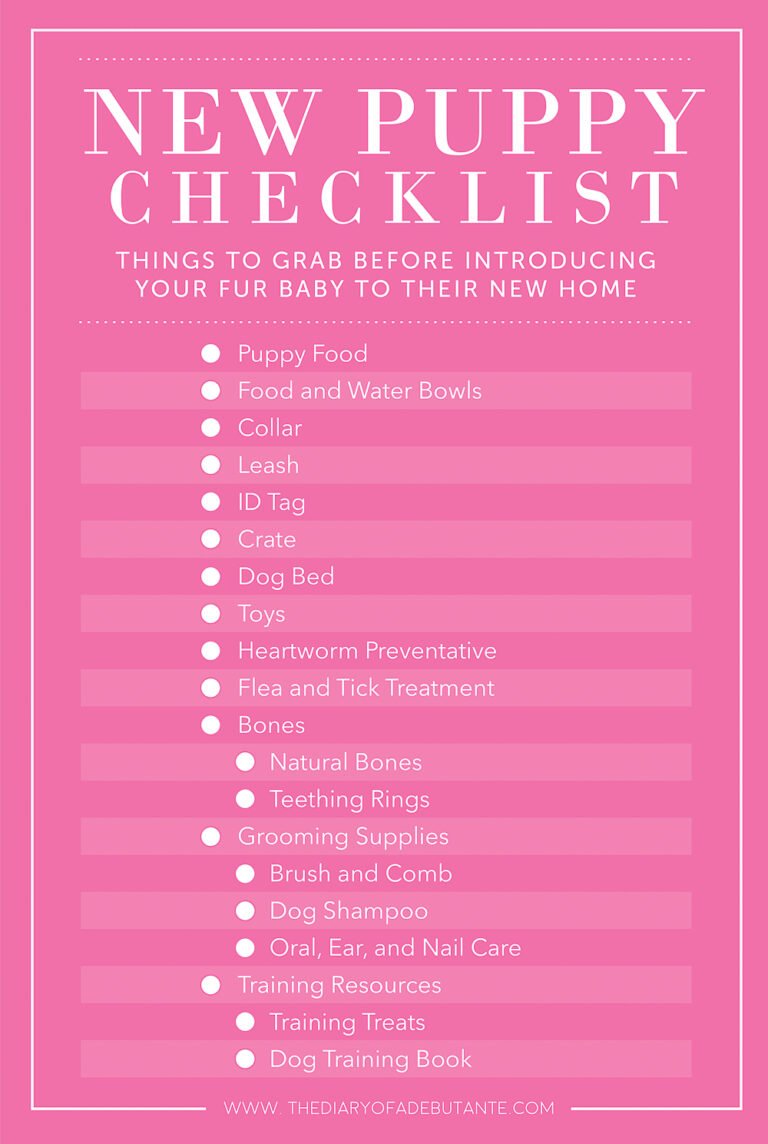
Before you introduce a puppy to an older dog, prepare these items:
• Two food and water stations
• Separate beds or crates
• A baby gate or puppy pen
• Several safe chew toys
• Small training treats
• A leash for each dog
• Enzyme cleaner for accidents
• Identification tags and updated microchip details
Remove high-value items at first. This includes bones, favorite toys, and food puzzles. You can bring them back later when both dogs are calm around each other.
Keep the older dog’s routine as normal as possible. Feed meals at the usual time. Continue walks and one-on-one attention. A familiar routine can help lower stress.
If your older dog has pain, hearing loss, vision loss, or a medical condition, schedule a veterinary checkup. Pain can make a dog react sharply to normal puppy behavior. Your veterinarian can also suggest behavior support when needed.

Choose a Safe First Meeting Place
The first meeting should happen in a neutral outdoor area. A quiet sidewalk, fenced yard, or calm park may work well. Avoid busy dog parks, narrow rooms, and places where either dog feels trapped.
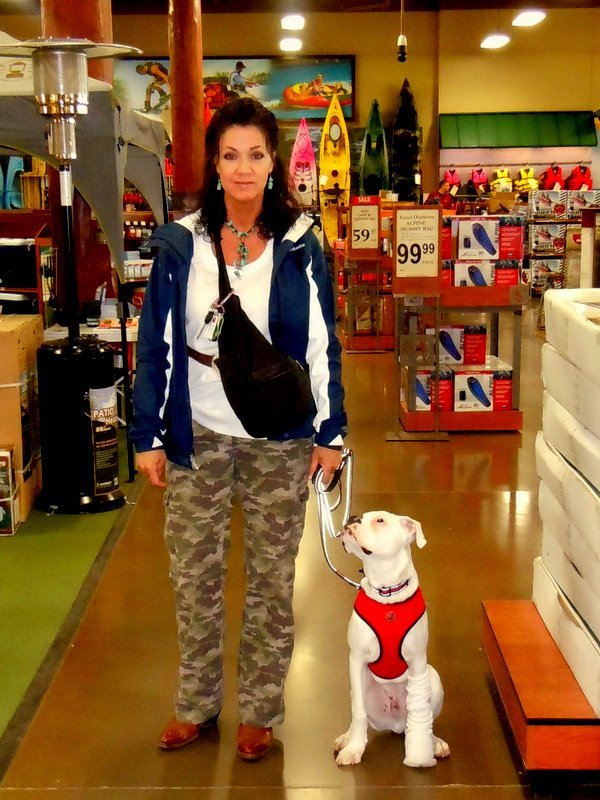
Ask another adult to handle one dog. Both dogs should wear secure harnesses or flat collars. Keep the leashes loose. A tight leash can make a dog feel trapped and may increase tension.
Before you introduce a puppy to an older dog, allow both dogs to walk and sniff separately. This helps them release some energy without forcing direct contact.
Use this simple process:
-
Start with the dogs far apart.
-
Reward each dog for looking at the other calmly.
-
Walk in the same direction, with plenty of space between them.
-
Slowly reduce the distance if both dogs stay relaxed.
-
Allow a brief sniff, then call the dogs apart.
-
Repeat several short greetings.
A good greeting may include a loose body, soft eyes, relaxed ears, and a gentle tail wag. Do not focus only on tail movement. Some dogs wag when excited or unsure. Watch the whole body.
End the meeting while it is still going well. A short success is better than a long greeting that becomes tense.

How to Introduce a Puppy to an Older Dog at Home
After the outdoor meeting, walk both dogs home together if possible. This creates a shared activity instead of making the puppy appear as an intruder.
Enter the home calmly. Keep both dogs on leashes for a short time, but avoid dragging or forcing them together. Let them explore the room while you watch their body language.
Use gates to create breaks. The puppy can rest in a pen while the older dog moves freely. Later, the older dog can rest while the puppy explores. This gives each dog control over distance.
Follow these steps during the first home visit:
• Keep the first indoor session short.
• Remove food bowls, bones, and prized toys.
• Reward calm looks and quiet behavior.
• Interrupt chasing before it becomes wild.
• Give the older dog a private rest area.
• Let the puppy nap often.
• Supervise every shared session.
Do not leave the puppy and older dog alone together at first. A friendly dog can still snap when tired or overwhelmed. Supervision is especially important around food, beds, toys, doorways, and small children.
If either dog becomes tense, calmly guide them apart. Do not yell. Give both dogs time to settle, then try a simpler activity later.

Read Dog Body Language
Learning body language is one of the most useful parts of learning how to introduce a puppy to an older dog. Dogs often communicate discomfort before they growl or snap.
Signs of comfort may include:
• Loose muscles
• Curved body movement
• Soft eyes
• Open mouth
• Normal breathing
• Play bows
• Brief sniffing followed by relaxed movement
Signs of stress may include:
• Lip licking
• Yawning when not tired
• Turning the head away
• Walking slowly or freezing
• Tucked tail
• Flattened ears
• Wide eyes
• Repeated hiding
A growl is important information. It means the dog needs more space. Never punish a growl. If you punish the warning, a dog may stop warning and move straight to a snap.
Watch for serious warning signs:
• Stiff, still posture
• Hard staring
• Raised hackles with tension
• Repeated lunging
• Snapping
• Chasing that does not stop
• Pinning or cornering
Separate the dogs safely if you see these signs. Avoid reaching between fighting dogs. Use a barrier, call one dog away with food, or ask a qualified behavior professional for help.

Manage the Puppy’s Energy and Manners
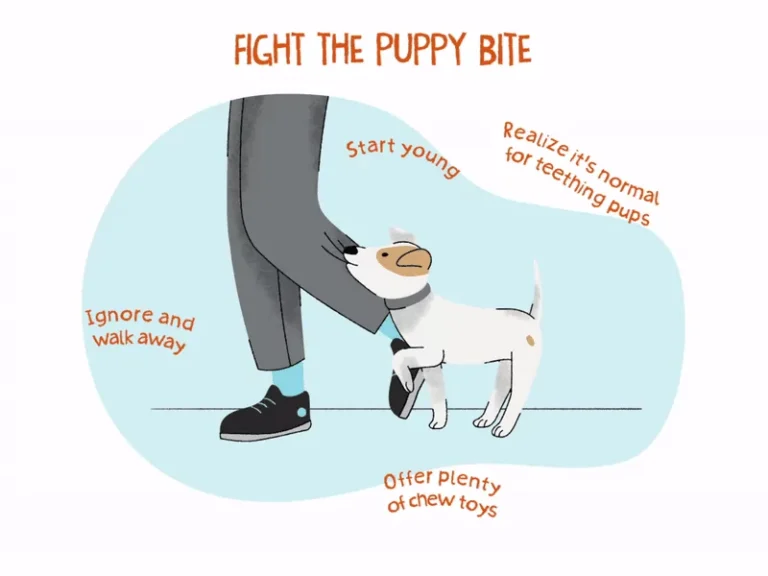
Puppies often play with their mouths. They may bite ears, jump on faces, steal beds, and chase tails. These actions are normal for a puppy, but they can annoy an older dog.
Do not expect the older dog to train the puppy alone. Your job is to teach the puppy polite behavior.
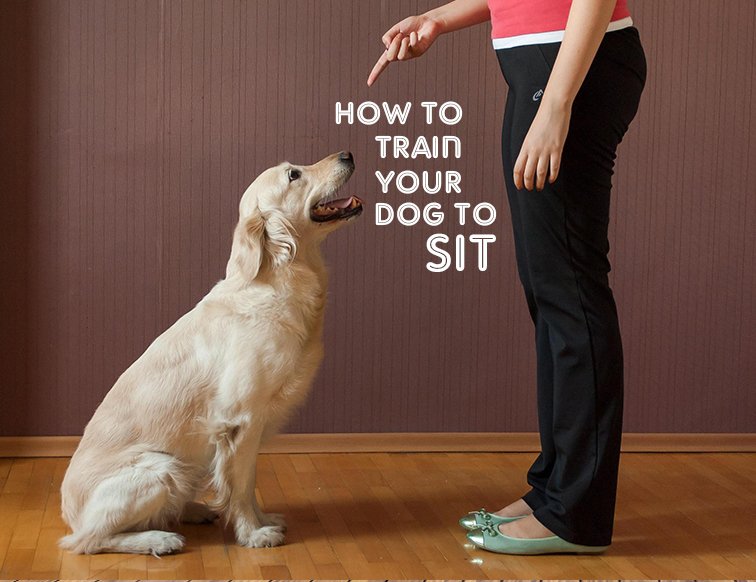
Use short training sessions throughout the day. Practice:
• Responding to its name
• Coming when called
• Sitting for attention
• Leaving the older dog alone
• Settling on a mat
• Trading objects for treats
• Walking calmly on a leash
Give the puppy naps in a crate or pen. Many puppies need 18 to 20 hours of sleep each day, although needs vary. An overtired puppy may act wild, bite more, and ignore every cue.
When you introduce a puppy to an older dog, manage play before it becomes too rough. Call the puppy away, reward the response, and offer a calm activity. Then allow another short play session if both dogs still look relaxed.
Your older dog may give a brief growl or air snap to set a boundary. That does not always mean a fight is coming. Still, step in if the puppy keeps bothering the dog or cannot move away.

Protect the Older Dog’s Health and Routine
An older dog needs more than physical safety. It also needs emotional security. Keep giving your dog quiet time, walks, affection, and individual training.
Never make the older dog share every resource. Feed dogs in separate rooms or behind a gate. Pick up bowls when meals end. Give chews only when dogs are separated.
Watch for changes in the older dog, such as:
• Sleeping much more or less
• Avoiding family members
• Hiding
• Loss of appetite
• Indoor accidents
• Excessive licking
• Irritability
• Reluctance to move
These signs may point to stress, pain, or illness. Contact your veterinarian if they continue. A behavior problem can sometimes have a medical cause.
One mistake I often see in new multi-dog homes is giving the puppy endless attention while the older dog waits nearby. Even a few minutes of daily one-on-one time can help the older dog feel valued.
Keep the older dog’s favorite rituals. If it enjoys a morning walk or evening cuddle, protect that time. The puppy can join later when it has learned better control.
Use Positive Reinforcement
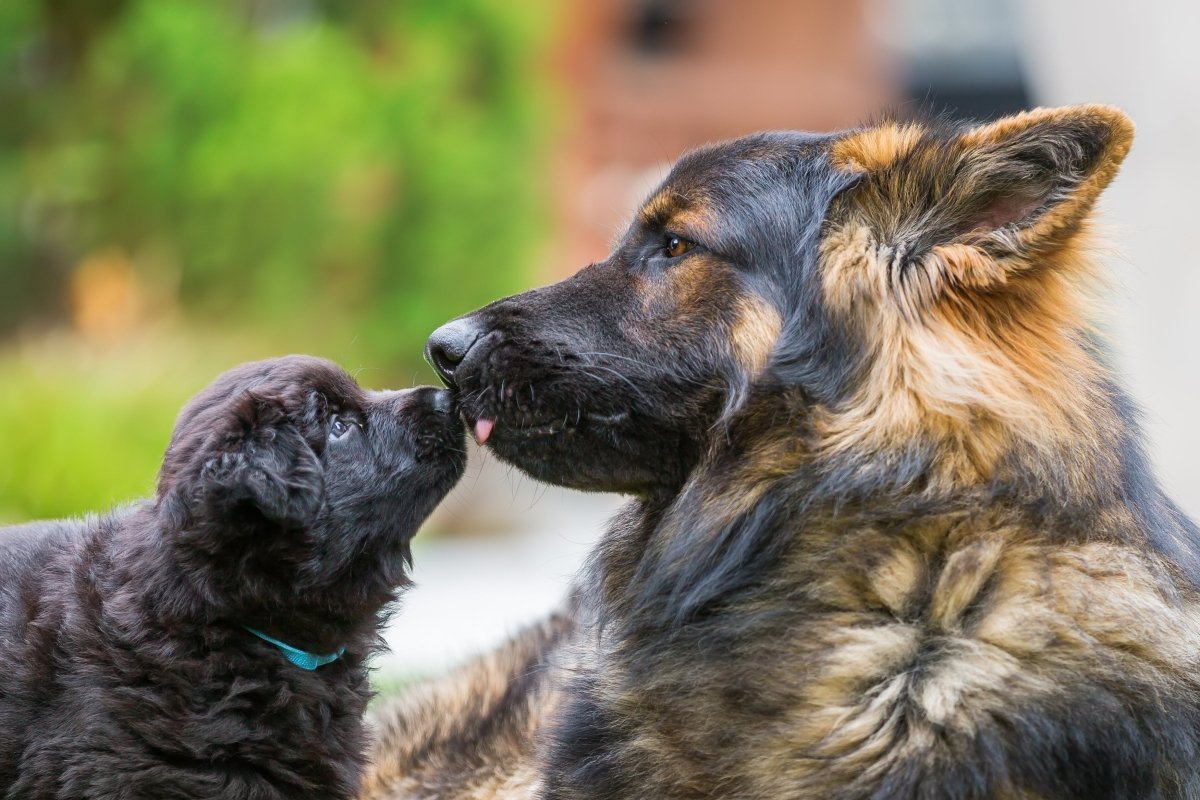
Positive reinforcement means rewarding behavior you want to see. If both dogs lie quietly in the same room, reward them. If the puppy looks at the older dog and then turns away, reward that choice.
Use small treats and calm praise. Deliver treats separately so the dogs do not crowd each other. You can also reward with a toy, a walk, or access to a favorite resting place.
A simple training plan may look like this:
-
Place the puppy behind a gate.
-
Let the older dog notice the puppy.
-
Give both dogs treats for calm behavior.
-
Stop before either dog becomes tense.
-
Repeat several times each day.
-
Slowly increase shared time.
Avoid punishment, forced contact, and “dominance” techniques. These methods can damage trust and may increase fear. Safe behavior plans focus on distance, choice, rewards, and clear management.
Keep sessions short. Five calm minutes can teach more than 30 minutes of chaos. Progress may move forward one day and slow down the next. That is normal.

Common Mistakes to Avoid
Even caring owners can rush the process. The most common mistake is assuming that a wagging tail means both dogs are ready for close contact.
Avoid these errors when you introduce a puppy to an older dog:
• Bringing the puppy straight into the older dog’s face
• Leaving them alone too soon
• Allowing the puppy to steal food or toys
• Expecting the older dog to tolerate nonstop play
• Punishing growling
• Forcing them to share a bed
• Ignoring small signs of stress
• Giving attention only to the puppy
• Introducing them during a loud party
• Using a dog park for the first meeting
Another mistake is measuring success by constant play. Peaceful rest in the same room is a major success. Dogs do not need to become inseparable. They only need to share life safely and comfortably.
Some pairings take days. Others take weeks or months. A senior dog may never enjoy puppy play, and that is acceptable. The goal is calm coexistence, not a perfect movie scene.
How Long Does It Take for Dogs to Adjust?
There is no fixed adjustment period. Some dogs relax after several days. Others need many weeks before they trust each other fully.
Age and temperament affect the timeline. A confident adult dog may accept a puppy quickly. A nervous senior dog may need slow exposure and more rest. Previous fights, poor social skills, or pain can also delay progress.
Use behavior as your guide. Move forward when both dogs can:
• Relax in the same space
• Eat without guarding
• Walk past each other calmly
• Respond to their names
• Rest without constant monitoring
Take a step back if either dog becomes tense, stops eating, hides, or begins guarding resources. Progress should feel steady, not forced.
If conflict continues, contact a certified veterinary behaviorist or a qualified reward-based trainer. Seek help quickly after a bite, repeated attack, or serious resource guarding. Early support often prevents a small problem from becoming a household crisis.
A Practical First-Week Plan
A simple schedule can help you stay consistent. Adjust it to fit your dogs and home.
Day one
Meet outdoors. Walk together. Keep the first indoor visit brief. Use gates and separate sleeping areas.
Days two and three
Allow several short, supervised sessions. Reward calm behavior. Keep meals and high-value items separate.
Days four through seven
Increase shared time if both dogs remain relaxed. Practice name response, recall, and settling. Continue regular breaks.
Every day should include private time for each dog. The puppy needs naps and training. The older dog needs quiet rest and familiar attention.
Do not rush because one meeting went well. Dogs can seem fine while tired, then react later. Slow progress protects the relationship.
Frequently Asked Questions About How to Introduce a Puppy to an Older Dog
Should I let my older dog growl at the puppy?
Yes, a growl is a warning that your older dog needs space. Calmly move the puppy away and give both dogs a break; never punish the growl.
How long should the first meeting last?
Keep the first greeting short, often just a few minutes. End it while both dogs remain relaxed, then repeat brief meetings later.
Should the puppy and older dog sleep together?
No, not at first. Use separate crates, pens, or rooms so each dog can rest safely and you can prevent nighttime problems.
What if my older dog ignores the puppy?
Ignoring the puppy can be a healthy response. Give the older dog space and reward calm behavior rather than forcing interaction.
When should I call a professional?
Contact a veterinarian or qualified behavior professional after a bite, repeated snapping, intense guarding, or ongoing fear. Help is also wise if either dog cannot relax, eat, sleep, or move freely.
Can my older dog hurt the puppy during play?
Any dog can hurt a puppy, even without meaning to. Supervise play closely, interrupt rough behavior early, and separate the dogs when excitement rises.
Conclusion
The safest way to introduce a puppy to an older dog is to move slowly, protect each dog’s space, and reward calm choices. Begin with a neutral outdoor meeting, use gates at home, separate food and rest areas, and supervise every interaction.
Your older dog does not need to love the puppy right away. Give both dogs time to learn each other’s signals and routines. With patience, structure, and kind training, many dogs learn to share a peaceful and happy home. Use these steps today, and consider speaking with your veterinarian or a qualified trainer if you need personal guidance.