How To Puppy Proof Your House: Complete Safety Guide
Puppy-proofing your house removes common dangers, protects your belongings, and gives your new dog a safe place to explore.
Bringing home a puppy is exciting, but young dogs learn about the world with their mouths, paws, and noses. Knowing how to puppy proof your house helps prevent choking, poisoning, burns, falls, and costly damage. This guide shares practical steps, expert safety advice, and simple lessons learned from real puppy homes.

Why Puppy-Proofing Your House Matters
Puppies are curious and quick. A quiet room can become risky in seconds when a puppy finds a loose cord, dropped pill, or small toy. Their small size also lets them reach spaces that adult dogs cannot.
The goal of puppy-proofing is not to remove all fun. It is to make the home safer while your puppy learns house rules. Think of it like childproofing, but with extra focus on chewing, climbing, digging, and squeezing through gaps.
Learning how to puppy proof your house before your dog arrives gives you time to spot hazards without pressure. It also helps your puppy settle into a clear routine from the first day.
Common risks include:
- Choking on small objects
- Chewing electrical cords
- Eating toxic plants or foods
- Falling from stairs, balconies, or furniture
- Getting trapped behind appliances
- Pulling down tablecloths or unstable objects
- Opening cabinets or trash cans
- Running through an open door
Veterinary safety guidance often stresses prevention because many household emergencies begin with items that seem harmless to people. A puppy does not know that a battery, sock, or cleaning product is dangerous.

Start With a Room-by-Room Safety Check
Before bringing your puppy home, walk through each room at puppy eye level. Get down on the floor and look under sofas, behind doors, and beneath cabinets. This view often reveals hazards that adults miss.
Make a simple list as you move through the home. Mark each item as remove, block, secure, or supervise. This turns puppy-proofing from a large task into a set of small steps.
Entryway and hallways
Entryways are high-risk areas because doors open often. A puppy can slip out before you have time to react.
- Keep keys, coins, sunglasses, and medication off low tables.
- Use a gate if the front door opens to a busy street.
- Store shoes in a closed cabinet.
- Check that door gaps are too small for a puppy’s head or paw.
- Place a leash and waste bags in one safe, easy-to-reach spot.
Shoelaces and leather shoes can look like chew toys. Store them away rather than expecting a young puppy to understand the difference.
Living room
The living room often has wires, remote controls, plants, candles, and soft items. Move anything tempting above your puppy’s reach.
- Cover or hide television and lamp cords.
- Secure tall bookshelves and televisions to the wall.
- Remove small decorations from coffee tables.
- Keep blankets and pillows free from loose threads.
- Move candles, matches, and essential oils to a closed cabinet.
- Use a sturdy basket with a lid for children’s toys.
A useful rule is simple: if it fits inside your puppy’s mouth, treat it as a possible choking risk.
Bedroom
Bedrooms contain many items that puppies enjoy stealing. Socks, hair ties, jewelry, and chargers can cause serious problems if swallowed.
- Keep laundry in a closed hamper.
- Store jewelry, watches, and hair accessories in drawers.
- Close closet doors.
- Move chargers away from the floor.
- Keep medications in a high, locked cabinet.
- Check under the bed for small objects.
Swallowed fabric can block the digestive tract. A sock may look soft, but it can become a medical emergency.
Bathroom
Bathrooms contain medicine, cosmetics, razors, and cleaning products. Keep the door shut when you cannot supervise your puppy.
- Close the toilet lid.
- Store toothpaste, soap, and cosmetics in cabinets.
- Keep razors and cotton swabs out of reach.
- Secure the bathroom trash can.
- Remove bath mats if your puppy chews fabric.
- Keep hair tools unplugged and cool before storing them.
Toilet water may contain cleaning chemicals. A closed lid is safer, especially if your puppy drinks from every available bowl.

Secure Electrical Cords and Small Objects
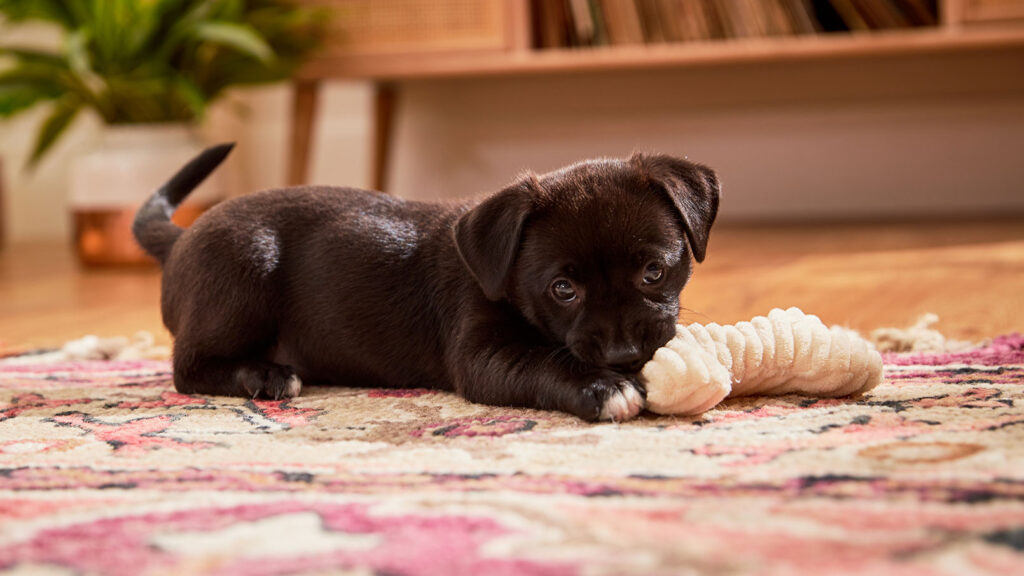
Chewing is normal puppy behavior. It helps puppies explore and may soothe sore gums during teething. The danger begins when chewing reaches electrical wires, batteries, sharp objects, or toxic materials.
Hide cords behind furniture or use cord covers made for pet safety. Unplug items when they are not in use. Pay special attention to phone chargers, holiday lights, heating pads, and laptop cables.
Do not rely only on bitter sprays. Some puppies dislike the taste, but others ignore it. Physical barriers are more dependable than a smell or flavor.
Remove these items from the floor:
- Coins
- Batteries
- Rubber bands
- Paper clips
- Plastic wrappers
- Sewing needles
- Small toy parts
- Earplugs
- Bottle caps
- Children’s building pieces
If your puppy grabs a dangerous item, stay calm. Do not chase, since chasing can turn the moment into a game. Offer a safe treat or toy, then trade for the object.
This trade game is one of the most useful parts of learning how to puppy proof your house. It protects your puppy while teaching a polite response.

Lock Away Food, Medicine, and Chemicals
Many common household items can harm dogs. A puppy may climb, push open a light cabinet door, or pull a bag from the counter. Use secure storage rather than assuming your puppy will not reach something.
Keep these items in high, closed, or locked storage:
- Human medications
- Vitamins and supplements
- Nicotine products
- Alcohol
- Cannabis products
- Cleaning sprays
- Laundry detergent pods
- Insect bait
- Fertilizer
- Paint and solvents
- Antifreeze
- Rodent poison
Food safety matters too. Chocolate, grapes, raisins, onions, garlic, xylitol, macadamia nuts, alcohol, and some fatty foods can cause serious illness in dogs. Keep food on counters only while you are actively using it.
Trash deserves special attention. A puppy may find cooked bones, coffee grounds, wrappers, or spoiled food inside. Use a can with a locking lid or place the trash behind a closed door.
If you think your puppy ate a toxic item, contact a veterinarian or a pet poison service at once. Do not make your puppy vomit unless a veterinary professional tells you to do so. The right response depends on the substance, amount, and time involved.
Check Houseplants and Garden Areas
Some plants are unsafe for dogs. A puppy may chew leaves, dig into soil, or drink water from a plant tray. Identify every plant in your home before your puppy arrives.
Move unknown plants out of reach until you confirm they are safe. Also remove fallen leaves and flowers from the floor. Plant labels can be unclear, so use a trusted veterinary or poison safety resource when checking a plant.
Pay attention to outdoor risks as well. In the yard:
- Check fences for gaps.
- Block access to pools and hot tubs.
- Remove mushrooms and fallen fruit.
- Store garden chemicals in a locked shed.
- Cover compost bins.
- Avoid toxic mulch.
- Check for sharp tools.
- Keep grills and fire pits fully cool.
- Inspect the ground for nails, glass, and wire.
A fence is helpful, but it is not a complete safety plan. Puppies can dig, climb, squeeze through small openings, and slip through gates that appear secure.
Supervise outdoor time until you know how your puppy behaves. A few minutes of sniffing can quickly become a race toward the driveway.
Make the Kitchen Puppy-Safe
The kitchen has heat, sharp tools, food, and many tempting smells. It deserves extra care when you plan how to puppy proof your house.
Use childproof latches on lower cabinets if your puppy can open them. Keep knives, scissors, skewers, and food scraps away from the counter edge. Push appliance cords toward the wall and keep the dishwasher closed.
Hot surfaces and liquids can cause severe burns. Keep your puppy away from the oven, stove, toaster, slow cooker, and open dishwasher. A baby gate can create a safe boundary while you cook.
Watch for dropped food during meal preparation. Small pieces of onion, garlic, chocolate, or dough may fall without notice. Sweep or wipe the floor before allowing your puppy back into the kitchen.
Do not let your puppy chew plastic food wrappers. They can cause choking or digestive blockage. Store bags and packaging in a closed drawer or bin.
Protect Stairs, Windows, and Furniture
Falls are a common concern for small puppies. Their bodies may be brave before their balance and judgment are ready.
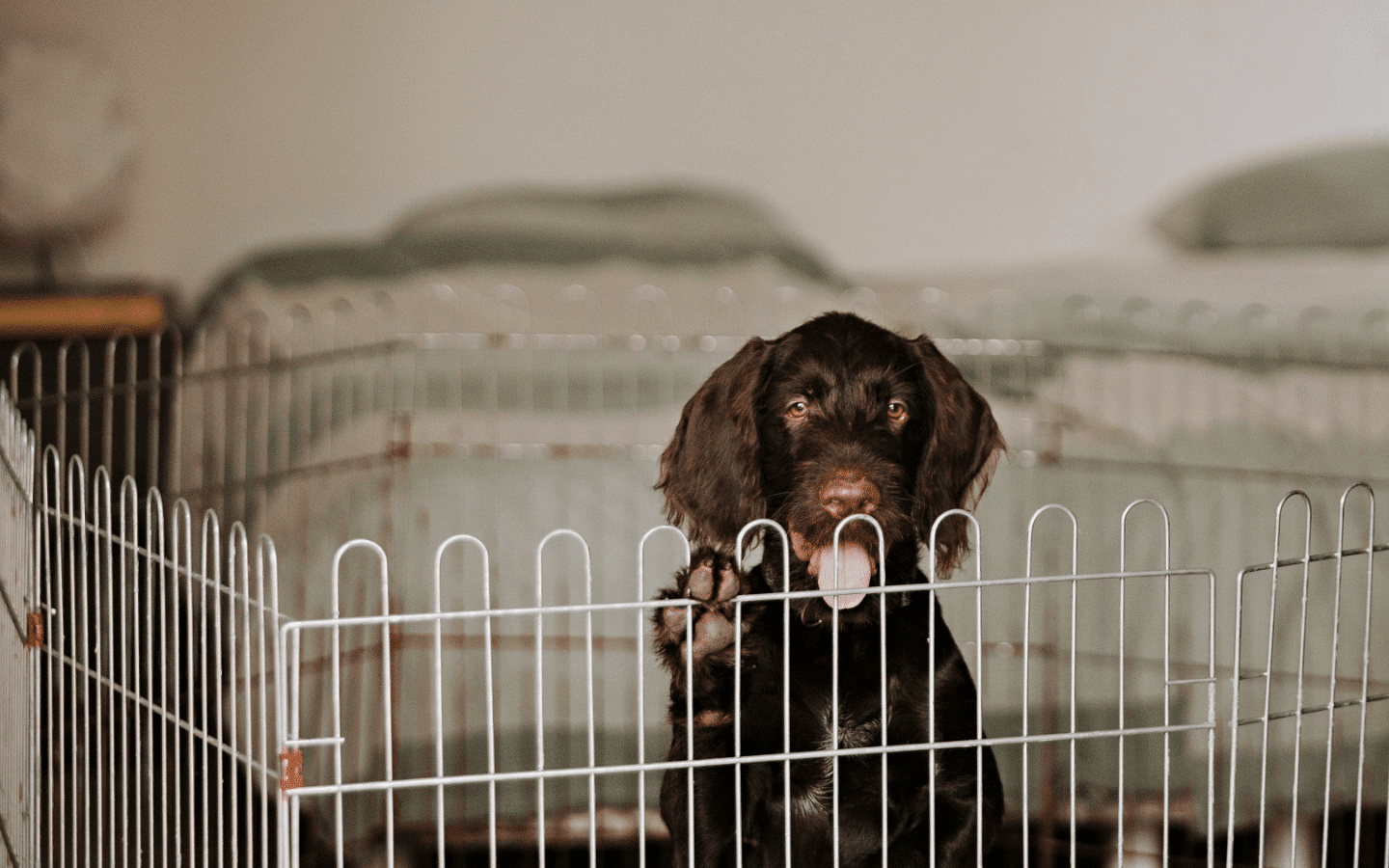
Place a secure gate at the top and bottom of stairs. Choose a gate that cannot be pushed over or opened by a curious nose. Avoid wide openings where a puppy’s head could become stuck.
Keep puppies away from open windows, balconies, and elevated decks. Screens are not strong barriers. A puppy can push through a loose screen or squeeze through a railing gap.
Secure unstable furniture to the wall. This includes bookcases, floor lamps, storage units, and televisions. Remove tablecloths that hang low because a puppy may pull the entire table’s contents down.
Many puppies also try to climb onto sofas and beds. If the furniture is high, use a ramp or block access until your puppy is larger. Jumping from a bed or couch can injure growing joints.

Set Up a Safe Puppy Zone
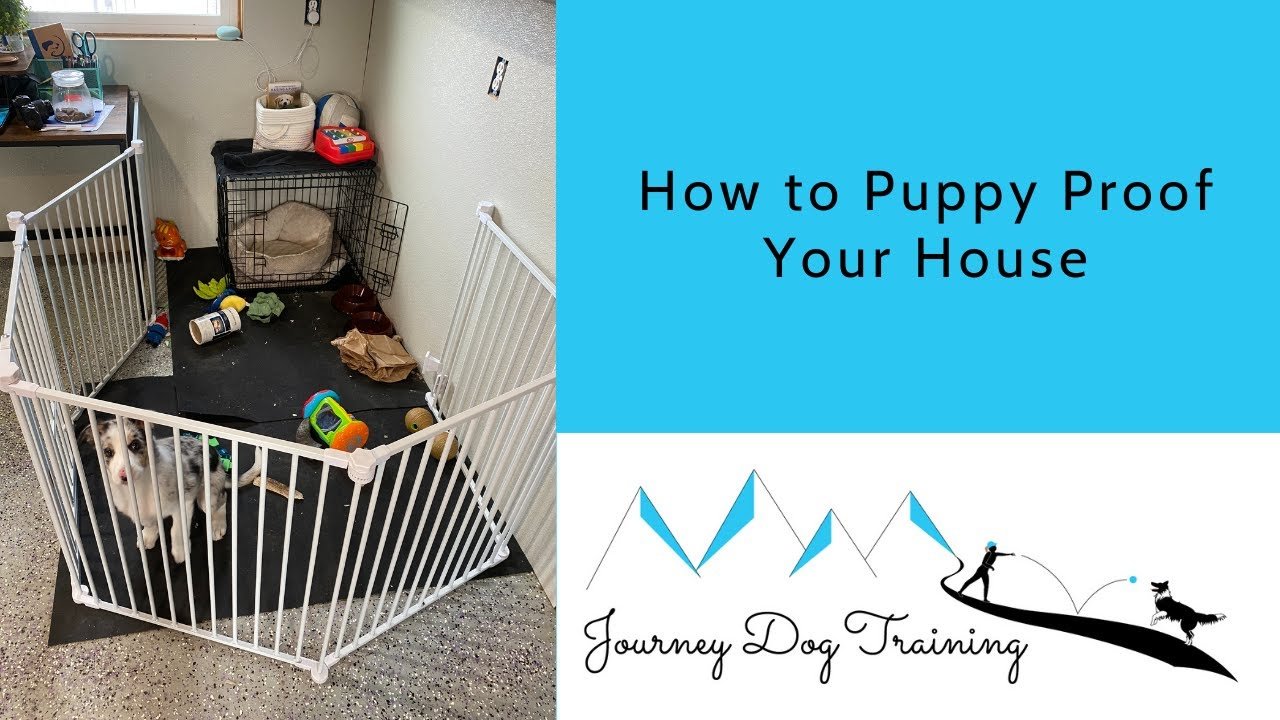
A safe puppy zone gives your dog a place to rest, chew, and settle. It also gives you a break when you need to cook, work, or answer the door.
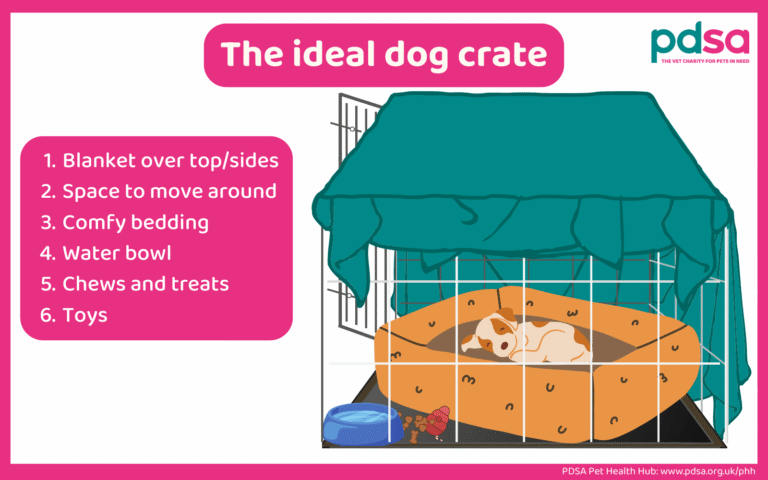
Choose a quiet area with easy-to-clean flooring. Use a crate, playpen, or gated room based on your puppy’s needs and your training plan.
Include:
- A comfortable bed or crate mat
- Fresh water in a stable bowl
- Safe chew toys
- A few simple enrichment toys
- A washable surface
- A clear path away from wires and furniture
Avoid placing the crate in direct sun, beside a heater, or in a busy walkway. Your puppy should feel included without being in the center of constant noise.
Never use the crate as punishment. It should feel like a safe bedroom, not a jail. Introduce it slowly with treats, meals, and calm rest.
A puppy zone is helpful, but it does not replace supervision. Puppies can still chew bedding, tip bowls, or find a gap in a playpen.
Choose Safe Toys and Chews
Not every item sold as a dog toy is right for every puppy. Select toys based on your dog’s size, age, chewing style, and strength.
A safe toy should be too large to swallow and strong enough to resist normal play. Check toys each day for cracks, loose parts, torn fabric, or missing pieces.
Replace a damaged toy at once. Do not wait for a small tear to become a swallowed piece.
Use care with:
- Rawhide products
- Toys with squeakers
- Rope toys
- Hard bones
- Antlers
- Small balls
- Plush toys with plastic eyes
Chews have benefits, but they also carry risks. Very hard items can damage teeth, while soft items may break apart. Ask your veterinarian which options fit your puppy’s size and chewing habits.
Supervise new toys at first. This is one of the practical lessons that makes how to puppy proof your house more effective: safety depends on both the object and the way your puppy uses it.
Manage Doors, Gates, and Daily Routines
Many puppies escape through doors because people move quickly and assume the dog will wait. Build a door routine from day one.
Before opening an outside door, place your puppy behind a gate, in a crate, or on a leash. Teach a simple wait cue when your puppy is calm. Practice with low pressure rather than testing the skill only during a busy delivery.
Use two barriers if your home opens directly to a road. For example, a baby gate inside and a secure exterior door create extra protection.
Ask everyone in the home to follow the same rules. Mixed habits can confuse a puppy. Children should learn to close doors, pick up small toys, and avoid leaving food on the floor.
Keep identification details current. A properly fitted collar tag and a registered microchip improve the chance of being reunited if your puppy escapes. A microchip is not a tracking device, so your contact information must stay updated.
Puppy-Proof When You Are Away
A puppy should not have full access to the home when alone. Start with a safe zone and slowly increase freedom as your dog proves ready.
Before leaving:
- Take your puppy outside for a bathroom break.
- Remove food, laundry, and small objects.
- Check that windows and doors are secure.
- Provide safe water.
- Leave an approved chew or food puzzle.
- Confirm that cords and plants are out of reach.
- Keep temperature and airflow comfortable.
Do not leave a collar with a buckle or dangling tag on a crated puppy unless your veterinarian recommends it. Collars can catch on crate parts.
Use a pet camera if it helps you learn what your puppy does alone. Watch for barking, pacing, chewing, drooling, or attempts to escape. These signs may point to stress, boredom, or separation-related problems.
Freedom should be earned in small steps. A calm puppy in one safe room may not yet be ready for the whole house.
Teach Safe Habits Alongside Puppy-Proofing
Physical barriers prevent many accidents, but training builds long-term safety. Teach your puppy what to do instead of only saying no.
Useful skills include:
- Leave it
- Drop it
- Wait
- Come
- Stay
- Go to your mat
- Gentle
- Trade
Reward good choices right away. If your puppy chooses a toy instead of a shoe, offer praise and a treat. This makes the safe choice feel rewarding.
Avoid yelling or physical punishment. Fear can make puppies hide objects, run away, or guard them. Calm training creates trust and makes future emergencies easier to manage.
One common mistake is giving too much freedom too soon. A puppy may behave well for several days, then begin teething and chew new items. Continue supervision through each growth stage.
How to puppy proof your house is not a one-time project. It is a habit that changes as your puppy grows, explores, and gains new skills.
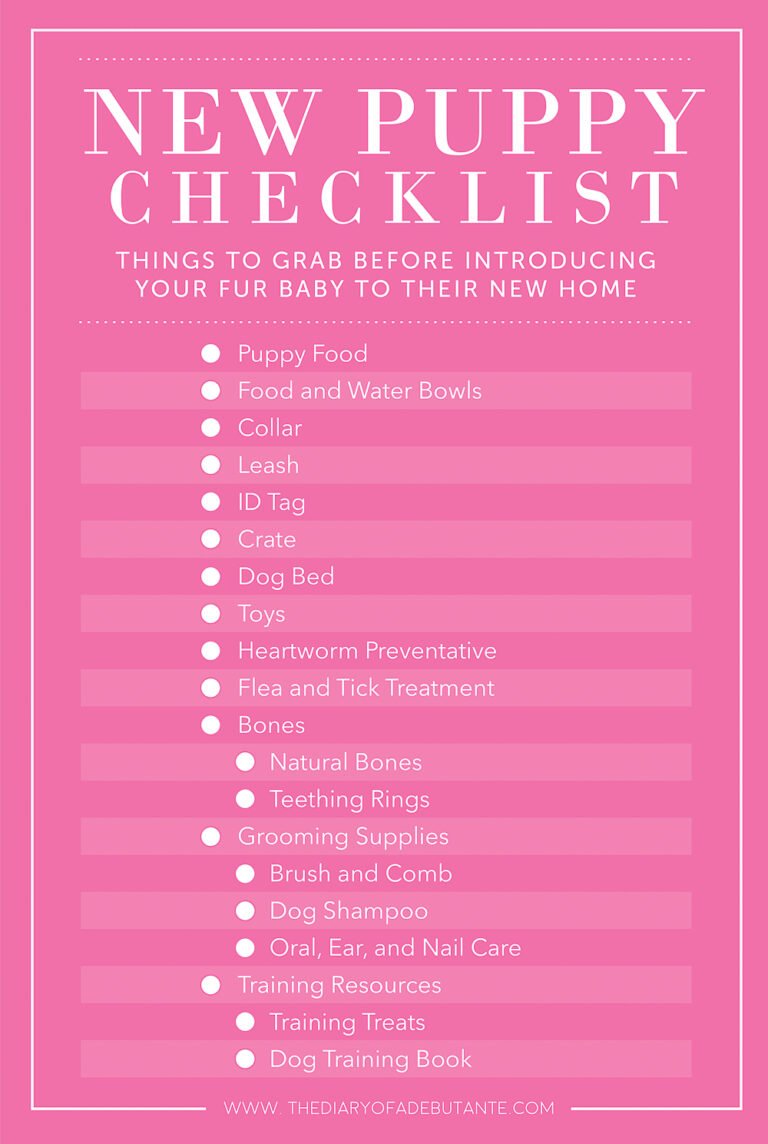
Create a Puppy-Proofing Checklist
Use this checklist before your puppy arrives and repeat it every few weeks.
Indoor checklist
- Hide electrical cords.
- Lock medicine and cleaning products away.
- Remove small objects from floors.
- Secure cabinets and trash cans.
- Move toxic plants.
- Block stairs and unsafe rooms.
- Secure tall furniture.
- Close windows and balcony doors.
- Store shoes and laundry.
- Keep food off low surfaces.
Outdoor checklist
- Inspect fences and gates.
- Cover pools and block water access.
- Remove toxic plants and mushrooms.
- Lock away chemicals and tools.
- Cover compost and trash.
- Check for sharp objects.
- Keep grills and fire pits secured.
- Inspect the yard before every play session.
Emergency checklist
- Save your veterinarian’s phone number.
- Know the nearest emergency clinic.
- Keep a pet first-aid kit.
- Store product labels for possible toxins.
- Learn your puppy’s weight.
- Keep a leash and carrier ready.
- Update microchip and tag details.
Review the checklist after visitors arrive, furniture changes, holidays, or home repairs. New objects create new risks.
Common Puppy-Proofing Mistakes to Avoid
Even careful owners can miss hidden hazards. These mistakes appear often in new puppy homes.
Relying on height alone
Some puppies climb shelves, push boxes, or jump onto furniture. Use closed storage and secure shelves instead of placing dangerous items slightly higher.
Leaving a puppy alone with a new toy
A toy that looks safe may break during the first play session. Watch how your puppy uses it before offering it without direct supervision.
Forgetting guest belongings
Visitors may leave medication, candy, earbuds, or small items on the floor. Ask guests to keep bags and personal items off the ground.
Using unsafe barriers
A weak gate can fall and frighten or injure a puppy. Check the gate each day and make sure there are no gaps where paws or heads can become trapped.
Giving too much space
A large home can overwhelm a young dog. Start with one or two safe areas, then expand access slowly.
Ignoring seasonal hazards
Holiday decorations, candles, gift wrap, plants, and electrical lights can create new dangers. Inspect the home before each celebration.
The best way to puppy proof your house is to combine prevention, supervision, training, and regular review. No single product can replace all four.
Frequently Asked Questions About How to Puppy Proof Your House
What should I puppy proof first?
Start with the rooms your puppy will use most, such as the kitchen, living room, and sleeping area. Remove small objects, hide cords, lock away chemicals, and block stairs or unsafe exits.
How long do I need to puppy proof my house?
Continue active puppy-proofing throughout the first year and during teething. You can slowly remove barriers as your dog shows reliable habits, but some risks, such as medication and toxic chemicals, should always stay secured.
Can I leave my puppy alone in the house?
Young puppies should stay in a secure crate, playpen, or puppy-proof room when alone. Increase freedom slowly after your puppy can rest calmly and avoid chewing unsafe items.
Are baby gates safe for puppies?
A sturdy, correctly fitted baby gate can be useful, but it must have safe spacing and strong locks. Check it often because puppies may climb, push, or chew the gate.
What household foods are dangerous for puppies?
Chocolate, grapes, raisins, onions, garlic, xylitol, alcohol, and some nuts can harm dogs. Keep all human food secured and contact a veterinarian quickly if your puppy eats something unsafe.
Should I use bitter spray to stop chewing?
Bitter spray may help with some surfaces, but it should not be your main safety method. Cover cords, remove tempting items, provide safe chews, and supervise your puppy.
What should I do if my puppy swallows something?
Call your veterinarian or an emergency animal clinic for guidance. Do not induce vomiting unless a veterinary professional specifically instructs you to do so.
Conclusion
Learning how to puppy proof your house protects your dog while creating a calmer home for everyone. Secure cords, food, medicine, plants, trash, stairs, windows, furniture, and outdoor spaces. Pair these steps with supervision, positive training, and a safe puppy zone.
Walk through your home at puppy eye level today and fix the easiest risks first. Then use the checklist again as your puppy grows and learns. For more practical pet safety guidance, explore trusted veterinary resources and share your own puppy-proofing lessons in the comments.