How To Train Puppy To Pee Outside: Easy Steps
Take your puppy outside on a steady schedule, reward success, and clean accidents without punishment.
Learning how to train a puppy to pee outside takes patience, timing, and a clear routine. Puppies are not being stubborn when they have accidents; they are still learning body control, location, and the habit you want. With kind guidance and daily practice, most puppies make steady progress.
How Long Does Puppy Potty Training Take?
Most puppies need several weeks to learn where to pee. Some learn in two to four weeks, while others need a few months. Age, breed, health, past living conditions, and your daily routine all affect the pace.
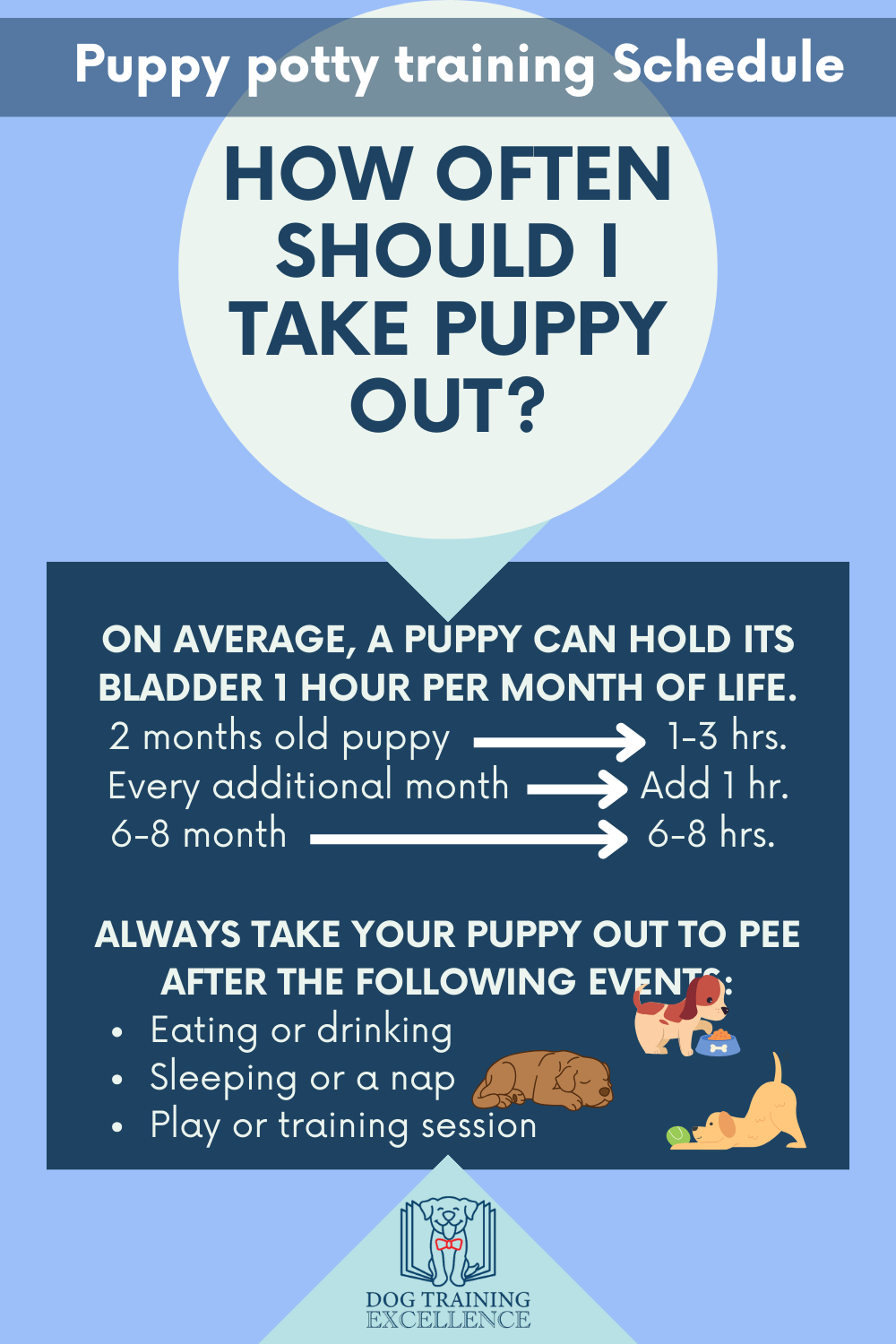
A young puppy has a small bladder and limited control. A useful guide is that a puppy may hold urine for about one hour for each month of age, plus one hour. This is only an estimate, not a rule.
For example, a three-month-old puppy may need to go every three to four hours during the day. Active play, meals, excitement, and drinking water can shorten that time.
When learning how to train a puppy to pee outside, focus on progress rather than perfection. A puppy who has three fewer accidents this week is moving in the right direction.

Prepare Your Home Before Training
Good preparation makes potty training easier for both you and your puppy. The goal is to prevent accidents, notice early signs, and make outdoor trips simple.
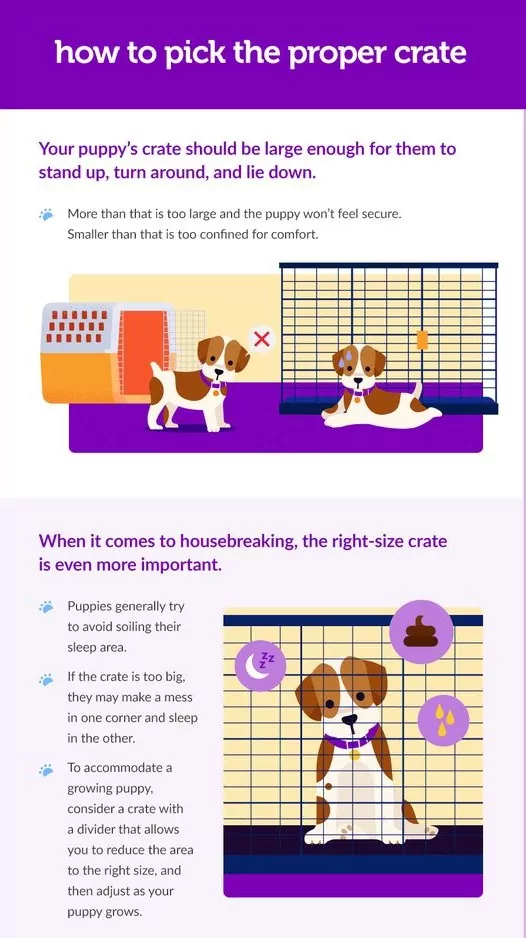
Set up a small, safe area where your puppy can rest. A crate, puppy pen, or gated room can help when you cannot watch your puppy closely. The space should be large enough to stand, turn, lie down, and stretch, but not so large that your puppy can sleep in one corner and pee in another.
Keep these items near the door:
• Small, soft treats
• A leash and collar or harness
• Waste bags
• Paper towels and an enzyme cleaner
• Shoes and a coat for cold or wet weather
Choose one outdoor potty spot if possible. The familiar smell can remind your puppy why you are outside. A quiet patch of grass often works better than a busy sidewalk at first.
An enzyme cleaner is important because regular soap may leave odor molecules behind. Your puppy may still smell the old urine even when the floor seems clean to you.
Build a Reliable Potty Schedule
A regular schedule is one of the most useful tools for house training. Take your puppy outside at predictable times instead of waiting for an accident.
Take your puppy out:
• As soon as your puppy wakes up
• After eating or drinking
• After a nap
• After play or training
• Before bedtime
• Every one to two hours during early training
• Whenever you notice signs of needing to go
Very young puppies may need trips every 30 to 60 minutes when awake. This can feel tiring, but frequent trips give your puppy many chances to succeed.
Use the same door and walk to the same potty area. Keep the trip calm and focused. Stand still, limit play, and give your puppy several minutes to sniff and choose a spot.
If your puppy does not pee, return indoors for 10 to 15 minutes. Keep your puppy beside you or in a safe pen, then try again. This prevents your puppy from peeing behind furniture immediately after coming inside.
A written log can help. Record meals, water, naps, outdoor trips, urination, and accidents. Patterns often appear within a few days.
Use a Clear Potty Cue
A simple verbal cue can help your puppy understand the purpose of the trip. Say a phrase such as “go potty” in a calm voice as your puppy begins to pee.
Do not repeat the cue many times before anything happens. Your puppy may learn that the words mean only “stand outside.” Say it once, then wait.
The moment your puppy finishes, praise warmly and give a small treat. Rewarding after the pee is complete helps your puppy connect the reward with the correct action.
You can also use a release phrase, such as “all done,” after the reward. Then allow a short sniff or play session. This teaches your puppy that peeing first makes outdoor time more enjoyable.
Timing matters more than excitement. Reward within one or two seconds when possible. A delayed treat may seem linked to sniffing, walking, or returning indoors.
Follow the Step-by-Step Training Method
A consistent method makes it easier to learn how to train a puppy to pee outside. Use these steps every day.
-
Watch your puppy closely. Look for sniffing, circling, pacing, sudden wandering, or walking toward a hidden corner.
-
Take your puppy outside quickly. Carry a small puppy if possible, especially when the door is far away.
-
Go to the same potty spot. Keep your puppy on a leash for safety and focus.
-
Say your potty cue once. Then wait quietly for a few minutes.
-
Reward outdoor urination right away. Use praise, a treat, or both.
-
Give a little play time after success. This prevents your puppy from learning that peeing ends all outdoor fun.
-
Return indoors and supervise. If your puppy did not pee, use close supervision and try again soon.
This process may feel repetitive. That is normal. Puppy training works through many small repetitions, much like teaching a child to wash hands or tie shoes.
One common mistake is staying outside for too long without a plan. If the puppy becomes distracted, returns indoors, and has an accident, the lesson becomes less clear. Short, calm trips usually work best.
Use Crate Training and Supervision Safely
Most puppies prefer not to soil their sleeping space. A properly sized crate can support house training, but it should never be used as punishment or for long periods without breaks.
Take your puppy outside immediately after coming out of the crate. Do not wait for signs of urgency. The transition from rest to movement often creates a strong need to urinate.
When your puppy is loose in the home, use one of three choices:
• Watch closely while your puppy stays near you
• Use a leash attached to you for short periods
• Place your puppy in a safe pen or crate for a brief rest
This approach limits mistakes without frightening your puppy. It also helps you learn your puppy’s signals.
Never leave a young puppy crated all day. Puppies need bathroom breaks, movement, play, social contact, and sleep. Long confinement may cause distress and can lead to accidents, especially when the puppy physically cannot hold urine.
A crate is a training aid, not a bathroom substitute. If your puppy regularly pees in the crate, the crate may be too large, breaks may be too infrequent, or a health problem may be present.

Handle Accidents Without Punishment
Accidents are part of learning how to train a puppy to pee outside. Respond calmly and focus on what you can change.
If you catch your puppy starting to pee indoors, make a gentle sound such as “outside,” then guide or carry the puppy outdoors. If your puppy finishes outside, reward that success.
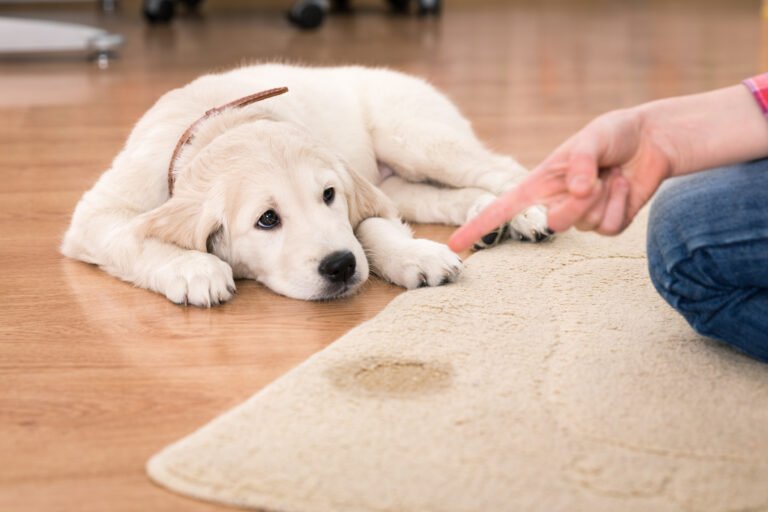
If you find an accident later, say nothing to the puppy. Clean the area thoroughly with an enzyme product. Punishing a puppy after the event does not teach the correct location because the puppy may not connect the punishment with the earlier action.
Avoid yelling, rubbing your puppy’s nose in the mess, or using physical punishment. These methods can create fear and may cause a puppy to hide when peeing. A fearful puppy can become harder to house train.
A useful question after an accident is, “What happened just before this?” Perhaps the puppy woke from a nap, drank water, played hard, or had too much freedom. The answer can help you adjust the next outing.
In many puppy training cases, the main issue is not defiance. It is missed timing.
Make Nighttime Potty Trips Easier
Night training can take longer because puppies sleep for several hours and have small bladders. Plan for nighttime trips based on age and your puppy’s recent success.
Take your puppy outside right before bed. Keep the lights low and the trip quiet. Do not turn it into a play session, or your puppy may learn to wake you for entertainment.
If your puppy wakes, whines, circles, or becomes restless, take the puppy outside. Keep the visit brief and return to bed after the puppy pees.
Some puppies need one or more nighttime breaks at first. As bladder control improves, they usually sleep for longer periods. Avoid removing water for long stretches without veterinary advice, especially in warm weather or for very young puppies.
A safe sleeping area near your bedroom can help you hear early signals. It can also make nighttime trips less stressful for both of you.
Adjust Training for Apartments and Bad Weather
You can learn how to train a puppy to pee outside even when you live in an apartment. The main challenge is reaching the outdoor spot before an accident happens.
Carry your puppy through hallways and elevators when possible. Keep a leash, treats, and clean-up supplies beside the door. Use the same outdoor location each time.
During rain, snow, or extreme heat, choose a sheltered potty area. A puppy may dislike wet grass at first, so reward even a short outdoor pee. In freezing weather, keep trips focused and protect small or short-haired puppies from cold.
Do not rely on indoor pee pads if your long-term goal is outdoor potty training. Pads can be useful in some homes, but they may slow the transition because they teach that peeing indoors is sometimes acceptable.
If you use a pad due to health, mobility, or apartment limits, place it near the exit and gradually move it closer to the door. Then begin taking your puppy outside after meals, naps, and play.
Understand Regression and Common Problems
Progress is rarely a straight line. A puppy may seem trained for several days and then have accidents again. This can happen after travel, visitors, schedule changes, illness, teething, fear, or too much freedom.
Return to the basics for a few days:
• Increase outdoor trips
• Reduce access to large areas of the home
• Reward every outdoor pee
• Clean old accident spots again
• Track meals, water, and bathroom times
Do not assume that a regression means training has failed. Puppies often need practice in new places because they do not automatically understand that the rule applies everywhere.
If your puppy pees very often, strains, cries while urinating, drinks much more than usual, has blood in the urine, or suddenly regresses after being reliable, contact a veterinarian. Urinary tract infections and other health problems can look like poor training.
A veterinarian should also evaluate ongoing accidents despite a careful routine. Medical issues, parasites, digestive disease, and anxiety may affect bathroom habits.
Learn From Real Training Mistakes
One mistake trainers often see is rewarding the puppy too late. A family may return home, remove the leash, and then give a treat. The puppy may connect the reward with coming indoors rather than peeing outside.
Another mistake is ending every outdoor trip immediately after success. Some puppies then hold their urine because they want to stay outside. Add a brief sniff or calm walk after the reward.
A third mistake is giving too much freedom too soon. A puppy who has succeeded for three days is not always ready to roam the whole house. Increase access one room at a time.
When helping families learn how to train a puppy to pee outside, the most helpful change is often simple: make the routine easier to follow. Put treats by the door, set reminders, and ask everyone in the home to use the same cue.
Consistency does not mean every day must be perfect. It means the puppy receives the same clear message most of the time.

How to Know Your Puppy Is Ready for More Freedom
Your puppy may be ready for more home access when accidents are rare, outdoor trips are successful, and your puppy begins asking to go out.
Signs may include:
• Sitting near the door
• Looking at you and then the exit
• Whining softly
• Walking in a small circle
• Sniffing near the door
• Waiting calmly after waking
Increase freedom slowly. Give access to one new room, then watch closely. If accidents return, reduce the space and add more scheduled trips.
Keep rewarding outdoor peeing even after your puppy seems trained. You can slowly reduce treats later, but praise should remain part of the routine for a while.
Remember that a puppy may understand the habit at home but still need help in a friend’s house, on vacation, or in a new yard. New places require fresh practice.

Frequently Asked Questions About How to Train a Puppy to Pee Outside
What is the fastest way to train a puppy to pee outside?
The fastest safe method is a strict schedule, close supervision, and immediate rewards for outdoor urination. Take the puppy out after sleep, meals, play, and drinking, while preventing unsupervised indoor wandering.
How often should I take my puppy outside to pee?
Very young puppies may need to go every 30 to 60 minutes while awake. Also take your puppy out after naps, meals, play, and before bed because these events often trigger urination.
Should I punish my puppy for peeing inside?
No. Punishment can create fear and may teach your puppy to hide while urinating. Interrupt accidents calmly, guide the puppy outside, reward success, and clean indoor areas with an enzyme cleaner.
How do I train my puppy to tell me it needs to go out?
Watch for signals such as sniffing, circling, pacing, whining, or standing near the door. Take your puppy outside at regular times and praise any attempt to alert you, such as sitting by the door or looking at you.
Why does my puppy pee inside after coming back from outside?
Your puppy may have been distracted, excited, or too uncomfortable to pee outdoors. Return inside only after a successful pee when possible, or supervise closely for 10 to 15 minutes and try again.
Can I use pee pads while training my puppy to go outside?
Pee pads can help in some homes, but they may slow outdoor training because they allow indoor urination. If you use them, place them near the exit and gradually shift the routine toward outdoor trips.
When should I call a veterinarian about potty accidents?
Call a veterinarian if your puppy strains, cries, urinates tiny amounts often, has blood in the urine, drinks much more than normal, or suddenly starts having frequent accidents. Ongoing problems can have medical causes, not just training causes.
Conclusion
Learning how to train a puppy to pee outside comes down to timing, supervision, repetition, and rewards. Take your puppy out often, use the same potty area and cue, praise success at once, and clean accidents without fear or anger.
Progress may come in small steps, but each successful trip builds a lasting habit. Start today by setting a simple schedule, placing treats near the door, and tracking your puppy’s bathroom pattern. For more practical puppy care tips, explore trusted veterinary and positive-reinforcement training resources, and share your experience with other new puppy owners.