How To House Train A Puppy Fast: Quick Potty Training Guide
You can house train a puppy fast with strict timing, close supervision, rewards, and a calm daily routine.
Learning how to house train a puppy fast is less about rushing and more about making the right behavior easy to repeat. Puppies have small bladders, limited self-control, and no natural understanding of human rules. With a clear plan, most families can see steady progress within days, although full reliability may take several weeks or months.
What to Expect When House Training a Puppy
House training teaches your puppy where to eliminate and where not to eliminate. It is not a single lesson. It is a daily habit built through timing, supervision, repetition, and rewards.
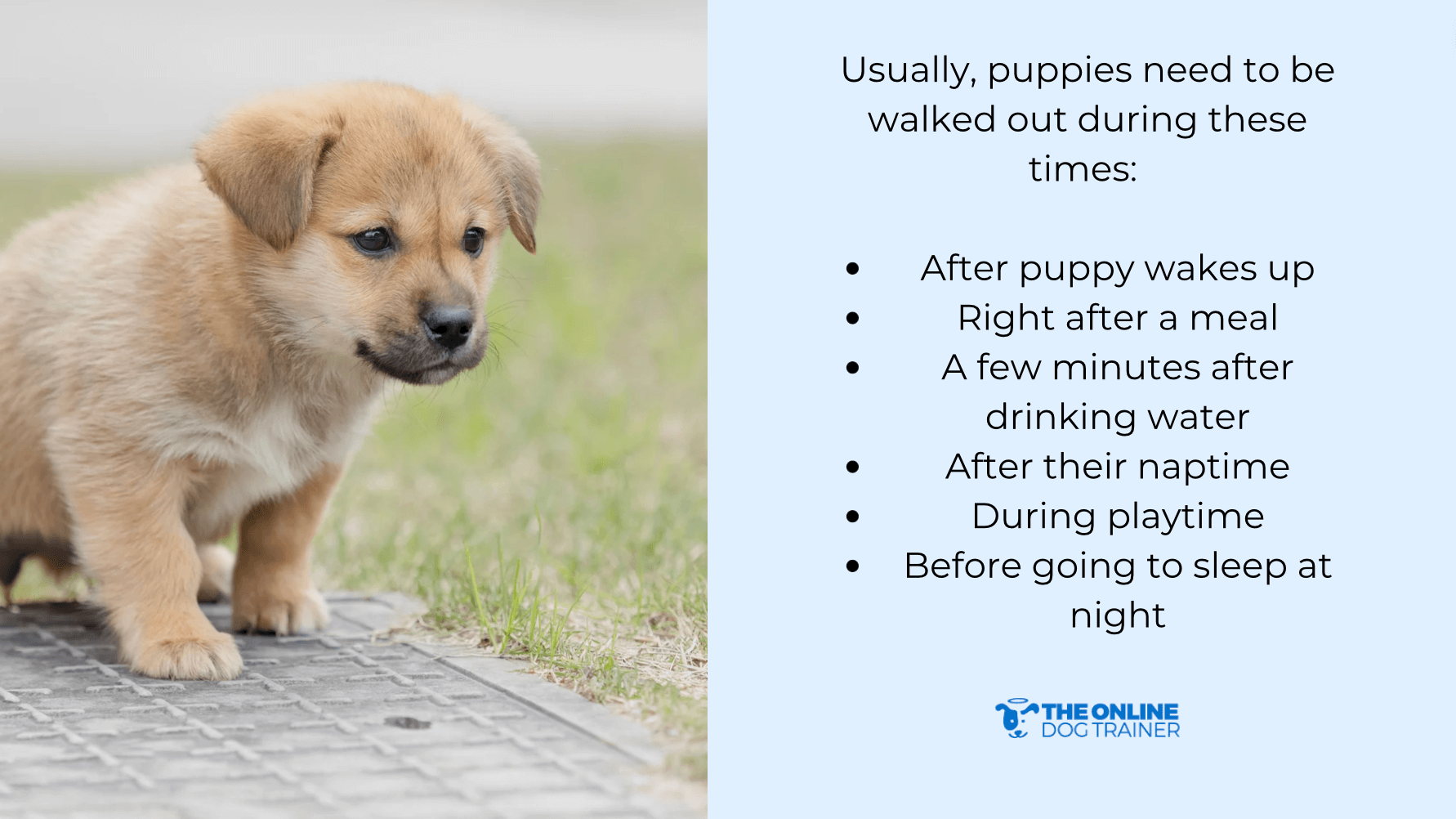
Young puppies often need to urinate:
• After waking up
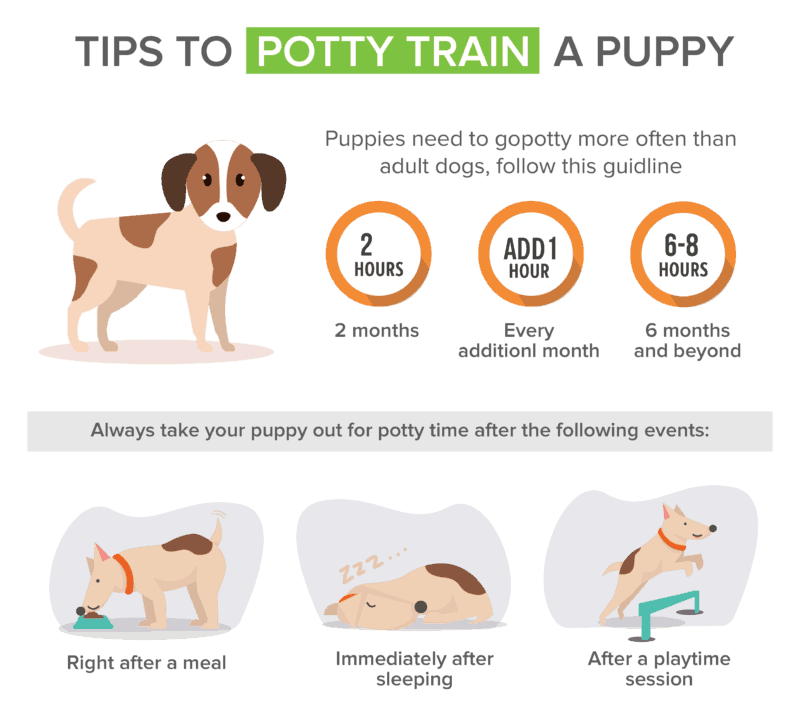
• After eating or drinking
• After playing
• After chewing
• Before bedtime
• Every 30 to 60 minutes during active periods
A puppy’s age, size, health, diet, and past living conditions all affect progress. A small breed may need more bathroom trips than a larger puppy because small dogs often have smaller bladders.
When you house train a puppy fast, aim for fewer accidents, not instant perfection. An accident is useful information. It may show that the puppy had too much freedom, waited too long, or missed a clear signal.
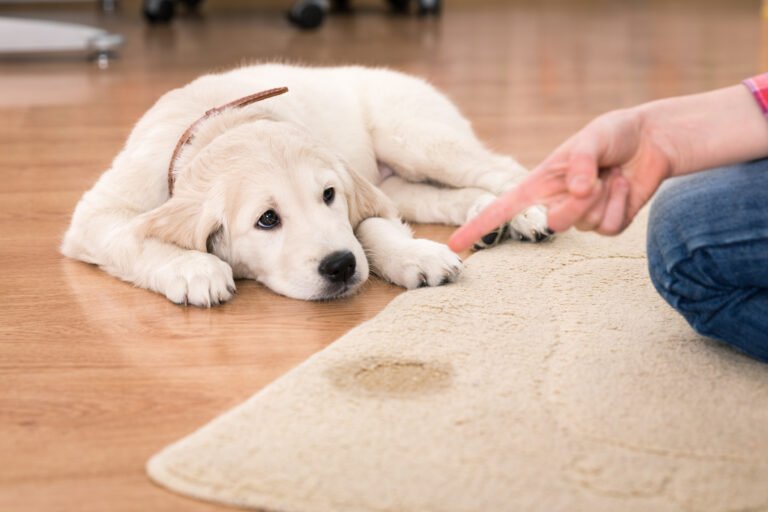
Veterinary behavior experts generally recommend reward-based training. Punishment can create fear and may teach a puppy to hide when eliminating. It does not teach the correct bathroom location.

Prepare Your Home Before Training Starts
Good preparation can make it much easier to house train a puppy fast. Before your puppy arrives, choose the bathroom spot and gather the right supplies.
You will need:
• A crate or safe puppy pen
• A leash
• Small, soft training treats
• Enzyme-based cleaner
• Waste bags
• Paper towels
• A washable bed
• A simple daily schedule
Pick one outdoor bathroom area. Keep it quiet and easy to reach. A consistent surface, such as grass or gravel, helps your puppy connect the place with the task.
If you use indoor puppy pads, place them in one fixed location. Pads can help puppies in apartments or during extreme weather, but they may slow outdoor training if you later want your puppy to eliminate only outside. Use them as a clear part of the plan, not as random backup spots.
Remove rugs and floor mats during the early weeks. Puppies often mistake soft surfaces for grass. Block access to rooms where you cannot watch your puppy.
Clean every accident with an enzymatic cleaner. Regular soap may remove the smell for you, but a puppy can still detect the scent. A lingering odor can act like a sign that says, “This is a bathroom.”

Create a Reliable Puppy Potty Schedule
A schedule is one of the fastest ways to house train a puppy fast. It reduces guesswork and gives your puppy many chances to succeed.
Take your puppy outside at these key times:
- Immediately after waking
- After eating or drinking
- After a nap
- After active play
- After time in the crate
- Before bedtime
- Every 30 to 60 minutes when awake, depending on age
Take your puppy to the same spot each time. Stand quietly and give the puppy a few minutes. Avoid turning the bathroom trip into a long play session before your puppy eliminates.
The moment your puppy finishes, praise warmly and give a small treat. Reward within one or two seconds. This timing helps your puppy understand exactly what earned the reward.
A simple routine may look like this:
• 7:00 a.m.: Wake up and go outside
• 7:15 a.m.: Breakfast, then another bathroom trip
• 8:00 a.m.: Bathroom break after play
• 9:00 a.m.: Nap in the crate
• 10:00 a.m.: Bathroom break after waking
• 12:00 p.m.: Lunch and another trip outside
• 6:00 p.m.: Dinner, followed by a bathroom break
• 10:00 p.m.: Final trip before bed
You can adjust this schedule to fit your home. The key is to keep the pattern steady. Puppies learn faster when life feels predictable.
Keep a simple record of meals, water, bathroom trips, and accidents. After several days, patterns become clear. You may notice that your puppy always needs to go 10 minutes after drinking or after a certain type of play.
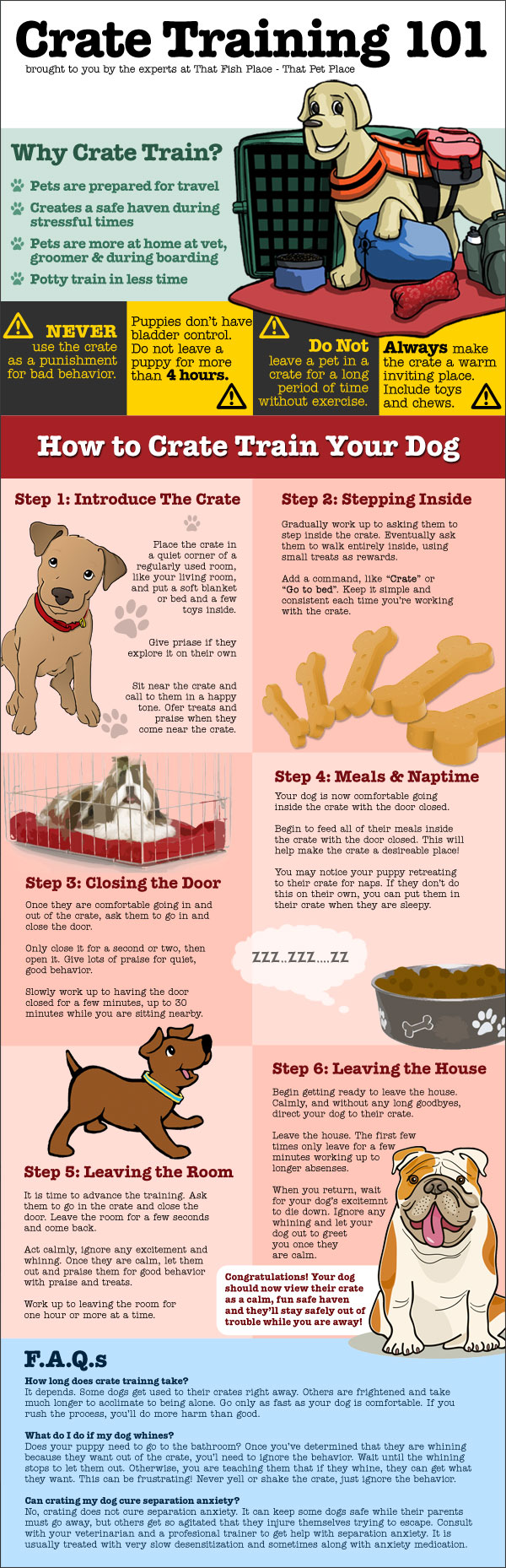
Use the Crate as a Helpful Training Tool
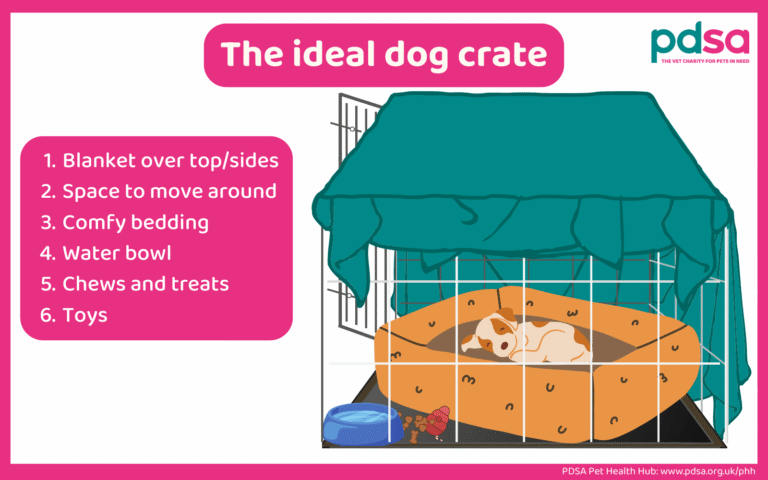
A crate can help you house train a puppy fast because most puppies avoid soiling the place where they sleep. However, a crate is not a bathroom solution or a tool for long-term confinement.
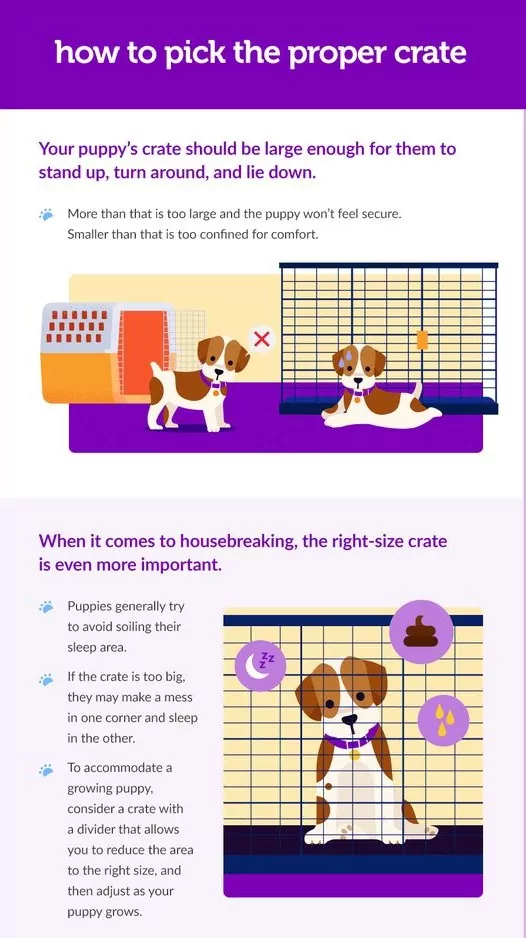
Choose a crate large enough for your puppy to stand, turn around, and lie down. If it is too large, your puppy may sleep in one corner and use the other corner as a toilet. A divider can help you adjust the size as your puppy grows.
Introduce the crate slowly:
• Place treats near the entrance
• Feed meals beside or inside the crate
• Leave the door open at first
• Offer a safe chew
• Close the door for a few seconds
• Increase the time in small steps
Take your puppy outside immediately after leaving the crate. Do not assume your puppy can wait just because the puppy was quiet.
Avoid crating a young puppy for several hours without a break. A common guideline is that a puppy may hold urine for about one hour per month of age, plus one hour, but this is only a rough estimate. Many puppies need to go sooner, especially after food, water, play, or sleep.
Never use the crate as punishment. The crate should feel like a safe bedroom, not a jail cell. If a puppy begins having repeated accidents inside, the crate may be too large, the breaks may be too far apart, or a health problem may be present.

Watch for the Signs Your Puppy Needs to Go
Close supervision is essential when you want to house train a puppy fast. Most puppies show small signs before an accident, but those signs can be easy to miss.
Watch for:
• Sniffing the floor
• Walking in circles
• Wandering away
• Whining
• Scratching at a door
• Suddenly stopping play
• Squatting
• Returning to a previous accident spot
Keep your puppy near you with a lightweight leash during active time. This allows you to guide the puppy outside quickly. Baby gates can also limit access to areas you cannot watch.
Some puppies do not signal at first. Do not wait for a bark or scratch at the door. Take the puppy out based on the schedule, then teach a signal later.
You can train a door signal by touching a bell or hanging a strap near the door before every trip. When your puppy touches it, open the door and go outside. The signal should always lead to a bathroom opportunity, or the puppy may use it only to request play.
A mistake I often see in puppy plans is giving too much freedom too soon. A puppy that succeeds for three days is not always ready to roam the whole house. Add freedom slowly after a strong record of success.
Reward the Right Behavior Immediately
Rewards are the engine of fast house training. When your puppy eliminates in the correct place, make the reward clear, quick, and consistent.
Use a happy voice and say a short phrase such as “Good potty.” Give the treat as soon as the puppy finishes. Then allow a brief sniff or play period outside. This prevents your puppy from learning that eliminating ends outdoor time.
A good reward should be:
• Small enough for many repetitions
• Soft enough to eat quickly
• More exciting than ordinary food
• Easy to carry outside
Praise alone may work for some puppies, but food rewards often make learning faster. You can reduce treats later when the behavior is reliable.
Do not reward your puppy for coming inside after the bathroom trip if several minutes have passed. The reward must follow the behavior you want.
Also reward calm behavior around the door. If your puppy waits quietly, sits, or walks on the leash, praise that choice too. House training is easier when the whole routine feels calm.
Handle Accidents Without Fear or Confusion
Accidents are normal. How you respond can either support learning or make the problem worse.
If you catch your puppy beginning to eliminate indoors, use a calm sound such as “Outside.” Gently guide the puppy to the chosen bathroom spot. If the puppy finishes there, give praise and a treat.
If you discover an accident later, say nothing to the puppy. Clean it thoroughly and review what happened. Scolding after the fact will not connect the punishment with the earlier behavior.
Avoid these common mistakes:
• Rubbing a puppy’s nose in the mess
• Yelling or hitting
• Chasing the puppy
• Using the crate as punishment
• Waiting too long between breaks
• Giving unsupervised access to the entire home
• Changing the bathroom location often
Fear can cause a puppy to hide behind furniture or eliminate when no one is watching. A calm response protects trust and makes future training easier.
Use an enzyme cleaner on carpet, wood, tile, and furniture. Follow the product label and keep your puppy away from wet cleaning products. If accidents continue in one area, block access until the smell is fully removed.
Adjust the Plan for Nighttime Training
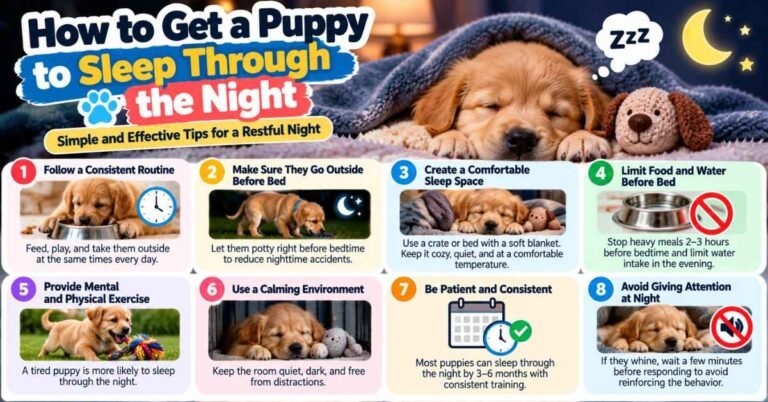
Nighttime can be the hardest part of learning how to house train a puppy fast. Young puppies may not be able to hold urine through the entire night.
Place the crate near your bed at first. You may hear stirring, sniffing, or soft whining before an accident. Take the puppy outside quietly, keep the lights low, and return to bed after the bathroom trip.
Avoid nighttime games, long cuddles, or exciting conversation. The message should be simple: nighttime is for sleeping and quick bathroom breaks.
As your puppy grows, the number of nighttime trips should decrease. Some puppies sleep through the night at three or four months, while others take longer. Small breeds, puppies with health issues, and puppies with disrupted early routines may need more time.
Limit late-night excitement, but do not severely restrict water. Puppies need access to clean water during the day. Ask a veterinarian before changing water access, especially during hot weather, illness, or heavy activity.

Know What Can Slow House Training
Even when you follow the right steps, some issues can delay progress. Understanding them helps you avoid blame and choose a better solution.
Common causes include:
• Inconsistent schedules
• Too much freedom
• Missed signals
• Stress or fear
• A new home or routine
• Poor crate setup
• Incomplete cleaning
• Frequent changes in food
• Too many treats
• Medical conditions
A puppy may also have accidents during greetings, excitement, or play. Excitement urination is common in young dogs and is usually not deliberate. Keep greetings calm and avoid leaning over the puppy.
Some puppies urinate when frightened or approached quickly. This is submissive urination. Punishment will often worsen it. Use a soft voice, turn your body slightly sideways, and give the puppy space.
If a puppy was raised in a kennel or crowded setting, the puppy may not have learned to keep a sleeping area clean. Progress may take longer, but patient repetition still works.

When to Call a Veterinarian
House training problems are not always behavior problems. A medical issue can cause frequent or sudden accidents.
Contact a veterinarian if your puppy:
• Urinates very often
• Strains or cries while urinating
• Has blood in the urine
• Drinks much more than usual
• Has diarrhea or vomiting
• Suddenly regresses after doing well
• Leaks urine while sleeping
• Seems tired, painful, or unwell
Urinary tract infections, parasites, digestive illness, and other conditions can affect bathroom habits. Puppies are also vulnerable to dehydration and illness, so unusual symptoms deserve prompt attention.
A veterinarian can check your puppy and explain whether the issue is medical, behavioral, or both. Training should not be used to mask pain or illness.
A Practical Seven-Day House Training Plan
This seven-day plan can help you organize the first week. Your puppy may need more time, so treat it as a starting point rather than a promise.
Day 1: Limit freedom
Keep your puppy near you or in a safe pen. Go outside often, especially after sleep, food, water, and play. Reward every successful bathroom trip.
Day 2: Repeat the same routine
Use the same door, path, and outdoor spot. Keep a record of successful trips and accidents. Look for patterns.
Day 3: Improve timing
If accidents happen before the scheduled trip, shorten the interval. If your puppy stays dry and successful, keep the routine steady rather than adding too much freedom.
Day 4: Add a door signal
Use a bell or another clear signal before each outdoor trip. Praise your puppy for touching or noticing it.
Day 5: Practice short freedom periods
Allow access to one extra room after a successful bathroom trip. Keep watching closely and remove freedom if accidents return.
Day 6: Test calm routines
Practice going outside without turning every trip into a long play session. Reward the bathroom behavior first, then offer a short sniff or walk.
Day 7: Review progress
Count successes, accidents, and nighttime trips. If accidents are decreasing, continue. If they are not, return to closer supervision and shorter intervals.
The fastest plan is the one you can follow every day. A simple routine that everyone in the home understands is better than a perfect plan used only sometimes.
How Long Does It Take to House Train a Puppy?
Many puppies show clear improvement within one to two weeks, but reliable house training often takes several weeks or longer. Some puppies are mostly reliable by four to six months, while others need more time.
Progress depends on:
• Age and bladder control
• Breed and body size
• Health
• Previous living conditions
• Family consistency
• Time spent supervising
• Weather and access to outdoor space
Do not compare your puppy with a neighbor’s dog or a social media success story. Every puppy learns at a different pace.
A useful goal is steady improvement. For example, moving from six accidents in a week to two accidents is real progress. Continue the same habits until your puppy has a strong record of success.
If your puppy has been accident-free for several weeks, add freedom slowly. One successful week does not always mean the habit is permanent.
Frequently Asked Questions About How to House Train a Puppy Fast
What is the fastest way to house train a puppy?
The fastest method combines frequent bathroom trips, close supervision, crate or pen management, and immediate rewards. Take the puppy out after sleep, meals, play, and water, then reward the moment the puppy finishes in the correct place.
Can a puppy be house trained in one week?
A puppy may learn the basic routine in one week, but complete reliability usually takes longer. Age, health, breed, past experience, and family consistency all affect the timeline.
How often should I take my puppy outside?
Take a young puppy outside every 30 to 60 minutes while awake, plus after meals, naps, play, and crate time. Very young or small puppies may need even more frequent trips.
Should I punish my puppy for accidents?
No. Punishment can create fear and may cause a puppy to hide when eliminating. Clean the area, adjust the schedule, and reward the correct behavior instead.
Is crate training necessary for house training?
Crate training is not required, but a properly used crate can make supervision and rest periods easier. Never use a crate for excessive confinement or as punishment.
Why does my puppy keep having accidents after making progress?
Regression may result from too much freedom, a schedule change, stress, incomplete odor removal, or a medical problem. Return to closer supervision and contact a veterinarian if the change is sudden or comes with other symptoms.
Should I use puppy pads?
Puppy pads can help in apartments, during severe weather, or when outdoor access is limited. However, they may slow outdoor-only training if they are used inconsistently or placed in several areas.
Conclusion
To house train a puppy fast, build a simple routine around your puppy’s natural bathroom needs. Take the puppy out often, watch closely, use a crate or pen wisely, clean accidents with an enzyme cleaner, and reward success right away.
Stay calm when mistakes happen. Your puppy is not being stubborn or spiteful; the skill is still developing. Start today with a schedule, a clear bathroom spot, and a handful of small treats, then track progress for the next seven days. Share your experience with other puppy owners or explore more positive dog training resources for the next step.