When Is A Dog No Longer A Puppy: Puppy Age Guide
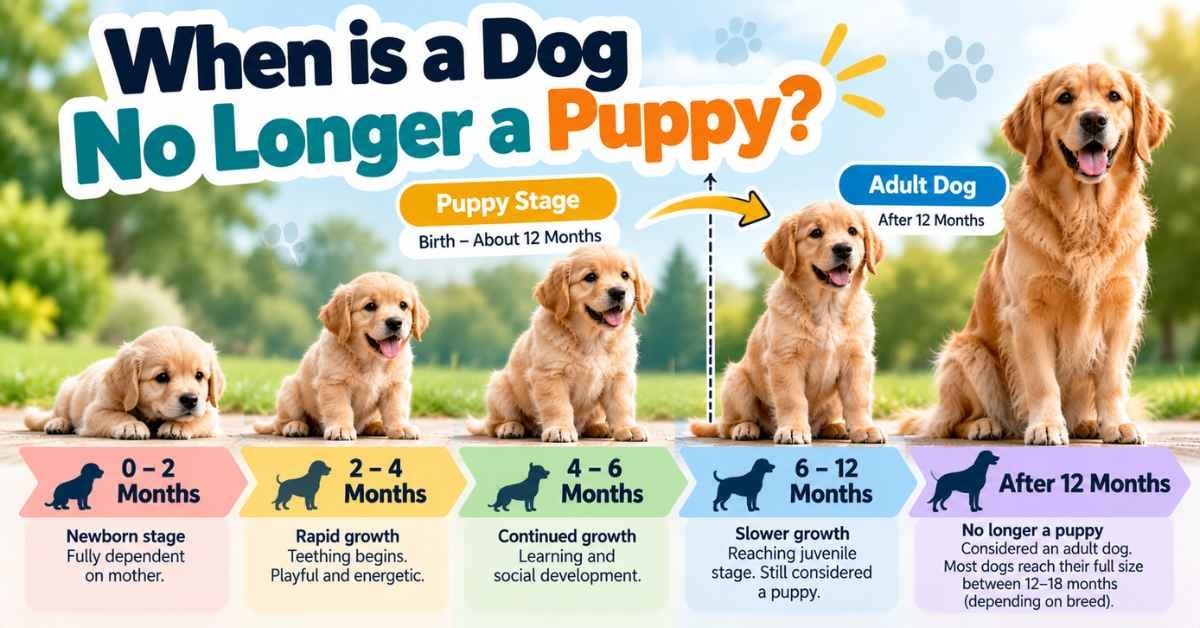
Most dogs stop being puppies between one and two years old, depending on their breed, size, and individual growth.
Knowing when is a dog no longer a puppy helps you choose the right food, training plan, exercise level, and health care. A tiny Chihuahua may act like an adult before a Great Dane reaches full maturity. This guide explains the physical, mental, and social signs of adulthood so you can support your dog at every stage.
When Is a Dog No Longer a Puppy?
Most dogs are no longer puppies between 12 and 24 months of age. Small breeds often mature sooner, while large and giant breeds may keep growing for two years or more.
A dog can reach its adult height but still act like a puppy. This is common during adolescence, when dogs test limits, chew, jump, bark, and seem to forget training. Physical growth and emotional maturity do not always happen at the same time.
A simple guide looks like this:
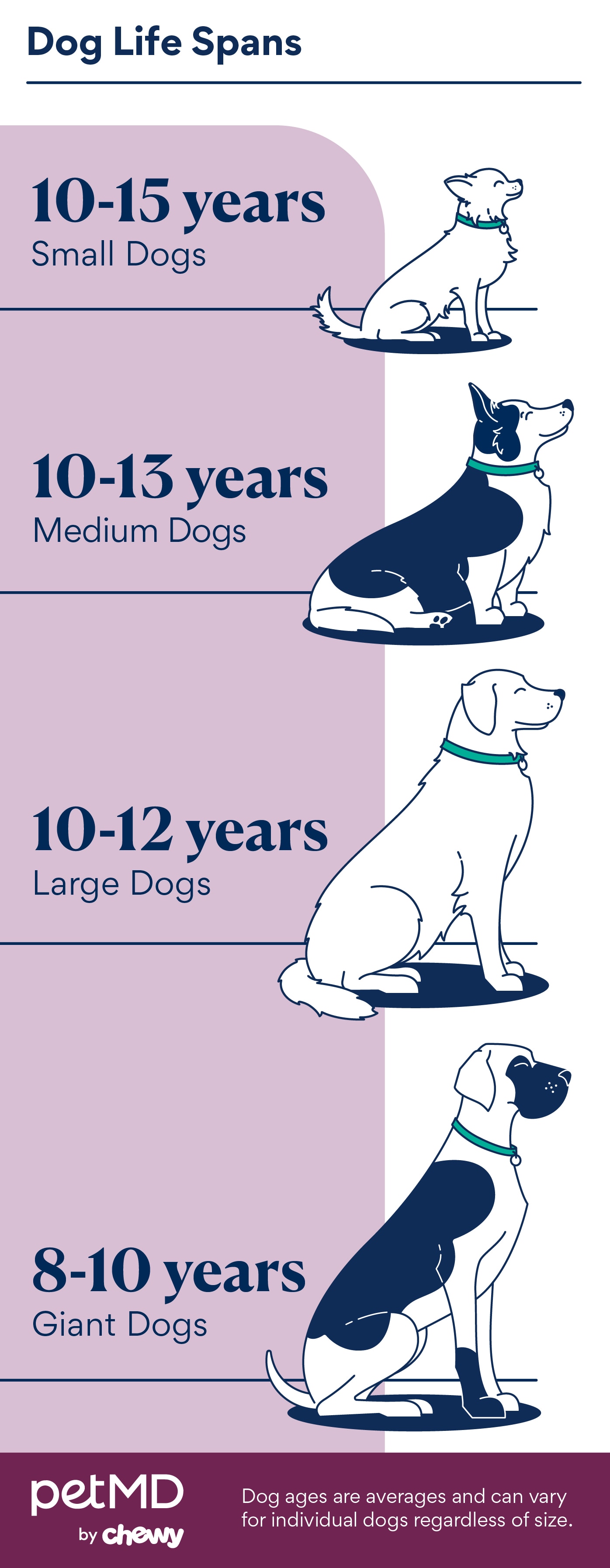
• Small breeds, such as Chihuahuas and Yorkshire Terriers, often mature between 9 and 12 months.
• Medium breeds, such as Beagles and Border Collies, often mature around 12 to 15 months.
• Large breeds, such as Labrador Retrievers and German Shepherds, may mature between 18 and 24 months.
• Giant breeds, such as Great Danes and Mastiffs, may not fully mature until 24 to 36 months.
So, when is a dog no longer a puppy? The best answer is not based on age alone. Breed, body size, behavior, bone growth, and emotional development all matter.
Source: chewy.com
Puppyhood, Adolescence, and Adulthood Explained
A dog’s life does not change from puppy to adult overnight. It moves through several stages, much like a child growing into a young adult.
The puppy stage
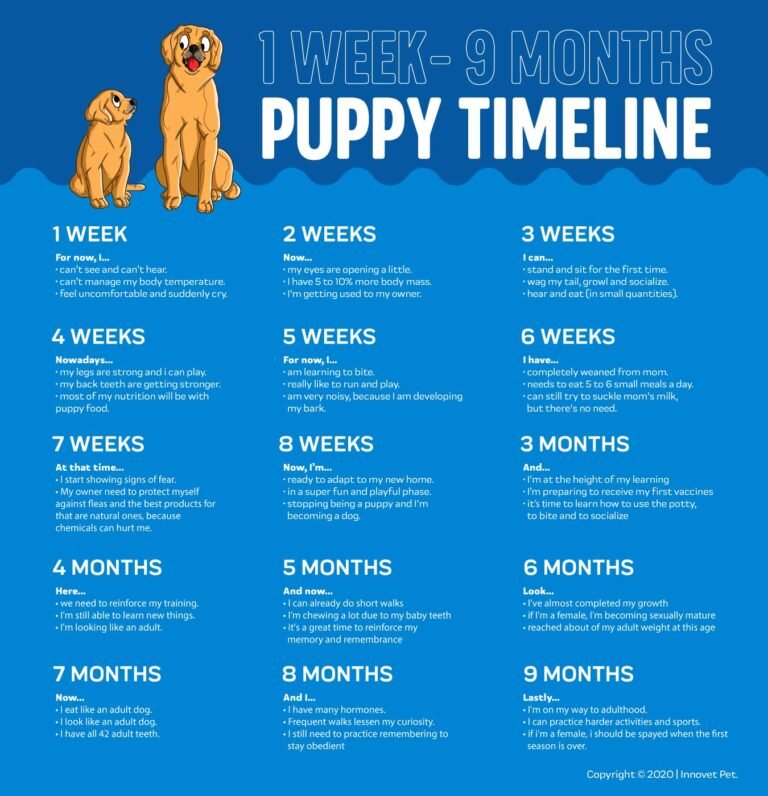
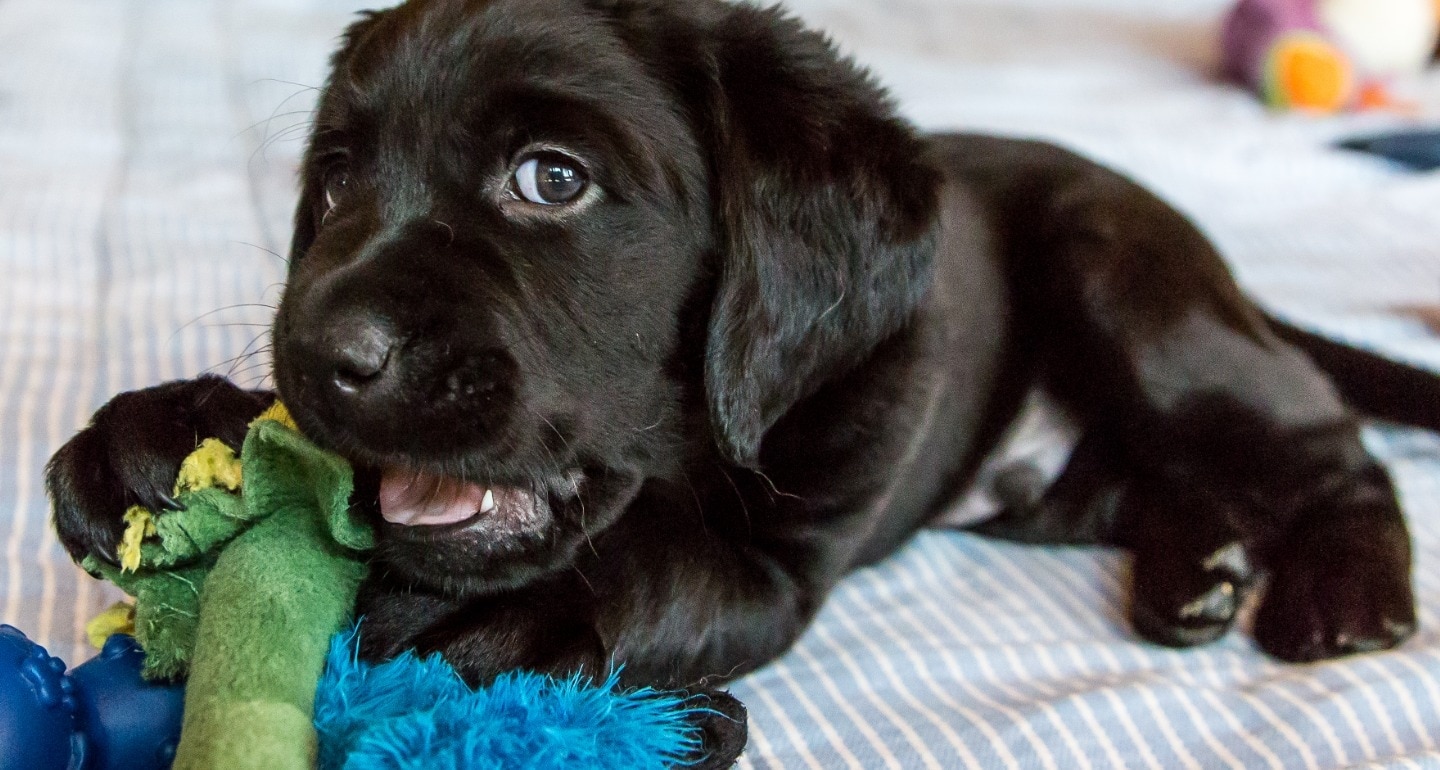
The puppy stage begins at birth and usually lasts until about 6 to 12 months. During this time, puppies learn basic social skills, explore their world, and develop fast-growing bones and muscles.
Puppies need:
• Frequent meals
• Safe socialization
• Short training sessions
• Plenty of sleep
• Safe chew toys
• Regular veterinary care
Most puppies sleep between 16 and 20 hours per day. Rest is important because their bodies and brains are developing quickly.
The adolescent stage
Adolescence often begins between 6 and 12 months. It may last until 18 months or longer, especially in large dogs.
An adolescent dog may:
• Ignore commands it once knew
• Become more excited around other dogs
• Test household rules
• Show new fears
• Pull harder on the leash
• Chew or steal items
• Become more independent
This stage can feel like a second puppyhood. Stay calm and keep training consistent. A temporary setback does not mean your dog has failed. It means the brain is still growing.
The adult stage
Adult dogs usually have better impulse control, longer attention spans, and more stable behavior. They still need exercise, play, training, and affection, but they often settle more easily than puppies.
When is a dog no longer a puppy in behavior? Many dogs show clear adult habits between 18 and 24 months. Some dogs, especially working and high-energy breeds, may remain playful and immature for longer.
 maturity”
style=”max-width: 100%; height: auto; border: 2px solid black; border-radius: 10px; display: block; margin: 0 auto;”
loading=”lazy”
/>
Source: spiritdogtraining.com
How Breed and Size Affect maturity
size is one of the strongest clues when deciding when is a dog no longer a puppy. Small dogs grow faster because their bones and bodies reach adult size sooner. Large dogs need more time for their skeleton, muscles, and joints to develop.
Breed also affects behavior. A calm adult Greyhound may mature emotionally sooner than a lively small terrier. A Border Collie may remain mentally active and demanding even after reaching adult size.
Genetics matter, too. Puppies from working lines may need more mental exercise. Dogs from relaxed companion lines may settle earlier. Every dog is an individual, so age ranges should guide you rather than control your decisions.
Mixed-breed dogs can be harder to predict. If you know the parents, their size can offer helpful clues. Your veterinarian can also check growth, body condition, teeth, and bone development during routine exams.
Source: chewy.com
Physical Signs Your Dog Is No Longer a Puppy
Physical changes can help answer when is a dog no longer a puppy, but they are only part of the picture. A dog may look grown while still acting young.
Common physical signs include:
• The dog has reached its expected adult height.
• Weight gain has slowed or stopped.
• The chest and muscles look more developed.
• Puppy fluff has changed into an adult coat.
• Adult teeth have replaced puppy teeth.
• The paws and legs look more balanced with the body.
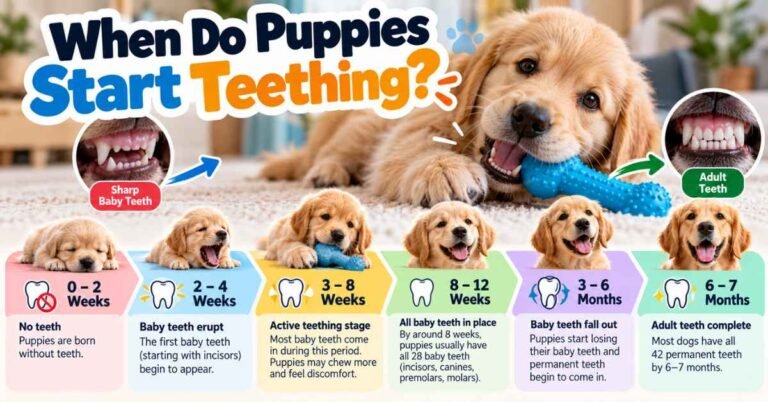
Most dogs have all their adult teeth by about 6 or 7 months. However, having adult teeth does not mean the dog is fully mature. Teeth develop earlier than the brain, joints, and emotional control.
Some large dogs continue gaining muscle and filling out after their height stops increasing. This is why a 14-month-old Labrador Retriever may look nearly adult but still need puppy-safe exercise and careful nutrition.

Source: foglesongsck.com
Behavioral Signs of Adult Maturity
Behavior often gives the clearest answer to when is a dog no longer a puppy. Mature dogs usually show more control over their actions.
Look for these signs:
• Your dog can relax after exercise.
• It follows familiar cues in different places.
• It can wait briefly for food or a toy.
• It handles normal household sounds with less fear.
• It recovers faster from excitement or stress.
• It plays without becoming too rough.
• It can stay alone for short periods without panic.
Adult maturity does not mean perfect obedience. An adult dog may still bark, make mistakes, chase squirrels, or become excited. The main difference is that a mature dog can learn to pause and make better choices.
One common mistake is to stop training once a dog reaches one year old. Continued practice helps turn good habits into reliable habits. Think of training like brushing your teeth. A little regular care works better than one large effort once a year.

Source: reddit.com
When Should You Stop Feeding Puppy Food?
The right time to stop puppy food depends on your dog’s size, breed, health, and growth rate. Puppy food contains extra calories and nutrients for growth, so feeding it too long may contribute to excess weight in some dogs.
Typical transition times include:
• Small dogs: around 9 to 12 months
• Medium dogs: around 12 months
• Large dogs: around 15 to 18 months
• Giant dogs: around 18 to 24 months
Large-breed puppy food is made with controlled levels of calories and minerals. This helps support steady growth and may reduce stress on developing joints.
Do not change food suddenly. Move to adult food over 7 to 10 days by slowly increasing the new food and reducing the old food. Ask your veterinarian for advice if your dog is underweight, overweight, unusually hungry, or affected by digestive problems.
When is a dog no longer a puppy for food purposes? It may be earlier or later than the age when the dog becomes emotionally mature. Nutrition should follow growth needs, not behavior alone.

Source: rover.com
Exercise Needs After Puppyhood
Puppies need exercise, but their growing bones and joints can be injured by too much high-impact activity. Avoid forced running, long hikes, and repeated jumping until your veterinarian says your dog is ready.
After maturity, many dogs can safely handle longer walks and more active play. Increase exercise slowly, especially for large breeds or dogs that have been inactive.
A balanced adult exercise plan may include:
• Daily walks
• Short training games
• Sniffing time
• Safe play with suitable dogs
• Puzzle toys
• Swimming, if your dog enjoys it
• Breed-appropriate sports
Mental exercise matters as much as physical exercise. Five minutes of scent work can tire a dog more safely than a long game of nonstop fetching.
Watch for signs of too much exercise, such as limping, stiffness, heavy panting, reluctance to move, or unusual tiredness. Stop the activity and contact a veterinarian if these signs continue.
Spaying, Neutering, and Dog Maturity
Spaying and neutering can affect growth and behavior, but they do not instantly make a dog an adult. The best timing varies by breed, sex, size, health, and lifestyle.
Some dogs may be sterilized at a younger age, while larger breeds may benefit from waiting until more growth has occurred. Research suggests that timing can influence orthopedic health in some dogs, but there is no single best age for every dog.
Talk with your veterinarian about:
• Expected adult size
• Joint health
• Breed-related risks
• Reproductive behavior
• Cancer risks
• Lifestyle and housing
• Local shelter or veterinary guidance
The procedure may prevent reproduction and reduce some health risks, but training is still needed. A neutered adolescent dog can still jump, chew, pull, or chase.
Training Tips for a Dog That Is Almost an Adult
When is a dog no longer a puppy? Even after the answer is clear, training should continue. Adult habits are built through repeated practice.
Use these simple methods:
- Reward the behavior you want.
- Keep sessions short and clear.
- Practice in different locations.
- Give your dog enough sleep.
- Prevent access to items it may chew.
- Use the same rules for every family member.
- Replace unwanted behavior with a safe option.
For example, if your dog jumps on guests, ask for a sit before greetings. If your dog grabs shoes, trade the shoe for a toy. Punishment can create fear and may not teach the behavior you want.
A common lesson from dog training is that management prevents many problems. Baby gates, closed doors, food puzzles, and leashes are not signs of failure. They are tools that make good choices easier.
Common Mistakes Owners Make
Many owners expect a one-year-old dog to behave like a calm adult. That expectation can create frustration for both the dog and the family.
Avoid these mistakes:
• Assuming adult size means adult behavior
• Giving too much freedom too soon
• Stopping socialization after puppy classes
• Using harsh punishment
• Changing food without a gradual transition
• Overexercising a growing large-breed dog
• Ignoring fear or sudden behavior changes
• Comparing one dog with another
If your dog suddenly becomes aggressive, withdrawn, confused, or unusually tired, schedule a veterinary exam. Pain, illness, hormonal changes, and anxiety can all affect behavior.
A qualified force-free trainer or veterinary behaviorist can help with serious behavior concerns. Early support is usually easier and more effective than waiting for a problem to grow.
How to Tell if Your Dog Is Fully Mature
There is no single test for maturity. Instead, look at several areas together.
Your dog may be close to full maturity when:
• Growth has stopped.
• Weight is stable.
• Adult teeth and coat are established.
• Energy is easier to manage.
• Training is more reliable.
• Your dog recovers well from new experiences.
• Impulse control is improving.
• Your veterinarian is satisfied with development.
A dog may be physically mature but socially young. Another may behave calmly but still have developing joints. This is why the answer to when is a dog no longer a puppy can differ between health care, feeding, exercise, and behavior.
When in doubt, ask your veterinarian during an annual wellness visit. A professional can assess body condition, growth, teeth, joints, and overall health.
Frequently Asked Questions
When is a small dog no longer a puppy?
Most small dogs reach physical maturity between 9 and 12 months. They may still act playful or immature for several more months.
When is a large dog no longer a puppy?
Large dogs often mature between 18 and 24 months. Giant breeds may continue growing and developing until 2 or 3 years old.
Is a one-year-old dog still a puppy?
A one-year-old dog may still be a puppy in behavior, especially if it is a large or giant breed. Small dogs may be physically adult at one year but still need continued training.
When should a dog switch from puppy food to adult food?
Small dogs often switch around 9 to 12 months, while large and giant dogs may need puppy food for 18 to 24 months. Your veterinarian can recommend the best timing for your dog’s growth and health.
Do dogs calm down after they stop being puppies?
Many dogs become calmer as they mature, but age is not the only factor. Exercise, training, breed traits, health, and daily routine all affect energy levels.
Can a dog still learn after puppyhood?
Yes. Dogs can learn throughout life. Adult dogs often learn well because they can focus longer and control their impulses better.
Conclusion
When is a dog no longer a puppy? Most dogs reach adulthood between 12 and 24 months, but small breeds mature sooner and giant breeds mature later. Physical growth, emotional control, behavior, nutrition, and joint development may all follow different timelines.
Treat your dog’s age as a guide, not a strict deadline. Keep training, use age-appropriate food and exercise, and ask your veterinarian about growth and health needs. With patience and steady care, your playful puppy can grow into a confident, healthy adult companion.