How Big Will My Puppy Get: Puppy Size Guide
Your puppy’s adult size depends mainly on breed, parents, age, sex, and current growth rate.
Wondering how big will my puppy get is one of the first questions many new dog parents ask. A tiny puppy can become a sturdy 70-pound dog, while another may stay small enough to fit under one arm. Breed standards, family history, nutrition, and health all help tell the story, but no estimate is perfect.
This guide explains how to predict puppy growth with simple methods, when puppies stop growing, how mixed-breed genetics affect size, and which signs may need veterinary care. You will also learn how to measure your puppy and avoid common mistakes that lead to poor estimates.
What Determines How Big Your Puppy Will Get?
Several factors work together to shape a puppy’s adult height and weight. Genetics usually has the strongest influence, but the environment can affect how well a puppy reaches its natural potential.
The main factors include:
- Breed and breed group
- The size of both parents
- Current age, weight, and height
- Sex and family genetics
- Nutrition and feeding habits
- Exercise and overall health
- Spaying or neutering timing
- Medical conditions that affect growth
A puppy’s genes act like a rough blueprint. Nutrition, illness, and care then influence how closely your dog follows that plan. A healthy puppy with good genetics usually grows in a steady pattern, but each dog has its own pace.
Breed plays the biggest role
Breed gives you the best starting point. A Chihuahua may reach its adult size in less than a year, while a Great Dane may keep growing for nearly two years.
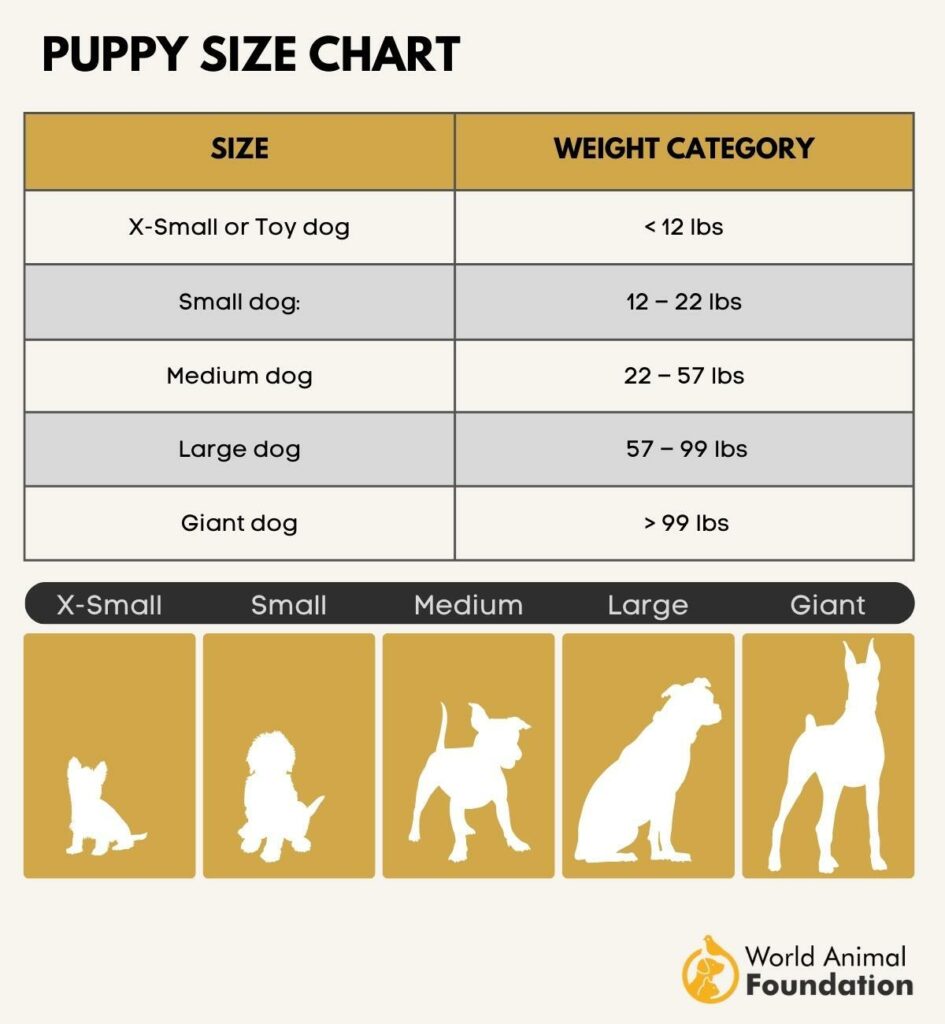
Typical adult weight ranges vary widely:
- Toy breeds often weigh under 15 pounds.
- Small breeds often weigh 15 to 25 pounds.
- Medium breeds often weigh 25 to 50 pounds.
- Large breeds often weigh 50 to 90 pounds.
- Giant breeds may weigh more than 90 pounds.
These ranges are broad. A healthy adult dog may fall outside them, especially if the dog is a mixed breed or comes from working lines.
Parents often reveal more than the puppy’s paws
When possible, look at the puppy’s parents. A puppy’s adult size often falls somewhere near the parents’ size, though it may be larger or smaller.
For example, if a puppy’s mother weighs 45 pounds and its father weighs 60 pounds, an adult weight near 50 pounds may be reasonable. This is only an estimate, not a promise.
How to Estimate Your Puppy’s Adult Weight
There is no single perfect puppy weight calculator. Still, a few simple methods can give you a useful range.
The most common estimate uses your puppy’s current weight and age. It works best when the puppy is healthy and growing at a steady rate.
Use the age and weight formula
For many small and medium puppies, you can try this formula:
Adult weight estimate = current weight ÷ age in weeks × 52
For example, imagine a 16-week-old puppy that weighs 20 pounds:
20 ÷ 16 × 52 = about 65 pounds
This estimate may be too high or too low for some dogs. It is less reliable for giant breeds, very small toy breeds, dogs with unknown backgrounds, or puppies that have recently been ill.
Some owners use a simpler rule:
- At about 12 weeks, multiply the puppy’s weight by four.
- At about 16 weeks, multiply the puppy’s weight by three.
- At about 6 months, the puppy may be close to 60% to 75% of adult weight.
These are rough rules. They should support your judgment, not replace a veterinary assessment.
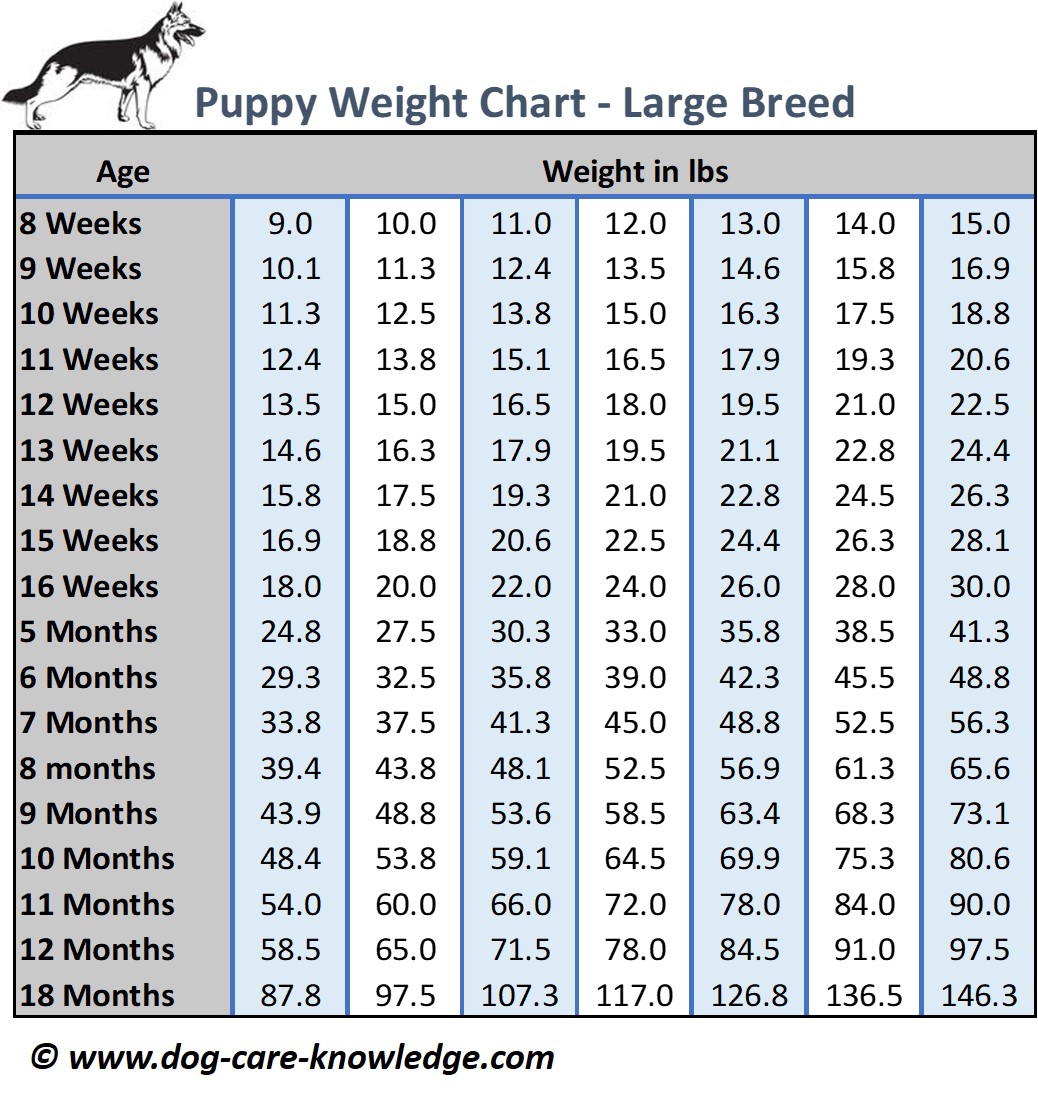
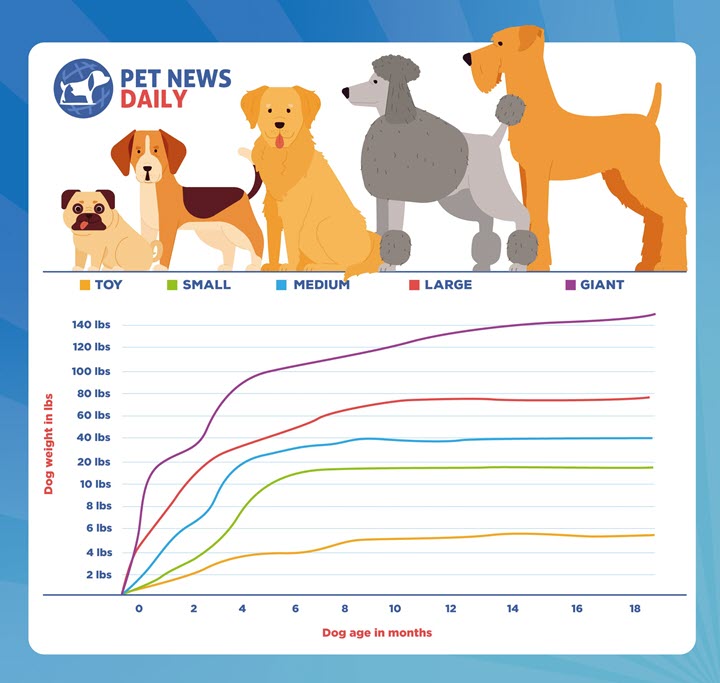
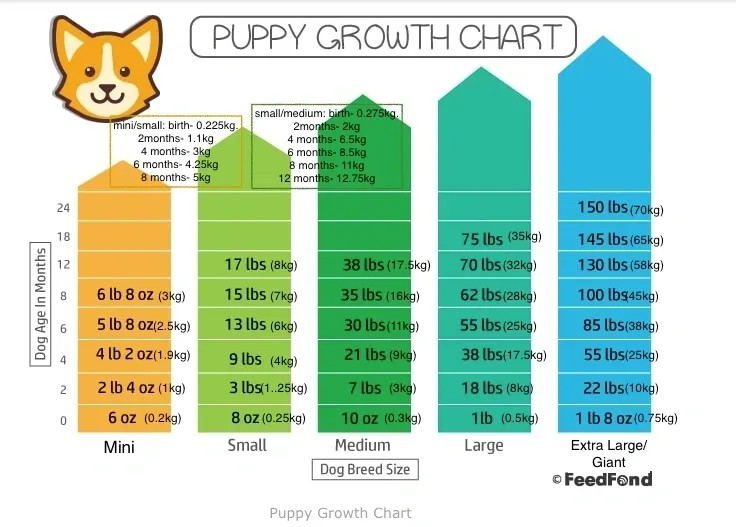
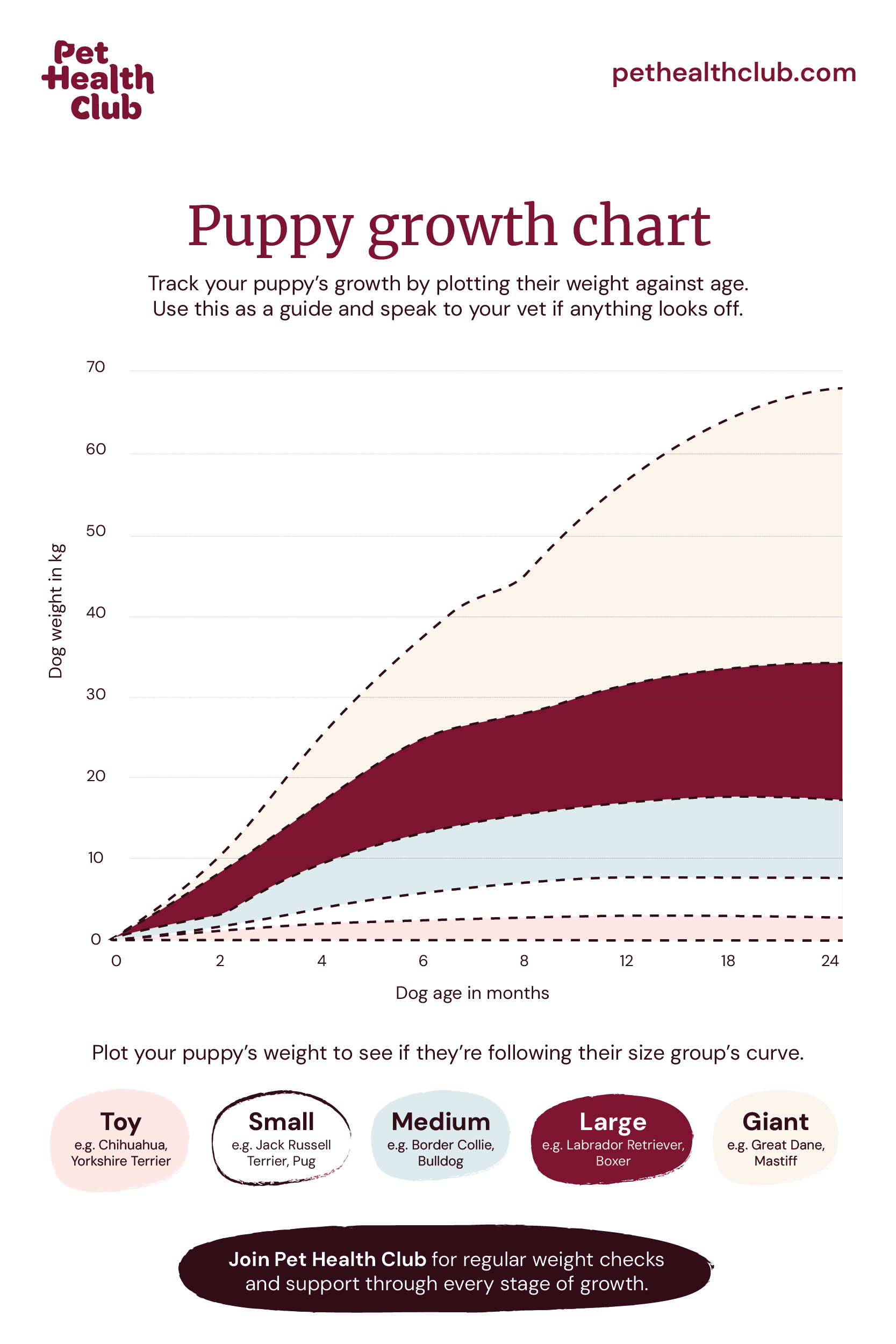
Use growth charts
Growth charts can show whether a puppy is following a steady curve. Your veterinarian may record weight at each visit and compare it with expected growth for the dog’s breed or size group.
The most useful detail is not one isolated number. It is the trend over time. A puppy that gains weight steadily may be doing well even if it does not match an average chart.
Measure height as well as weight
Weight alone cannot tell you how big your puppy will get. Height and body shape also matter.
To measure height:
- Place your puppy on a flat surface.
- Keep all four feet under the body.
- Measure from the floor to the top of the shoulder blades.
- Repeat the measurement every two to four weeks.
- Record the date, weight, and height.
Measure at the shoulder, not the head. A puppy may look tall because of long legs, but still develop a slim adult frame.

Source: sveikasfitnesas.lt
When Do Puppies Stop Growing?
Puppies stop growing at different times based on their expected adult size. Small dogs mature sooner, while large and giant dogs need more time for their bones and muscles to develop.
General growth timelines look like this:
- Toy breeds often reach most of their adult size by 6 to 8 months.
- Small breeds often finish growing by 8 to 10 months.
- Medium breeds often reach adult size at 12 months.
- Large breeds may grow until 15 to 18 months.
- Giant breeds may continue growing until 18 to 24 months.
A dog may stop getting taller but keep gaining muscle and filling out. This is common in Labrador Retrievers, German Shepherd Dogs, Boxers, and other athletic breeds.
Growth is not always smooth
Puppy growth can happen in spurts. Your dog may look lanky one week and more balanced the next. Large breed puppies often appear awkward during growth because their legs and body do not develop at exactly the same speed.
This uneven stage is usually normal. However, sudden weight loss, weakness, poor appetite, swollen joints, or severe limping should not be ignored.
Growth plates matter
Growth plates are areas of developing tissue near the ends of long bones. They help bones grow in length. These areas gradually close as a puppy matures.
High-impact exercise, poor nutrition, or injury during this stage may harm developing joints. Follow your veterinarian’s advice about stairs, jumping, running, and off-leash play, especially for large and giant breed puppies.
Source: brooksidechurchtulsa.com
How Big Will My Puppy Get If It Is a Mixed Breed?
Predicting the adult size of a mixed-breed puppy can be harder. A puppy may inherit a small frame from one parent and longer legs or heavier bones from another.
A DNA test may identify likely breeds, but it cannot guarantee adult size. Breed tests also vary in accuracy, especially when a dog has several breeds in its background.
Use several clues together:
- Ask the shelter, breeder, or rescue group about the parents.
- Look at your puppy’s current age, weight, and height.
- Check whether the paws, legs, and body look fine-boned or heavy-boned.
- Track weight gain for several weeks.
- Ask your veterinarian to assess body condition and growth.
- Treat online puppy size calculators as estimates only.
Paw size is a popular clue, but it is not a reliable measuring tool. Oversized paws may suggest future growth, yet some adult dogs simply have large feet compared with their bodies.
Mixed-breed examples
A puppy that is half Beagle and half Labrador Retriever may become a medium-sized dog, but its adult weight could vary widely. One puppy may have the Beagle’s smaller frame, while another may take after the Labrador side.
A puppy with a known giant breed parent could grow much larger than its current appearance suggests. This is why parent size and repeated measurements are more useful than one visual guess.
Source: lorasluck.org
How Nutrition Affects Puppy Growth
Good nutrition helps a puppy grow at a healthy pace. It does not safely make a puppy larger than its genetic potential.
Choose a complete and balanced puppy food made for your dog’s expected adult size. Large and giant breed puppies often need food labeled for large breed growth because excessive calcium and calories may contribute to bone and joint problems.
Important feeding habits include:
- Follow the food label as a starting point.
- Divide meals according to your puppy’s age and needs.
- Weigh food when possible for better accuracy.
- Adjust portions if your puppy gains too fast or too slowly.
- Keep treats below about 10% of daily calories.
- Provide fresh water at all times.
- Ask your veterinarian before using supplements.
Avoid adding calcium, vitamins, or mineral products unless your veterinarian recommends them. Extra nutrients can upset the balance of a complete puppy diet.
Healthy weight is more important than maximum size
A heavier puppy is not always a healthier puppy. Excess weight puts extra stress on growing joints and may increase the risk of orthopedic problems.
You should be able to feel your puppy’s ribs with light pressure. The waist should be visible from above, and the abdomen should rise slightly behind the rib cage when viewed from the side. Your veterinarian can show you how to check body condition.
Source: pethealthclub.com
How to Tell If Your Puppy Is Growing Normally
Puppies should gain weight over time, but the exact rate varies. A healthy puppy is usually active, alert, curious, and interested in food.
Signs of steady growth may include:
- Gradual weight gain
- A smooth, shiny coat
- Normal energy for the puppy’s age
- Good appetite
- Regular stools
- Strong movement without lasting pain
- Healthy muscle development
Do not compare your puppy with every dog at the park. Two puppies of the same age may be at different growth stages and still both be healthy.
Contact your veterinarian if your puppy shows:
- Repeated vomiting or diarrhea
- Poor appetite for more than a day
- Sudden weight loss
- A swollen belly
- Severe or ongoing lameness
- Weakness or unusual tiredness
- Pain when touched or moved
- A major change in growth rate
Parasites, digestive disease, hormonal problems, and other conditions can affect puppy growth. Early care often makes treatment easier.
A lesson many puppy owners learn late
One common mistake is feeding extra food because a puppy looks thin during a lanky growth stage. Another is restricting food because the puppy seems too round for its age. Both choices can cause trouble.
A better approach is to track weight, watch body condition, and check with a veterinarian. Numbers matter, but your puppy’s shape and health matter more.
Source: com.br
A Simple Puppy Growth Tracking Plan
A growth record can help you answer how big will my puppy get with more confidence. It also gives your veterinarian useful information during wellness visits.
Use this simple plan:
- Weigh your puppy once a week.
- Measure shoulder height every two to four weeks.
- Record the date, weight, height, food, and any health changes.
- Take a standing photo from the side each month.
- Keep vaccination and veterinary records together.
- Review the pattern instead of focusing on one measurement.
Weigh small puppies with a baby scale or kitchen scale. For larger dogs, weigh yourself while holding the puppy, then weigh yourself alone and subtract the second number from the first.
Try to weigh your puppy at a similar time of day. Food, water, and bathroom habits can cause small changes that do not reflect true growth.
How to use the record
Suppose a puppy weighs 12 pounds at 12 weeks, 16 pounds at 16 weeks, and 22 pounds at 20 weeks. The steady increase tells you more than any one measurement.
If the weight suddenly stops rising, your puppy may need a health check. If it rises too quickly, the food amount or diet may need review.

Source: auspola.com
Common Mistakes When Predicting Puppy Size
Estimating adult size is useful, but several mistakes can make the answer less accurate.
Trusting paw size alone
Large paws can be a clue, but they do not predict adult weight with precision. Bone structure, muscle, body length, and genetics all matter.
Assuming males are always much larger
Male dogs are often larger in some breeds, but the difference is not always significant. A female from large parents may outweigh a male from smaller lines.
Treating breed averages as guarantees
Breed standards describe typical dogs, not every individual dog. Working lines, show lines, mixed ancestry, and natural variation can change adult size.
Overfeeding to encourage growth
Rapid growth is not the same as healthy growth. Extra calories may increase fat and place stress on developing bones.
Ignoring body condition
A puppy can weigh less than an average but still have a healthy body shape. A puppy can also match an average weight while carrying too much fat.
Believing one online calculator
Online tools use general formulas. They cannot examine your puppy, confirm parent size, detect disease, or judge body condition. Use them as a starting point only.

Source: wikihow.com
Frequently Asked Questions About How Big Will My Puppy Get
How can I tell how big my puppy will get?
Start with breed, parent size, current weight, age, and growth trend. A veterinarian can give a more useful estimate by combining these details with body condition and physical development.
At what age is a puppy fully grown?
Small puppies may finish growing by 8 to 10 months, while medium dogs often mature around 12 months. Large and giant breeds may continue growing until 18 to 24 months.
Does paw size predict adult dog size?
Paw size may offer a small clue, but it is not a dependable prediction. Genetics, bone structure, body length, and breed type provide better information.
Can I use a puppy weight calculator?
Yes, a puppy weight calculator can provide a rough estimate when your puppy is healthy and its age is known. It is less reliable for mixed breeds, giant breeds, toy breeds, and puppies with unknown health or parent history.
Will neutering or spaying change my puppy’s final size?
The timing of spaying or neutering may affect growth plate closure in some dogs, but the effect varies by breed, sex, and age. Discuss the best timing with your veterinarian instead of relying on a general rule.
Should I feed my puppy more if I want a bigger adult dog?
No. Extra food cannot safely increase genetic size and may cause excess weight or bone problems. Feed a complete diet in the correct amount and keep your puppy lean as it grows.
Conclusion
How big will my puppy get depends mostly on genetics, breed, parent size, age, and growth pattern. Weight formulas and online calculators can offer a starting point, but they cannot replace regular measurements, body condition checks, and veterinary guidance.
Track your puppy’s weight, height, food, and health signs as it grows. Focus on steady development rather than trying to make your dog as large as possible. For the most accurate estimate, bring your growth record to your veterinarian and use professional advice to guide feeding and exercise.