When Do Puppies Stop Teething: Timeline & Tips
Most puppies stop teething by six months, when their adult teeth have replaced their baby teeth.
If you are wondering when do puppies stop teething, the short answer is usually between 6 and 7 months of age. Still, each puppy grows at a different pace. Breed, size, genetics, and dental health can all affect the timeline.
Understanding the normal stages can help you tell the difference between healthy teething and a dental problem. This guide explains what to expect, how to ease sore gums, which chew toys are safe, and when a veterinarian should check your puppy’s mouth.
When do puppies stop teething?
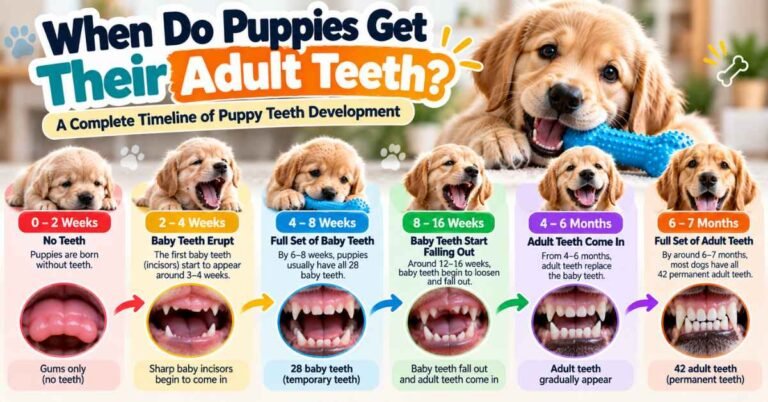
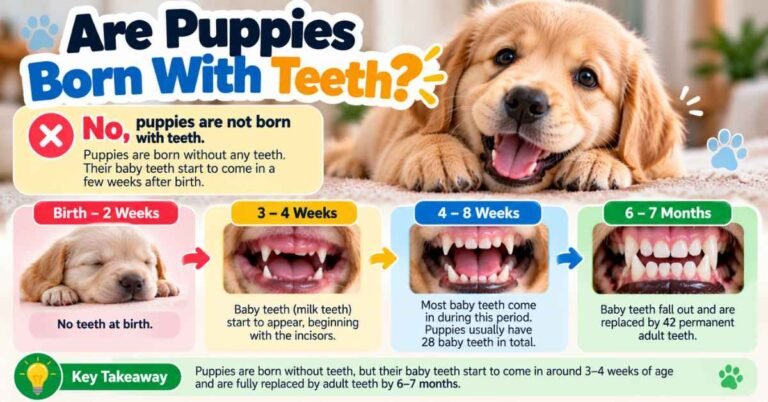
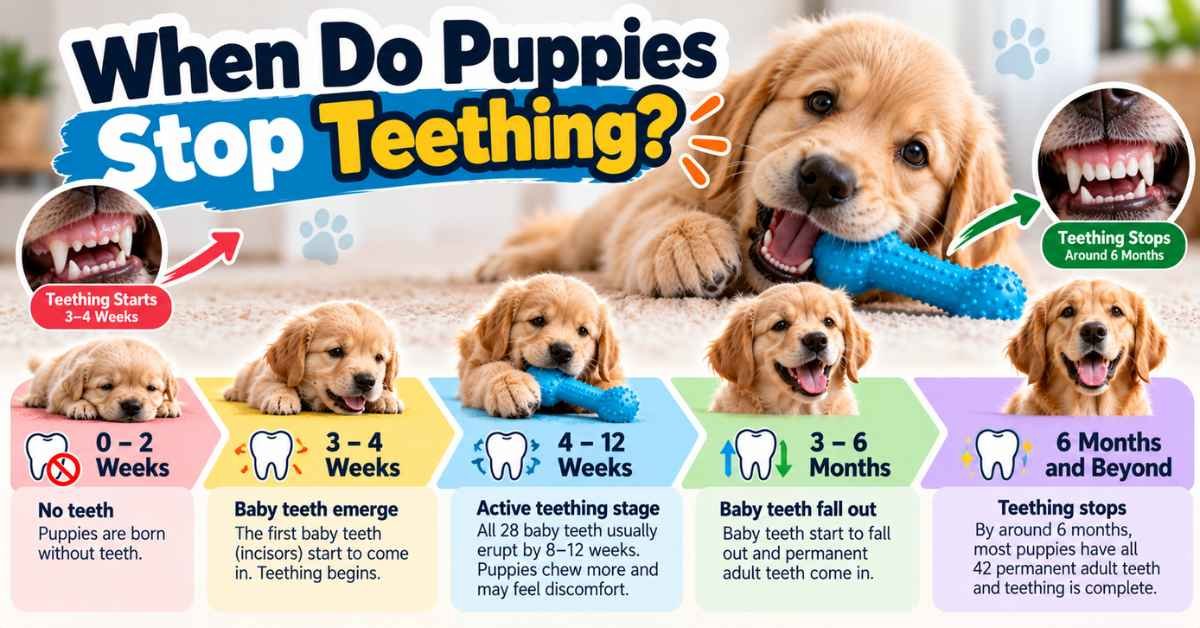
Most puppies stop teething between 6 and 7 months old. By this age, the 28 baby teeth should have fallen out, and the 42 adult teeth should be in place.
Many puppies begin losing baby teeth at about 3 to 4 months. Their adult teeth then push through the gums. This process can last for several months, so chewing, drooling, and mild gum bleeding may come and go.
Small dogs may finish a little later than large dogs. Some puppies have nearly all their adult teeth by 6 months, while others need closer to 7 or 8 months. A small difference is often normal.
When do puppies stop teething if they are a toy breed? Toy and small breeds may take longer because their mouths have less space. Your veterinarian can check your puppy’s teeth during routine visits and confirm that the adult teeth are growing well.
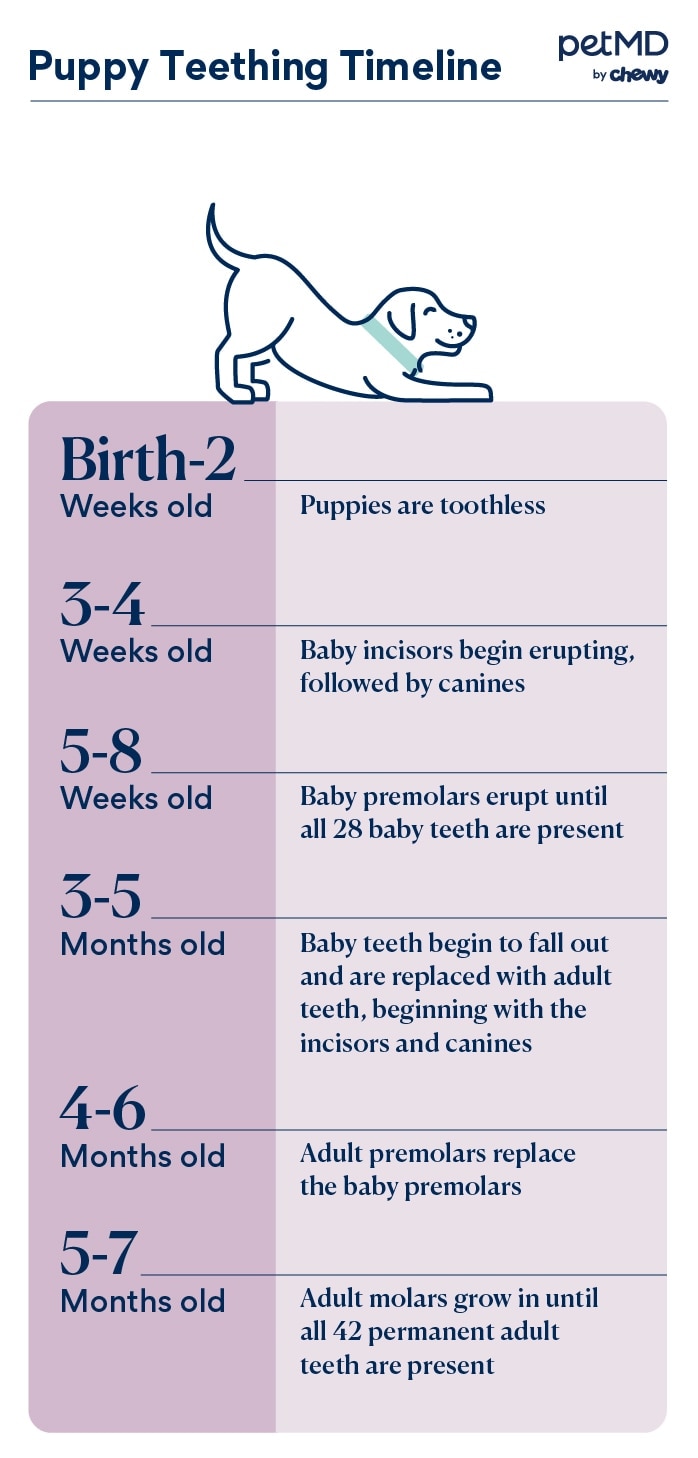
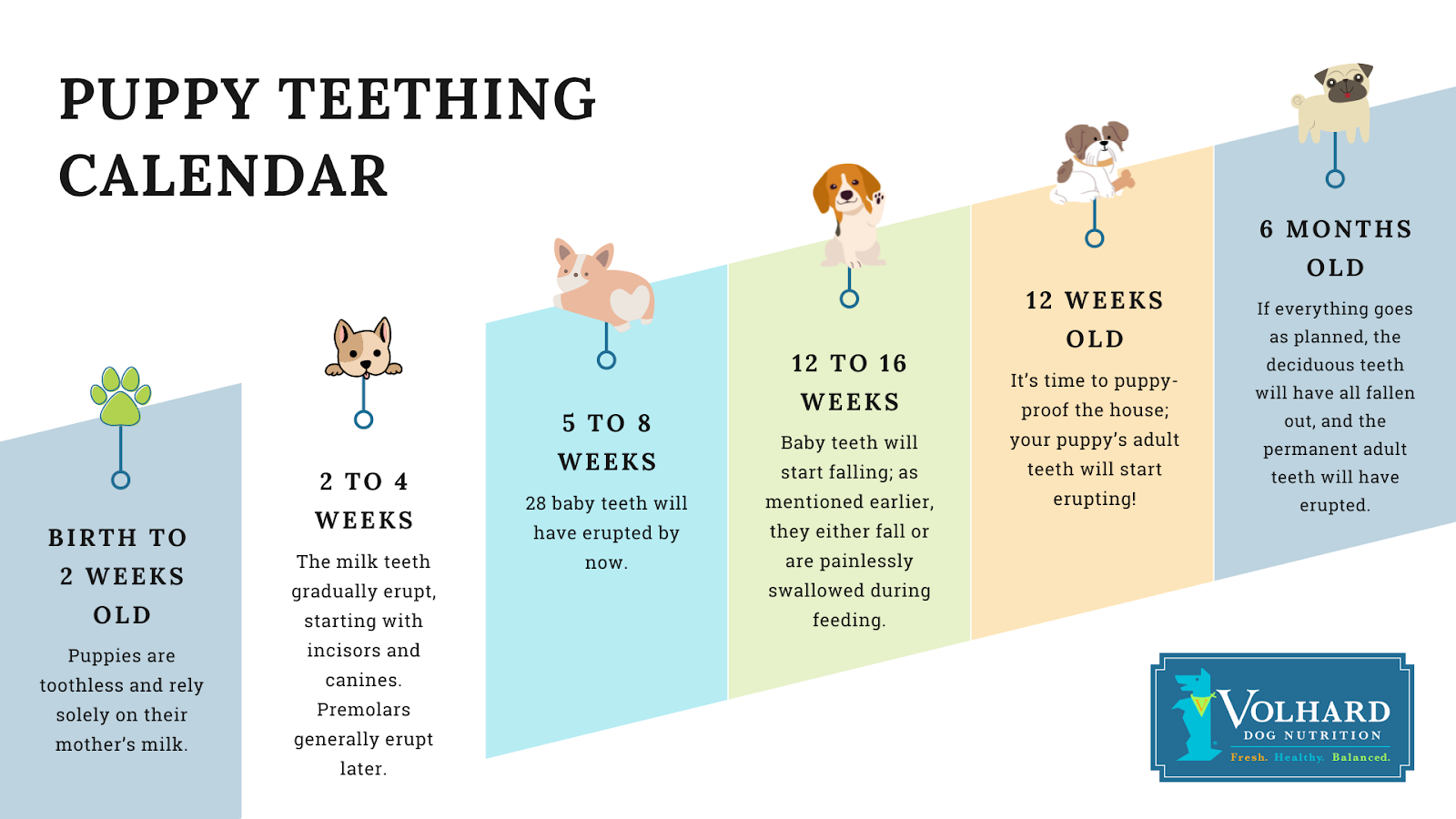
Puppy teething timeline
Knowing the usual puppy teething stages makes this phase less stressful. Think of it as a slow shift from a soft baby smile to a strong adult set of teeth.
Birth to 3 weeks
Puppies are born without visible teeth. This helps them nurse without hurting their mother.
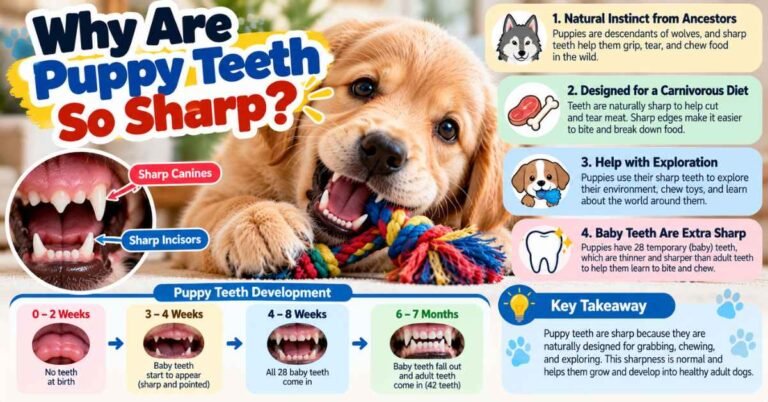
The first baby teeth usually appear when puppies are about 3 weeks old. These teeth are small and sharp. They are also called deciduous teeth.
3 to 8 weeks
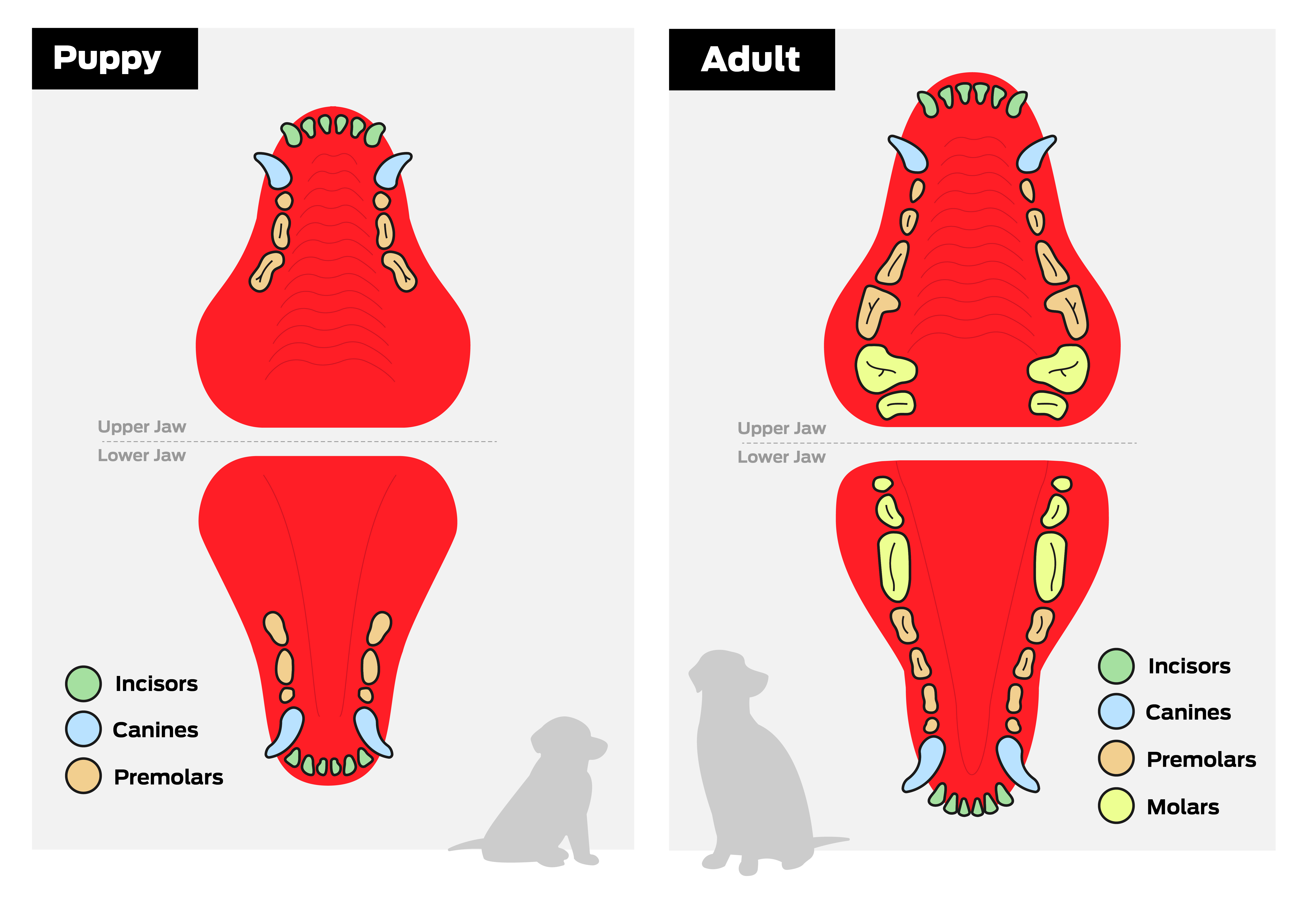
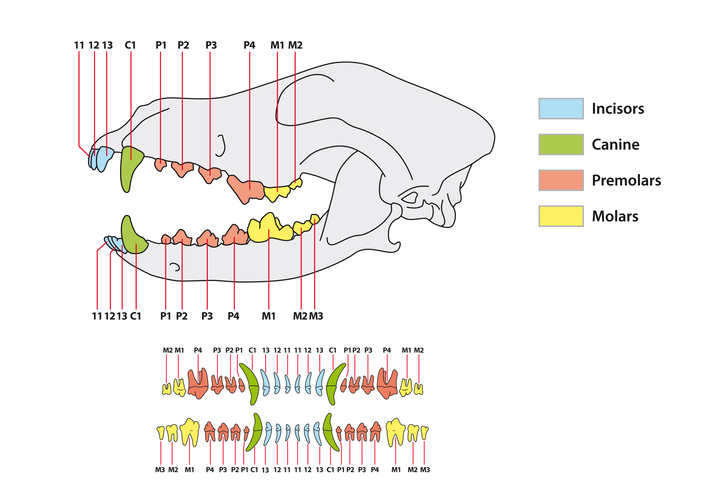
By 8 weeks, most puppies have their full set of 28 baby teeth. These include:
- 12 incisors at the front of the mouth
- 4 canine teeth
- 12 premolars
Puppies use these teeth to explore food, toys, and the world around them. They do not yet have adult molars.
3 to 4 months
Adult teeth begin to push through the gums. The baby teeth may loosen and fall out.
You may find a tiny tooth on the floor, in a toy, or in your puppy’s water bowl. You may also never see the tooth because many puppies swallow their lost teeth. This is usually harmless.
4 to 6 months
This is often the most active teething period. Puppies may chew more, drool more, or show tender gums.
Adult incisors, canine teeth, premolars, and molars continue to appear. When do puppies stop teething during this stage? Most are still teething until at least 6 months.
6 to 8 months
Most puppies have their adult teeth by this point. The urge to chew may still continue, but it should slowly become less intense.
Remember that teething and chewing are not the same thing. A puppy may keep chewing after teething ends because chewing is fun, calming, and natural.
Source: purina.com
Signs your puppy is teething
Teething affects puppies in different ways. Some show only mild signs, while others seem to chew everything in sight.
Common signs include:
- Increased chewing
- Red or swollen gums
- Extra drooling
- Mild mouth tenderness
- Small spots of blood on a toy
- Bad breath that improves after teething
- Less interest in hard food for a short time
- Whining while chewing
- Finding lost baby teeth
A small amount of blood can be normal when a tooth falls out. The gums may look pink, red, or slightly irritated.
Your puppy may also seem restless. Chewing can act like a soothing massage for sore gums. It is similar to how a teething baby may want to bite a cool, soft object.
Call your veterinarian if you notice heavy bleeding, facial swelling, pus, severe pain, fever, or a puppy that refuses food and water. These signs may point to more than normal teething.
:strip_icc()/SPR_2804965_puppy-teething-5aea1e143128340037636a47.png)
Source: offroadpark-langenaltheim.com
Why puppies chew during teething
Puppies chew for several reasons. Teething is one reason, but it is not the only one.
Growing adult teeth create pressure in the gums. Chewing gives the puppy a way to respond to that pressure. It may also help loosen baby teeth that are ready to fall out.
Chewing also supports normal puppy development. Puppies use their mouths much like toddlers use their hands. They learn about texture, shape, taste, and firmness through gentle exploration.
Other causes of chewing include:
- Boredom
- Extra energy
- Stress or frustration
- Separation discomfort
- Attention seeking
- Normal play
- A need for mental stimulation
In my experience helping people with young dogs, the biggest mistake is to treat all chewing as bad behavior. A teething puppy is not trying to be naughty. The puppy needs safe options and clear limits.
Instead of scolding, calmly trade an unsafe item for an approved chew. Praise your puppy when they choose the right toy. This teaches the lesson much faster than punishment.

Source: reddit.com
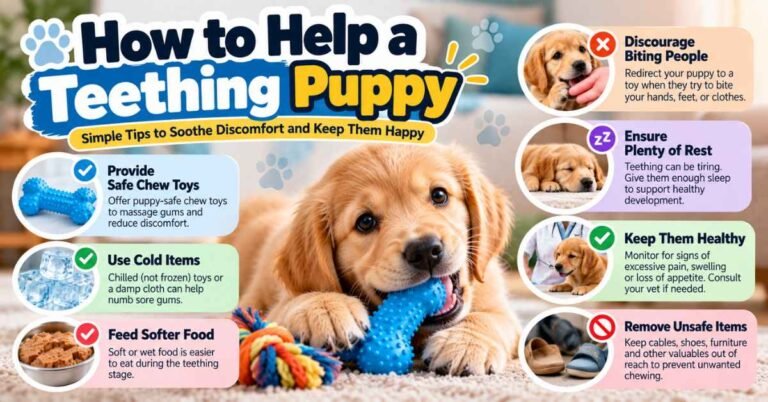
Safe ways to help a teething puppy
You can make teething easier with a few simple habits. The goal is to soothe sore gums while protecting your puppy’s teeth and stomach.
Offer soft, puppy-safe chews
Choose products made for puppies. They should have some flexibility and should not be hard enough to crack a tooth.
Good options may include:
- Rubber puppy toys
- Soft teething rings made for dogs
- Food-stuffed rubber toys
- Chilled, damp washcloths used only with supervision
- Puppy dental chews approved for your dog’s age and size
A chew should be larger than your puppy can swallow. Inspect it often and replace it when pieces break off.
Try chilled toys
Cool toys may calm sore gums. You can place a rubber toy in the refrigerator for a short time.
Avoid freezing very hard objects. Extremely hard items can damage developing teeth. A cold toy should be soothing, not rock solid.
Use food safely
If your puppy has trouble eating dry food, ask your veterinarian if you can soften it with warm water for a short time. Do not change the diet without considering your puppy’s age, health, and nutritional needs.
Never give human pain medicine. Ibuprofen, acetaminophen, and other common drugs can be dangerous or fatal to dogs.
Keep a chew routine
Give your puppy a chew after play, during quiet time, or when they settle in their crate. A regular routine can reduce random chewing around the home.
Supervise every chew. Even safe products can cause choking, stomach blockage, or tooth damage if used carelessly.

Source: oranuxconsult.com
What not to give a teething puppy
Some popular chew items are too hard or unsafe for young teeth. When do puppies stop teething safely if they chew hard objects? The timeline does not change, but hard objects can cause broken teeth at any age.
Avoid:
- Bones, whether cooked or raw
- Antlers
- Hooves
- Very hard nylon toys
- Rocks
- Ice cubes
- Sticks
- Objects small enough to swallow
- Toys with loose strings, plastic parts, or squeakers
A useful test is the thumbnail rule. If you cannot make a small mark in the item with your thumbnail, it may be too hard for your puppy’s teeth. This is only a guide, not a guarantee.
Raw bones also carry risks such as broken teeth, choking, bowel blockage, and exposure to harmful bacteria. A product labeled as “natural” is not automatically safe.
Choose size-appropriate toys from trusted brands. Ask your veterinarian for suggestions if you are unsure.
Source: volharddognutrition.com
Retained baby teeth in puppies
Sometimes a baby tooth stays in place after the adult tooth begins to appear. This is called a retained deciduous tooth.
The canine teeth are commonly affected. You may see two teeth in one spot, with the adult tooth growing beside the baby tooth. This can crowd the mouth and trap food near the gums.
Retained teeth are more common in small and toy breeds. They should not be ignored because they can contribute to gum disease, bite problems, and abnormal wear.
Check your puppy’s mouth gently once or twice a week. Do not pull a loose tooth yourself. A veterinarian may recommend removal, often while the puppy is already under anesthesia for another procedure, such as spaying or neutering.
When do puppies stop teething if they have a retained tooth? The normal teething period may be over, but the retained tooth still needs attention. A dental exam is the safest way to decide what to do.

Source: ferienhof-krey.de
How to care for puppy teeth
Dental care should begin before teething ends. Starting early helps your puppy accept mouth handling as a normal part of life.
Begin with a soft cloth or pet toothbrush. Let your puppy taste a small amount of dog toothpaste. Human toothpaste is not safe because it may contain ingredients dogs should not swallow.
Use short sessions:
- Touch your puppy’s lips and gums gently.
- Reward calm behavior.
- Let your puppy sniff the toothbrush.
- Brush a few teeth for several seconds.
- Slowly increase the time over several days.
Focus on the outside surfaces of the teeth. This is where plaque often collects. Daily brushing gives the best protection, but several times per week is still useful.
Dental chews and water additives may help, but they should not replace brushing or veterinary care. Look for products tested by recognized veterinary dental groups when possible.
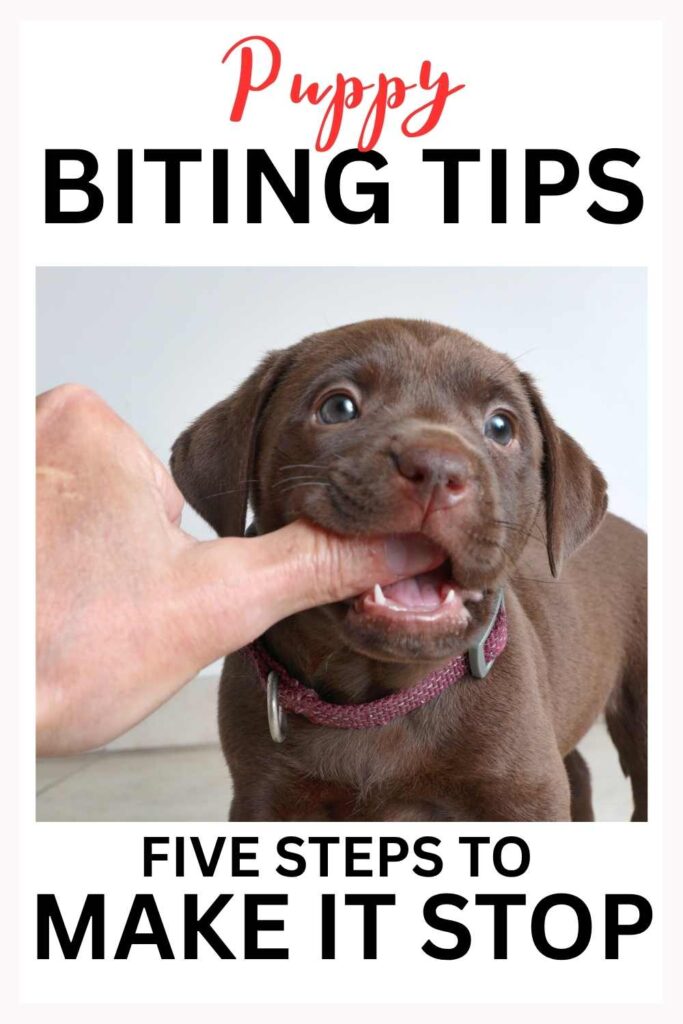
A veterinarian should examine your puppy’s mouth during routine wellness visits. Professional checks can find retained teeth, bite problems, gum inflammation, and broken teeth early.
Source: sch.id
When to call a veterinarian
Most puppy teething is mild. Still, some signs need prompt attention.
Contact your veterinarian if your puppy has:
- Heavy or ongoing bleeding
- A swollen face or jaw
- Pus near a tooth
- Severe mouth pain
- Trouble opening or closing the mouth
- Difficulty eating or drinking
- Repeated vomiting after chewing an object
- A broken tooth
- Strong, lasting bad breath
- A baby tooth that remains beside an adult tooth
- No adult tooth appearing after the baby tooth falls out
A puppy that suddenly stops eating may have mouth pain, but other health problems can cause this sign too. Do not assume it is only teething.
Your veterinarian can inspect the mouth, check the bite, and take dental X-rays if needed. X-rays may show adult teeth that have not erupted or roots that remain below the gum.
Source: whole-dog-journal.com
Common puppy teething mistakes to avoid
Teething can be easier when you avoid a few common errors.
First, do not give your puppy complete freedom in the house. A young dog may chew furniture, wires, socks, or small objects within seconds. Use gates, a playpen, or a puppy-safe room when you cannot supervise.
Second, do not punish chewing after it happens. Puppies do not connect a delayed punishment with the earlier action. Redirect the behavior at the moment you see it.
Third, do not offer an old shoe as a toy. Puppies cannot understand why one shoe is allowed but another shoe is forbidden. Give them clear and consistent choices.
Finally, do not wait until adult teeth arrive to start dental care. When do puppies stop teething is important, but lifelong mouth care begins much earlier.
Frequently Asked Questions
When do puppies stop teething completely?
Most puppies stop teething between 6 and 7 months of age. Some small breeds may finish closer to 8 months, so a slight delay can be normal.
Do puppies swallow their baby teeth?
Yes, many puppies swallow baby teeth while eating or playing. This is usually harmless, and you may never find the lost teeth.
Is bleeding normal when a puppy loses a tooth?
A tiny spot of blood can be normal when a baby tooth falls out. Heavy bleeding, swelling, pus, or ongoing pain is not normal and needs veterinary attention.
Do puppies still chew after teething ends?
Yes. Chewing may continue because it is enjoyable, calming, and mentally stimulating. Continue offering safe toys and supervise your dog’s chewing habits.
What should I do if my puppy has two teeth in one spot?
Two teeth in one spot may mean a retained baby tooth. Arrange a veterinary dental check, especially if the adult tooth is growing beside a baby canine tooth.
Can I give my puppy ice for sore gums?
Large ice cubes and very hard frozen items may damage teeth. A chilled, flexible puppy toy is a safer option.
When do puppies stop teething if they are a small breed?
Small breeds may stop teething closer to 7 or 8 months. Their smaller mouths can make it harder for adult teeth to move into place, so regular dental checks are helpful.
Conclusion
When do puppies stop teething? Most finish between 6 and 7 months, although small breeds may take a little longer. During this stage, mild gum soreness, extra chewing, drooling, and a small amount of blood can be normal.
Give your puppy safe, flexible chews, avoid bones and very hard toys, and start gentle tooth care early. Check the mouth often for retained baby teeth, and contact your veterinarian if you see pain, swelling, heavy bleeding, or trouble eating.
With patience and a good routine, teething can become a manageable part of puppy life. Use these tips today, and share your puppy’s teething experience in the comments.