How To Help A Teething Puppy: Easy Relief Tips
Give your puppy safe chew toys, gentle gum relief, positive training, and close supervision during teething.
Teething can turn a sweet puppy into a tiny shark. Sore gums, loose teeth, and a strong urge to chew may lead to nipping, destroyed shoes, or poor sleep. Learning how to help a teething puppy means easing pain safely while teaching what is okay to bite. This guide covers trusted methods, common mistakes, warning signs, and simple steps you can use at home.
When Do Puppies Start Teething?
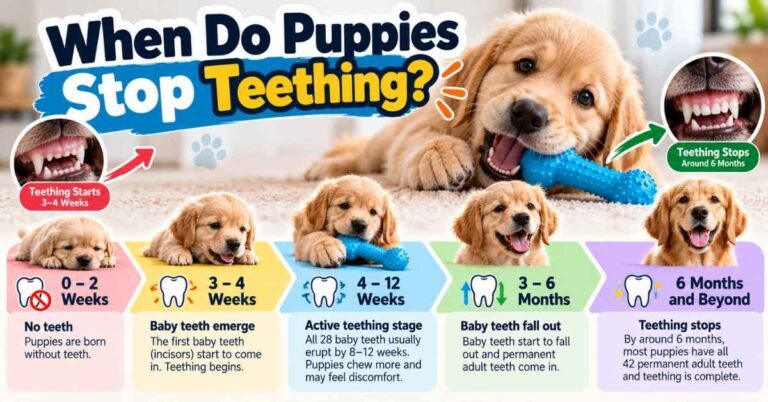
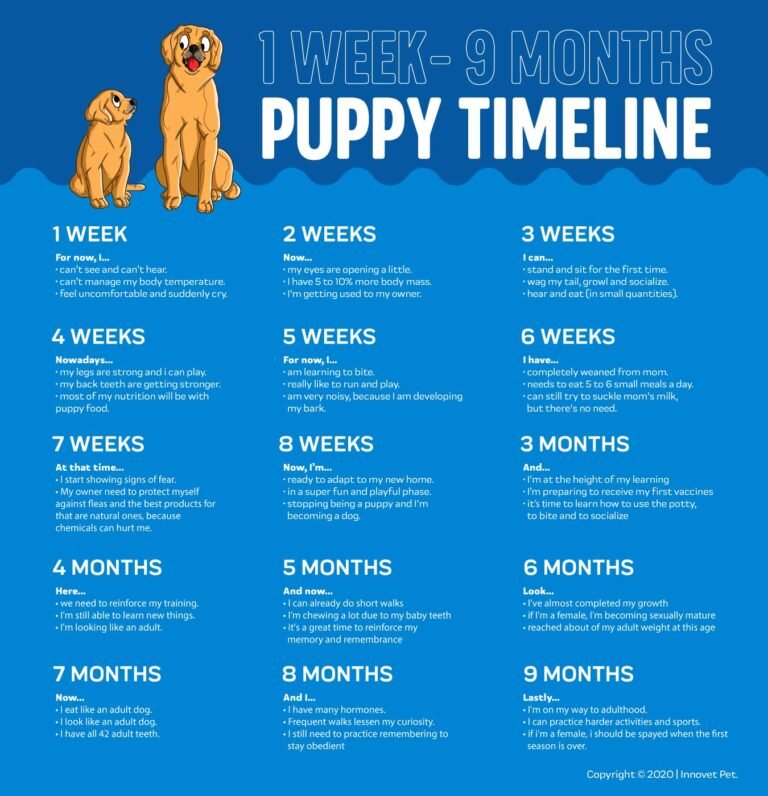
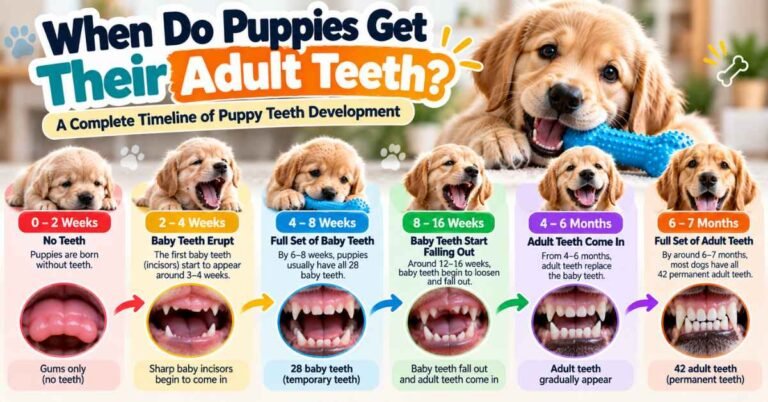
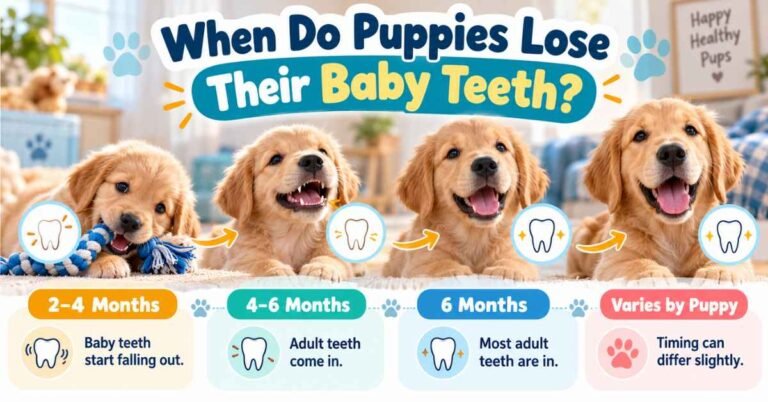
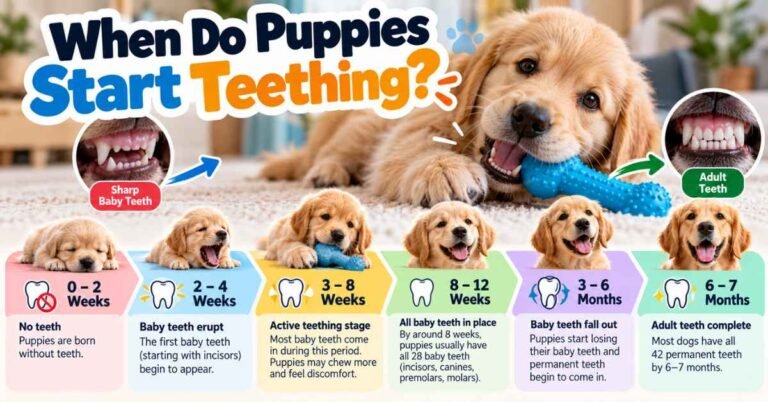
Most puppies begin losing their baby teeth at about 3 to 4 months of age. Their adult teeth usually come in by 6 to 7 months. During this time, the gums can feel tender, much like a child’s gums during teething.
Puppies have 28 baby teeth. Most adult dogs have 42 permanent teeth. As adult teeth grow, the roots of baby teeth dissolve, and the loose teeth often fall out during play or meals.
Common signs of puppy teething include:
• Chewing furniture, shoes, toys, or hands
• Drooling more than usual
• Red or swollen gums
• Small spots of blood on a toy
• Whining or acting restless
• Eating more slowly
• Finding tiny teeth on the floor
A little blood is often normal when a tooth falls out. However, heavy bleeding, facial swelling, pus, or a strong mouth odor needs prompt veterinary care.
How to Help a Teething Puppy Safely
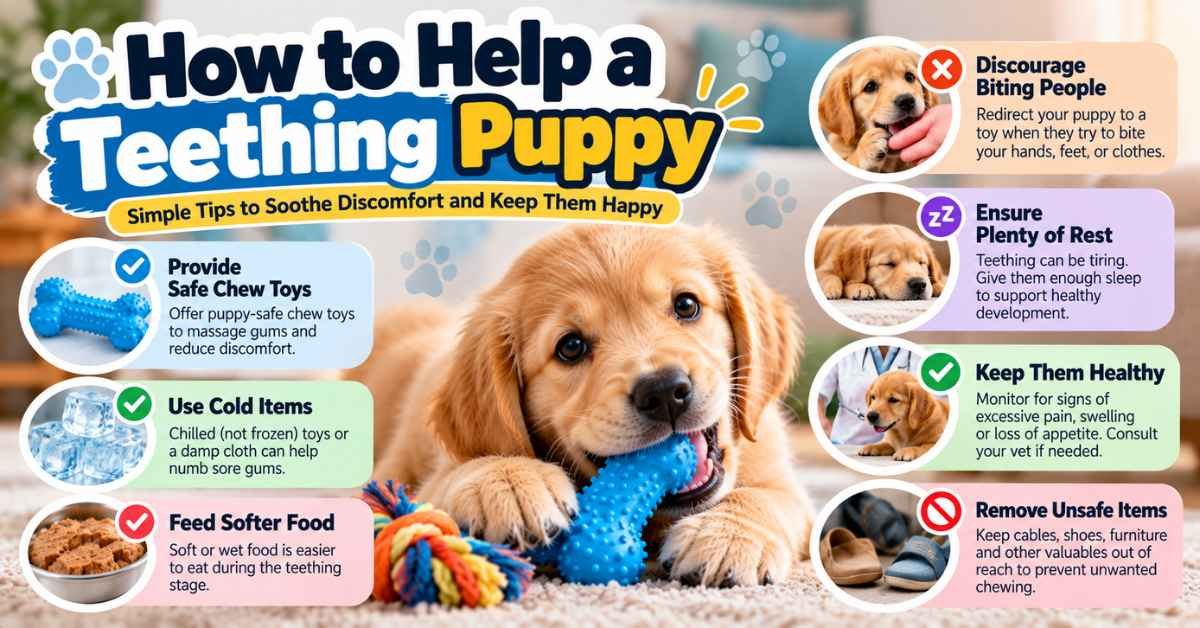
The best way to help a teething puppy is to offer safe chewing choices and remove tempting objects. Chewing gives pressure to sore gums, but not every chew is safe. A good chew should be durable enough for the puppy’s size but not so hard that it can crack a tooth.
Use these practical steps:
-
Offer puppy-specific rubber toys. Choose flexible toys made for teething puppies. They should bend slightly under pressure.
-
Chill the toy. A cool rubber toy can soothe sore gums. Place it in the refrigerator for a short time, but avoid freezing toys until they become rock hard.
-
Rotate several toys. Keep two or three safe options available and switch them each day. This keeps the toys interesting.
-
Reward the right choice. Praise your puppy when they chew a toy instead of a table leg.
-
Redirect biting calmly. If your puppy bites your hand, stop moving, say a calm word such as “gentle,” and offer a toy.
-
Supervise every chew. Watch for cracks, torn pieces, or loose parts. Replace damaged toys at once.
I once saw a puppy ignore a basket full of toys and chew one particular wooden chair leg. The owner rubbed a small amount of dog-safe food onto a rubber toy, then praised the puppy for choosing it. Within a few days, the puppy began seeking the toy instead of the chair. The lesson is simple: make the right choice easy and rewarding.
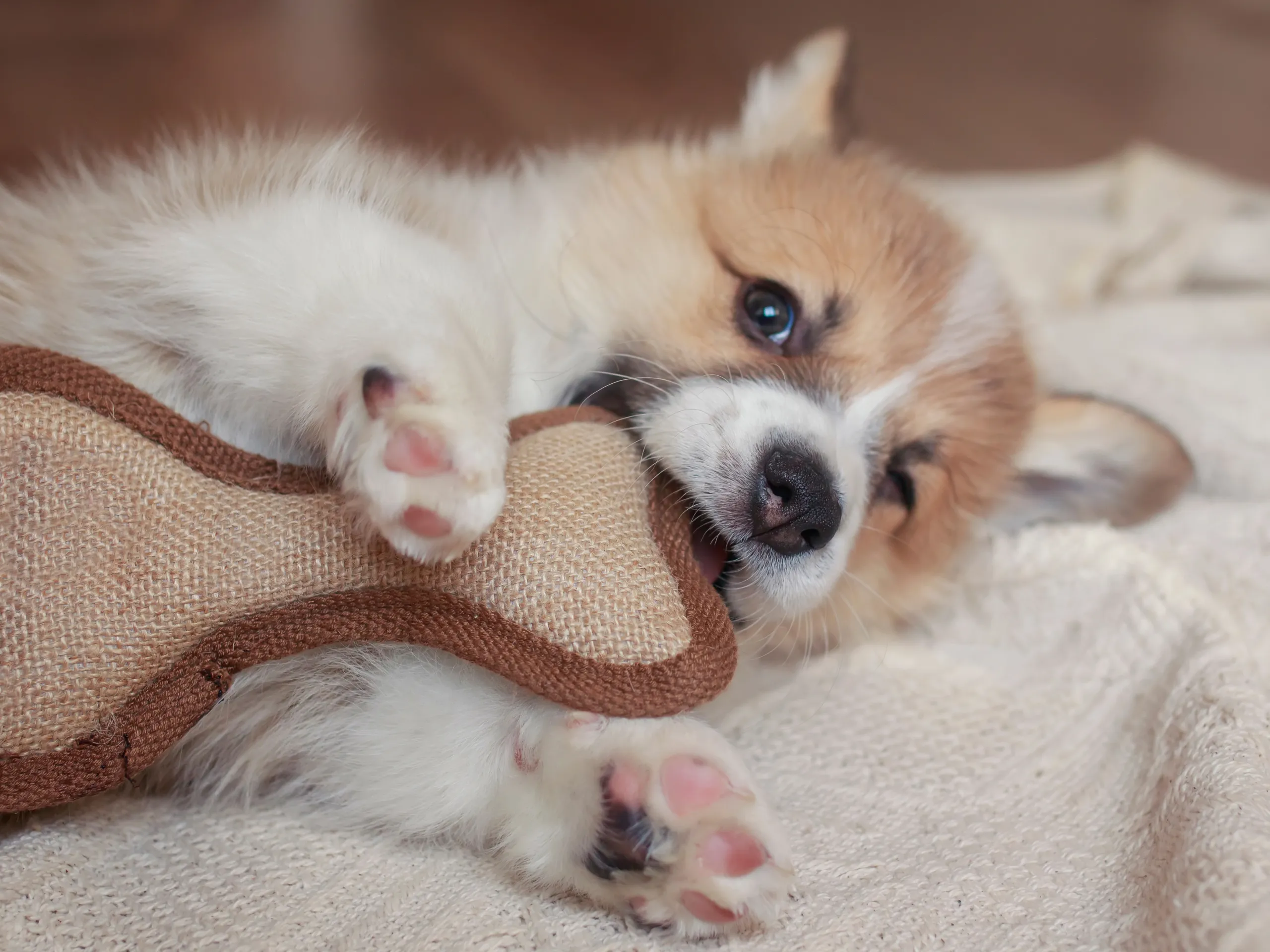
Best Chew Toys for Teething Puppies
The best teething toys are safe, washable, and sized for your puppy’s mouth. A toy that is too small can become a choking hazard. A toy that is too large may frustrate your puppy.
Good options may include:
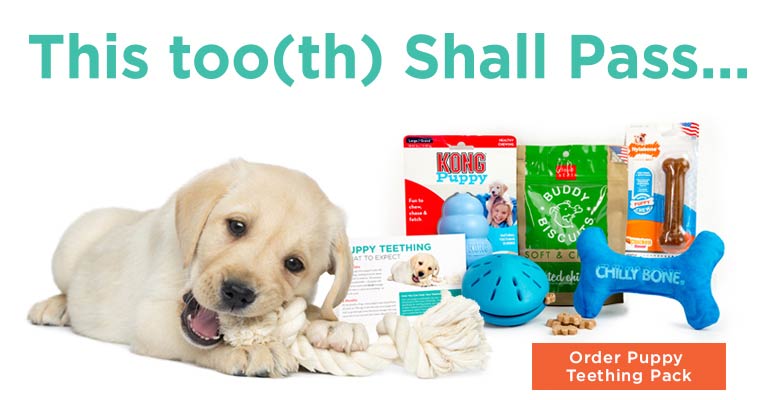
• Flexible rubber teething toys
• Puppy toys with soft ridges or bumps
• Food-stuffable rubber toys
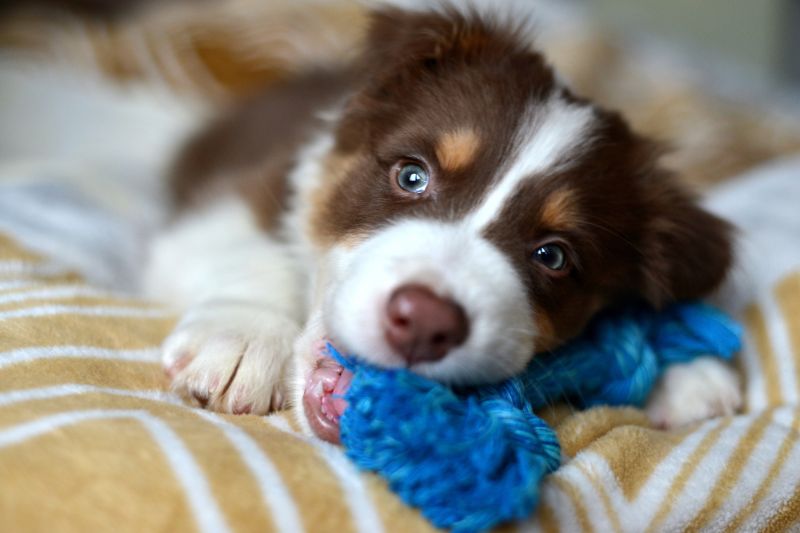
• Soft rope toys used only with supervision
• Puppy dental toys that meet recognized safety standards
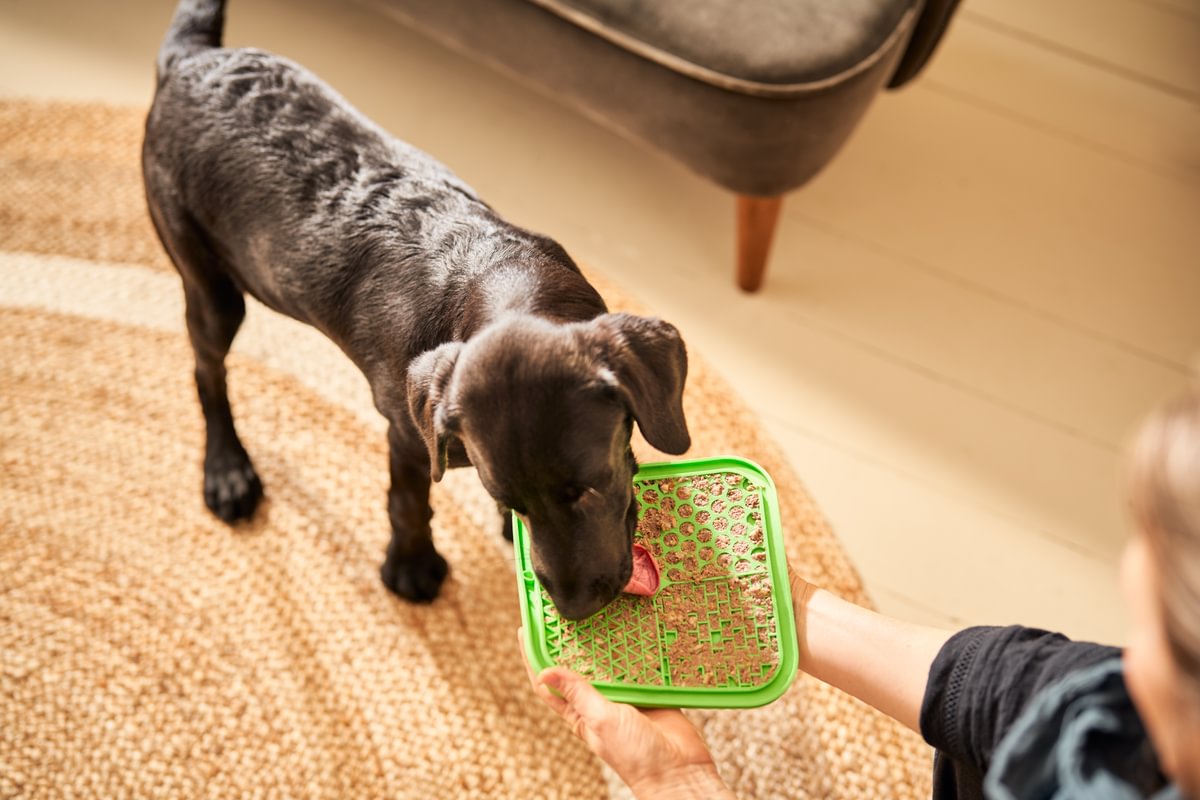
Food-stuffable toys can provide extra comfort. You may fill them with a small amount of your puppy’s regular food, mashed pumpkin without spices, or a veterinary-approved treat. Keep the portion small so the toy does not add too many calories.
Avoid toys made from materials that splinter, break into sharp pieces, or shed long strings. Always follow the maker’s size and age guidance.
A useful rule is the thumbnail test: if you cannot press a fingernail into the chew, it may be too hard for your puppy’s teeth. This is not a perfect test, so ask your veterinarian about unfamiliar products.
:strip_icc()/SPR_2804965_puppy-teething-5aea1e143128340037636a47.png)
Can You Give a Teething Puppy Ice?
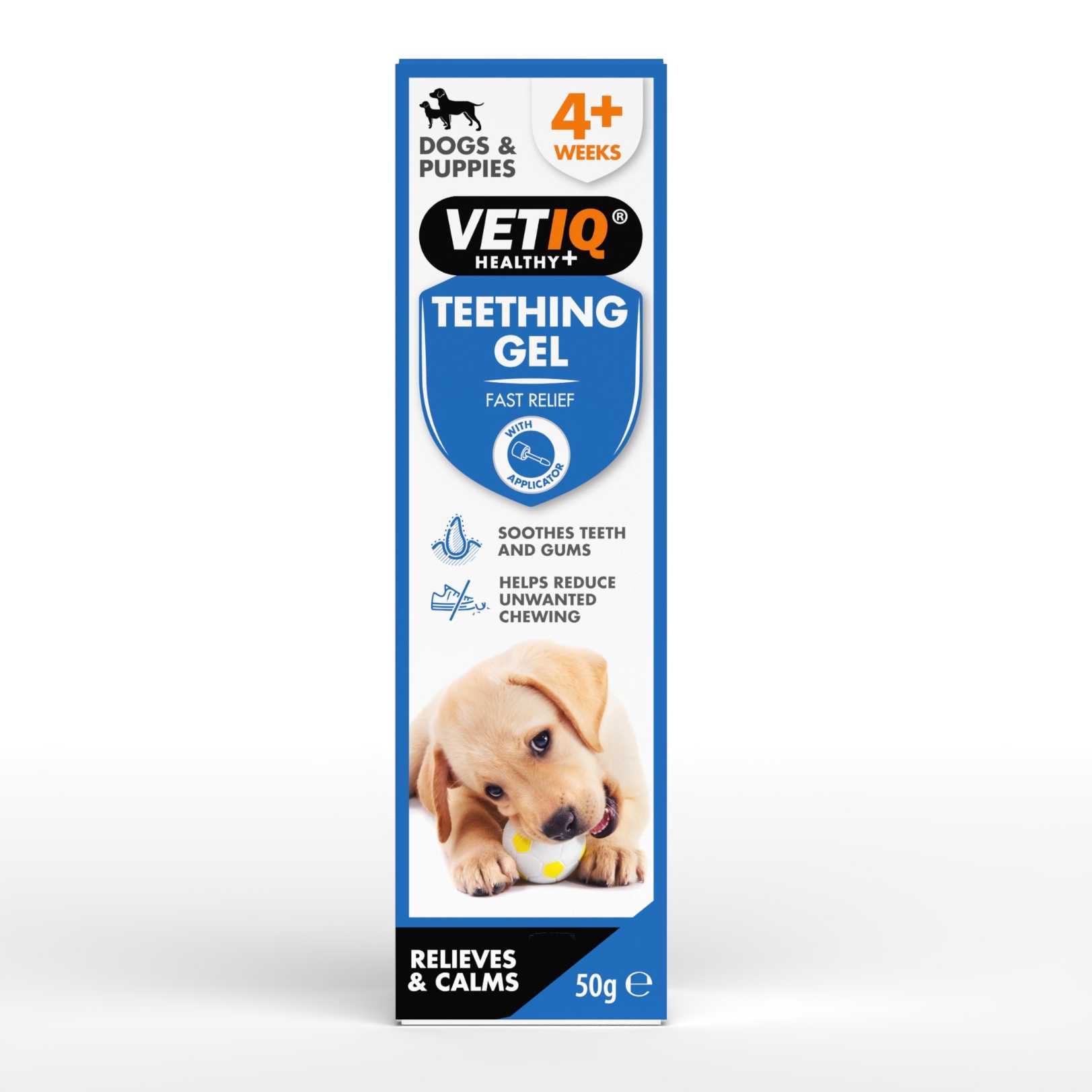
Cold can help soothe sore gums, but large, hard ice cubes may damage teeth or become a choking risk. Instead, offer a chilled puppy toy or a clean, damp washcloth that has been cooled in the refrigerator.
If you use a washcloth, supervise your puppy closely. Remove it as soon as the cloth starts to tear. Do not let your puppy swallow fabric.
Some puppies enjoy a small amount of frozen food inside a rubber toy. Use only ingredients that are safe for dogs, and avoid foods such as chocolate, grapes, raisins, onions, garlic, and products containing xylitol.
Cold relief should be brief and gentle. It should not replace a veterinary check if your puppy seems very painful or stops eating.
How to Stop Puppy Biting During Teething
Teething and play biting often happen together. A puppy may bite because the gums hurt, but they may also be learning how to interact with people. Punishment can make the puppy fearful and may increase rough behavior.
Try this simple pattern:
• Keep your hands still when the puppy grabs them.
• Say a calm word such as “ouch” or “enough.”
• End the game for a few seconds.
• Offer a toy when the puppy settles.
• Praise calm chewing.
Avoid waving your fingers near the puppy’s face. Fast hand movements can turn your hands into exciting toys. Encourage family members to use the same response every time.
Short training sessions work best. Practice “drop it,” “leave it,” and “take it” with treats and toys. These cues can prevent future problems and make chewing easier to manage.
A common mistake is giving a puppy an old shoe. The puppy cannot understand why one shoe is allowed but another shoe is not. Offer a clear alternative, such as a rubber toy, every time.
Foods and Chews to Avoid
Many products sold as dog chews can cause broken teeth, choking, stomach blockage, or intestinal injury. Puppies have developing teeth, so they need extra care.
Avoid giving your puppy:
• Cooked bones, which can splinter
• Antlers, hooves, and very hard nylon chews
• Small rawhide pieces that can be swallowed
• Toys with loose squeakers or plastic parts
• Sticks that can puncture the mouth
• Large chunks of ice
• Human pain medicine
Raw diets and raw bones also carry food safety concerns. They may expose people and pets to harmful bacteria, and hard bones can still fracture teeth. If you are considering a raw product, discuss it with your veterinarian first.
Never give ibuprofen, acetaminophen, aspirin, or other human medicine unless a veterinarian gives exact instructions. Some human pain relievers can cause severe poisoning in dogs.
Feeding a Teething Puppy
Most puppies can continue eating their normal puppy food during teething. If the mouth feels sore, soaking dry food in warm water for a few minutes may make it easier to chew. Serve the food at a safe temperature, not hot.
Watch your puppy during meals. Contact your veterinarian if your puppy refuses food, cannot close the mouth, drops food often, or cries while eating.
Do not switch diets repeatedly. Sudden food changes can cause diarrhea and make it harder to know whether the mouth or stomach is the problem.
Treats should remain a small part of the daily diet. The feeding plan should support steady growth without causing excess weight. Your veterinarian can guide you based on breed, age, size, and activity.

Puppy Tooth Problems to Watch For
Most puppy teeth fall out without trouble, but some teeth do not. A retained baby tooth stays in place while the adult tooth grows beside it. This is common with the canine teeth.
Retained teeth can crowd the mouth and trap food. They may also affect the adult bite. Small breeds may be more likely to develop this problem, but any puppy can have it.
Check your puppy’s mouth gently once a week. Look for:
• Two teeth occupying one spot
• A baby tooth that remains after the adult tooth appears
• Severe gum swelling
• A tooth pointing into the roof of the mouth
• Pus, bleeding, or a foul smell
• A broken tooth
Do not pull a loose tooth yourself. The tooth may have a root that has not fully dissolved, and pulling it can cause pain or injury. A veterinarian can decide whether removal is needed.
Veterinary dental groups recommend checking the mouth during routine puppy visits. Early care can prevent bite problems and protect adult teeth.

When to Call a Veterinarian
Mild gum soreness is expected, but severe symptoms are not. Call your veterinarian if your puppy has intense pain, will not eat, or seems unusually tired.
Seek urgent veterinary help for:
• Trouble breathing or swallowing
• A swollen face or jaw
• Heavy bleeding
• A broken tooth with visible pulp
• Repeated vomiting after swallowing a toy part
• Choking, gagging, or sudden weakness
• A suspected toxic food or medicine exposure
A puppy may hide pain, so behavior changes matter. A normally playful puppy who becomes quiet, avoids touch, or cries while chewing needs attention.
Veterinary care is especially important after a chew injury. A damaged tooth may look small from the outside but still hurt below the gum line.
A Simple Daily Teething Routine
A steady routine can make teething less stressful for everyone. Puppies often chew more when they are tired, bored, or overstimulated.
Try this daily plan:
-
Begin with a short walk or gentle play session.
-
Offer a safe chew toy in a quiet area.
-
Let your puppy chew for 10 to 15 minutes while supervised.
-
Remove the toy and inspect it for damage.
-
Give your puppy a nap in a safe crate or pen.
-
Repeat calm training later in the day.
Puppies need plenty of sleep. An overtired puppy may bite more, not less. A nap can work better than another exciting game.
Keep shoes, socks, remote controls, wires, and children’s toys out of reach. Puppy-proofing is not a failure of training. It is a smart way to prevent mistakes while your puppy learns.
Common Mistakes to Avoid
Knowing how to help a teething puppy also means knowing what not to do. Many well-meaning owners choose products that seem natural but are too hard or unsafe.
Avoid these mistakes:
• Using punishment for normal chewing
• Leaving a puppy alone with a damaged toy
• Giving very hard bones or antlers
• Offering an old shoe as a toy
• Ignoring a retained baby tooth
• Giving human pain medicine
• Changing food without a clear reason
• Allowing children to pull toys from the puppy’s mouth
Instead, focus on prevention, redirection, and reward-based training. If children live in the home, teach them to trade a toy for a treat rather than grabbing it. This helps prevent guarding and keeps play calm.
The goal is not to stop chewing. Chewing is normal puppy behavior. The goal is to guide it toward safe outlets.
Frequently Asked Questions About How to Help a Teething Puppy
What can I give my puppy for teething pain?
Offer a chilled puppy-safe rubber toy or a cool, damp washcloth under supervision. Do not give human pain medicine unless your veterinarian specifically prescribes it.
Is it normal for a puppy’s gums to bleed during teething?
A small spot of blood on a toy can be normal when a baby tooth falls out. Heavy bleeding, swelling, pus, or a bad smell is not normal and needs veterinary attention.
Can puppies have frozen treats for teething?
Puppies can have small, dog-safe frozen treats if they are soft enough and given with supervision. Avoid large ice cubes and hard frozen items that may damage teeth or cause choking.
How do I stop my puppy from biting my hands?
Keep your hands still, end the game briefly, and offer a safe toy. Praise your puppy each time they choose the toy instead of your skin.
Should I pull out my puppy’s loose tooth?
No. Let the tooth fall out naturally unless a veterinarian advises removal. Pulling it may cause pain, bleeding, or damage to the developing adult tooth.
What should I do if my puppy swallows a baby tooth?
Most swallowed baby teeth pass without a problem. Contact your veterinarian if your puppy shows vomiting, pain, weakness, choking, or trouble eating.
When should my puppy have a dental check?
Ask your veterinarian to check the mouth during each puppy visit. A dental exam is especially important if an adult tooth appears beside a baby tooth or your puppy has trouble eating.
Conclusion
Helping a teething puppy is about comfort, safety, and steady training. Use flexible puppy toys, offer cool relief, supervise every chew, protect your home, and reward good choices. Avoid hard bones, damaged toys, and human medicine.
Teething is temporary, but the habits your puppy learns now can last for life. Start with one safe chew toy today, add a calm redirect when biting begins, and ask your veterinarian about any tooth or pain concern. Share this guide with another new puppy owner or explore more trusted puppy-care resources for the next stage of growth.