When Do Puppies Lose Their Baby Teeth: Teething Guide
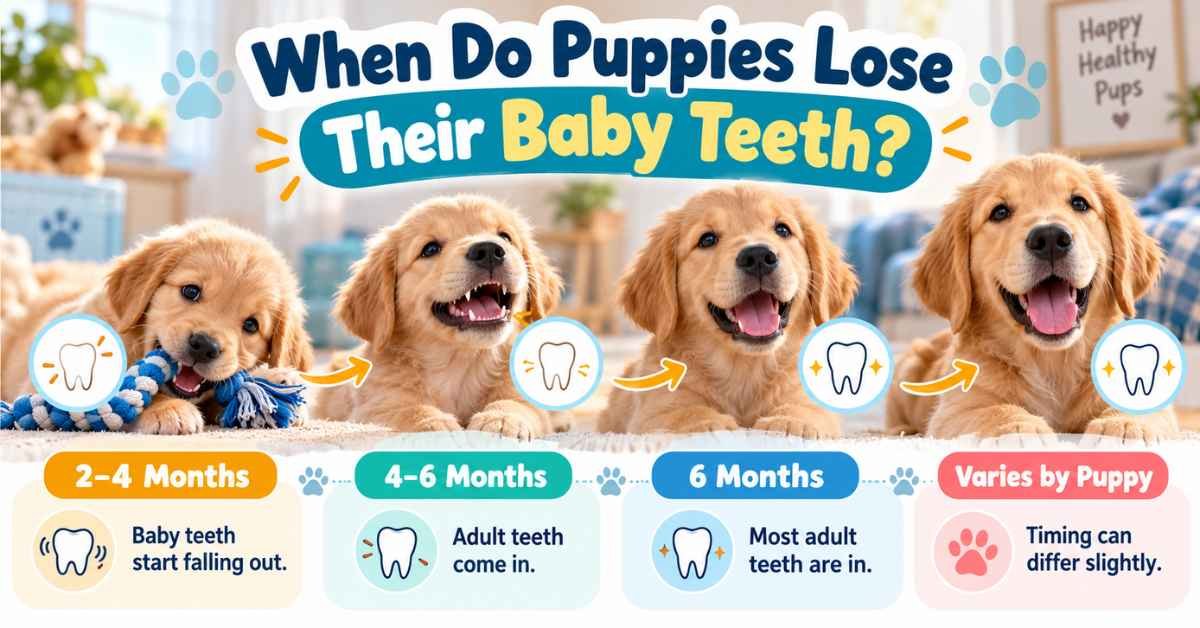
Most puppies lose their baby teeth between 12 and 16 weeks, with most having adult teeth by six months.
Knowing when do puppies lose their baby teeth helps you spot normal teething and catch problems early. Puppy teeth fall out in stages, often with little warning, and many are swallowed without harm. This guide explains the puppy teething timeline, common signs, safe care, and when a veterinarian should check your dog’s mouth.
When do puppies lose their baby teeth?
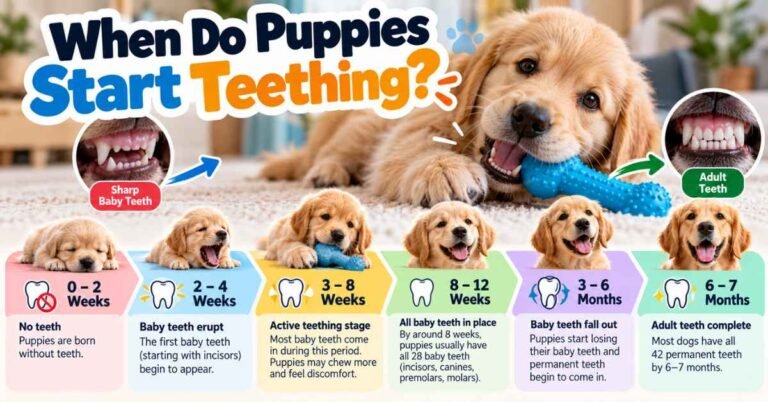
Most puppies begin losing their baby teeth at about 12 weeks of age. The process usually continues until 24 to 28 weeks, or roughly six to seven months old.
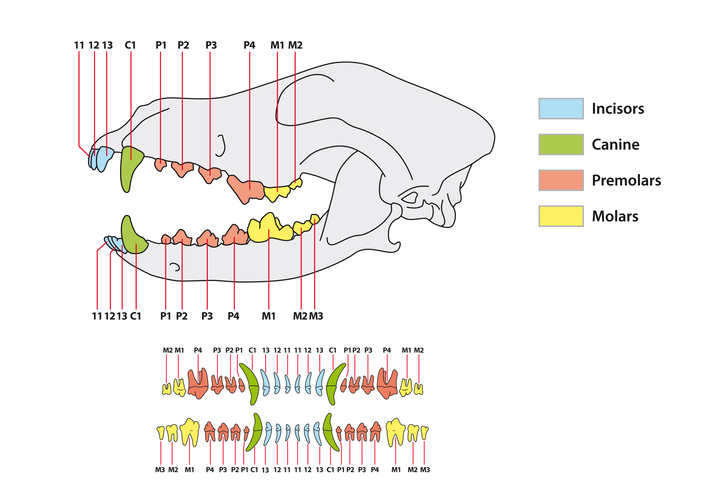
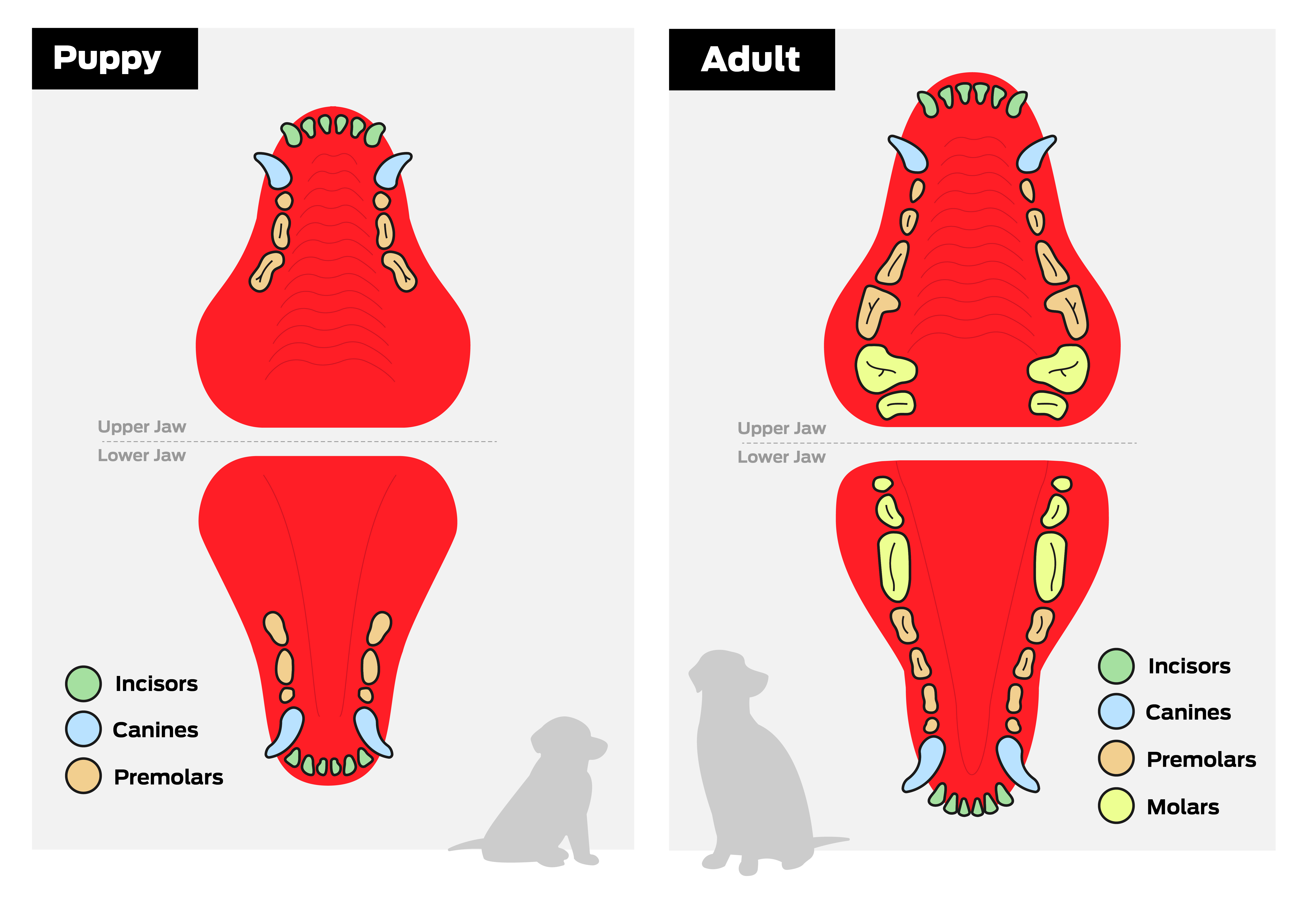
The exact timing can vary. Small dogs may take longer than large dogs, and some puppies lose teeth earlier or later without any health problem. By adulthood, most dogs have 42 permanent teeth, while puppies have about 28 deciduous, or baby, teeth.
A simple timeline looks like this:
• Birth to 3 weeks: Puppies usually have no visible teeth.
• 3 to 6 weeks: The 28 baby teeth begin to come through.
• 12 to 16 weeks: Baby incisors often loosen and fall out first.
• 16 to 20 weeks: Canines and premolars may start to fall out.
• 20 to 28 weeks: Most adult teeth finish erupting.
• Around 6 to 7 months: The adult set is usually complete.
So, when do puppies lose their baby teeth? In most cases, the answer is between three and six months of age. Your puppy may not follow the exact schedule, so look at the overall pattern rather than one specific week.
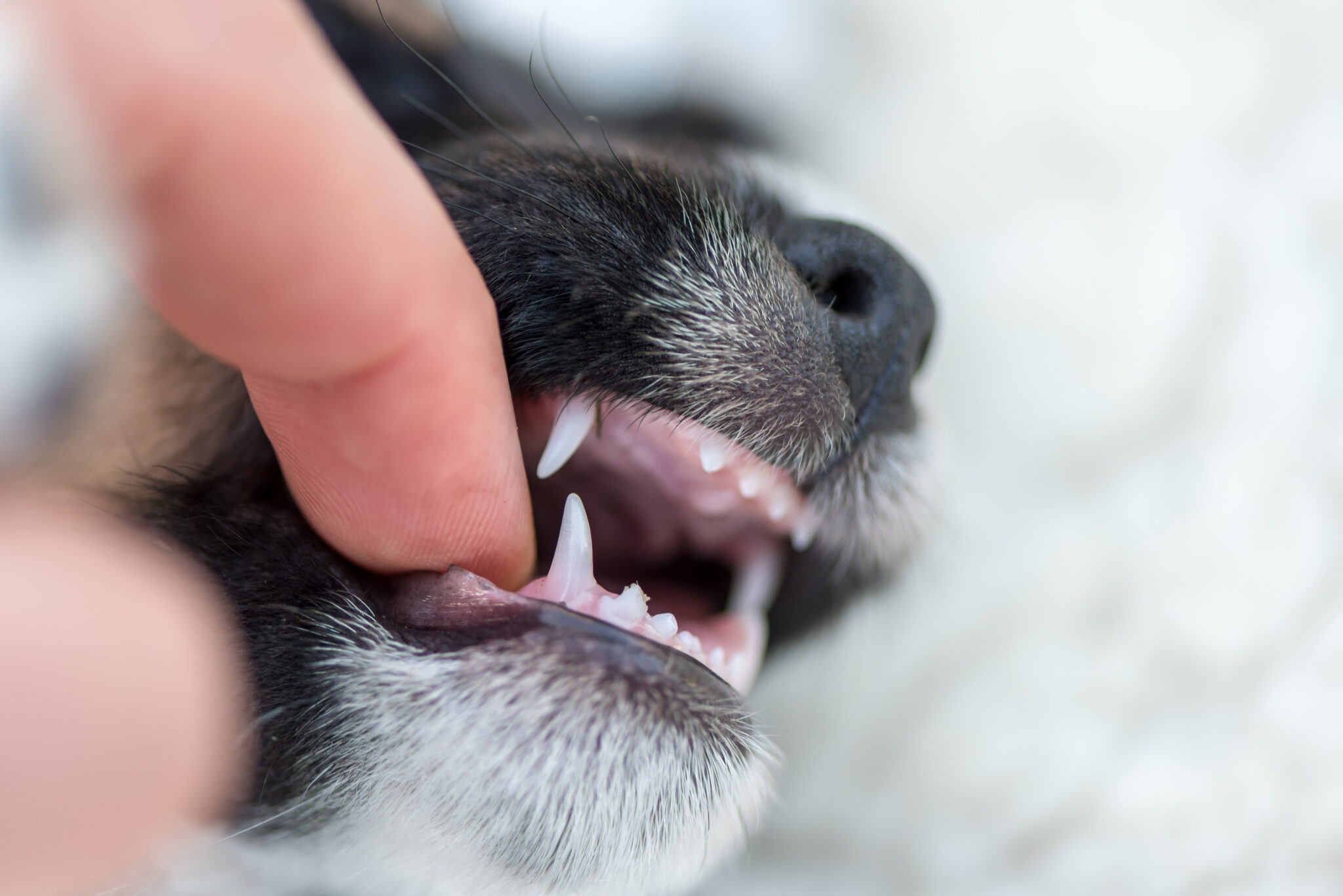
Why do puppies lose their baby teeth?
Puppies lose baby teeth because their jaws grow too large for their first set of teeth. The adult teeth develop under the baby teeth and slowly push them out, much like permanent teeth replace children’s primary teeth.
As an adult tooth rises, it causes the root of the baby tooth to dissolve. The baby tooth becomes loose and falls away. This process makes room for larger, stronger teeth that can handle an adult dog’s diet and chewing habits.
Puppy teeth are sharp and fine. They help young dogs learn to chew, but they are not built for a lifetime of strong biting. Adult teeth have deeper roots and a larger surface area.
Teething can also explain why puppies chew furniture, shoes, rugs, and table legs. Chewing gives pressure to sore gums and helps loose teeth come out. It is normal behavior, but your puppy still needs safe limits and good training.

Source: veterinarydental.com
What is the puppy teething timeline?
The puppy teething timeline usually starts with the small front teeth, called incisors. These teeth often loosen first because they are small and tend to fall out as the adult incisors move into place.
Next, puppies often lose their canine teeth and premolars. Canine teeth are the long, pointed teeth near the front of the mouth. Premolars sit farther back and help cut and crush food.
You may notice one of these signs during the process:
• More chewing than usual
• Mild gum redness
• Drooling
• A small spot of blood on a toy
• Eating more slowly
• Pawing at the mouth
• Finding a tiny tooth on the floor
• A temporary change in breath odor
Some puppies show almost no signs. Others act restless or fussy for a few days. When do puppies lose their baby teeth can affect daily behavior, but normal teething should not cause severe pain, major swelling, or refusal to eat.
Source: reddit.com
What happens when a puppy tooth falls out?
A loose puppy tooth may fall out while your dog eats, plays, or chews. You may find it in bedding, near a food bowl, or stuck in a toy. You may also never find it because puppies commonly swallow their loose teeth.
Swallowing a small baby tooth is usually harmless. It passes through the digestive system without trouble. There is no need to make your puppy spit it out or search through every meal.
A small amount of blood can appear when a tooth falls out. This often stops quickly. A light pink mark on a chew toy is usually not an emergency.
However, contact your veterinarian if you notice:
• Heavy or ongoing bleeding
• A broken tooth with a sharp edge
• Facial swelling
• Pus near the gums
• Severe mouth pain
• A strong, lasting foul odor
• Trouble eating or drinking
• Extreme tiredness or fever
These signs may point to infection, injury, or a dental problem beyond normal teething.
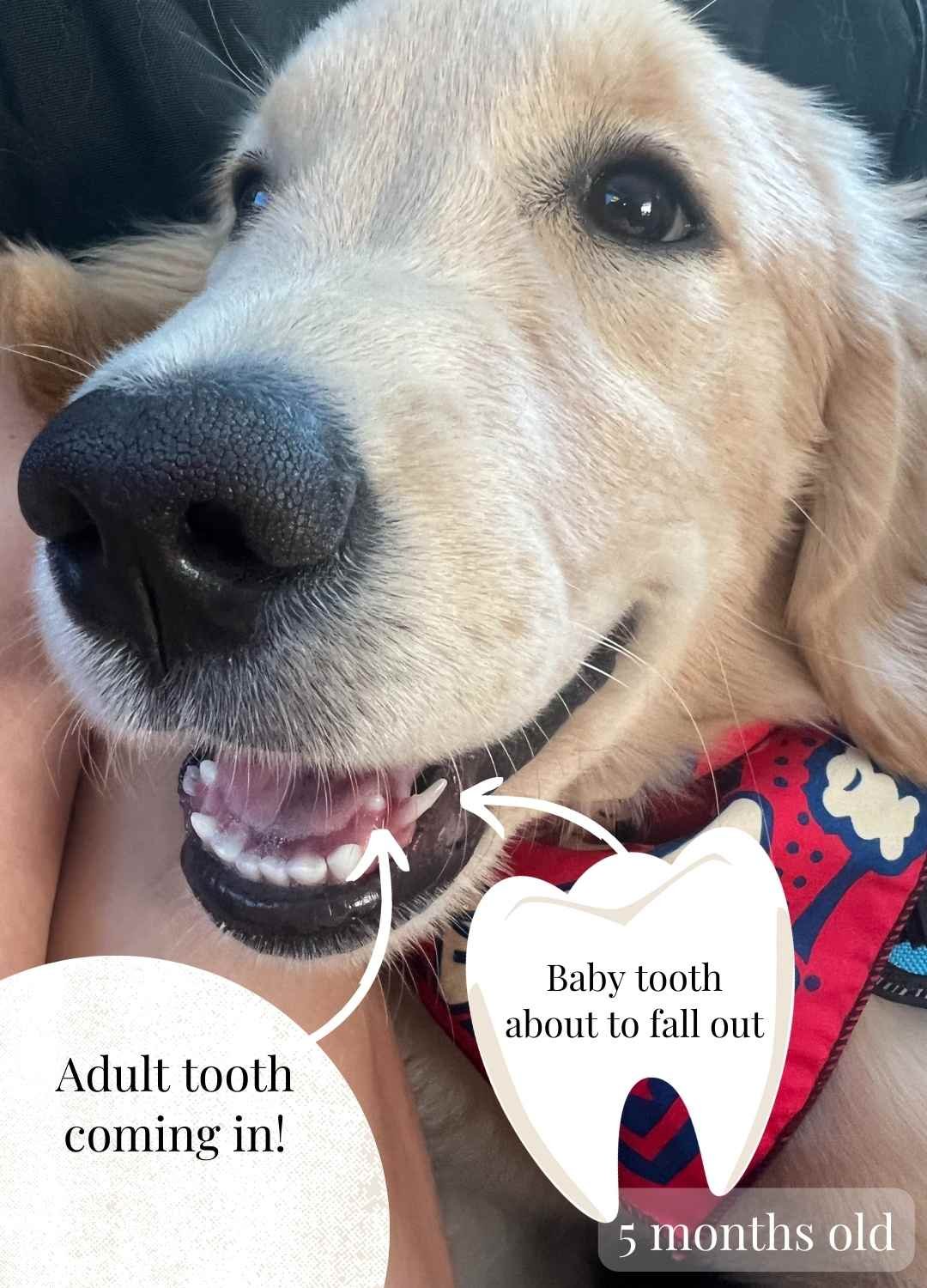
Source: goldenretrieverlife.com
How to care for a teething puppy
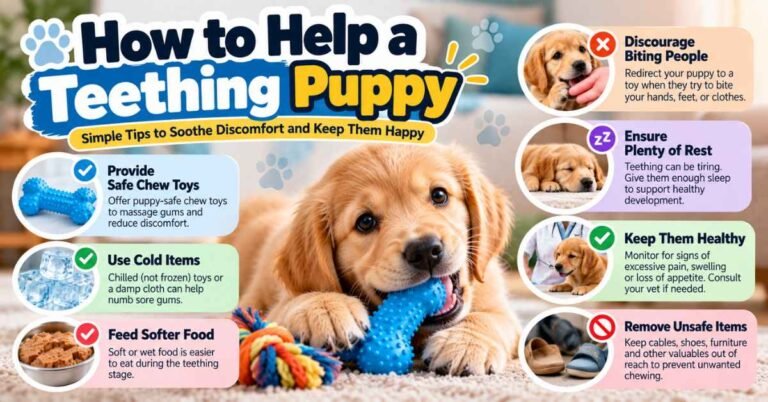
Good care can make teething easier while protecting your puppy’s new teeth. Offer several safe chew options and rotate them every few days so they stay interesting.
Choose toys that are flexible enough to give slightly under pressure. A useful test is to press the toy with your thumbnail. If it cannot bend or leave a small mark, it may be too hard for a puppy’s teeth.
Helpful options may include:
• Soft rubber puppy toys
• Puppy-safe food puzzle toys
• Chilled, damp washcloths used only with supervision
• Flexible teething rings made for dogs
• Vet-approved edible chews sized for your puppy
Avoid items that can crack teeth or cause choking:
• Antlers
• Large animal bones
• Hooves
• Very hard nylon toys
• Ice cubes
• Cooked bones
• Small rawhide pieces
Always match a chew to your puppy’s size and chewing style. Watch the first few uses. Throw away a toy if it breaks, develops sharp edges, or becomes small enough to swallow.
A common mistake is giving a puppy an old shoe to chew. Dogs do not understand that one shoe is allowed while another is forbidden. Provide a clear replacement, such as a soft chew toy, and praise your puppy for choosing it.
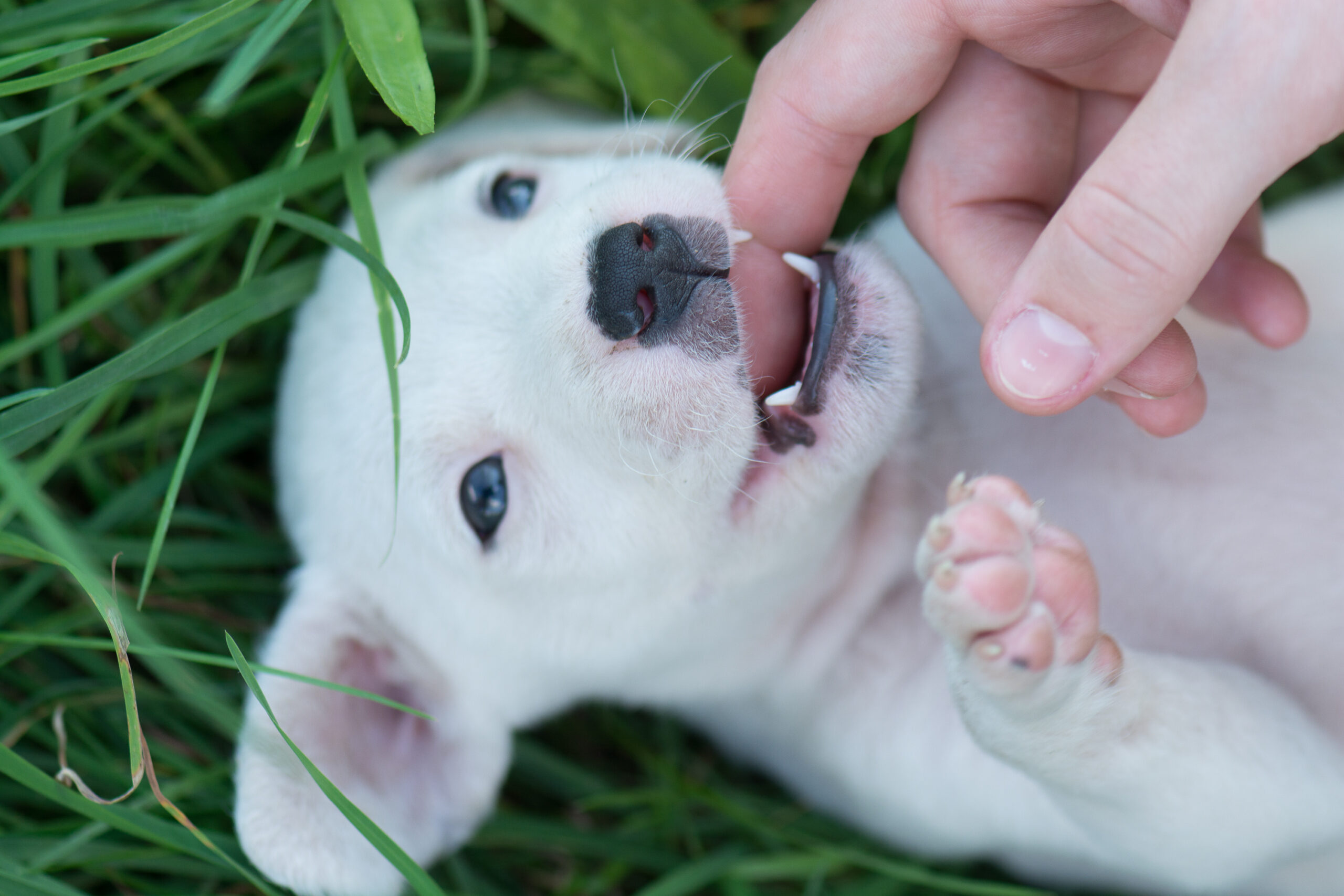
Source: taconicvet.com
Should you brush puppy teeth during teething?
Yes, gentle tooth care can begin before all adult teeth arrive. Early brushing teaches your puppy that mouth care is a normal part of life.
Use a soft dog toothbrush or a finger brush with toothpaste made for dogs. Never use human toothpaste because some products contain ingredients that can be unsafe for dogs, including xylitol.
Start with short sessions:
- Let your puppy lick a small amount of dog toothpaste.
- Touch the outside of the gums with your finger.
- Rub one or two teeth gently.
- Slowly increase the time over several days.
- Reward calm behavior with praise or a small treat.
Do not force the mouth open or pull at loose teeth. If the gums look sore, brush gently and avoid pressing on areas that bleed easily.
Daily brushing is ideal for long-term dental health. Even brushing several times each week is better than waiting until tartar has formed. A veterinarian can also suggest dental diets, chews, or products that meet accepted safety standards.
Source: whole-dog-journal.com
Retained baby teeth in puppies
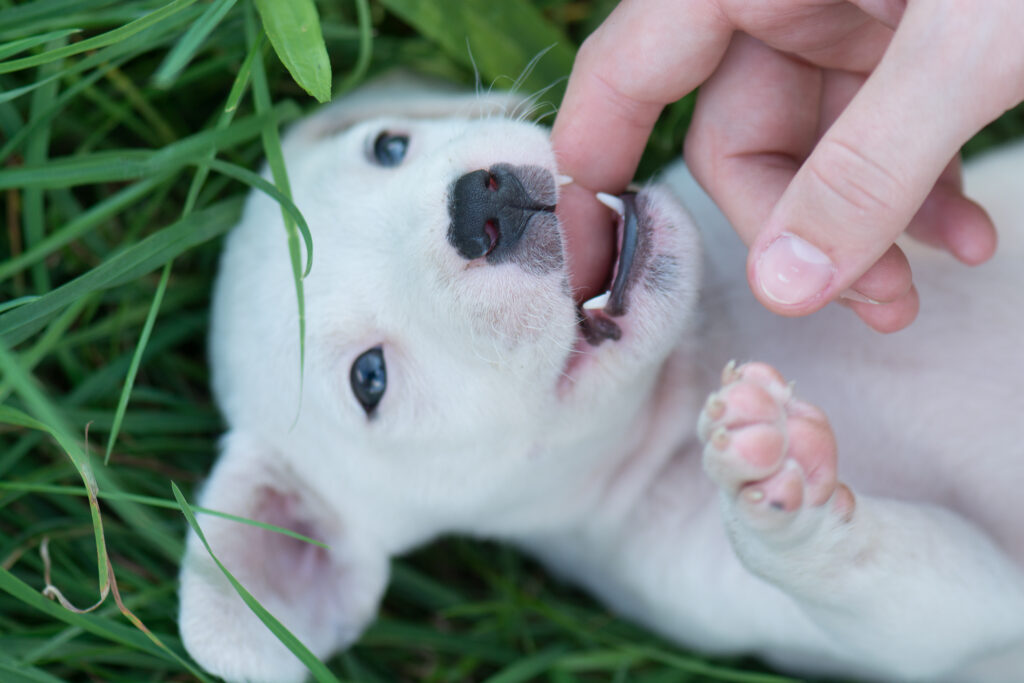
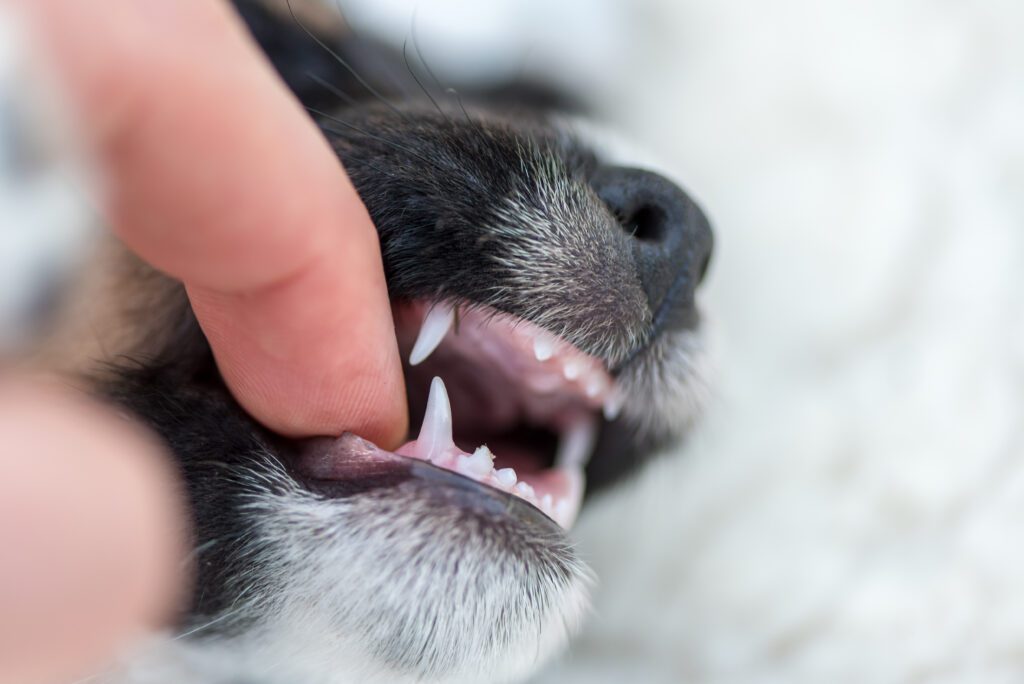
Sometimes a baby tooth stays in place after the adult tooth has started to grow. This is called a retained deciduous tooth. It is most common with the canine teeth, especially in small and toy breeds.
You may see two teeth in one spot, like a small double row. The adult tooth may grow inward, outward, or beside the baby tooth instead of taking the correct position.
Retained teeth can cause several problems:
• Food and bacteria can collect between the teeth.
• The adult tooth may become crowded.
• The bite may develop incorrectly.
• Gum disease may begin at a young age.
• The mouth may become painful.
When do puppies lose their baby teeth matters because a retained tooth should not be ignored for months. Ask your veterinarian to check any baby tooth that remains when the adult tooth is visible. The vet may recommend removal, often while the puppy is already under anesthesia for another planned procedure.
Never try to pull a puppy tooth at home. A tooth can break below the gum line, and an improper attempt can injure the developing adult tooth.
Source: taconicvet.com
When should a veterinarian examine puppy teeth?
A routine veterinary exam can help confirm that your puppy’s mouth is developing normally. Many veterinarians check the teeth during puppy vaccine visits, which often happen several times between eight and 16 weeks.
Book an exam sooner if your puppy has signs that do not fit normal teething. These include strong pain, swelling, pus, persistent bleeding, or a sudden inability to eat.
Your veterinarian may also examine the bite. Some breeds have jaw shapes that make crowding or misalignment more likely. Early advice can prevent a small dental issue from becoming a painful one.
Take a clear photo if you are unsure what you see. A photo can help the clinic decide how quickly your puppy needs an appointment, although it cannot replace a hands-on exam.
Veterinary dental checks are especially important for small breeds. Their mouths can become crowded as adult teeth erupt, and retained baby teeth may be easy to miss under fluffy lips.
Source: saharapinesah.com
How to tell normal teething from a problem
Normal teething is usually mild and temporary. Your puppy may chew more, drool a little, or have slightly pink gums. Appetite may change for a short time, but most puppies continue to eat and drink.
A problem is more likely when symptoms are intense or last longer than expected. Severe discomfort is not something you should dismiss as simple teething.
Use this quick comparison:
• Normal: Mild gum redness and brief bleeding. Concerning: Heavy bleeding or bleeding that keeps returning.
• Normal: More chewing. Concerning: Chewing only on one side or crying while chewing.
• Normal: Slight breath odor. Concerning: Strong odor with swelling or discharge.
• Normal: One loose tooth. Concerning: A retained tooth beside a permanent tooth.
• Normal: A swallowed baby tooth. Concerning: Repeated vomiting or trouble swallowing after chewing a toy.
Your puppy cannot tell you where it hurts. Changes in sleep, play, eating, or mood can offer useful clues. When do puppies lose their baby teeth should be considered alongside these signs, not used to explain every mouth problem.
Source: purina.com
Practical tips for puppy owners
A calm routine makes the teething stage easier for both you and your dog. Check the mouth briefly during relaxed moments, such as after a nap or while your puppy is sitting beside you.
Keep a simple record of what you see. Note loose teeth, missing teeth, gum changes, and any unusual behavior. This can help you discuss concerns clearly at a veterinary visit.
The most useful habits are simple:
• Keep unsafe objects off the floor.
• Give your puppy several approved chew toys.
• Supervise chewing sessions.
• Do not pull loose teeth.
• Start gentle tooth brushing early.
• Check for double teeth as adult teeth appear.
• Keep regular puppy appointments.
In my experience with puppy-care routines, owners often worry more about finding a missing tooth than they need to. The bigger mistake is overlooking a second tooth growing beside an adult tooth. A quick weekly mouth check can help you notice that issue early without making your puppy anxious.
Frequently Asked Questions About When Do Puppies Lose Their Baby Teeth
When do puppies lose their baby teeth?
Most puppies lose their baby teeth between 12 and 16 weeks of age. The process often finishes by six to seven months, although small breeds may take a little longer.
Do puppies swallow their baby teeth?
Yes, many puppies swallow baby teeth while eating or playing. This is usually safe, and you may never find the teeth that fall out.
Is bleeding normal when puppy teeth fall out?
A tiny amount of blood can be normal when a tooth comes loose. Heavy bleeding, repeated bleeding, swelling, or pus should be checked by a veterinarian.
How many baby teeth do puppies have?
Most puppies have 28 baby teeth. Adult dogs usually have 42 permanent teeth once the full set has erupted.
Should I pull out my puppy’s loose tooth?
No, do not pull a loose puppy tooth at home. Pulling can break the tooth or damage the adult tooth developing beneath it.
What are retained puppy teeth?
Retained puppy teeth are baby teeth that remain after an adult tooth begins to erupt. They can cause crowding and gum disease, so a veterinarian should examine them.
What can puppies chew while teething?
Puppies can chew soft rubber toys, flexible puppy teething toys, and other products approved for their age and size. Avoid antlers, bones, hooves, ice, and very hard toys that may fracture teeth.
Conclusion
Most puppies lose their baby teeth between three and six months, with adult teeth usually complete by six or seven months. Mild chewing, drooling, gum redness, and a small spot of blood can be normal, but severe pain, swelling, heavy bleeding, or retained teeth need veterinary attention.
Give your puppy safe chew toys, begin gentle brushing, and check the mouth each week. Knowing when do puppies lose their baby teeth helps you support healthy development and act early when something looks unusual. If you found this guide helpful, share it with another puppy owner or ask your veterinarian about your dog’s dental routine at the next visit.