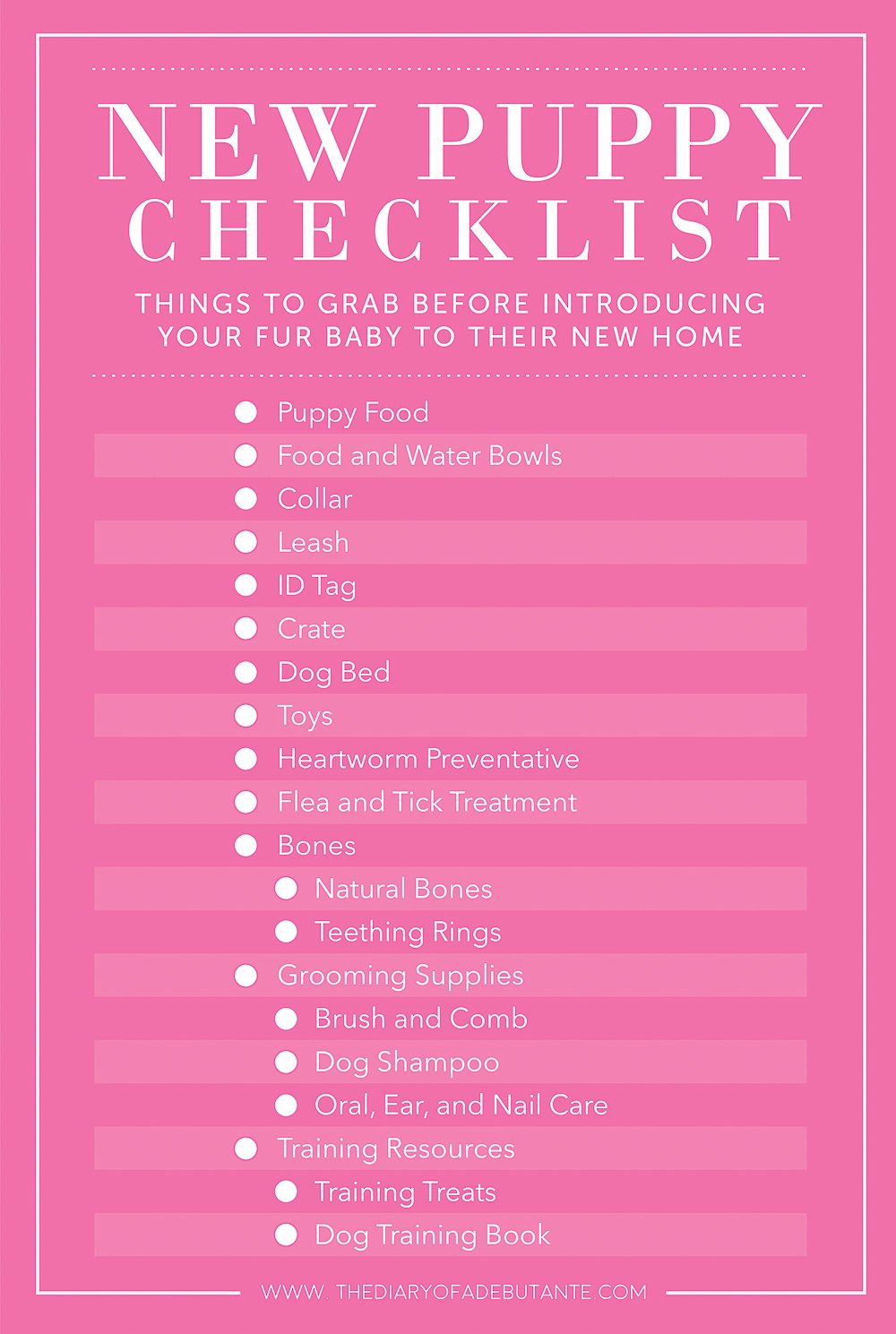
How To Prepare For A New Puppy: Puppy Prep Guide
Prepare your home, supplies, schedule, and support plan before your puppy arrives.
Learning how to prepare for a new puppy helps you start with calm routines instead of last-minute stress. A young dog needs more than food and toys. Your puppy also needs safe spaces, gentle training, proper veterinary care, social time, and plenty of patience. This guide explains what to do before pickup day and how to make the first few weeks smoother for both of you.
How to prepare for a new puppy before pickup day
The best way to prepare for a new puppy is to plan for safety, sleep, food, training, and care before the puppy enters your home. Think of the process like setting up a nursery for a baby. Your puppy will explore with its mouth, need frequent bathroom breaks, and rely on you for nearly every choice.
Start at least one week before arrival if possible. Use this time to buy supplies, choose a veterinarian, set family rules, and make your home puppy-safe.
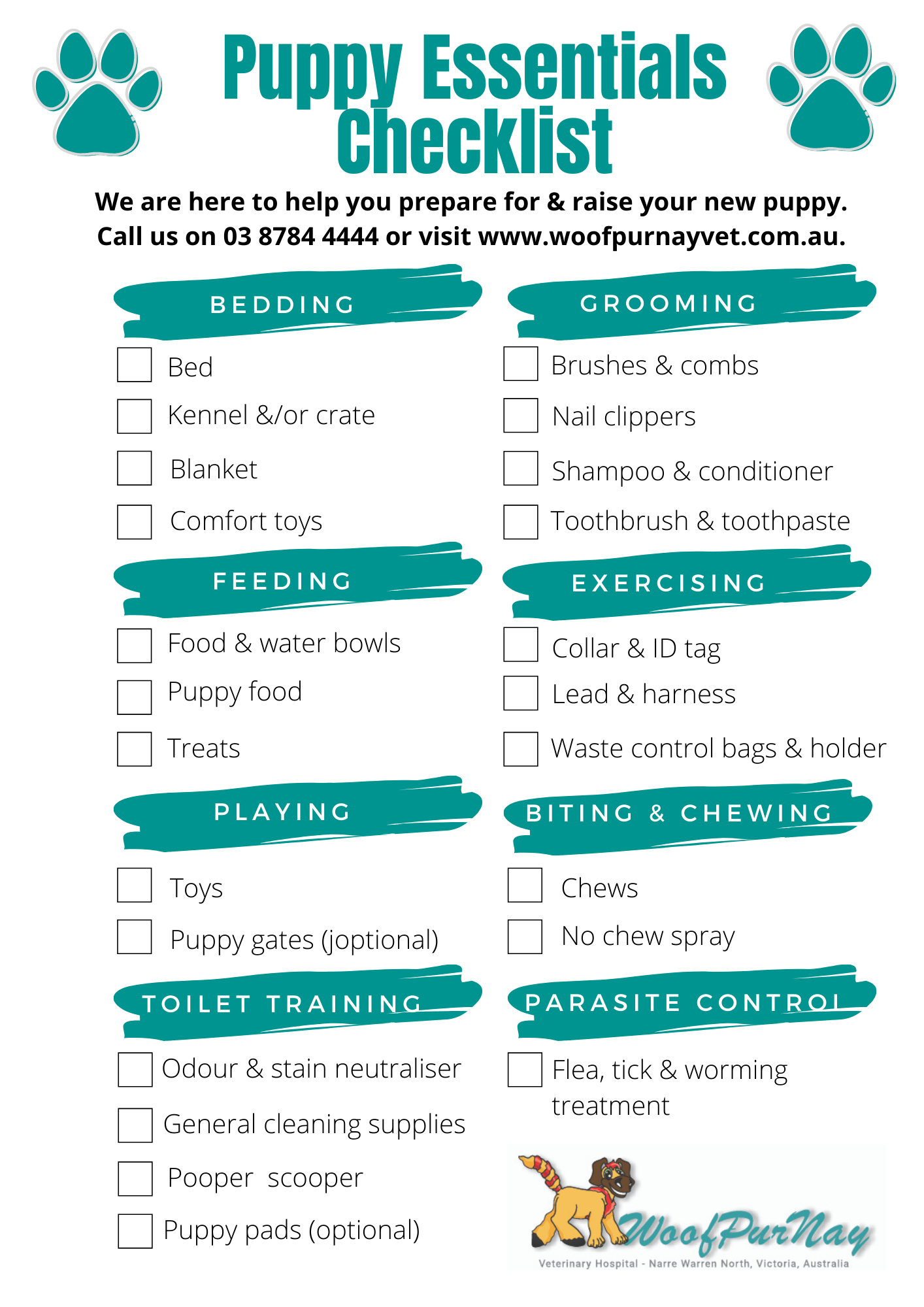
Create a puppy preparation checklist
Write down the tasks you need to complete. A simple checklist can prevent small details from becoming big problems.
Your list should include:
• Schedule a veterinary visit for the first few days after arrival.
• Confirm the puppy’s food, feeding times, vaccine records, and medical history.
• Buy a crate, exercise pen, collar, leash, food bowls, and safe chew toys.
• Remove unsafe items from the floor and low shelves.
• Choose a bathroom area outside.
• Plan who will feed, walk, train, and supervise the puppy.
• Save contact details for an emergency veterinary clinic.
• Ask your landlord or homeowners association about pet rules.
• Check local licensing and rabies requirements.
If you are picking up the puppy by car, bring a secure carrier or a properly fitted travel harness. Never allow a young puppy to ride loose in the front seat or sit on a passenger’s lap.
Choose a veterinarian early
Call a veterinary clinic before your puppy arrives. Many clinics book several weeks ahead, so an early appointment matters.
Bring the puppy’s health records to the first visit. The veterinarian may discuss:
• Vaccines and booster timing
• Deworming and parasite prevention
• Nutrition and healthy growth
• Microchipping
• Spaying or neutering
• Dental care
• Breed-related health risks
Puppies often need a series of vaccines during their first months. The exact schedule depends on age, location, lifestyle, and health. Your veterinarian can create a plan that fits your puppy instead of relying on general advice from the internet.
Puppy-proof your home
Puppy-proofing is one of the most important parts of how to prepare for a new puppy. Puppies are curious, quick, and unable to understand danger. If something is within reach, assume your puppy may chew it, swallow it, or knock it over.
Walk through each room at puppy eye level. Look for cords, small objects, open cabinets, and gaps behind furniture. This simple check often reveals hazards that adults miss.
Common household hazards
Keep these items away from your puppy:
• Electrical cords and phone chargers
• Medicines, vitamins, and supplements
• Cleaning products and laundry pods
• Chocolate, grapes, raisins, onions, garlic, and xylitol
• Small toys, coins, batteries, and rubber bands
• Needles, craft items, and sewing supplies
• Toxic plants
• Open trash cans
• Sharp tools and fragile decorations
• Pest control products
Some human foods can cause serious illness in dogs. Chocolate, xylitol, grapes, raisins, and certain other foods deserve special care. If your puppy eats something unsafe, contact your veterinarian or a pet poison service right away. Do not wait for symptoms.
Set up gates and safe barriers
Use baby gates to block stairs, bedrooms, kitchens, or other areas that are not ready for a puppy. Close toilet lids and keep shower products out of reach.
A playpen can create a safe zone for short periods when you cannot provide direct supervision. It should offer enough space for movement, water, toys, and a comfortable rest area. It should not replace exercise, attention, or training.
I once saw a new puppy turn a quiet laundry room into a maze of tempting items. A loose sock, detergent bottle, and mop bucket were all within reach. The family moved those items the night before the puppy arrived, and the room became a much safer place.
Prepare the yard
Inspect your yard before letting your puppy explore. Check the fence for gaps and look under gates. Remove sharp objects, toxic plants, standing water, and chemicals such as fertilizer.
Avoid letting a young puppy roam in unknown areas until your veterinarian explains the local disease risks. Parvovirus, for example, can spread through contaminated soil and surfaces. Safe socialization still matters, but it should happen in controlled settings that match your veterinarian’s advice.

Buy the right puppy supplies
You do not need every product in a pet store. Start with safe, useful items. Too many toys and gadgets can make the first week confusing for you and your puppy.
Essential puppy supplies
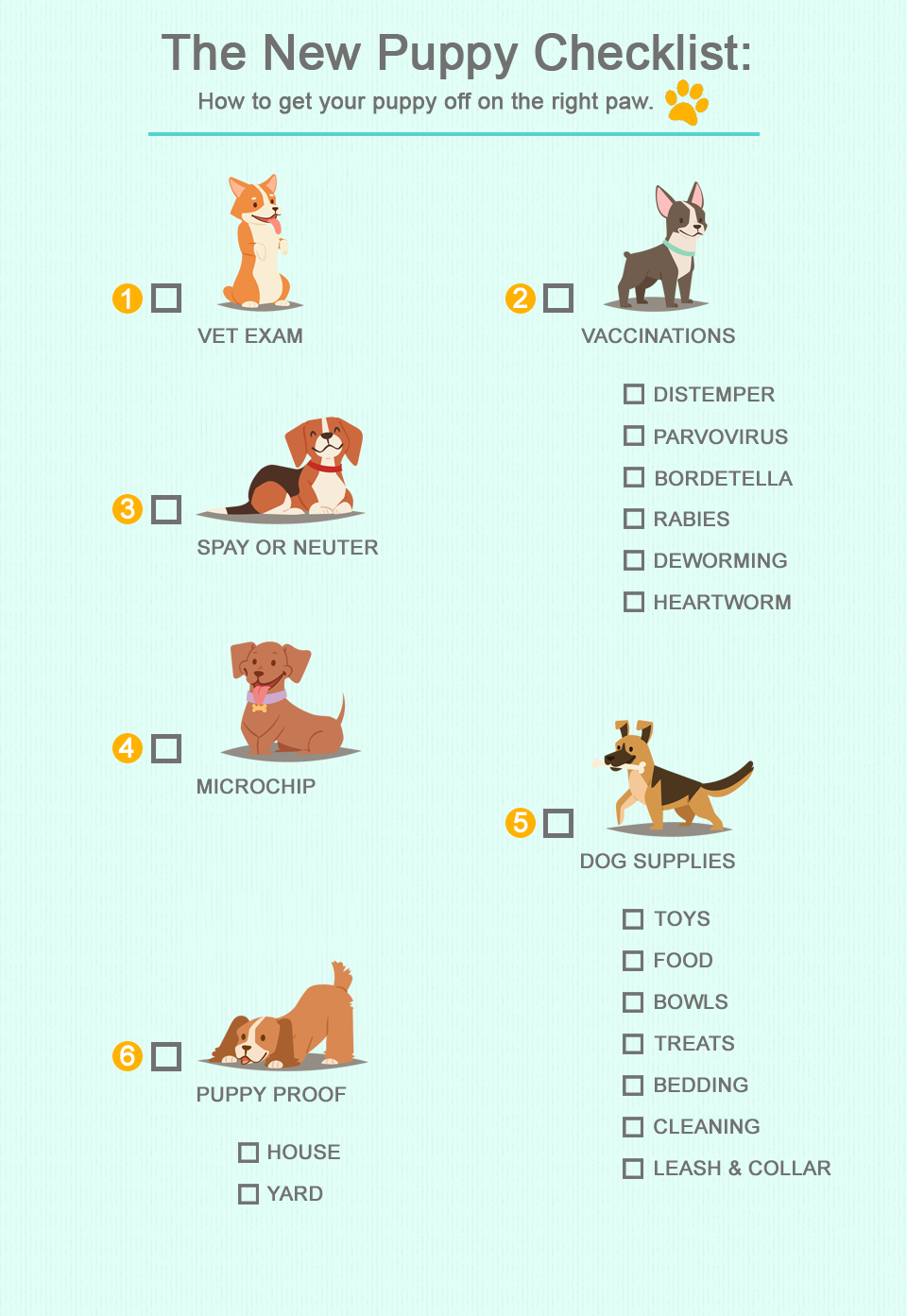
Prepare these basics:
• Food made for puppies and approved by your veterinarian
• Stainless steel or ceramic food and water bowls
• A properly sized crate
• An exercise pen or baby gates
• A flat collar with identification
• A secure leash
• A harness that fits without rubbing
• A washable bed or blanket
• Puppy-safe chew toys
• Enzyme cleaner for accidents
• Poop bags
• A brush suited to the puppy’s coat
• Puppy shampoo
• Nail clippers or a nail grinder
• A small treat pouch
• A pet first-aid kit
Choose toys that are too large to swallow and strong enough for your puppy’s chewing style. Inspect toys often. Throw away damaged toys before pieces break off.
Select the right crate size
The crate should allow your puppy to stand, turn around, lie down, and stretch. A crate that is too large may encourage the puppy to sleep in one corner and use another corner as a bathroom.
A divider can help you adjust the crate as your puppy grows. The crate should feel like a quiet bedroom, not a place for punishment. Add a soft item only if your puppy does not chew and swallow fabric.
Pick food with care
Ask the breeder, rescue group, or shelter what the puppy currently eats. Keep the same food for the first few days unless a veterinarian recommends a change. A sudden switch may cause stomach upset.
If you need to change foods, do it slowly over several days. Mix a small amount of the new food with the old food, then increase the new food step by step.
Puppies need balanced nutrition for growth. Large-breed puppies may need food designed to support controlled bone growth. Ask your veterinarian about the best food, portion size, and meal schedule for your puppy’s breed and expected adult size.
Create a daily puppy schedule
A predictable schedule is a powerful tool when you learn how to prepare for a new puppy. It helps your puppy understand when to eat, sleep, play, train, and go outside.
Young puppies need more sleep than many new owners expect. Some sleep for 18 to 20 hours in a day. Overtired puppies may bite, bark, run wildly, or struggle to settle. Rest is not laziness. It is part of healthy development.
A basic schedule may look like this:
-
Wake up and go outside.
-
Eat breakfast and drink water.
-
Go outside again after eating.
-
Enjoy a short play or training session.
-
Rest in the crate or a safe area.
-
Go outside after waking.
-
Eat lunch if your veterinarian recommends three meals.
-
Have brief play, gentle handling, and another nap.
-
Eat dinner and go outside.
-
Have calm family time.
-
Take one final bathroom break before bed.
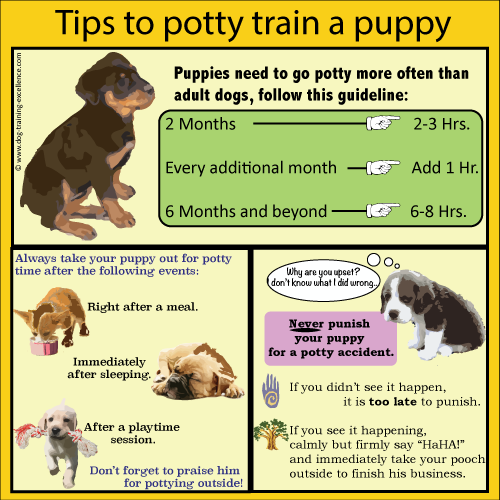
The schedule will change as your puppy grows. Young puppies often need to go outside after waking, eating, drinking, playing, and chewing. Keep the routine simple and repeat it often.
Plan for work and school hours
A puppy should not spend long periods alone without a bathroom break, exercise, and social contact. Arrange help from a trusted friend, family member, pet sitter, or dog walker when needed.
Do not expect a new puppy to manage an adult dog’s schedule. A workday plan may require several visits at first. This support can cost money, but it may prevent stress, accidents, and unsafe behavior.

Prepare for puppy potty training
Potty training works best with supervision, timing, and rewards. It is not a test of your puppy’s intelligence. It is a gradual process in which your puppy learns where and when to eliminate.
Take your puppy to the chosen bathroom area often. Use the same door and spot when possible. Stay quiet while the puppy searches, then offer calm praise and a small reward immediately after success.
Watch for potty signals
Your puppy may need to go if it:
• Sniffs the floor
• Circles
• Walks toward a door
• Whines or suddenly stops playing
• Squats
• Wakes from a nap
• Finishes eating or drinking
Accidents are normal. If you catch your puppy in the act, gently interrupt and take the puppy outside. If you find an accident later, clean it without anger. Scolding after the fact does not teach the correct behavior.
Use an enzyme cleaner. Standard cleaners may leave scents that encourage repeat accidents. Keep a simple record of meals, bathroom breaks, and accidents during the first week. Patterns can help you improve the schedule.
How long can a puppy hold its bladder?
A common starting estimate is that a puppy may hold its bladder for about one hour for each month of age, with individual limits. This is not a strict rule. Small breeds, active puppies, illness, excitement, and water intake can change the timing.
Frequent accidents, straining, blood in the urine, diarrhea, or unusual thirst require veterinary advice. A medical problem can look like a training problem.
Plan your puppy’s first night
The first night can feel hard for both of you. Your puppy has left its mother, littermates, familiar smells, and normal routine. Crying does not mean your puppy is being stubborn. It often means the puppy feels alone or unsure.
Place the crate near your bed for the first few nights. This lets you hear signs that your puppy needs a bathroom break and provides comfort through your presence.
Before bedtime:
• Offer a calm play session.
• Take the puppy outside.
• Remove food several hours before sleep only if your veterinarian approves.
• Make the room quiet and dim.
• Place a safe comfort item in the crate.
• Keep your voice soft and movements slow.
If the puppy cries, pause before responding. The puppy may need the bathroom, but it may also need reassurance. Avoid turning nighttime crying into a long play session. Take the puppy out if needed, keep the trip boring, and return to bed.
Never use the crate as a punishment. A puppy that fears the crate may resist sleep and make future travel harder.

Begin training with kind, simple steps
Training should begin as soon as your puppy comes home. Keep lessons short and fun. Several sessions of one to three minutes may work better than one long lesson.
Start with:
• Responding to its name
• Looking at you
• Coming when called indoors
• Sitting for a treat
• Walking toward you
• Giving up an object
• Settling on a mat
• Accepting gentle touch
Reward the behavior you want. Use tiny treats, praise, toys, or access to play. Positive reinforcement helps your puppy connect good choices with good results.
Avoid yelling, hitting, leash jerks, and fear-based methods. These methods may stop a behavior for a moment, but they can create fear and damage trust. A puppy learns best when the lesson is clear and the reward is worth the effort.
Teach bite inhibition
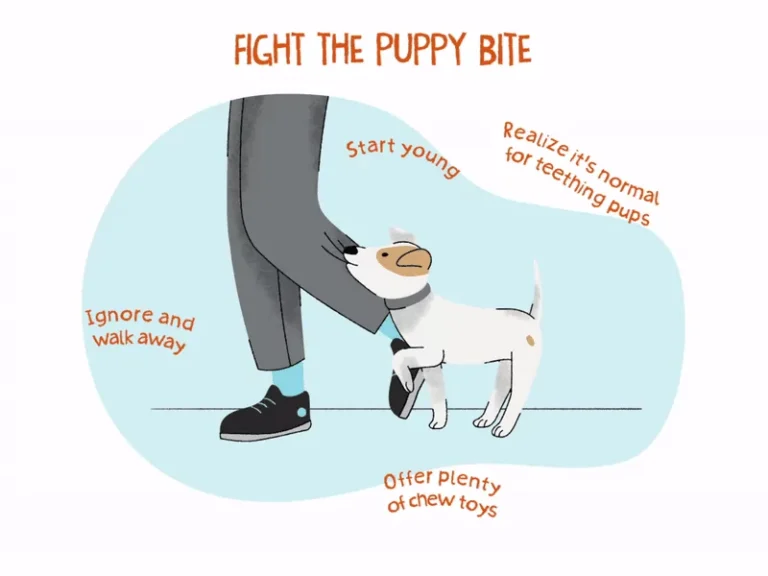
Puppies explore with their mouths. Nipping is common, but you still need to guide it.
If teeth touch your skin, calmly stop the game. Offer a toy instead. If the puppy continues, stand up and take a short break. Everyone in the home should follow the same rule.
Do not wave your hands or play rough with bare fingers. That can make biting more exciting. Provide safe chew toys during teething, when sore gums can increase the need to chew.
Use your puppy’s name correctly
Say your puppy’s name in a warm voice, then reward eye contact. Avoid using the name before punishment. You want the name to predict good things, attention, and safety.
One mistake I have seen new owners make is repeating a cue many times. Saying “come, come, come” teaches the puppy that the first word does not matter. Say the cue once, help the puppy succeed, and reward the response.
Socialize your puppy safely
Socialization means helping a puppy feel calm around new people, animals, sounds, surfaces, places, and handling. It does not mean forcing a puppy to greet everyone.
The early social period is important, but safety comes first. Ask your veterinarian how to balance socialization with vaccine protection in your area.
Safe ideas may include:
• Meeting calm, healthy, vaccinated dogs
• Hearing household sounds at a low volume
• Walking on different safe surfaces
• Seeing people wearing hats, glasses, or uniforms
• Riding in the car
• Practicing gentle ear, paw, and mouth handling
• Visiting a quiet pet-friendly store if your veterinarian approves
• Watching the world from a clean blanket outdoors
Watch your puppy’s body language. A tucked tail, pinned ears, lip licking, hiding, freezing, or repeated yawning may signal stress. Give the puppy more distance and time.
Good socialization is like teaching a child that a busy city can be safe when an adult provides support. Slow exposure builds confidence. Forced exposure can create fear.
Protect your puppy’s health
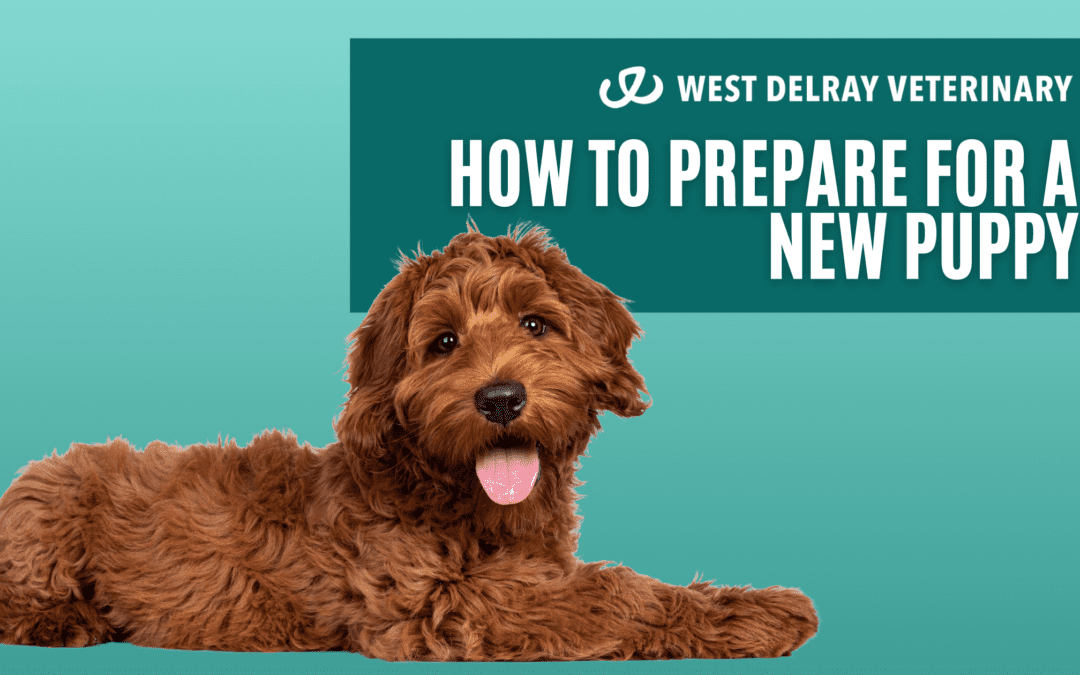
Veterinary care is a central part of how to prepare for a new puppy. Puppies can become ill quickly, so learn what is normal for your dog and what needs prompt attention.
Contact your veterinarian if you notice:
• Repeated vomiting or diarrhea
• Blood in stool or urine
• Trouble breathing
• Extreme weakness
• Seizures
• A swollen belly
• Pale, blue, or gray gums
• Loss of appetite with low energy
• Suspected toxin exposure
• Signs of pain
Ask the clinic when to use its regular number and when to contact an emergency hospital. Save both numbers in your phone before you need them.
Keep vaccines and parasite care on track
Your puppy may need several vaccine visits. Parasite prevention can include treatment for intestinal worms, fleas, ticks, and heartworms, depending on age and local risk.
Do not use a flea, tick, or deworming product without checking the label and asking a veterinarian. Products made for another species or a different weight can be dangerous.
Microchipping adds another layer of protection if your puppy becomes lost. Keep your phone number and address updated in the registration system.
Support healthy growth
Avoid excessive exercise that includes repeated jumping, forced running, or long hikes, especially in large-breed puppies. Growing joints need age-appropriate activity.
Short walks, gentle play, sniffing games, and training are usually better than pushing a puppy until it is exhausted. Your veterinarian can offer advice based on breed, size, body condition, and health.
Help the whole family adjust
A puppy changes the rhythm of a home. Family members may feel excited, tired, or frustrated. Clear rules help everyone respond in the same way.
Decide in advance:
• Is the puppy allowed on furniture?
• Where will the puppy sleep?
• Who gives meals and treats?
• Which words will everyone use for cues?
• Which rooms are off limits?
• How will children interact with the puppy?
Teach children to let the puppy eat and sleep without touching. They should not climb on the puppy, pull its ears, chase it, or take toys from its mouth. An adult should supervise every interaction between young children and a puppy.
Give the puppy a quiet retreat. A safe space helps prevent overstimulation and teaches the puppy how to rest. Every dog needs a place where it can relax without being followed.
Prepare for common challenges
You may deal with crying, chewing, accidents, barking, jumping, and sleepless nights. These behaviors are not signs that your puppy is bad. They are signals that the puppy needs guidance, rest, a bathroom break, or a better outlet.
Keep a calm log when problems occur. Note the time, what happened before the behavior, and what helped. This turns frustration into useful information.
If a behavior feels unsafe or does not improve, contact a qualified reward-based trainer or a veterinary behavior professional. Early support is often easier and less costly than waiting for a problem to grow.

Mistakes to avoid with a new puppy
Even caring owners make mistakes. Knowing the common ones can help you avoid them.
• Giving too much freedom too soon: Use supervision, gates, and a safe area until your puppy earns more freedom.
• Changing food quickly: Make diet changes slowly to reduce stomach upset.
• Skipping naps: Overtired puppies often act wild and bite more.
• Expecting perfect potty training: Progress takes time and may include setbacks.
• Using punishment: Fear can harm trust and does not explain what the puppy should do instead.
• Overwhelming the puppy: Introduce new people, places, and sounds in small steps.
• Ignoring dental and grooming care: Handle paws, ears, mouth, and brushes gently from the start.
• Waiting too long to seek help: Ask a veterinarian or qualified trainer when you feel stuck.
My biggest practical lesson is simple: management beats correction. Blocking access to a tempting shoe is easier than teaching a tired puppy not to chew it at midnight. Set your puppy up to succeed, then reward the choices you want to see again.

Frequently asked questions about how to prepare for a new puppy
What should I do before bringing a puppy home?
Puppy-proof your home, buy basic supplies, schedule a veterinary visit, and plan the puppy’s daily routine. Also arrange help for bathroom breaks if you will be away during the day.
What does a puppy need on the first day?
A puppy needs safe transport, food it already knows, water, a crate or secure rest area, a collar, identification, safe toys, and frequent bathroom trips. Keep the first day quiet so the puppy can adjust.
Where should a new puppy sleep?
A crate near your bed is often a practical choice during the first nights. It helps you notice bathroom needs and reassures the puppy while you build a steady sleep routine.
How often should I take a puppy outside?
Take the puppy outside after waking, eating, drinking, playing, and chewing, as well as at regular times during the day. Young puppies need frequent breaks because bladder control develops gradually.
When should a puppy start training?
Basic training can begin as soon as the puppy arrives home. Use short, reward-based lessons for the name, attention, potty habits, gentle handling, and simple cues.
How can I socialize a puppy before all vaccines are complete?
Ask your veterinarian about safe options in your area. Controlled exposure to sounds, people, clean surfaces, and healthy vaccinated dogs may support socialization while reducing disease risk.
How do I stop a puppy from biting?
Stop the game calmly, offer a safe chew toy, and reward gentle play. Avoid rough hand games, yelling, or physical punishment, and seek professional help if biting becomes intense or unsafe.
Conclusion
Knowing how to prepare for a new puppy gives your dog a safer start and gives you a clear plan for busy days. Prepare the home, gather simple supplies, choose veterinary care, set a routine, use kind training, and protect time for sleep and socialization.
Your puppy will not learn everything in one day. Small, steady steps build trust, good habits, and a strong bond. Start your checklist now, speak with your veterinarian, and share your own puppy preparation tips in the comments.