When Can Puppies Hear: Puppy Hearing Development Guide
Most puppies begin to hear soft sounds around two weeks old and hear well by three weeks.
If you are wondering when can puppies hear, the answer is tied to a rapid stage of growth. A puppy’s ears open gradually, and sound awareness develops over several days rather than all at once. This guide explains the signs to watch for, what normal hearing looks like, and when a vet should check your puppy.
When Can Puppies Hear?
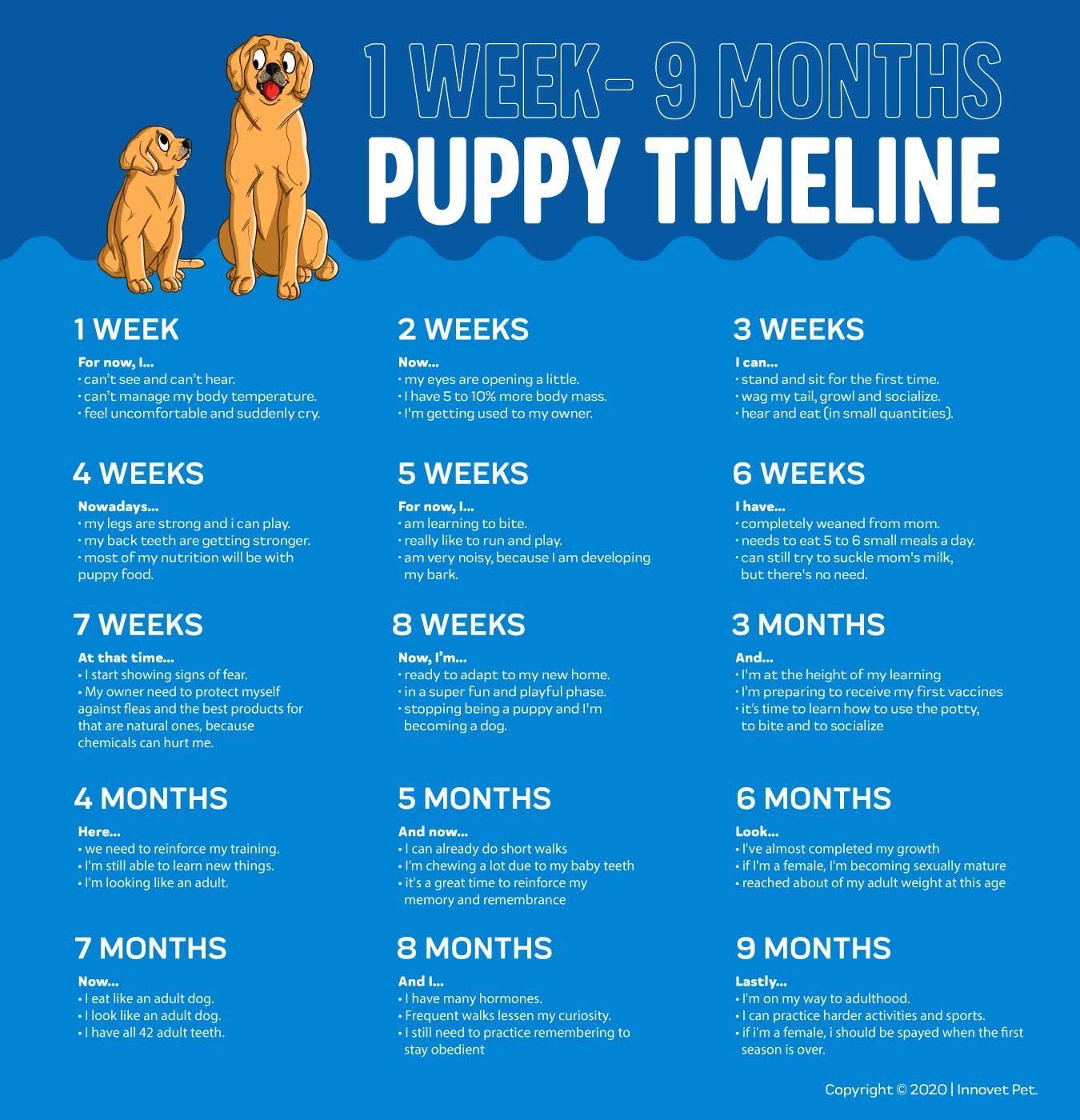
Most puppies start hearing between 10 and 14 days after birth. Their ear canals are closed at birth, so newborn puppies depend mainly on touch, smell, and warmth.
The canals usually begin to open during the second week. At first, a puppy may notice only loud or close sounds. By about 3 weeks old, many puppies can hear voices, littermates, footsteps, and other daily noises.
Knowing when can puppies hear helps you understand their behavior. A puppy that does not react to sound at 2 weeks may still be developing normally. However, a puppy that shows no sound response by 3 to 4 weeks deserves closer attention.
Puppy Hearing Development by Age
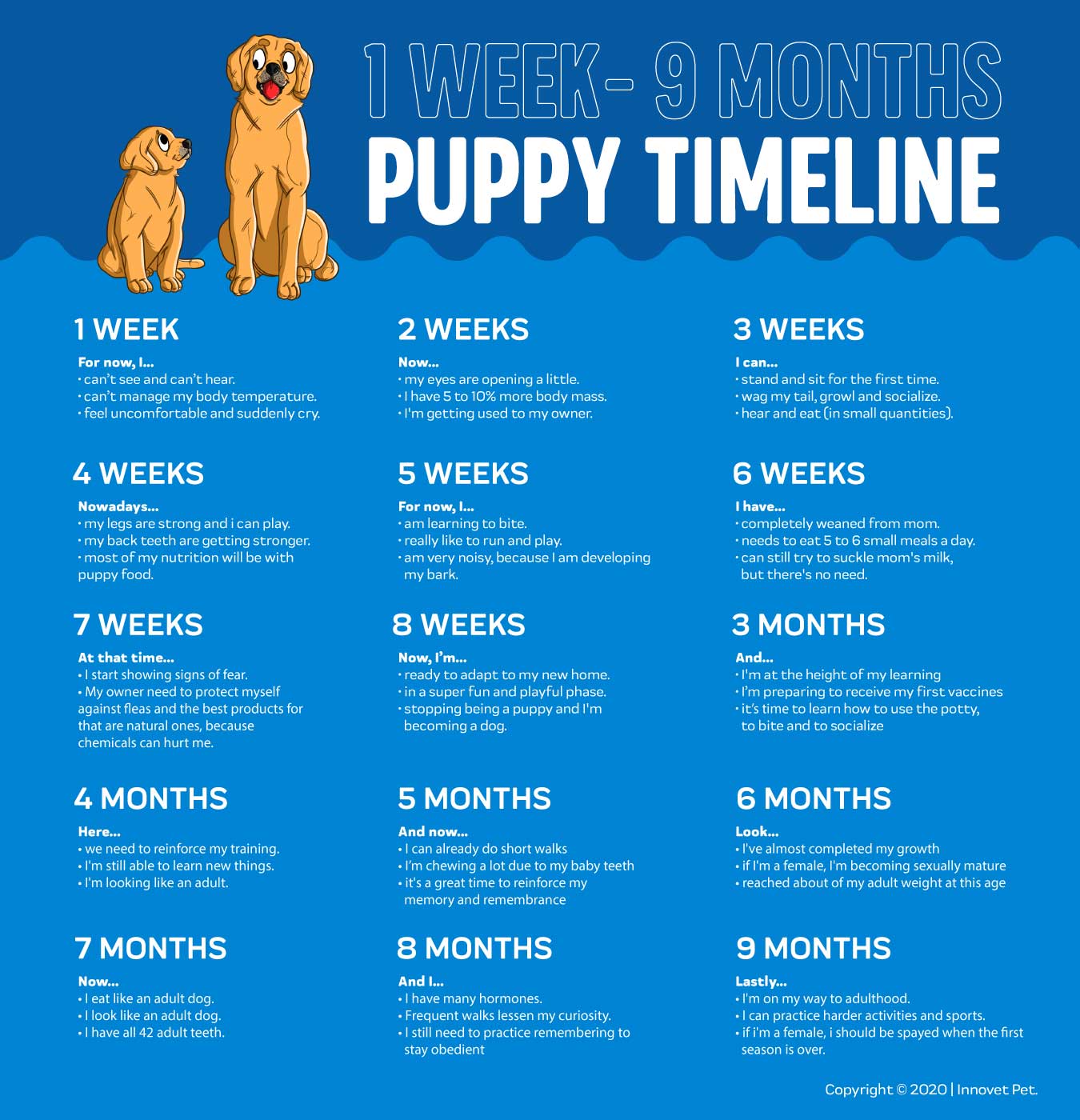
Puppy hearing develops in small steps. Each stage brings new signs and new ways for your puppy to learn about the world.
Birth to 1 week
Newborn puppies are born with closed eyes and closed ear canals. They cannot hear normal sounds at this stage.
They spend most of their time sleeping, nursing, and staying close to their mother. Sudden movement or a startle response does not prove hearing. It may be a response to touch or vibration.
1 to 2 weeks
The ear canals may start to open during this period. Some puppies begin to react to strong sounds, but their hearing is still limited.
You may notice a small ear twitch, a pause during nursing, or a turn toward a nearby noise. These signs can be easy to miss.
2 to 3 weeks
This is the stage when many owners first ask when can puppies hear clearly. Puppies often begin responding to voices, squeaky toys, clapping, or the movement of their mother.
Their reactions may still seem slow. A puppy may hear a sound but take a few seconds to respond.
3 to 4 weeks
Hearing is usually much more useful by this age. Puppies may turn toward a familiar voice, wake when people enter the room, or react to littermates playing.
They are also starting to walk, explore, and interact more. Sound becomes an important guide, much like a small flashlight in a dark room.
4 to 8 weeks
Puppies continue to improve their hearing and learn what different sounds mean. They may recognize feeding sounds, household routines, and the voices of people who care for them.
This is a good time to introduce normal sounds in a calm way. Vacuum cleaners, doorbells, traffic, and gentle music can become familiar if introduced gradually.

How to Tell If a Puppy Can Hear
You can watch for natural responses without frightening the puppy. Testing should be gentle, brief, and done when the puppy is awake.
Look for these signs:
• The puppy turns toward a familiar voice.
• The ears twitch after a nearby sound.
• The puppy pauses while nursing or playing.
• The puppy wakes when someone enters the room.
• The puppy follows the sound of a toy.
• The puppy startles at a sudden, moderate noise.
A hearing response should not depend on sight. Ask another person to hold the puppy safely while you make a soft sound outside the puppy’s view. Do not shout, clap close to the ears, or drop heavy objects.
A simple home observation can offer clues, but it cannot confirm normal hearing. Puppies may ignore sounds when tired, hungry, busy, or deeply focused on play.
In puppy care, one common mistake is testing too often. Repeated noises can stress a young puppy and may teach the puppy to fear sound. One calm observation is better than many loud tests.

Why Puppies Are Born Unable to Hear
Puppies are born neurologically immature. Their bodies focus first on basic survival tasks, such as nursing, keeping warm, and breathing.
The closed ear canals offer protection while the inner ear continues to develop. This pattern is normal in dogs and also occurs in several other mammals.
A puppy’s early development follows a useful order:
-
Touch and smell guide the puppy to the mother.
-
Hearing begins as the ear canals open.
-
Sight develops as the eyes open.
-
Movement and balance improve over the next few weeks.
This order explains why a very young puppy may respond to touch but not to your voice. The puppy is not ignoring you. The hearing system may simply not be ready yet.
Breed, health, birth conditions, and individual growth can affect timing. Small differences of a few days are often normal, but a large delay should be discussed with a veterinarian.
Can Puppies Hear Before Their Ears Open?
Puppies generally cannot hear normal outside sounds while their ear canals remain closed. The ear flap may look developed, but the sound pathway is not yet open.
Some people believe that puppies can hear through the body or floor before the canals open. They may feel vibrations, but this is not the same as hearing. A movement after a loud sound may result from vibration, touch, or a startle reflex.
This distinction matters when deciding when can puppies hear. Do not assume a young puppy has a hearing problem simply because there is no response at 1 week old.
Once the canals open, sound awareness develops quickly. Even then, hearing may be weak at first. A puppy may notice a sound without knowing where it came from.
What Sounds Should Puppies Hear First?
Early sound exposure should be calm, safe, and part of normal life. The goal is not to overwhelm a puppy. The goal is to help the puppy learn that common sounds are safe.
Good early sounds include:
• A calm human voice.
• Gentle household movement.
• Soft toys with mild sounds.
• Quiet music at a low volume.
• Dishes placed down carefully.
• A door opening and closing.
• Low traffic noise from a safe distance.
Keep sounds short and give the puppy time to rest. Watch the body language. A relaxed puppy may blink, sniff, turn toward the sound, or return to sleep.
Signs of stress can include crying, hiding, freezing, shaking, or trying to escape. If you see these signs, lower the volume or increase the distance.
Puppies do not need loud sound to build confidence. In fact, very loud noise can harm sensitive ears and create fear. Gradual exposure works better than forced exposure.
When Should You Worry About a Puppy’s Hearing?
A puppy may need a veterinary check if there is no clear response to sound by about 3 to 4 weeks of age. You should also seek advice if one ear seems responsive but the other does not.
Possible signs of hearing loss include:
• No reaction to a sound behind the puppy.
• Sleeping through nearby noises.
• Failing to respond to a familiar voice.
• Startling only when touched.
• Excessive barking or unusual vocal behavior.
• Difficulty finding littermates by sound.
Hearing loss can affect one ear or both ears. It may be present from birth or develop later because of infection, injury, medication, inflammation, or another health issue.
Some dogs with hearing loss develop excellent visual skills. They can still learn, play, and enjoy a full life. The key is to use safe hand signals, gentle floor vibrations, and predictable routines.
Never test a suspected hearing-impaired puppy with fireworks, horns, or very loud bangs. Such tests can cause fear or physical harm.

Common Causes of Hearing Loss in Puppies
Congenital deafness means a puppy is born with hearing loss. It can occur in any dog, but some coat patterns and breeds have a higher risk. Genetics can play a role, especially when pigment development affects the inner ear.
Other possible causes include:
• A blocked ear canal.
• Ear infection or inflammation.
• Fluid or debris in the ear.
• Injury to the head or ear.
• Certain medicines.
• Severe illness.
A veterinarian may examine the ears and recommend a formal hearing test. The brainstem auditory evoked response test, often called a BAER test, measures electrical activity after sound stimulation. It can help identify hearing in each ear.
Home checks are limited. They can show that a puppy reacts to a noise, but they cannot prove that hearing is normal in both ears.
This is one reason accurate timing matters when asking when can puppies hear. A puppy younger than 2 weeks may be normal, while an older puppy with no response may need professional evaluation.

How Hearing Supports Puppy Training
Hearing helps puppies connect sounds with events. A calm voice can signal safety. A food bowl can signal a meal. A name can become a useful cue.
Once a puppy can hear well, begin simple sound-based learning:
-
Say the puppy’s name in a friendly voice.
-
Wait for the puppy to look at you.
-
Reward the response with praise or a small treat.
-
Repeat in a quiet space.
-
Slowly practice around mild distractions.
Keep lessons short. Young puppies learn best through many small wins. A few seconds of success is more useful than a long session.
If a puppy may have hearing loss, pair spoken words with hand signals. Use the same signal each time. A raised hand, open palm, or gentle wave can become a clear visual cue.
Never sneak up on a deaf puppy. Approach where the puppy can see you, or create a light floor vibration by stepping nearby. This reduces fear and supports trust.
How to Protect a Puppy’s Developing Hearing
Young ears are sensitive. Good care helps protect hearing as it develops.
Use these safety habits:
• Keep puppies away from fireworks and gunfire.
• Avoid loud music and power tools near the nest.
• Do not insert cotton swabs into the ear canal.
• Never use ear medicine unless a veterinarian recommends it.
• Keep the sleeping area dry and clean.
• Ask a vet about discharge, odor, redness, or repeated scratching.
Ear cleaning products are not all alike. Some can irritate the ear or worsen a problem if the eardrum is damaged. A professional should guide treatment when an ear infection is possible.
A quiet home does not mean a silent home. Normal, low-level household sounds can help puppies adjust. The best approach is steady sound at a safe volume.
Frequently Asked Questions About When Can Puppies Hear
When can puppies hear their mother?
Most puppies begin hearing their mother between 2 and 3 weeks of age. Before then, they rely mainly on smell, touch, and warmth to stay close to her.
Can puppies hear at 1 week old?
Most puppies cannot hear normal sounds at 1 week old because their ear canals are still closed. A movement at this age may be caused by touch or vibration rather than sound.
When can puppies hear and respond to their name?
Puppies may respond to a name after their hearing becomes useful, often around 3 to 4 weeks old. Reliable name recognition usually takes repeated training and may not develop until several weeks later.
How can I test a puppy’s hearing safely?
Make a soft sound behind the puppy when the puppy is awake and cannot see you. Do not shout or use sudden loud noises, and ask a veterinarian for a formal test if the puppy shows no response.
What should I do if my puppy does not react to sound?
Contact a veterinarian if a puppy has no clear response by about 3 to 4 weeks or if hearing seems different between the ears. The vet can check for blockage, infection, injury, or congenital hearing loss.
Can a deaf puppy live a normal life?
Yes, many deaf puppies live happy and active lives. They need visual cues, safe routines, careful supervision, and protection from hazards they cannot hear.
Conclusion
So, when can puppies hear? Most begin to hear as their ear canals open at about 10 to 14 days, with much clearer hearing by 3 to 4 weeks. Small differences are normal, but no response to sound after this stage deserves veterinary advice.
Watch your puppy gently, protect young ears from loud noise, and use calm sound exposure to build confidence. If you are raising a puppy now, keep a simple record of ear opening, sound responses, and other milestones. Share your experience or explore trusted puppy-care resources to support your puppy’s next stage of growth.