Do Puppies Ever Miss Their Mom: The Truth Explained
Yes, puppies can miss their mom, especially during the first days after leaving their litter.
Do puppies ever miss their mom? The answer is more complex than a simple yes or no. Puppies form strong early bonds through warmth, scent, nursing, touch, and play. Yet with gentle care, most puppies adjust well to a new home and build a secure bond with their human family.
Do puppies ever miss their mom?
Yes, puppies may miss their mom and littermates after adoption. However, they do not understand separation in the same way people do. A puppy may not think, “I want my mother back,” but it can notice that familiar smells, sounds, warmth, and bodies are gone.
This change can feel large to a young dog. Until adoption, the puppy may have slept beside its mother and siblings every night. Suddenly, it must rest in a new place with strange sounds and smells.
Signs that a puppy may miss its mom include:
• Whining or crying, especially at night
• Searching around the home
• Restlessness or trouble settling
• Clinging to people
• Sleeping more than usual
• Reduced appetite for a short time
• Calling out after hearing a noise
• Seeking warmth or close body contact
These signs do not always mean the puppy is grieving. Moving homes is also stressful. New food, new people, travel, and a new routine can cause similar behavior.
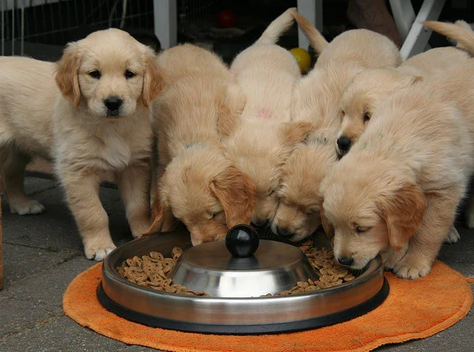
Why puppies miss their mom and littermates
A mother dog provides more than milk. She gives warmth, safety, grooming, and early lessons about how dogs communicate. Littermates also help puppies learn through play and gentle conflict.
A puppy’s early world is full of familiar signals. These signals include the mother’s scent, heartbeat, body heat, and voice. When those signals disappear, the puppy may feel unsure.
The role of scent
Scent is one of the most important ways dogs understand the world. A mother’s smell can help a puppy feel safe. A new home has unfamiliar scents, so the puppy may need time to relax.
A blanket that smells like the mother or litter can help during the transition. If possible, ask the breeder or rescue group for a small cloth from the puppy’s original sleeping area.
The role of touch and warmth
Puppies are used to sleeping in a warm group. A quiet home may feel cold and empty by comparison. This is one reason a puppy may cry when placed alone at night.
A safe, warm bed can help. Some puppies also settle with a snuggle toy made for dogs. Avoid heating pads unless they are made for pets and used exactly as directed. A puppy can become overheated or trapped against a heat source.
Learning from littermates
Play with siblings teaches puppies bite control, body language, and social skills. A puppy that leaves its litter may miss this daily contact.
Puppy classes and supervised play with healthy, vaccinated dogs can support social development. Ask your veterinarian when these activities are safe, because vaccination timing differs by puppy and location.

When do puppies leave their mom?
Most responsible breeders and veterinarians recommend that puppies stay with their mother and littermates until at least 8 weeks of age. Some puppies benefit from staying until 10 to 12 weeks, especially very small breeds or puppies that need more time to mature.
Leaving too early can increase the risk of problems with:
• Fear
• Poor bite control
• Difficulty reading dog signals
• Excessive attachment
• Stress when left alone
• Frustration during play
This does not mean every puppy separated early will develop problems. Early care, training, genetics, and the puppy’s environment all matter. Still, time with the mother and litter is an important part of normal development.
The American Veterinary Society of Animal Behavior supports careful early socialization while puppies are young. Safe social experiences should begin before the full vaccine series is complete, but they should be planned with veterinary advice.
A good breeder or rescue group should also provide information about the puppy’s health, feeding, behavior, and early experiences. Be cautious if someone wants to send a puppy home at an unusually young age.

How long do puppies miss their mom?
There is no exact timeline. Some puppies settle within one or two nights. Others need several days or a few weeks to feel fully comfortable.
The first 24 to 72 hours are often the hardest. During this period, a puppy may cry, follow you closely, or wake often. These behaviors usually improve when the puppy has a steady routine and kind guidance.
Do puppies ever miss their mom for months? Most puppies do not show ongoing distress about their mother once they adjust. A young dog may remember familiar people and dogs, but it usually focuses on its current relationships and daily environment.
Adjustment may take longer when:
• The puppy was separated too early
• The move involved a long trip
• The puppy has a shy temperament
• The home is loud or busy
• The puppy lacks a consistent routine
• The puppy feels pain or illness
• The puppy is left alone for long periods
If fear, crying, or poor appetite continues, contact a veterinarian. Behavior changes can sometimes point to illness rather than simple homesickness.

How to help a puppy adjust after leaving its mom
Your goal is not to replace the mother. Your goal is to create safety, predictability, and trust.
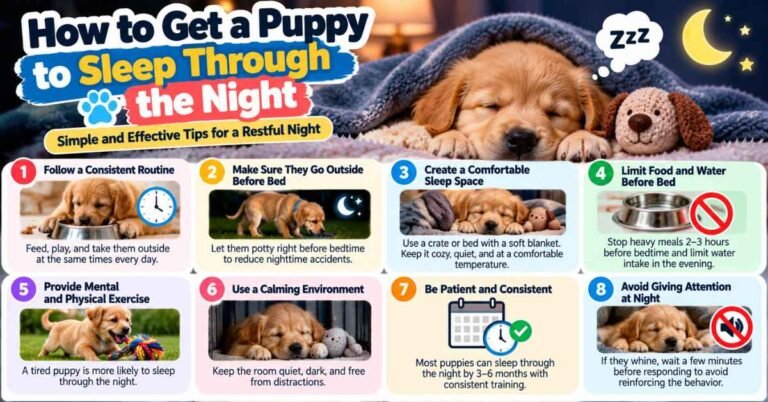
1. Create a small safe space
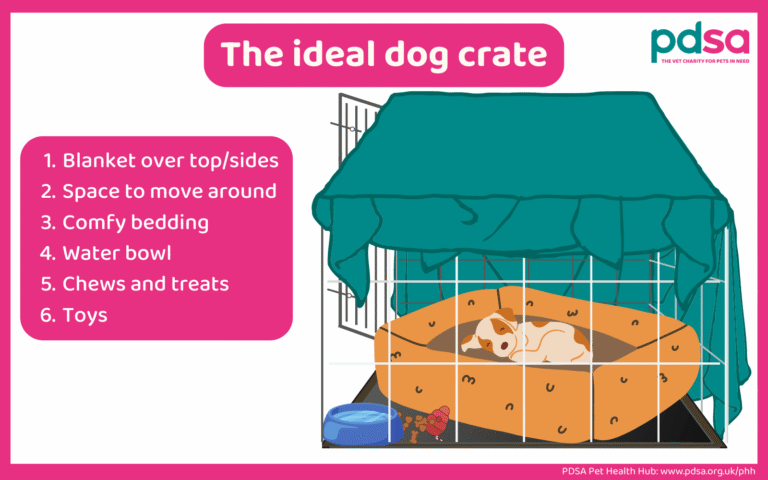
Set up a quiet area before the puppy arrives. Use a crate or puppy pen with soft bedding, water, and a safe chew toy. Keep the space near family activity during the day, but away from heavy traffic.
A small space can feel less frightening than a whole house. It also helps with house training and rest.
2. Keep the first routine simple
For the first few days, avoid overwhelming the puppy with visitors and long outings. Offer meals, toilet breaks, naps, play, and bedtime at roughly the same times each day.
Puppies need a lot of sleep. Many young puppies sleep 18 to 20 hours in a day. A tired puppy may look fussy when it really needs rest.
3. Offer comfort without creating panic
It is fine to comfort a crying puppy. Speak softly and sit nearby. You can place your hand near the crate if that helps the puppy settle.
Try not to turn every cry into a long play session. Otherwise, the puppy may learn that crying always leads to excitement. Calm comfort teaches a better lesson.
4. Practice short periods alone
Start with very brief separations. Step away for a few seconds, return calmly, and slowly increase the time. This helps the puppy learn that you leave and come back.
Do not use long “cry it out” sessions. Prolonged distress can make fear worse. Gradual training is kinder and more effective.
5. Use familiar items when possible
Ask whether you can bring home a blanket or toy carrying the scent of the puppy’s mother or litter. A familiar smell may offer comfort during the first nights.
Wash the item if it becomes soiled, but keep another familiar object available if possible.
6. Support healthy socialization
Introduce the puppy to safe people, gentle handling, household sounds, surfaces, and calm dogs. Keep each new experience short and positive.
Never force a frightened puppy toward a person, dog, or object. Let the puppy observe from a safe distance, then reward calm behavior.

What not to do when a puppy cries for its mom
It is natural to feel worried when a puppy cries. Many new owners make choices from a place of love but accidentally increase stress.
Avoid these common mistakes:
• Punishing the puppy for whining
• Shouting or banging on the crate
• Giving too much freedom too soon
• Changing food without a plan
• Inviting many guests right away
• Leaving the puppy alone for a full workday
• Ignoring signs of illness
• Using unsafe human medicine
• Allowing rough play with large dogs
• Expecting perfect house training in the first week
A crying puppy is communicating. It may need a toilet break, food, warmth, rest, comfort, or medical care. Look at the whole picture before deciding what the behavior means.
A useful approach is to check basic needs first. Take the puppy outside, offer water, confirm that it is comfortable, and then guide it back to rest.

Do puppies remember their mother?
Puppies can remember familiar smells and experiences, but memory in dogs is not the same as human memory. A puppy may recognize its mother later through scent or behavior, especially after a short separation.
Still, recognition does not mean the puppy will remain emotionally dependent on its mother. Dogs are adaptable. They can form new bonds with people, other pets, and new canine companions.
Do puppies ever miss their mom after meeting their new family? They may still show a brief adjustment period, but a caring home can quickly become their new source of safety. Regular meals, gentle handling, play, and rest help build this bond.
A mother dog also begins encouraging independence as puppies grow. In a healthy litter, she may nurse less often and spend more time away from them. This gradual change prepares puppies for life beyond the nest.

When puppy sadness may signal a health problem
Do puppies ever miss their mom in a way that causes serious illness? Normal adjustment should not cause severe or lasting symptoms. A puppy that will not eat, drink, play, or sleep normally needs attention.
Call a veterinarian promptly if your puppy has:
• Repeated vomiting or diarrhea
• Extreme weakness
• Trouble breathing
• Pale gums
• A swollen belly
• Signs of pain
• A high or low body temperature
• No interest in food for an extended period
• Blood in vomit or stool
• Sudden collapse
Young puppies can become dehydrated or weak quickly. Do not assume every change is emotional. A veterinary check is the safest way to separate homesickness from illness.
Your veterinarian can also guide you on vaccines, parasite control, nutrition, safe socialization, and a suitable puppy class. These early health steps support both physical and emotional development.

A realistic first-week plan
A simple plan can make the transition easier.
Day one
Keep the puppy’s world small and calm. Offer the same food it ate before, unless your veterinarian advises a change. Take it out for regular bathroom breaks and let it sleep often.
Days two and three
Begin short crate or pen sessions while you are nearby. Introduce one or two gentle household sounds, such as a vacuum heard from another room. Reward calm behavior with soft praise or a small treat.
Days four through seven
Build a predictable routine. Practice very short separations, gentle handling, and name recognition. Arrange a veterinary visit if one has not already been scheduled.
Each puppy moves at its own pace. A confident puppy may explore quickly, while a shy puppy may need more time. Progress does not have to look dramatic. Eating well, sleeping calmly, and seeking you for comfort are all positive signs.

Frequently Asked Questions
Do puppies ever miss their mom at night?
Yes, nighttime can make separation feel stronger because the puppy is alone and the home is quiet. A nearby crate, a steady bedtime routine, and a brief bathroom break can help the puppy settle.
How long will a puppy cry after leaving its mom?
Many puppies cry for a few nights, while others need several days or longer. If crying is intense, continues for weeks, or occurs with illness signs, speak with a veterinarian or qualified behavior professional.
Should I let my puppy sleep with me?
You can comfort your puppy near your bed, but choose a safe sleep setup. A crate or puppy pen can prevent falls, chewing, and nighttime accidents while helping the puppy learn a routine.
Does a puppy need another dog after leaving its mom?
No, a puppy does not need another dog to thrive. Positive contact with healthy, vaccinated dogs can help social skills, but human care, training, rest, and safe experiences are also essential.
Can a puppy recognize its mother later?
A puppy may recognize its mother through scent and familiar behavior, especially after a short separation. However, most puppies can also form strong new bonds and adjust well to a loving home.
What helps a puppy stop missing its mom?
A calm routine, safe sleeping area, familiar scent, gentle comfort, and gradual alone-time practice can help. Avoid punishment, and contact a veterinarian if the puppy does not eat or seems unwell.
Conclusion
Do puppies ever miss their mom? Yes, especially during the first days after leaving their mother and littermates. The crying, searching, and clinginess usually reflect a major change, not permanent sadness.
You can help by keeping life calm, using a predictable routine, offering safe comfort, and introducing new experiences slowly. Watch your puppy closely, and seek veterinary help when behavior changes seem severe or last too long.
With patience, your puppy can turn a new house into a safe home. Share your puppy’s first-week experience in the comments, or explore more trusted puppy-care resources for the next step.