Why Is My Puppy Throwing Up: Common Causes And What To Do
Your puppy may be throwing up from eating too fast, stomach upset, infection, parasites, toxins, or swallowing an object.
Knowing why your puppy is throwing up can help you choose the right next step, but puppies can become dehydrated or seriously ill quickly. This guide explains common causes, warning signs, safe home care, and when a veterinarian should examine your puppy.
Why Is My Puppy Throwing Up?
Puppy vomiting is the forceful emptying of stomach contents through the mouth. It may happen once after a minor stomach upset, or it may signal a serious problem that needs urgent care.
When asking, “why is my puppy throwing up,” start by looking at the full picture:
• How many times has your puppy vomited?
• What did the vomit look like?
• Is your puppy alert, playful, and willing to drink?
• Does your puppy have diarrhea, pain, fever, or weakness?
• Could your puppy have eaten a toy, plant, medicine, trash, or harmful food?
A single episode in an otherwise happy puppy may be mild. Repeated vomiting, bloody vomit, severe tiredness, or trouble keeping water down is more concerning.
Remember that puppies have small bodies and limited fluid reserves. They can become dehydrated faster than adult dogs. Very young puppies can also develop low blood sugar when they cannot eat.
Common Reasons Your Puppy May Be Throwing Up
There are many possible answers to “why is my puppy throwing up.” Some are simple and short lived. Others need prompt veterinary treatment.
Eating too fast
Some puppies gulp food as if every meal is a race. This can cause them to swallow air and bring up undigested food soon after eating.
Using a slow feeder, puzzle bowl, or several small meals may help. You can also spread dry food across a clean baking sheet so your puppy must eat more slowly.
Sudden food changes
Changing brands, flavors, or protein sources too quickly can upset a puppy’s digestive system. Even a high quality food may cause vomiting if the change is sudden.
Move to a new food over about seven days unless your veterinarian gives different advice. Mix a small amount of the new food with the old food, then slowly increase the new portion.
Eating something unusual
Puppies explore with their mouths. Grass, dirt, tissues, socks, sticks, food wrappers, and table scraps can all irritate the stomach.
Rich or fatty foods may cause vomiting and may contribute to pancreatitis. Common dangerous foods include chocolate, grapes, raisins, onions, garlic, xylitol, alcohol, and some human medicines.
Motion sickness
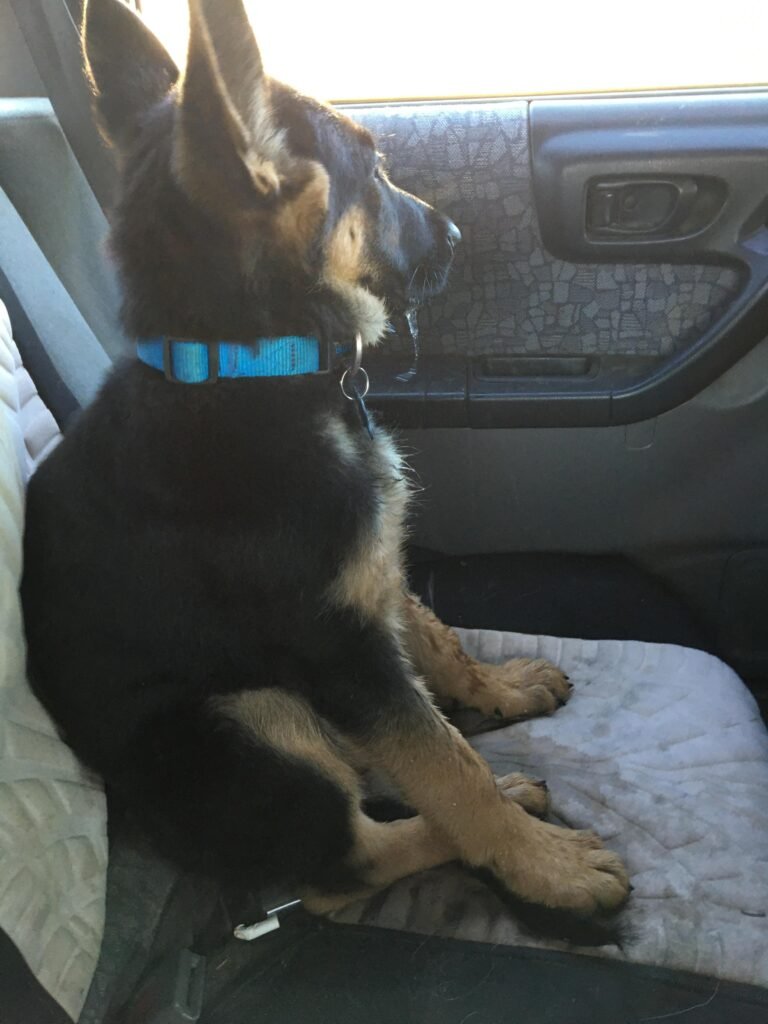
A puppy may vomit during or after a car ride. Drooling, lip licking, whining, and restlessness often occur before motion sickness.
Short, calm rides may help your puppy adjust. Do not give motion sickness medicine unless a veterinarian recommends the correct product and dose.
Intestinal parasites
Roundworms, hookworms, whipworms, and other parasites are common in puppies. They may cause vomiting, diarrhea, poor growth, a swollen belly, coughing, or a dull coat.
Puppies need regular parasite checks and deworming plans. The right treatment depends on the parasite, your puppy’s age, weight, and test results.
Viral or bacterial infection
Viruses and bacteria can cause vomiting, diarrhea, fever, poor appetite, and low energy. Canine parvovirus is especially dangerous in puppies that are not fully vaccinated.
Parvovirus can spread through contaminated stool, soil, shoes, bowls, and surfaces. A puppy with vomiting and diarrhea should be kept away from other dogs until a veterinarian rules out contagious disease.
Stress
Moving to a new home, meeting many people, boarding, loud noise, or a major routine change may upset some puppies. Stress can affect the gut, but it should not be used to explain away repeated vomiting or serious symptoms.
A quiet space, steady routine, and small meals may help mild stress related stomach upset. If your puppy seems sick, seek veterinary advice instead.
Swallowing a foreign object
Puppies may swallow socks, toys, rocks, string, bones, or pieces of bedding. An object can block the stomach or intestines.
Possible signs include repeated vomiting, gagging, belly pain, bloating, loss of appetite, weakness, or little to no stool. This can become life threatening and needs urgent veterinary care.

Vomiting Versus Regurgitation
It is useful to know whether your puppy is vomiting or regurgitating. These problems look similar but often have different causes.
Vomiting usually involves nausea and active effort. Your puppy may drool, lick the lips, retch, tense the belly, and heave before stomach contents come out.
Regurgitation is more passive. Food may come up soon after eating without strong abdominal contractions. It often looks like a soft tube of undigested food.
Regurgitation can point to a problem with the esophagus, the tube that carries food from the mouth to the stomach. A veterinarian may need to check for swallowing problems, irritation, or an abnormal widening of the esophagus.
If possible, take a short video and note when the episode occurred. This information can help your veterinarian tell the difference.
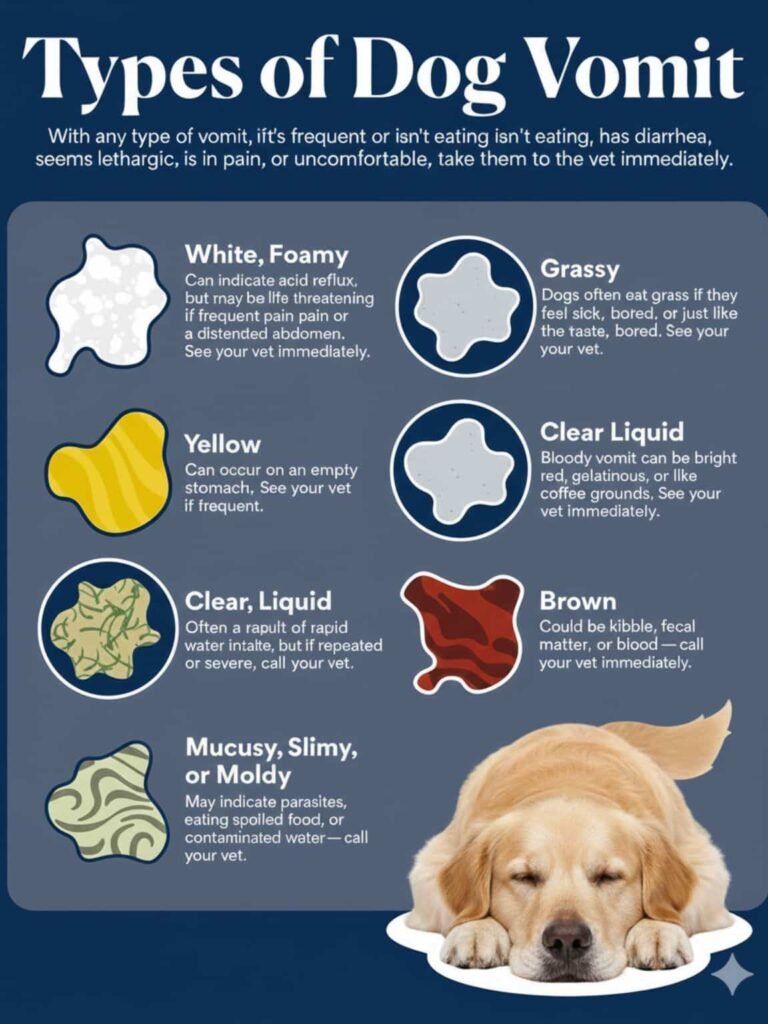
What the Vomit May Tell You
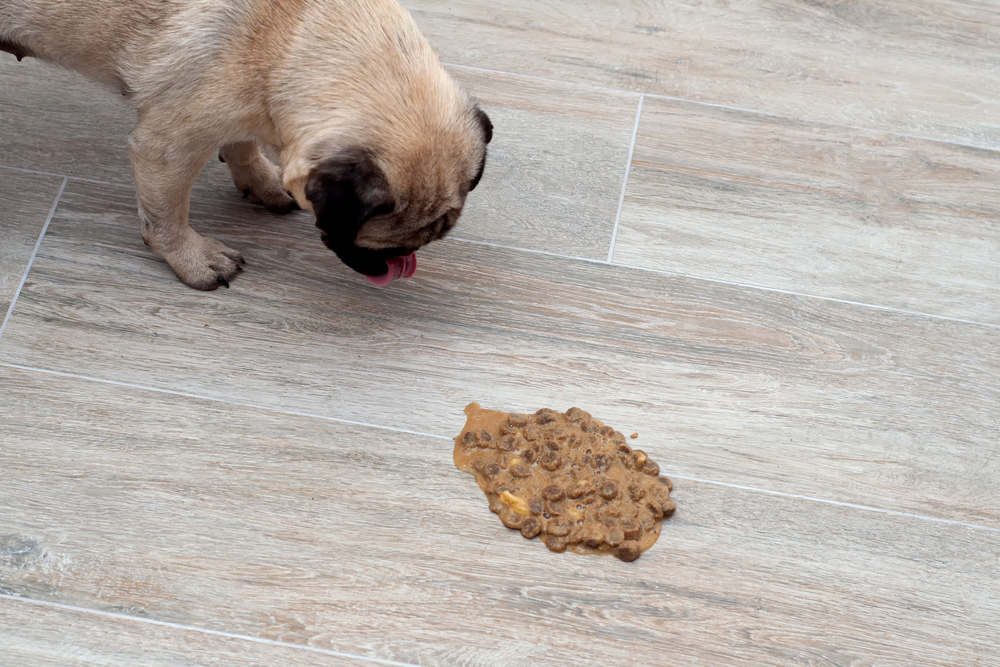
The appearance of vomit can offer clues, but it cannot confirm the cause. A veterinarian may need an examination, stool test, blood work, X-rays, or ultrasound.
• Undigested food may suggest eating too fast, regurgitation, or a recent meal.
• Yellow or green fluid may be bile. This can appear when the stomach is empty, but repeated bile vomiting still needs attention.
• White foam may come from saliva and stomach fluid. It can occur with stomach irritation, nausea, reflux, or other illness.
• Pink or red blood may indicate bleeding. Even a small amount should be discussed with a veterinarian.
• Dark brown material that looks like coffee grounds may be partly digested blood and requires urgent care.
• Worms in vomit may indicate parasites, but not every wormlike object is a parasite. Save a sample in a sealed bag if it is safe to do so.
A photo or sample can be useful. Wash your hands after handling vomit, especially if your puppy may have an infection or parasites.

When Puppy Vomiting Is an Emergency
Call a veterinarian promptly if your puppy vomits more than once, seems unwell, or cannot keep water down. Young puppies can worsen in a short time.
Seek emergency care now if your puppy has:
• Blood in the vomit or stool
• Repeated vomiting over several hours
• Severe weakness, collapse, confusion, or trouble standing
• A swollen, painful, or tight belly
• Repeated unproductive retching
• Pale, gray, blue, or very dry gums
• Trouble breathing
• Suspected toxin exposure
• A known or possible swallowed object
• Vomiting with severe diarrhea
• Signs of dehydration
• A fever or unusually low body temperature
• No vaccination protection and possible exposure to parvovirus
Repeated retching with a swollen abdomen may signal bloat, although bloat is more common in large, deep chested dogs. It is still an emergency in any dog.
Do not wait for symptoms to become dramatic. Puppies often hide illness until they are quite sick.
Signs of Dehydration in a Puppy
Dehydration is one of the main risks when a puppy is throwing up. Vomiting removes water and salts from the body. Diarrhea can increase that loss.
Possible signs include:
• Sticky or dry gums
• Thick saliva
• Sunken eyes
• Weakness or unusual sleepiness
• Reduced urination
• Skin that does not quickly return to place when gently lifted
The skin test is not always reliable, especially in very young or overweight puppies. Gum moisture, energy level, urine output, and veterinary assessment provide better clues.
Do not force large amounts of water into your puppy’s mouth. Your puppy may vomit again or inhale the fluid. Offer only small amounts while contacting your veterinarian, unless a professional tells you to do something different.

What to Do if Your Puppy Is Throwing Up
Stay calm and collect useful information. Your response during the first few hours can help your veterinarian make a faster decision.
-
Remove access to food, trash, toys, plants, and other possible hazards.
-
Check whether your puppy is alert and breathing normally.
-
Look for diarrhea, blood, belly pain, bloating, or repeated retching.
-
Write down the time, number of episodes, and what the vomit looked like.
-
Call your veterinarian for advice, especially if your puppy is young or not fully vaccinated.
-
Offer small sips of water only if your puppy is alert and your veterinarian agrees.
-
Keep your puppy warm, quiet, and separated from other dogs if infection is possible.
Do not give Pepto Bismol, ibuprofen, acetaminophen, aspirin, antacids, or other human medicine unless a veterinarian specifically prescribes it. Some products are toxic to dogs, and others can hide important symptoms.
Do not try to make your puppy vomit unless a veterinarian or poison control professional gives clear instructions. Inducing vomiting can cause more harm with some chemicals, sharp objects, petroleum products, and swallowed batteries.

Feeding a Puppy After Vomiting
Feeding advice depends on your puppy’s age, size, health, and the suspected cause. A short fast that may be reasonable for an adult dog can be unsafe for a tiny puppy.
Ask your veterinarian before withholding food for a young puppy. Once vomiting has stopped and a professional says feeding is safe, they may suggest small, frequent portions of an easy to digest diet.
Follow these basic principles:
• Give small meals rather than one large meal.
• Avoid fatty treats, table scraps, bones, and chews.
• Return to regular puppy food gradually.
• Watch for renewed vomiting, diarrhea, pain, or low energy.
• Keep fresh water available, but prevent rapid gulping if that triggers vomiting.
Puppies need balanced nutrition for growth. Homemade bland diets are not complete for long term feeding unless a veterinary nutrition expert formulates them.
How a Veterinarian Diagnoses Puppy Vomiting
Your veterinarian will ask about food, vaccines, deworming, exposure, activity, stool, and possible toxins. Be honest about anything your puppy could have eaten, even if you are unsure.
The examination may include checking the gums, abdomen, temperature, hydration, heart rate, and weight. Tests may include:
• A fecal test for parasites
• A parvovirus test
• Blood tests
• X-rays for an object or intestinal blockage
• Ultrasound for soft tissue problems
• Additional testing for liver, pancreas, kidney, or metabolic disease
Treatment may include fluids, anti nausea medicine, deworming medication, dietary support, antibiotics in selected cases, or surgery for a blockage.
Antibiotics do not treat every cause of vomiting. They are used only when a veterinarian believes a bacterial infection or another specific condition makes them appropriate.
Preventing Vomiting in Puppies
You cannot prevent every stomach problem, but simple habits reduce many risks.
• Feed a complete puppy diet made for your puppy’s life stage and size.
• Change food slowly over about a week.
• Use a slow feeder if your puppy gulps meals.
• Keep medications, cleaners, chemicals, and toxic foods locked away.
• Pick up socks, string, small toys, rocks, and children’s items.
• Keep trash cans behind closed doors or use secure lids.
• Follow your veterinarian’s vaccine and parasite prevention plan.
• Avoid dog parks and unknown dog contact until your puppy has suitable vaccine protection.
• Teach “leave it” and “drop it” with reward based training.
• Keep a list of emergency veterinary numbers and poison control information.
Supervision is especially important during teething. A puppy may chew and swallow pieces of objects that seemed harmless at first.
Personal Lessons That Help Puppy Owners
One common mistake is focusing only on the vomit. The better question is how the puppy looks between episodes. A puppy that vomits once but remains bright is different from a puppy that vomits twice and then becomes quiet, weak, or withdrawn.
Another mistake is waiting because the vomit looks small. A small puppy can lose a meaningful amount of fluid from several episodes. I recommend tracking time, food, water, stool, energy, and urination rather than relying on memory during a stressful call.
It is also easy to assume that eating grass caused the problem. Grass may be the cause, a response to nausea, or simply something the puppy ate at the same time. Look for the wider pattern instead of choosing the first explanation.
When owners call early, veterinary teams often have more options. Early advice may prevent dehydration, identify a toxin, or catch a blockage before it becomes more dangerous.
Frequently Asked Questions About Why Is My Puppy Throwing Up
Why is my puppy throwing up but acting normal?
A puppy may vomit once from eating too fast, a mild food change, or minor stomach irritation and still act normal. Watch closely, offer no human medicine, and contact your veterinarian if vomiting repeats or any other symptom appears.
Why is my puppy throwing up yellow liquid?
Yellow liquid is often bile, which can appear when the stomach is empty. Repeated yellow vomiting, poor appetite, diarrhea, pain, or weakness needs veterinary advice because bile does not identify the true cause.
Why is my puppy throwing up white foam?
White foam may be saliva mixed with stomach fluid. It can occur with nausea, reflux, stomach irritation, or more serious illness, so repeated episodes or other symptoms should be assessed by a veterinarian.
Should I give my puppy water after vomiting?
Do not let a puppy gulp a large bowl of water right away because that may trigger more vomiting. Ask your veterinarian about offering small amounts, especially if your puppy is very young, weak, or has vomited several times.
Can teething make a puppy throw up?
Teething itself does not usually cause repeated vomiting. Chewing and swallowing pieces of toys, wood, or other objects during teething can upset the stomach or cause a blockage.
When should I take my puppy to the vet for vomiting?
Contact a veterinarian promptly for repeated vomiting, blood, diarrhea, pain, weakness, dehydration, possible toxin exposure, or a swallowed object. Seek emergency care if your puppy collapses, has trouble breathing, or repeatedly retches with a swollen belly.
Can parvovirus cause puppy vomiting?
Yes. Parvovirus can cause vomiting, severe diarrhea, poor appetite, and weakness, especially in puppies without full vaccine protection. Keep a possibly infected puppy away from other dogs and seek veterinary care immediately.
Conclusion
The answer to “why is my puppy throwing up” may be as simple as fast eating or as serious as parvovirus, poisoning, or an intestinal blockage. Look at the whole picture, including the number of episodes, energy level, hydration, stool, vaccine status, and possible access to dangerous objects or foods.
Do not give human medicine or induce vomiting without professional advice. When in doubt, call your veterinarian early, record what happened, and seek emergency care for blood, repeated vomiting, weakness, pain, bloating, or suspected toxins. Share this guide with another puppy owner and explore trusted veterinary resources so you are ready if vomiting happens again.