Why Is My Puppy Not Eating: Causes And Solutions
Puppies may stop eating because of stress, stomach upset, pain, illness, teething, or a sudden food change.
If you are wondering, “why is my puppy not eating,” the answer can range from a mild adjustment period to a health problem that needs fast care. Puppies have small bodies and limited energy stores, so even one missed meal deserves attention. This guide explains the most common causes, what you can safely try at home, and when to call your veterinarian.
Why is my puppy not eating?
A puppy may refuse food for many reasons. Some are minor, such as stress after moving to a new home. Others, such as intestinal blockage, infection, or low blood sugar, can become serious quickly.
The most useful clues are your puppy’s age, breed, energy level, recent habits, and other symptoms. A puppy who skips one meal but plays, drinks, and has normal stools may need simple support. A puppy who will not eat and seems weak, vomits, or has diarrhea needs veterinary advice.
Common reasons include:
• Stress from a new home, travel, visitors, or loud sounds
• Teething pain or mouth injury
• A sudden food change
• Food that is stale, spoiled, or hard to chew
• Mild stomach upset
• Intestinal parasites
• Infection or fever
• Pain in another part of the body
• A swallowed toy, sock, bone, or other object
• Low blood sugar, especially in very small breeds
Veterinary guidance from organizations such as the American Veterinary Medical Association and the Merck Veterinary Manual stresses that appetite changes should be judged along with the puppy’s full condition. Food refusal is a sign, not a diagnosis.

When a puppy not eating is an emergency
Not every missed meal is an emergency, but puppies can worsen faster than adult dogs. Contact a veterinarian promptly if your puppy refuses food and has any of these signs:
• Repeated vomiting
• Watery, bloody, or very frequent diarrhea
• Extreme sleepiness, weakness, or collapse
• Shaking, wobbling, or seizures
• A swollen or painful belly
• Trouble breathing
• Pale, gray, blue, or white gums
• Signs of dehydration
• A fever or feeling unusually cold
• Possible poison exposure
• A known swallowed object
• No food intake for about 12 hours, especially in a young or toy breed puppy
Very young puppies may develop low blood sugar after missing only a few meals. Signs can include weakness, trembling, confusion, poor balance, and seizures. This is an emergency.
Do not force food or water into a weak, vomiting, or unconscious puppy. Your puppy could inhale it. Call a veterinary clinic or emergency hospital for instructions.
If you are asking why is my puppy not eating and the puppy also seems dull or sick, trust what you see. A sudden change in behavior often matters more than the exact number of meals missed.
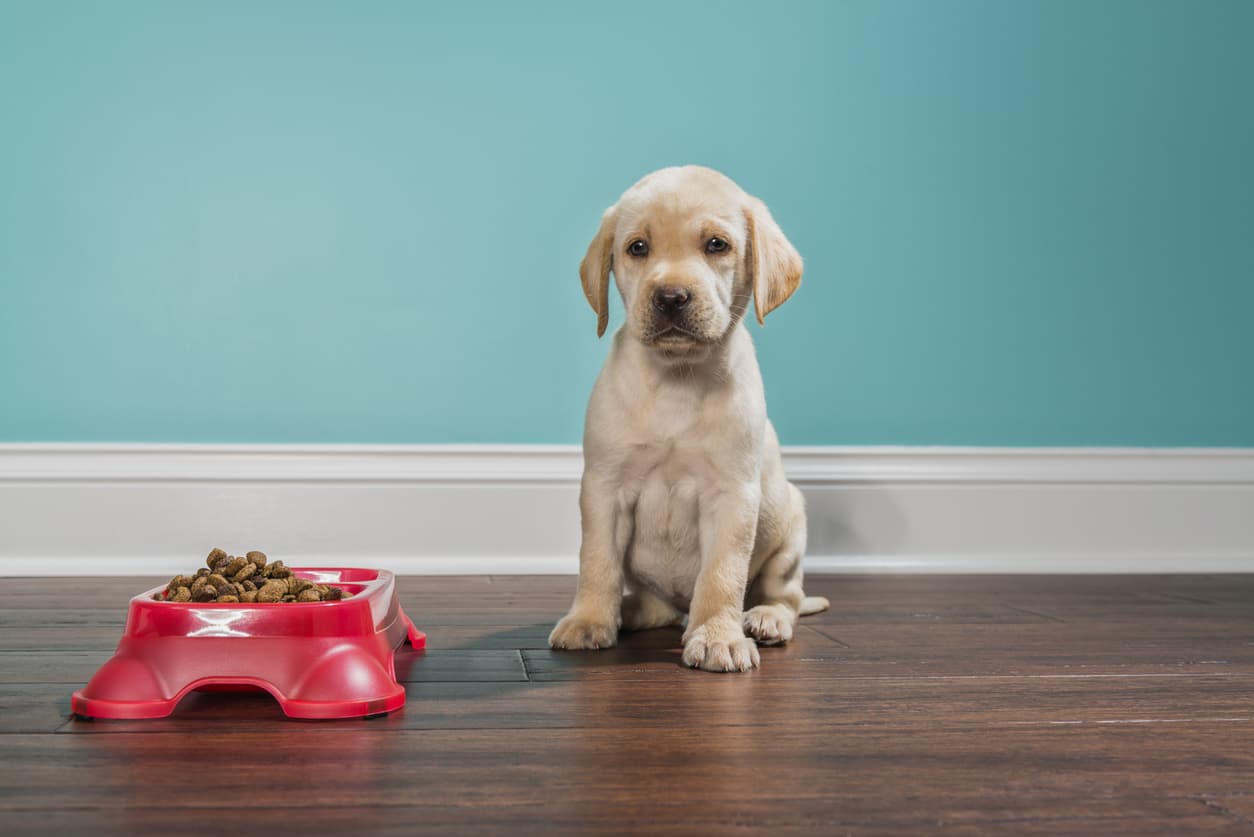
Common reasons your puppy may refuse food
Stress and adjustment
a new puppy has many changes to manage. The home smells different, the sounds are new, and the mother and littermates are gone. Stress can make a puppy ignore food for a short time.
Create a quiet feeding area away from children, other pets, and busy foot traffic. Keep meals on a steady schedule. Sit nearby if your puppy feels alone, but avoid hovering or showing worry.
Teething and mouth pain
Puppies often begin losing baby teeth at about 3 to 4 months of age. Teething may make dry kibble painful to chew. A sore mouth, broken tooth, mouth ulcer, or gum infection can also reduce appetite.
You can ask your veterinarian about softening the usual food with warm water. Do not give cooked bones or very hard chews. They can break teeth or cause choking.
A sudden diet change
A new home often means a new food. Changing brands, flavors, or protein sources too fast can cause stomach upset. Some puppies also refuse food because they prefer the taste or texture of their old diet.
When possible, change food over 7 to 10 days. Mix a small amount of the new food with the old food, then slowly increase the new portion. If the breeder or shelter gave you a feeding plan, use it as a starting point.
Too many treats
Treats, table scraps, dental chews, and stuffed toys can fill a small puppy quickly. They may also teach the puppy to wait for more exciting food.
Keep treats to no more than about 10% of daily calories. Use tiny pieces during training. If your puppy refuses a balanced meal but eagerly eats treats, reduce extras and discuss the pattern with your veterinarian.
Mild stomach upset
Puppies explore the world with their mouths. Grass, dirt, leaves, and bits of paper may cause mild stomach upset. A new chew or rich treat can do the same.
A mild upset may improve, but vomiting or diarrhea can also signal parasites, infection, poisoning, or an obstruction. Do not assume it is harmless if symptoms continue or your puppy’s energy drops.
Parasites and infection
Roundworms, hookworms, giardia, and other parasites are common in puppies. They may cause poor appetite, soft stools, vomiting, a potbelly, weight loss, or slow growth.
Puppies also face infections such as parvovirus, especially if they are not fully vaccinated. Parvovirus can cause severe vomiting, diarrhea, weakness, and dehydration. Any puppy with these signs needs immediate veterinary care.
Pain or a swallowed object
Pain can stop a puppy from eating even when the problem is not in the mouth. A sore leg, abdominal pain, ear infection, or injury may change appetite.
A swallowed sock, toy part, corn cob, or piece of plastic can block the intestines. Warning signs include vomiting, belly pain, repeated attempts to vomit, straining to poop, and a hunched posture. Never wait for the object to “pass” without veterinary advice.
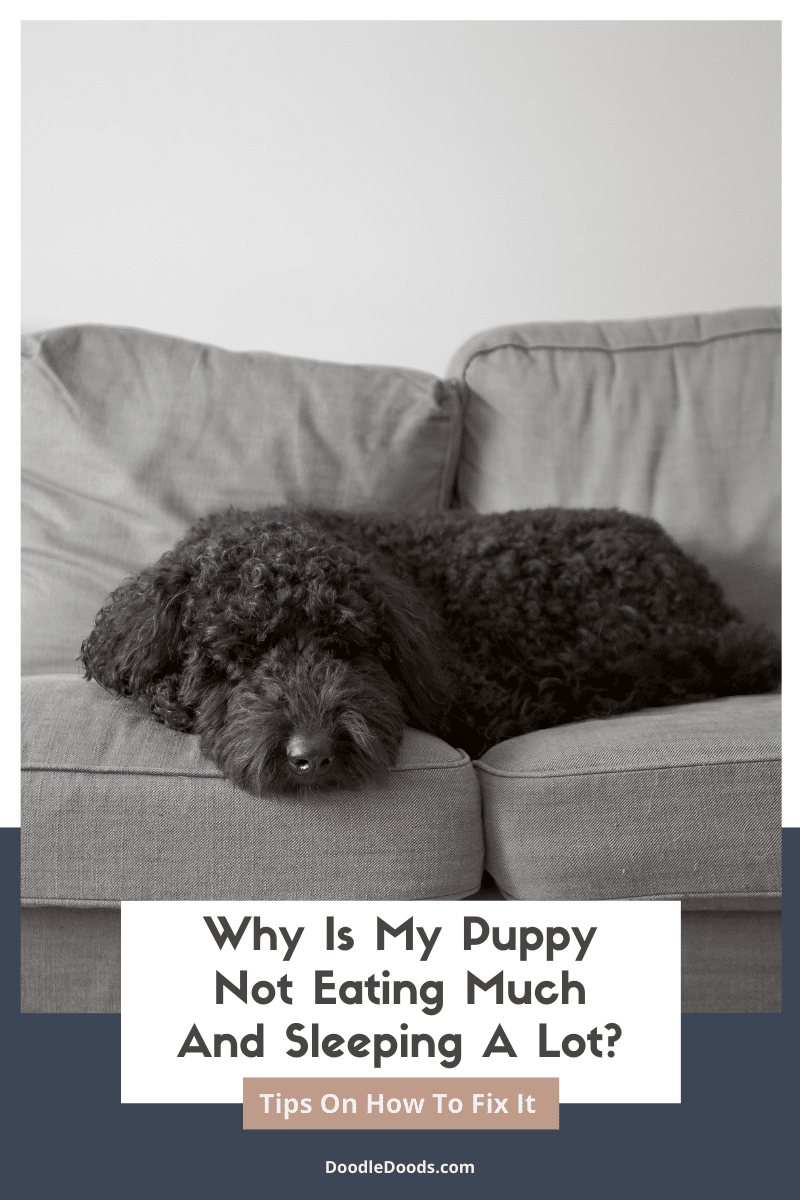
What to do if your puppy is not eating
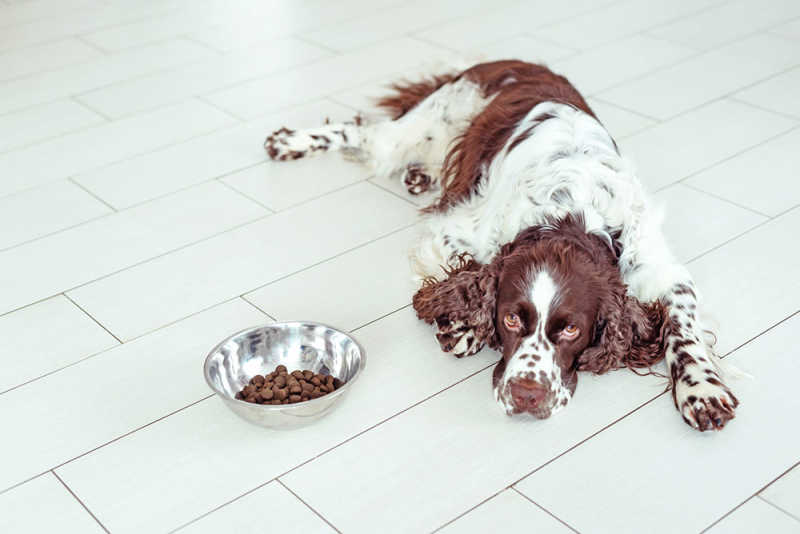
Start with a calm check rather than offering many foods at once. The goal is to learn whether your puppy feels well and whether the food itself is the problem.
-
Check your puppy’s behavior. Is your puppy bright, playful, and responsive?
-
Look at the food. Make sure it is fresh, properly stored, and suitable for puppies.
-
Check the mouth gently. Look for obvious swelling, bleeding, a stuck object, or severe pain. Stop if your puppy resists.
-
Offer the normal meal in a quiet place. Leave it down for about 15 to 20 minutes, then remove it.
-
Provide clean water. Watch whether your puppy drinks and keeps the water down.
-
Record symptoms. Note meals, water, vomiting, stools, energy, and possible exposure to unsafe items.
-
Call your veterinarian if appetite does not return soon or if any warning sign appears.
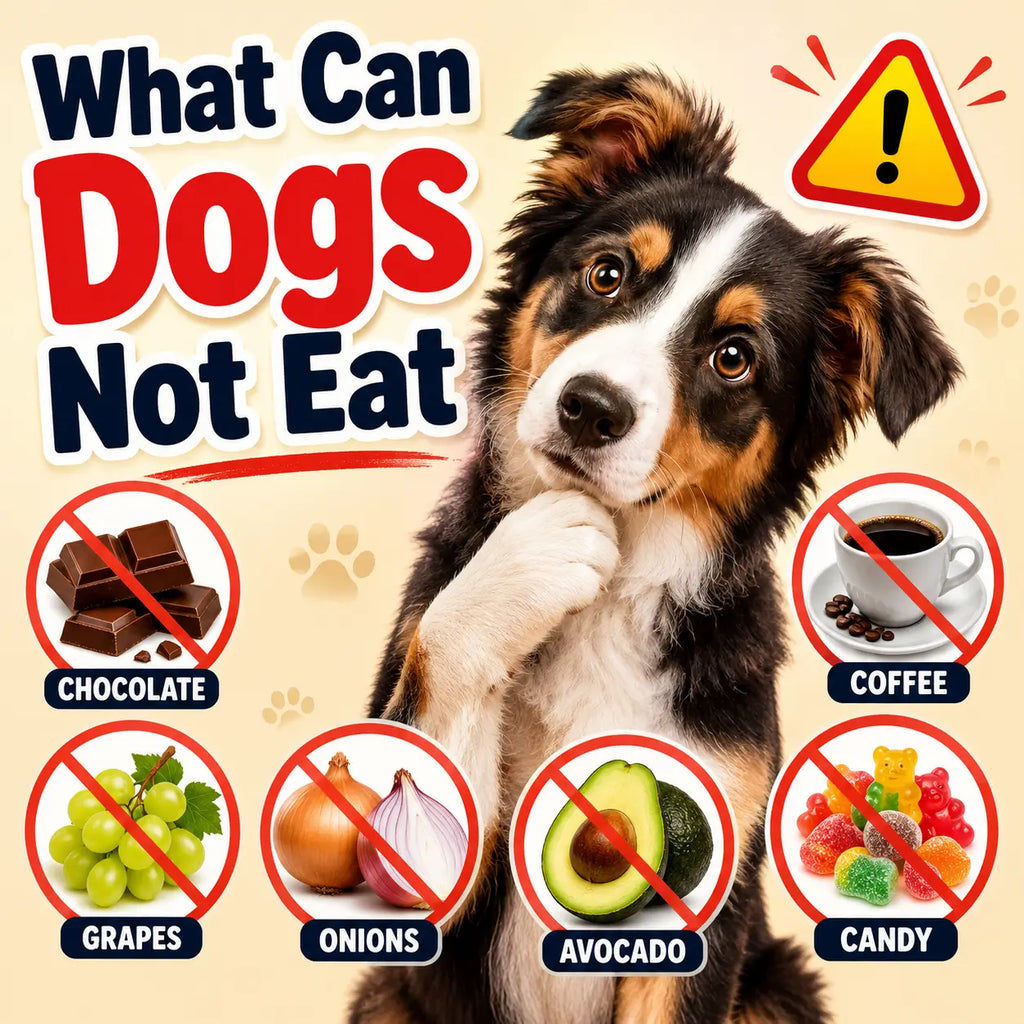
You can make regular puppy food softer with a little warm water. Warming it slightly may also increase its smell. Do not add fatty meat, seasoning, onions, garlic, or large amounts of milk.
Avoid changing foods repeatedly. This can worsen stomach upset and make it hard to identify the cause. Also avoid giving human medicine unless a veterinarian tells you to do so.
One mistake I often see new puppy owners make is turning mealtime into a negotiation. They offer chicken, cheese, treats, and several brands after one refusal. That may create a picky eater and can hide a medical problem. Calm structure is usually safer than a buffet.
How veterinarians find the cause
Your veterinarian may ask when the appetite change began and whether your puppy is drinking, urinating, and passing stool normally. Bring details about food, treats, vaccines, deworming, recent travel, and anything your puppy may have chewed.
The examination may include:
• Checking body weight and hydration
• Looking at the gums, teeth, and mouth
• Listening to the heart and lungs
• Feeling the abdomen
• Checking temperature and pain
• Reviewing vaccine and parasite prevention history
Depending on the findings, the veterinarian may recommend a stool test, blood work, X-rays, ultrasound, or other tests. These tests can help separate a simple food issue from infection, parasites, low blood sugar, or an obstruction.
Do not give your puppy leftover antibiotics or anti-diarrhea medicine. The wrong treatment can delay care or cause harm. A veterinarian can choose treatment based on the puppy’s age, weight, examination, and test results.

Helping your puppy build healthy eating habits
A consistent routine can prevent many feeding problems. Most young puppies do well with several small meals each day, but the exact schedule depends on age, size, breed, and the food’s calorie content.
Helpful habits include:
• Feed a complete and balanced puppy diet
• Use a clean bowl in a calm area
• Measure meals instead of guessing
• Keep fresh water available
• Limit treats and table food
• Change diets slowly
• Store food in a cool, dry place
• Wash bowls often
• Track weight during regular veterinary visits
Toy breed puppies may need special feeding plans because they have small energy reserves. Large breed puppies also need food made for controlled growth. Ask your veterinarian which formula and portion fit your puppy.
A puppy’s appetite should support steady growth, not rapid weight gain. Feeding too much can strain developing bones and joints. Feeding too little can affect growth and energy, so portion advice should come from the food label and your veterinary team.
What not to do when your puppy will not eat
Some popular home remedies are unsafe for puppies. Avoid these common mistakes:
• Do not force-feed a puppy that is weak or vomiting
• Do not give cooked bones
• Do not use human pain medicine
• Do not give milk as a treatment for poor appetite
• Do not wait several days when symptoms are worsening
• Do not assume a vaccinated puppy cannot become ill
• Do not hide medication in food without veterinary advice
• Do not induce vomiting unless a veterinarian or poison expert directs you
If you suspect poisoning, save the package or take a photo of the product. Call your veterinarian or a pet poison service right away. The right response depends on the substance, amount, and time of exposure.
A puppy not eating can be caused by something simple, but home care has limits. When in doubt, calling your veterinary clinic is the safest next step.

Frequently Asked Questions
Why is my puppy not eating but still drinking water?
A puppy may still drink with mild stress, teething pain, or a small stomach upset. If the appetite loss lasts more than one meal, or if vomiting, diarrhea, weakness, or pain appears, contact your veterinarian.
How long can a puppy go without eating?
The safe time varies by age, size, health, and breed. Very young and toy breed puppies can develop low blood sugar quickly, so call a veterinarian after a missed meal if your puppy seems weak or unwell.
Should I give my puppy chicken and rice?
Chicken and rice may be suggested by a veterinarian for some short-term stomach problems, but it is not a complete long-term puppy diet. Do not use it to delay care when your puppy has repeated vomiting, bloody diarrhea, pain, or low energy.
Why is my puppy not eating dry food but eating treats?
Your puppy may dislike the texture, have sore gums, or be filling up on treats. Reduce extras, soften the regular puppy food if your veterinarian agrees, and arrange a checkup if the pattern continues.
Can teething make a puppy stop eating?
Teething can make hard kibble uncomfortable, but it should not usually cause severe illness or complete food refusal. Softening the regular diet may help, while mouth swelling, bleeding, or strong pain needs veterinary attention.
Why is my puppy not eating after coming home?
Moving can cause stress, and some puppies need a day to settle into a new routine. Keep the feeding area quiet and use the same food at first, but call a veterinarian if your puppy is weak, vomiting, has diarrhea, or continues refusing food.
Should I worry if my puppy misses one meal?
One missed meal may not be serious if your puppy is alert, drinking, comfortable, and otherwise normal. Puppies are less able than adult dogs to cope with fasting, so monitor closely and seek advice if appetite does not return.
Conclusion
When you ask, “why is my puppy not eating,” look at the whole picture. Stress, teething, food changes, treats, parasites, infection, pain, and swallowed objects can all affect appetite. A bright puppy who misses one meal may need quiet care and close monitoring, while a weak or vomiting puppy needs prompt veterinary attention.
Offer the usual puppy food, keep water available, avoid unsafe home remedies, and write down any new symptoms. When your instincts say something is wrong, call your veterinarian rather than waiting. Share this guide with another puppy owner, and explore trusted veterinary resources for more help caring for your growing dog.