Why Do Puppies Get Hiccups: Causes And Care
Puppies get hiccups when fast eating, swallowed air, excitement, or a developing diaphragm trigger spasms.
If you have ever watched your puppy’s tiny body jump with each hiccup, you may wonder whether something is wrong. In most cases, why do puppies get hiccups has a simple answer: young puppies have developing breathing muscles and often eat, drink, or play too quickly. This guide explains the common causes, safe home care, warning signs, and when a veterinarian should check your puppy.
Why do puppies get hiccups?
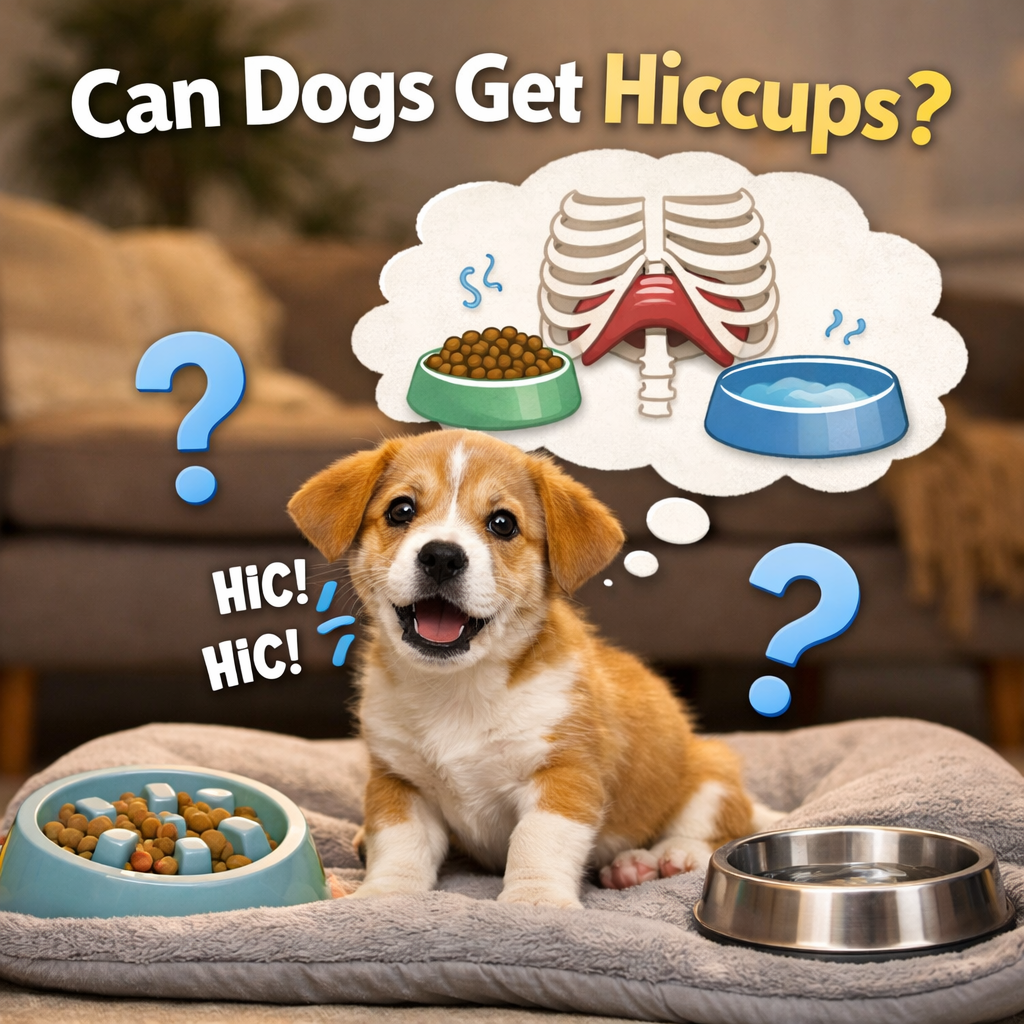
Puppy hiccups happen when the diaphragm suddenly contracts. The diaphragm is a thin muscle below the lungs. It helps your puppy breathe in and out.
When the diaphragm spasms, the vocal cords close quickly. This creates the familiar “hic” sound. The process is much like a small twitch in any other muscle.
So, why do puppies get hiccups more often than adult dogs? Their bodies are still growing. Their breathing muscles, nerves, and digestive systems are still learning to work together smoothly.
Common triggers include:
• Eating too fast
• Drinking large amounts of water
• Swallowing air while eating
• Excitement or intense play
• Sudden changes in breathing
• Stress or overstimulation
• A full stomach pressing against the diaphragm
• Cold air or quick temperature changes
Most puppy hiccups are harmless. They often stop on their own within a few minutes.
Why do puppies get hiccups after eating?
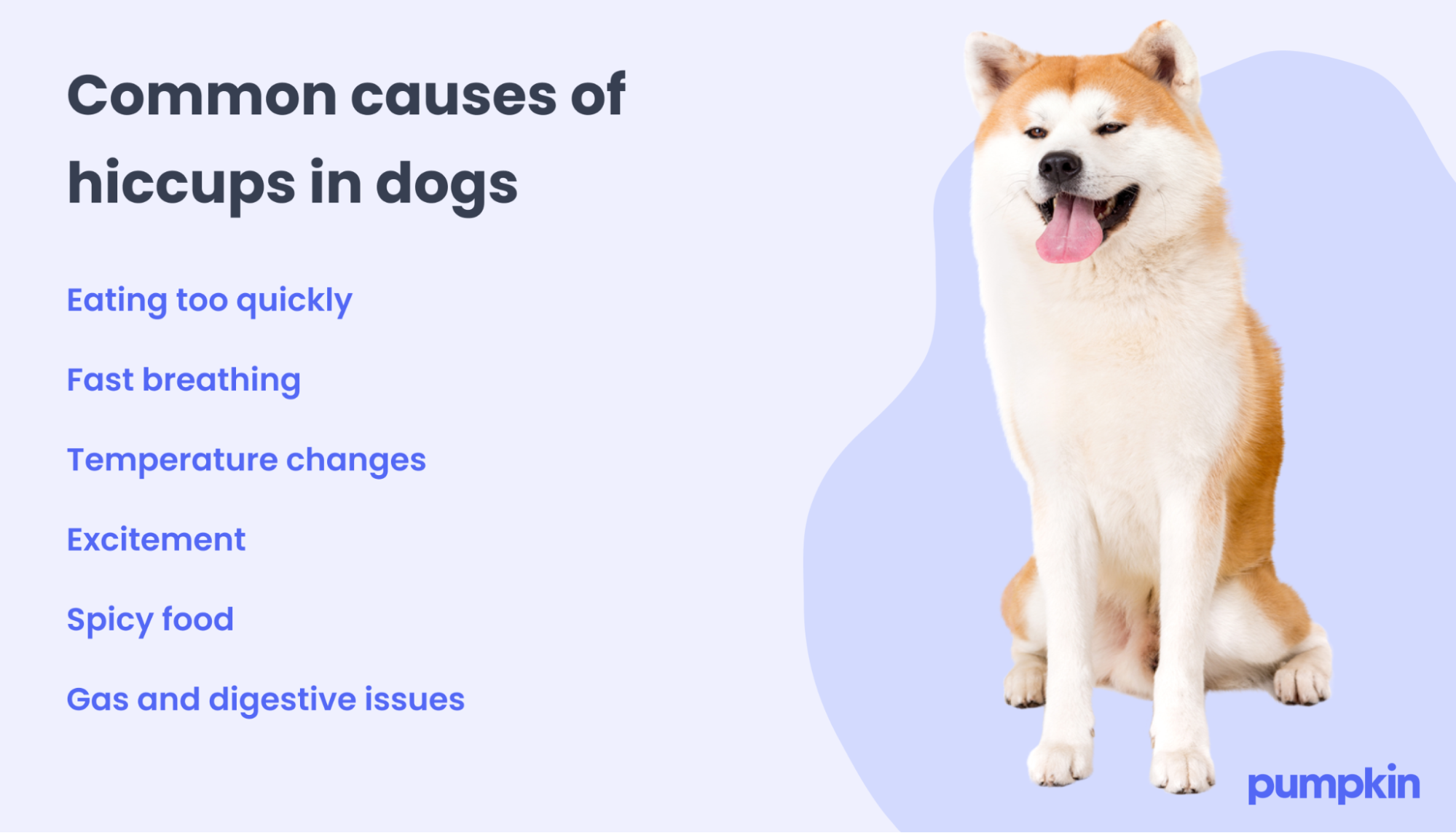
Fast eating is one of the most common reasons puppies get hiccups. When a puppy gulps food, it may swallow extra air along with each bite. That extra air can stretch the stomach and irritate the diaphragm.
A puppy’s stomach is small. Even a normal meal may make the stomach feel full. If your puppy eats too much or eats too quickly, the expanded stomach can push upward toward the diaphragm.
Some puppies also hiccup after drinking water. This is more likely when they drink a large amount at once after running or playing.
You can help slow mealtimes by:
• Offering smaller meals more often
• Using a slow feeder made for puppies
• Spreading dry food across a clean baking sheet
• Giving your puppy quiet time before and after meals
• Keeping fresh water available without encouraging rapid drinking
• Avoiding hard play right after eating
Do not take away water for long periods. Puppies need regular access to clean water, especially in warm weather.
In my experience helping people assess common puppy symptoms, eating speed is often the first detail worth checking. A puppy that gulps meals may have hiccups, burps, gas, or mild stomach discomfort. Slowing the meal can solve the problem without medicine.

Why do puppies get hiccups while sleeping?
Puppies may get hiccups during sleep or shortly after waking. Sleep changes breathing patterns, muscle activity, and body position. These changes can sometimes trigger a brief diaphragm spasm.
Dreaming may also cause small movements, faster breathing, or sudden muscle twitches. A puppy may hiccup after an active dream or after settling down from a busy day.
Hiccups during sleep are usually not a concern when your puppy:
• Breathes normally
• Has pink gums
• Wakes and acts normally
• Eats and drinks well
• Has no vomiting or diarrhea
• Does not seem to be in pain
You do not need to wake your puppy for ordinary hiccups. Let your puppy rest. Most episodes pass without help.
However, watch closely if the sound seems more like coughing, choking, wheezing, or struggling to breathe. Hiccups should cause small, rhythmic jerks. Breathing problems often look more forceful and may involve the chest, belly, or neck.
Are puppy hiccups normal?
Yes, puppy hiccups are usually normal. Many young dogs have them often during their first months of life. The episodes commonly become less frequent as the puppy grows and gains better control of its breathing and digestion.
Normal hiccups tend to have a clear pattern:
• They begin suddenly
• They occur at regular intervals
• They last a few minutes
• They stop without treatment
• Your puppy remains alert and comfortable
Hiccups alone do not usually mean that a puppy has worms, heart disease, or a serious stomach problem. Online discussions sometimes connect hiccups with many illnesses, but a single short episode is rarely enough to suggest disease.
Still, the whole picture matters. Why do puppies get hiccups is only one part of the question. You should also consider appetite, energy, stool, breathing, and behavior.
Keep a simple record if the hiccups happen often. Write down:
• When the episode starts
• How long it lasts
• What your puppy ate or drank
• Whether your puppy was playing
• Any cough, vomit, pain, or breathing change
This record can help your veterinarian find a pattern.

How long do puppy hiccups last?
Most puppy hiccup episodes last only a few minutes. Some may continue for 10 to 15 minutes and still be harmless if the puppy acts normal.
There is no exact time limit that proves a problem. However, repeated or long-lasting episodes deserve more attention, especially when other signs appear.
Contact your veterinarian if hiccups:
• Continue for several hours
• Return many times each day
• Disturb sleep or eating
• Come with coughing or gagging
• Occur with vomiting or diarrhea
• Cause weakness or unusual tiredness
• Seem painful
• Occur with a swollen or tense belly
• Come with rapid or difficult breathing
Very young puppies can become unwell quickly. They have less body reserve than adult dogs. When in doubt, calling a veterinary clinic is safer than trying a risky home remedy.

Safe ways to stop puppy hiccups
Most of the time, you do not need to stop hiccups. They are like a small reset in the breathing system and usually fade without help.
You can make your puppy comfortable by trying these gentle steps:
-
Stay calm and let your puppy rest.
-
Offer a few small sips of water if your puppy has been active.
-
Reduce noise, excitement, and rough play.
-
Check that your puppy is not too hot or too cold.
-
Feed the next meal slowly.
-
Use a slow feeder if your puppy gulps food.
-
Keep your puppy upright and relaxed after eating.
Never frighten your puppy to stop hiccups. Do not pull the tongue, press on the throat, force food, or give human medicine. Do not give sugar, vinegar, oil, or other internet remedies unless a veterinarian specifically recommends them.
A common mistake is trying too many remedies at once. This can upset the stomach and make it harder to know what caused a change. Gentle observation is usually the best first step.

How to prevent frequent puppy hiccups
You may not be able to prevent every episode. Still, daily habits can reduce common triggers.
Try these practical changes:
• Feed age-appropriate puppy food
• Follow the meal amount recommended by your veterinarian or food label
• Divide food into several small meals
• Use a slow-feeding bowl
• Keep your puppy calm during meals
• Avoid sudden, intense play after eating
• Let your puppy rest after drinking a large amount
• Keep a regular feeding schedule
• Prevent access to table scraps and rich foods
• Teach children not to excite the puppy during meals
Puppies often eat quickly because food feels exciting. Training can help. Reward calm behavior before placing the bowl down. You can also wait a few seconds before allowing your puppy to begin eating.
If you use treats during training, count them as part of the daily food amount. Too many treats can cause stomach fullness, gas, and diarrhea. Those problems may make hiccups more likely.

When puppy hiccups may signal a health problem
Hiccups are usually harmless, but they can sometimes look similar to other symptoms. A cough, gag, reverse sneeze, reflux episode, or breathing problem may be mistaken for hiccups.
Seek prompt veterinary care if your puppy has hiccups along with:
• Trouble breathing
• Pale, gray, or blue gums
• Repeated vomiting
• Blood in vomit or stool
• Severe diarrhea
• A painful or swollen abdomen
• Collapse or extreme weakness
• Loss of appetite
• Fever or marked tiredness
• Difficulty swallowing
• Possible poisoning or swallowed objects
A puppy that cannot keep food or water down needs veterinary advice. The same is true for a puppy that may have swallowed a toy, bone, sock, or piece of plastic.
Do not assume every repeated chest movement is a hiccup. Record a short video if possible. A video can help a veterinarian tell the difference between hiccups, coughing, gagging, and other movements.
Veterinary advice is especially important for very small puppies, puppies with known medical conditions, and puppies that have not completed their vaccines.

Do puppies get hiccups from worms?
Worms are not a common direct cause of ordinary puppy hiccups. However, intestinal parasites can cause stomach upset, poor growth, diarrhea, vomiting, or a swollen belly. Those problems may occur at the same time as hiccups, which can create confusion.
Puppies commonly need routine parasite checks and deworming advice. Your veterinarian can choose the right schedule based on age, location, lifestyle, and test results.
Do not give an over-the-counter dewormer without veterinary guidance. Different parasites need different treatments, and the wrong product or dose may be unsafe.
The bigger lesson is to look at the full set of symptoms. Why do puppies get hiccups is usually answered by normal development, eating habits, or excitement. Hiccups paired with illness signs need a wider health check.
What veterinarians consider when assessing hiccups
A veterinarian will usually ask about the timing, frequency, and length of the episodes. They may also ask about food, treats, water intake, exercise, stool, vomiting, and possible exposure to household objects or chemicals.
A physical examination may include checking:
• Breathing rate and effort
• Heart and lung sounds
• Gum color
• Body temperature
• Hydration
• Abdominal comfort
• Weight and growth
• Mouth and throat
Most puppies with brief, mild hiccups need no tests. If the episodes are severe or linked with other signs, the veterinarian may recommend blood tests, stool testing, X-rays, or other checks.
This is why online advice has limits. A written description cannot confirm whether a puppy has hiccups or another condition. Careful observation is useful, but it should not replace professional care when symptoms are serious.
Frequently Asked Questions About Why Do Puppies Get Hiccups
Why do puppies get hiccups every day?
Puppies may get hiccups every day because they eat fast, swallow air, play hard, or have developing breathing muscles. If each episode is short and your puppy remains healthy, daily hiccups are usually not dangerous.
Should I worry if my puppy has hiccups for 20 minutes?
A 20-minute episode may still be harmless if your puppy is comfortable and breathing normally. Contact a veterinarian if hiccups continue for hours, happen often, or occur with vomiting, pain, coughing, weakness, or breathing trouble.
Can I give my puppy water for hiccups?
You can offer a few small sips of clean water if your puppy is alert and swallowing normally. Do not force water, and do not let your puppy gulp a large amount because that may worsen stomach fullness.
Do hiccups mean my puppy is sick?
Hiccups alone usually do not mean your puppy is sick. They become more concerning when they occur with poor appetite, vomiting, diarrhea, coughing, difficult breathing, a swollen belly, or unusual tiredness.
Can changing food cause puppy hiccups?
A sudden food change can upset the stomach and may occur with gas or hiccups. Change puppy food slowly over several days unless your veterinarian tells you to switch at once.
How can I stop my puppy from eating too fast?
Use a puppy-safe slow feeder, divide meals into smaller portions, or spread kibble over a clean flat surface. Keep your puppy calm before and after eating, and avoid rough play right after meals.
Conclusion
Puppies get hiccups because their developing diaphragm can react to fast eating, swallowed air, full stomachs, excitement, and changes in breathing. Most episodes are brief and harmless, so calm observation is usually all your puppy needs.
Slow meals, quiet rest, safe feeding habits, and a simple symptom record can help reduce repeat episodes. If hiccups last for hours or appear with vomiting, pain, weakness, coughing, or breathing trouble, contact your veterinarian.
Watch your puppy’s whole behavior, not just the hiccup sound. For more practical puppy health guidance, explore trusted veterinary resources, speak with your veterinarian, or share your experience in the comments.