When Do Puppies Start Barking: Puppy Barking Milestones
Most puppies start barking between 2 and 4 weeks, but clear, purposeful barking often develops by 6 to 8 weeks.
Knowing when do puppies start barking helps you understand normal growth, support healthy communication, and spot signs that may need veterinary care. Puppy vocal skills grow in stages, much like learning a new language. This guide explains what to expect, why puppies bark, and how to respond without creating unwanted habits.
When do puppies start barking?
Most puppies begin making soft sounds during their first two weeks. These early noises include squeaks, whines, and tiny grunts. They usually communicate hunger, cold, discomfort, or a need to stay close to their mother.
So, when do puppies start barking in the true sense? Many puppies produce their first bark at about 2 to 4 weeks old. Some bark sooner, while others take longer. Breed, personality, hearing, health, and the puppy’s environment all affect this timeline.
By 6 to 8 weeks, puppies often bark with more purpose. They may bark during play, when startled, or when they want attention. Their bark may still sound small, high, or uneven.
By 12 weeks, many puppies have a wider range of sounds. They may bark at people, other dogs, toys, noises, or changes in their surroundings. At this age, barking becomes part of normal social learning.
A puppy’s barking timeline may look like this:
• Birth to 2 weeks: Soft cries, squeaks, and grunts
• 2 to 4 weeks: Early barking may begin
• 4 to 8 weeks: Barking grows during play and excitement
• 8 to 12 weeks: Barking becomes more varied and purposeful
• 3 to 6 months: Habits begin to form through daily experience and training

Why do puppies bark?
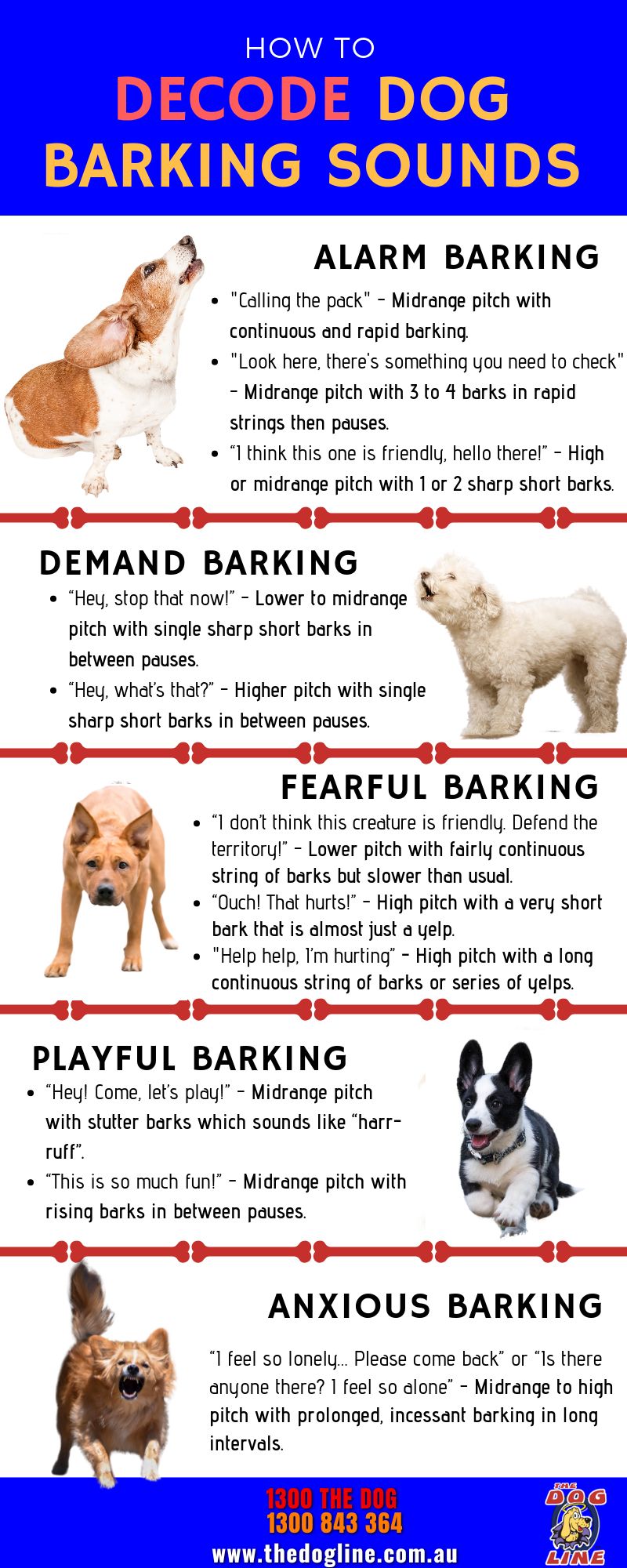
Barking is a normal form of canine communication. Puppies do not bark only to be noisy. They use sound to express needs, feelings, and reactions.
• Hunger or thirst
• Cold, pain, or physical discomfort
• Fear of a new sound or person
• Excitement during play
• Frustration when a toy or treat is out of reach
• Loneliness after leaving their mother and littermates
• A need for sleep or a bathroom break
• A desire for attention
• Alarm caused by movement or unfamiliar activity
A young puppy may bark because the world feels large and new. A vacuum cleaner, doorbell, child, or passing car can seem as surprising as thunder. Your puppy is not being stubborn. It is learning what each sound and event means.
When do puppies start barking because of emotions? This can happen soon after their first playful barks begin. Excitement and fear often trigger barking before a puppy understands how to control its response.
Watch the whole body, not only the mouth. A loose body and wagging tail may show play, while tucked ears, a stiff body, lip licking, or hiding may suggest fear or stress.
:strip_icc()/puppy-barking-2804577-f7f6bffd80fa4edca1bd247ba52fc0a6.jpg)
Puppy barking development by age
Puppy vocal development changes quickly during the first few months. Knowing what is typical can help you avoid expecting too much too soon.
Birth to 2 weeks
Newborn puppies depend on touch, smell, and warmth. Their eyes and ears remain closed for much of this stage. They mostly whine or squeak when they need help.
A puppy that cries often may be cold, hungry, separated, or unwell. The mother normally provides warmth and care, but a weak or restless puppy should receive prompt veterinary advice.
2 to 4 weeks
Puppies become more aware of sound and movement. They may begin to play with littermates and make short, sharp vocal sounds. This is often when the first real bark appears.
When do puppies start barking at this age? Some puppies bark during rough play or when they are surprised. Others remain quiet and use whines instead.
4 to 8 weeks
Barking becomes more common as puppies explore. They may bark at a toy, chase a sibling, or react to a sudden noise. Their littermates teach them important lessons about bite control, play, and social signals.
This stage is also important for gentle socialization. Safe exposure to normal household sounds can help puppies feel less afraid later. Experiences should be gradual and positive.
8 to 12 weeks
Many puppies move into a new home during this period. They may bark more because they have lost the comfort of their mother and littermates. Night barking, crate barking, and barking at new household sounds are common.
A steady routine can help. Short play sessions, naps, meals, bathroom breaks, and calm contact give your puppy a sense of safety.
3 to 6 months
Barking may increase as your puppy grows bolder. Your puppy now notices more sights and sounds. It may also discover that barking makes people look, speak, open doors, or offer attention.
This is when simple reward-based training matters most. Teach your puppy what to do instead of only correcting what you dislike.

Do different breeds start barking at different times?
Yes, breed and individual temperament can influence when puppies bark. Some dogs are naturally more vocal, while others tend to watch quietly.
Working and herding breeds may react quickly to movement or sound. Many terriers are alert and expressive. Some hounds use loud vocal calls, while certain companion breeds may bark mainly for attention.
Still, breed does not provide an exact schedule. Two puppies from the same litter may start barking at different times. A confident puppy may bark early, while a cautious puppy may stay quiet until it feels safe.
Environment matters, too. A puppy raised in a busy home may hear more sounds and practice barking sooner. A puppy in a quiet setting may have fewer reasons to vocalize.
When do puppies start barking should therefore be treated as a general question, not a strict deadline. Health and behavior matter more than an exact age.

How to respond when your puppy barks
Your response can shape future barking habits. The goal is not to silence every bark. Barking is useful communication. The goal is to teach your puppy when barking is appropriate and how to settle.
Try these steps:
-
Check basic needs. Make sure your puppy has gone outside, eaten, had water, and is comfortable.
-
Identify the trigger. Note what happened just before the bark. Was there a visitor, loud sound, toy, crate, or moment of boredom?
-
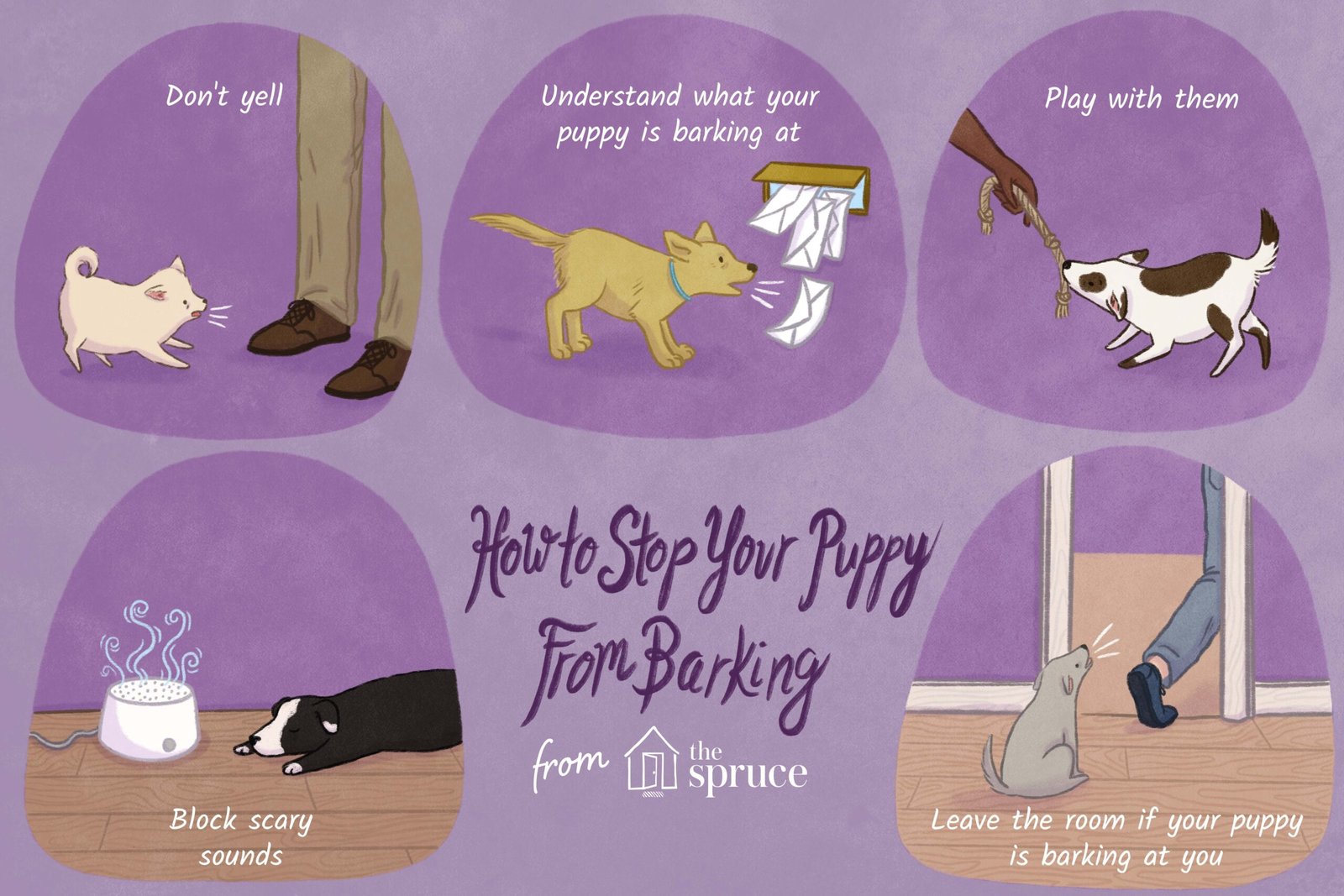
Stay calm. Yelling can sound like barking to your puppy. It may increase excitement or fear.
-
Reward quiet moments. When your puppy pauses, calmly offer praise, a treat, or a toy.
-
Teach an alternative behavior. Ask for a sit, eye contact, or a hand touch before giving attention.
-
Reduce the trigger when possible. Close the blinds, move your puppy away from a busy window, or lower the volume of a loud sound.
-
Provide enough sleep. Young puppies may sleep 18 to 20 hours per day. An overtired puppy can become loud, nippy, and restless.
A common mistake is giving attention during nonstop barking and then expecting quiet behavior later. If your puppy barks at the door and you immediately open it, the puppy may learn that barking works.
Wait for a brief pause when it is safe to do so. Then reward the calm behavior. This teaches a clear lesson: quiet behavior brings good things.

How to reduce unwanted puppy barking
Training works best when it begins with prevention. Puppies learn from repeated patterns, so small daily choices can have a large effect.
Use these practical habits:
• Keep a predictable daily routine
• Give your puppy safe chew toys and food puzzles
• Schedule short play and training sessions
• Offer a quiet resting area
• Introduce new people and sounds slowly
• Reward calm behavior before barking begins
• Avoid using shock, spray, or harsh punishment
• Do not leave a puppy alone for long periods
• Give bathroom breaks after sleep, meals, and play
• Practice short periods of calm separation
If your puppy barks at the window, block the view or move the bed to another place. If your puppy barks in the crate, check for a bathroom need before assuming it is attention seeking.
Crate training should feel safe. Never use the crate as punishment. Build time slowly, pair it with treats, and include rest breaks.
In practical puppy training, one lesson appears again and again: rewarding calm behavior early is easier than stopping a strong barking habit later. A few seconds of quiet may seem small, but those seconds are the building blocks of self-control.

When puppy barking may signal a problem
Most puppy barking is normal. However, sudden, constant, or distressed barking may point to a health or behavior concern.
Contact a veterinarian if barking comes with:
• Poor appetite
• Vomiting or diarrhea
• Limping or unusual movement
• Extreme tiredness
• Trouble breathing
• Repeated crying when touched
• A swollen belly
• Signs of pain
• Confusion or unusual weakness
A puppy that never makes any sound may also need attention if it shows other concerns. Hearing problems, illness, weakness, or poor development can affect vocal behavior.
When do puppies start barking if they have hearing loss? A puppy with limited hearing may bark later, react less to sounds, or fail to respond when called. Only a veterinary professional can assess hearing accurately.
Excessive barking can also result from fear, separation distress, or a stressful environment. A qualified positive-reinforcement trainer or veterinary behavior professional can help create a safe plan.
Do not punish fear barking. Punishment may stop the sound for a moment but can make the fear stronger. Treat the cause, not just the noise.

Helpful puppy barking training tips
Keep training sessions brief and easy. A young puppy may focus for only a few minutes at a time.
Use a marker word such as “yes” when your puppy pauses or looks at you. Then give a small treat. Over time, your puppy learns that calm choices earn rewards.
You can also teach a quiet cue:
-
Allow one or two natural barks when there is no danger.
-
Hold a treat near your puppy’s nose. Most puppies pause to sniff.
-
Say “quiet” in a calm voice.
-
Reward the pause at once.
-
Repeat for a few seconds at a time.
Never tease your puppy into barking during this exercise. You want to build control, not create more excitement.
Keep a simple barking diary for several days. Write down the time, trigger, length, and your puppy’s body language. This can reveal patterns, such as barking before meals or after missed naps.
When do puppies start barking is only the first part of the picture. The more useful question is why your puppy barks and what happens after the bark.
Frequently Asked Questions
When do puppies start barking clearly?
Many puppies begin true barking between 2 and 4 weeks of age. Purposeful barking often becomes more noticeable between 6 and 8 weeks.
Is it normal if my puppy does not bark yet?
Yes, some puppies develop vocal skills later than others. If your puppy seems healthy, hears normal sounds, and communicates in other ways, quiet behavior may be normal.
When do puppies start barking at strangers?
Puppies may react to unfamiliar people between 8 and 12 weeks, but timing varies. Early socialization can help them view new people as safe rather than threatening.
Why does my puppy bark at night?
Night barking may come from loneliness, a bathroom need, hunger, discomfort, or an unfamiliar sleeping space. Check basic needs first, then use a calm routine and gradual crate training.
Should I ignore a barking puppy?
Do not automatically ignore every bark. First check for pain, fear, a bathroom need, or another real problem, then reward brief moments of calm instead of giving attention during repeated demand barking.
Can I stop my puppy from barking completely?
No, and complete silence is not a healthy goal. Barking is normal communication, but you can teach your puppy to bark less, settle faster, and respond to a quiet cue.
Do puppies bark more when they are tired?
They can. Like young children, puppies may become irritable and noisy when overtired, so regular naps are an important part of barking prevention.
Conclusion
When do puppies start barking? Most begin between 2 and 4 weeks, while clear and purposeful barking often develops by 6 to 8 weeks. Age is only one factor. Breed, health, temperament, socialization, sleep, and daily experiences all shape vocal behavior.
Listen to the message behind the bark. Check your puppy’s needs, stay calm, reward quiet behavior, and seek veterinary help when barking appears linked to pain or distress. With patience and steady training, your puppy can learn that calm communication works. Explore more positive puppy training resources, and share your experience with puppy barking in the comments.