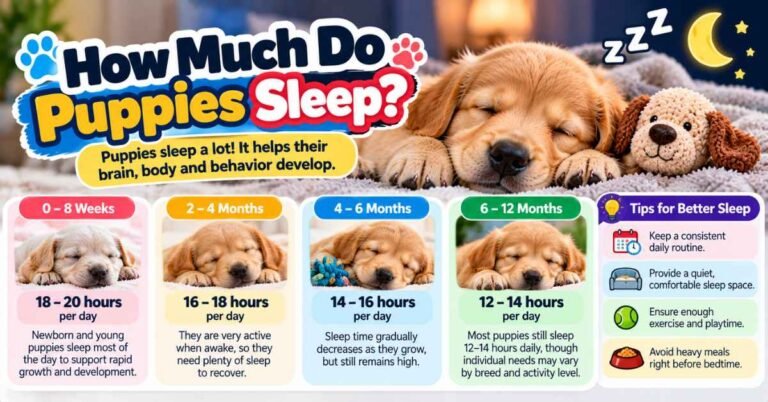
When Do Puppies Stop Nursing: Puppy Weaning Guide
Most puppies stop nursing between seven and eight weeks, but some need more time to wean safely.
Knowing when do puppies stop nursing helps you support steady growth without rushing a natural process. Nursing gives puppies more than food. It provides warmth, comfort, fluids, and important nutrients from their mother’s milk. This guide explains the normal weaning timeline, signs of readiness, feeding steps, common mistakes, and times to call a veterinarian.
When Do Puppies Stop Nursing?
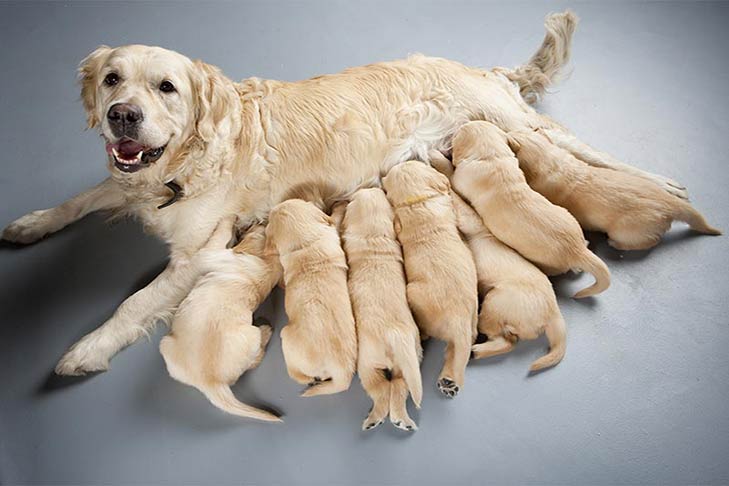
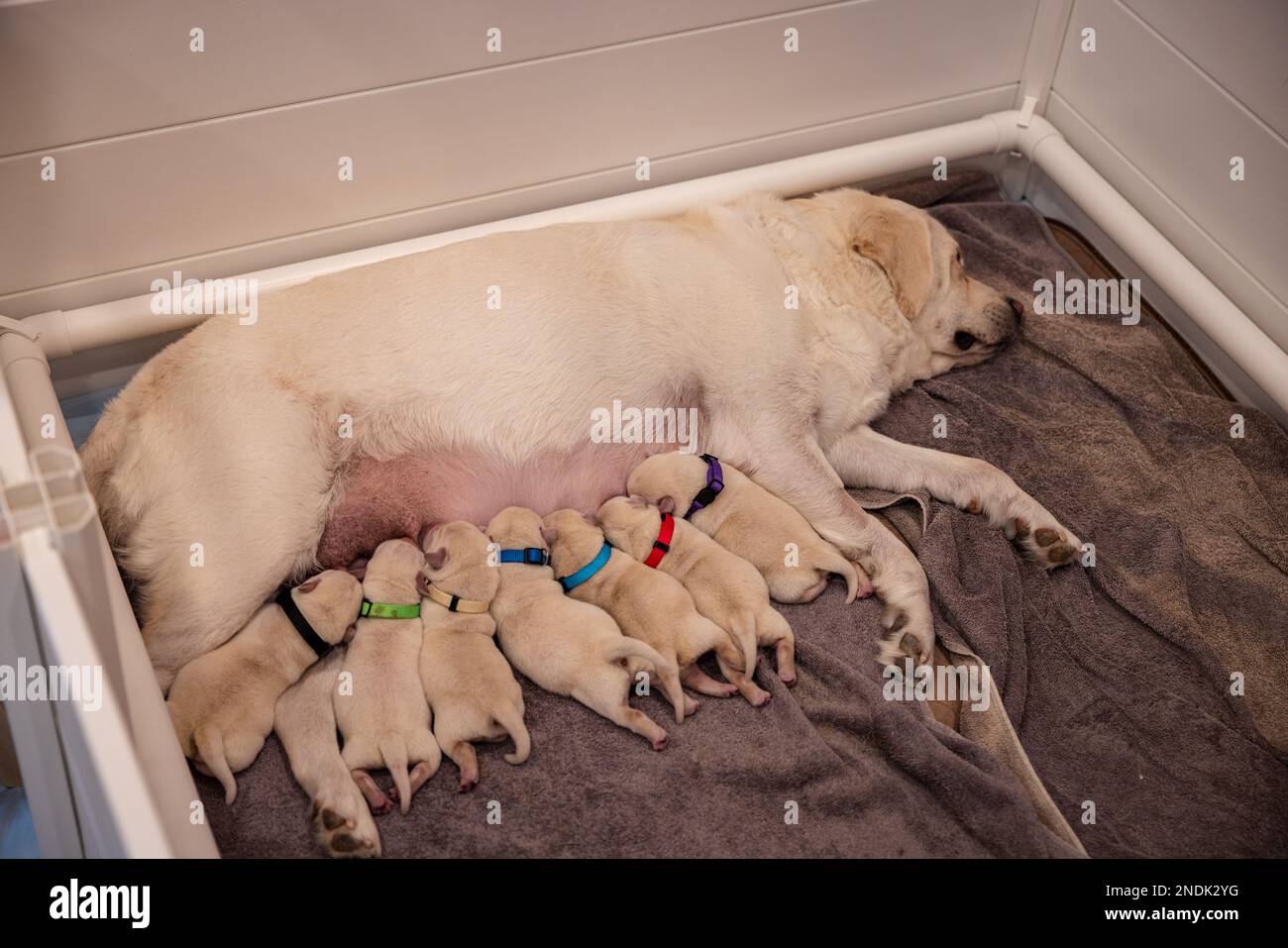
Most puppies begin weaning at about three to four weeks of age. They may still nurse often, but they also start licking soft food and exploring new tastes. By seven to eight weeks, many healthy puppies can eat solid food and no longer depend on nursing.
When do puppies stop nursing fully? The answer can vary by litter, breed, health, and access to the mother. Some puppies finish by seven weeks, while others nurse for comfort until eight or even ten weeks.
Weaning should happen slowly. A sudden stop can cause stress for the puppies and discomfort for the mother. Think of it as moving from a full milk diet to solid food one small step at a time.
Veterinary guidance commonly places complete weaning between seven and ten weeks. Puppies that are small, weak, orphaned, or recovering from illness may need a slower plan and closer monitoring.
:max_bytes(150000):strip_icc()/mom-dog-feeding-puppies-864570326-2000-df1a40f4319246fa9c01cfd3ee8dfac3.jpg)
Source: innotechconsulting.com
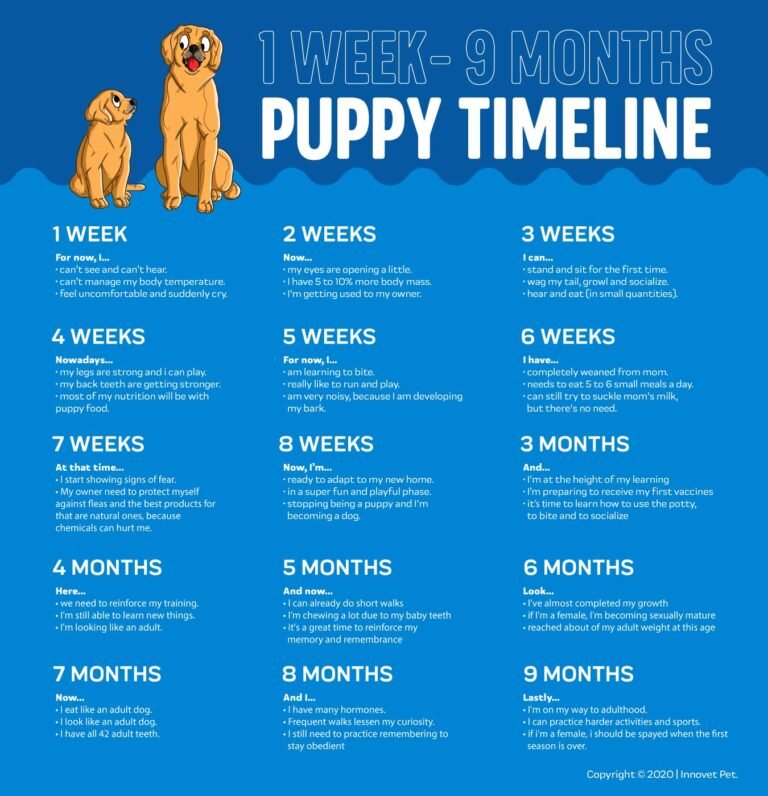
The Puppy Weaning Timeline
Understanding each stage makes it easier to know when do puppies stop nursing and what they need next.
Birth to 3 weeks
Newborn puppies rely almost entirely on their mother’s milk. They usually nurse every few hours and cannot regulate their body temperature well. Their mother also helps them urinate and pass stool during the first weeks.
At this age, puppies should gain weight every day. A digital kitchen scale can help you track progress. Failure to gain weight, constant crying, weakness, or a cold body needs prompt veterinary care.
3 to 4 weeks
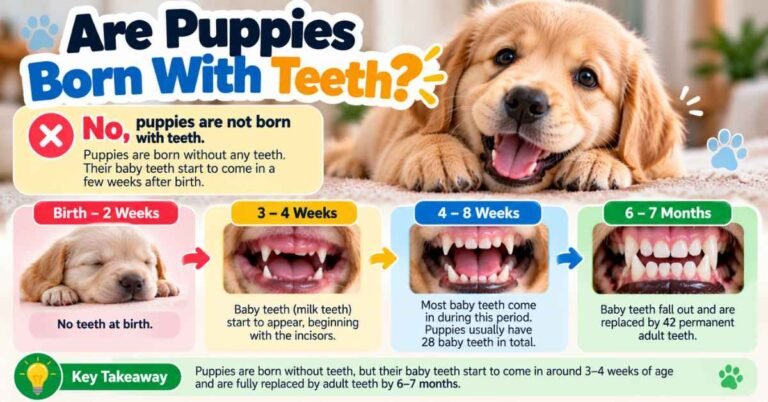
Puppies become more active and curious. Their teeth may begin to appear, which can make nursing uncomfortable for the mother. They may show interest in food when they smell it.
You can offer a shallow dish of warm puppy food mixed with puppy milk replacer or warm water. The mixture should be soft and easy to lap. Do not force a puppy’s face into the dish, since this can cause fear or inhalation of food.
4 to 6 weeks
Solid food becomes a larger part of the diet. Puppies may nurse less often as they eat more meals. The mother may also begin leaving the nest for longer periods.
Offer small meals several times each day. A soft gruel can slowly become thicker as the puppies learn to chew. Clean water should be available in a low, stable bowl.
6 to 8 weeks
Many puppies now eat solid food well. Nursing may happen only a few times a day or mainly when the puppies want comfort. The mother may correct them or stand up when they try to nurse.
When do puppies stop nursing during this stage? Many stop between seven and eight weeks, but a few may continue brief nursing sessions. This is usually normal if they eat well, stay active, and gain weight.
8 to 10 weeks
Some puppies, especially smaller or slower-developing puppies, may still try to nurse. At this point, nursing should not be their main source of calories. Most nutrition should come from a complete puppy diet.
A puppy that still refuses solid food at ten weeks needs veterinary advice. The cause may include pain, parasites, illness, poor appetite, or a feeding problem.

Source: innotechconsulting.com
Signs a Puppy Is Ready to Wean
The answer to when do puppies stop nursing depends partly on readiness signs. Age matters, but behavior and health matter too.
Look for these signs:
- The puppy can stand and walk without much trouble.
- The puppy has open eyes and shows interest in its surroundings.
- Baby teeth are coming through.
- The puppy licks food from a shallow dish.
- The puppy can swallow soft food without coughing.
- The puppy gains weight at a steady rate.
- The puppy remains warm, alert, and active between naps.
- The mother spends more time away from the litter.
A puppy does not need to stop nursing the first time it eats solid food. Early tasting is only the beginning of weaning. Nursing and solid food usually overlap for several weeks.
If a puppy cannot lap food, seems very tired, or falls behind its littermates, do not force the process. A veterinarian can check for cleft palate, infection, parasites, low blood sugar, or other health concerns.

Source: org.br
How to Wean Puppies Safely
A gradual plan protects both the puppies and their mother. It also makes it easier to spot problems early.
1. Start with the right food
Use a complete puppy food made for growth. Choose a formula that meets recognized nutritional standards for puppies. Large breed puppies may need a diet made specifically for large breed growth.
For very young puppies, soften the food with warm water or commercial puppy milk replacer. The texture should resemble thin oatmeal at first.
Do not use cow’s milk, goat’s milk, baby formula, or homemade recipes unless a veterinarian gives specific instructions. These products may not provide the right balance of protein, fat, vitamins, and minerals.
2. Offer small meals
At about four weeks, offer a small amount of soft food three or four times daily. Puppies may step in the dish, sneeze, or wear the food. This messy stage is normal.
As they improve, make the food thicker and increase the amount slowly. By about six to eight weeks, many puppies eat four small meals each day.
3. Keep nursing available at first
Allow the mother to nurse when she is willing during the early weaning stage. Her milk still supplies nutrients and comfort. She may naturally limit nursing as the puppies grow.
Never hold the mother down so puppies can nurse. Never pull puppies away roughly. These actions can cause injury, fear, or stress.
4. Add safe separation periods
Short periods away from the mother can encourage puppies to eat solid food. Begin with a brief separation after the puppies have eaten. Increase the time slowly over several days.
The mother needs breaks, too. Her mammary glands can become painful if milk builds up quickly. Gradual separation lowers the risk of engorgement and mastitis.
5. Provide fresh water
Once puppies eat soft food, offer clean water in a shallow dish. Replace it often. Avoid deep bowls, since young puppies can fall in or struggle to get out.
Water intake may rise as nursing decreases. A sudden lack of drinking, dry gums, weakness, or repeated vomiting requires veterinary attention.
Source: akc.org
How Much Should Weaning Puppies Eat?
The correct amount depends on the puppy’s age, weight, breed, activity, and the food’s calorie content. Use the feeding chart on the puppy food label as a starting point, then adjust with veterinary advice.
Divide the daily amount into several meals. Small stomachs cannot hold a large meal, so frequent feeding works better than one or two big meals.
Helpful habits include:
- Weigh each puppy at the same time each day during early weaning.
- Record food intake, stool quality, and energy level.
- Watch for steady growth rather than rapid weight gain.
- Remove uneaten wet food after about 20 minutes.
- Wash food dishes after every meal.
- Keep puppies away from adult dog food as their main diet.
Puppies may have soft stool when new food is introduced. Diarrhea that is watery, bloody, frequent, or paired with vomiting is not a normal part of weaning. Contact a veterinarian promptly, since young puppies can become dehydrated quickly.

Source: petset.com
What Happens to the Mother Dog?
The mother may look tired, thin, or hungry while nursing. Producing milk uses a great deal of energy. She needs constant access to clean water and a complete diet suitable for late pregnancy or nursing.
As nursing decreases, her food intake should also return to a normal adult level under veterinary guidance. Do not sharply restrict food while she still feeds several puppies.
Check her mammary glands each day. Warning signs include:
- A hot, hard, swollen, or painful gland
- Red or purple skin
- Milk that looks bloody, thick, or unusual
- Fever, weakness, or loss of appetite
- Growling or refusing to let puppies nurse because of pain
These signs may point to mastitis, which needs veterinary treatment. The mother’s health is just as important as the puppies’ progress.

Source: houndsy.com
Common Weaning Mistakes to Avoid
Many problems happen when people focus only on the calendar. The question when do puppies stop nursing cannot be answered by age alone.
Avoid these mistakes:
- Stopping nursing suddenly at four or five weeks
- Giving cow’s milk as a replacement
- Feeding adult dog food as the main diet
- Forcing a puppy’s nose into food
- Leaving puppies with a deep water bowl
- Ignoring slow weight gain
- Separating the litter for long periods too early
- Giving supplements without veterinary advice
- Using human medicines for diarrhea or pain
- Sending puppies to new homes before they are fully eating solid food
A practical lesson from puppy care is that a clean scale often tells more than appearance. A puppy may look round after nursing but still fail to gain weight. Daily records can reveal trouble before the puppy looks sick.
Another useful lesson is to expect a little mess. Weaning is not neat. Patience, washable bedding, shallow dishes, and short meal sessions make the process much easier.
Source: auspola.com
When to Contact a Veterinarian
Call a veterinarian if a puppy shows any of these symptoms:
- No weight gain for 24 hours
- Weight loss
- Refusal to nurse and refusal to eat
- Extreme sleepiness or weakness
- Trouble breathing or swallowing
- Coughing during or after meals
- Repeated vomiting
- Severe or bloody diarrhea
- A swollen belly
- Pale, gray, or blue gums
- Persistent crying
- A cold body or signs of dehydration
Orphaned puppies need special care. They require commercial puppy milk replacer, correct feeding positions, regular weighing, and help with elimination when very young. A veterinarian should guide the feeding schedule and formula amount.
Do not wait for a weak puppy to “catch up.” Young puppies can worsen quickly because they have limited energy reserves. Early care often makes treatment simpler and more successful.

Source: amazon.com
When Do Puppies Stop Nursing in Special Situations?
Orphaned puppies
Orphaned puppies do not have a mother to guide natural weaning. They usually begin tasting soft food at about three to four weeks, but they still need milk replacer until they can eat enough solid food.
A veterinarian can help decide when to reduce formula. Feeding too fast or using the wrong nipple can cause aspiration, which means milk enters the lungs.
Small or toy breed puppies
Small puppies may wean at a similar age, but they can be more vulnerable to low blood sugar and dehydration. They may need smaller, more frequent meals.
When do puppies stop nursing if they are tiny? Some take closer to eight or ten weeks. Their weight gain and ability to eat matter more than a strict date.
Large breed puppies
Large breed puppies also need a gradual change to solid food. Overfeeding can cause overly rapid growth, which may affect developing bones and joints.
Use a complete large breed puppy formula when appropriate. Ask a veterinarian about body condition and feeding amounts.
Puppies with health problems
Illness can delay weaning. A puppy with parasites, mouth pain, infection, or digestive disease may not eat well even when it is old enough.
Treating the medical problem comes first. Never assume a delayed transition is simply stubborn behavior.
Frequently Asked Questions About When Do Puppies Stop Nursing
When do puppies stop nursing completely?
Most puppies stop relying on their mother’s milk between seven and eight weeks. Some continue brief nursing for comfort until eight to ten weeks, especially if they are small or slow to mature.
Can puppies nurse after they start eating solid food?
Yes. Nursing and solid food often overlap from three to eight weeks. The puppy should slowly eat more complete puppy food while nursing becomes less frequent.
Is it bad if a puppy still nurses at eight weeks?
Not always. If the puppy eats solid food, gains weight, and stays active, occasional nursing may be harmless. Ask a veterinarian if nursing remains the puppy’s main source of food.
What should puppies eat during weaning?
Offer a complete puppy food softened with warm water or commercial puppy milk replacer. Avoid cow’s milk and homemade diets unless a veterinarian provides a balanced recipe.
How often should weaning puppies eat?
Young puppies usually need three to four small meals each day during weaning. The exact amount depends on body size, food calories, growth rate, and veterinary advice.
Should the mother dog be separated from the puppies?
Short, gentle separation periods can help the puppies eat solid food and give the mother rest. Increase separation slowly instead of removing her all at once.
What if a puppy refuses solid food?
Check the food texture, temperature, and dish height first. If the puppy also seems weak, loses weight, vomits, has diarrhea, or cannot swallow, contact a veterinarian right away.
Conclusion
When do puppies stop nursing? Most finish the transition between seven and eight weeks, though some need until ten weeks. The safest approach is gradual weaning, complete puppy food, fresh water, daily weight checks, and close attention to both the puppies and their mother.
Let the puppies set the pace while you provide safe meals and a clean, calm space. If a puppy stops gaining weight or seems unwell, seek veterinary help early. Share your puppy-care experience in the comments, and explore more trusted puppy nutrition resources for the next stage of growth.