When Can A Puppy Leave Its Mom: Safe Age And Tips
A puppy can usually leave its mom at eight weeks, once it is weaned and socialized.
Knowing when can a puppy leave its mom helps protect its health, behavior, and early development. The best age is not based on eating solid food alone. A puppy also needs time with its mother and littermates to learn bite control, dog manners, confidence, and calm play. This guide explains the safest timing, key readiness signs, breed differences, and steps for a smooth move home.
When can a puppy leave its mom?
For most puppies, eight weeks is the minimum safe age to leave their mother. Many veterinarians, responsible breeders, and behavior experts view eight to ten weeks as a good range for adoption.
Some puppies benefit from staying until 10 to 12 weeks. This can be true for very small breeds, shy puppies, slow-developing puppies, and puppies that need more time to gain weight or build social skills.
When can a puppy leave its mom depends on more than its birth date. The puppy should also be healthy, eating well, growing steadily, and ready for life away from its litter.
A puppy younger than eight weeks should usually stay with its mother and siblings unless a veterinarian recommends another plan. Early separation can raise the risk of fear, poor bite control, frustration, and trouble reading other dogs.

Why eight weeks is an important age
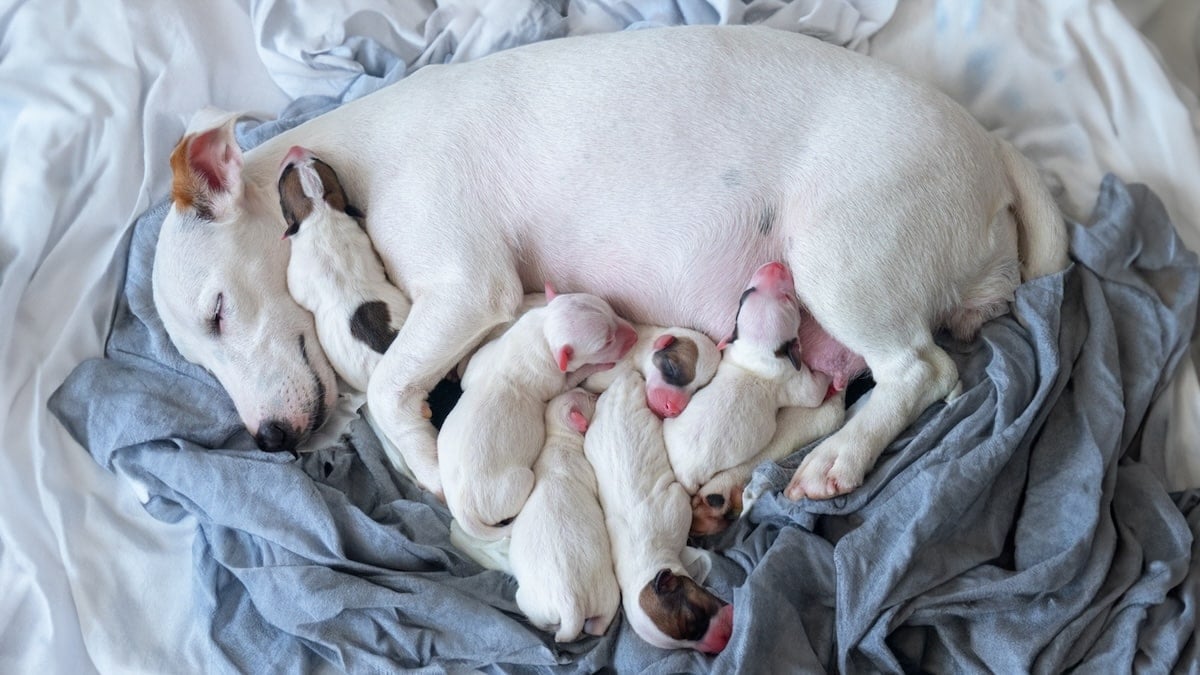
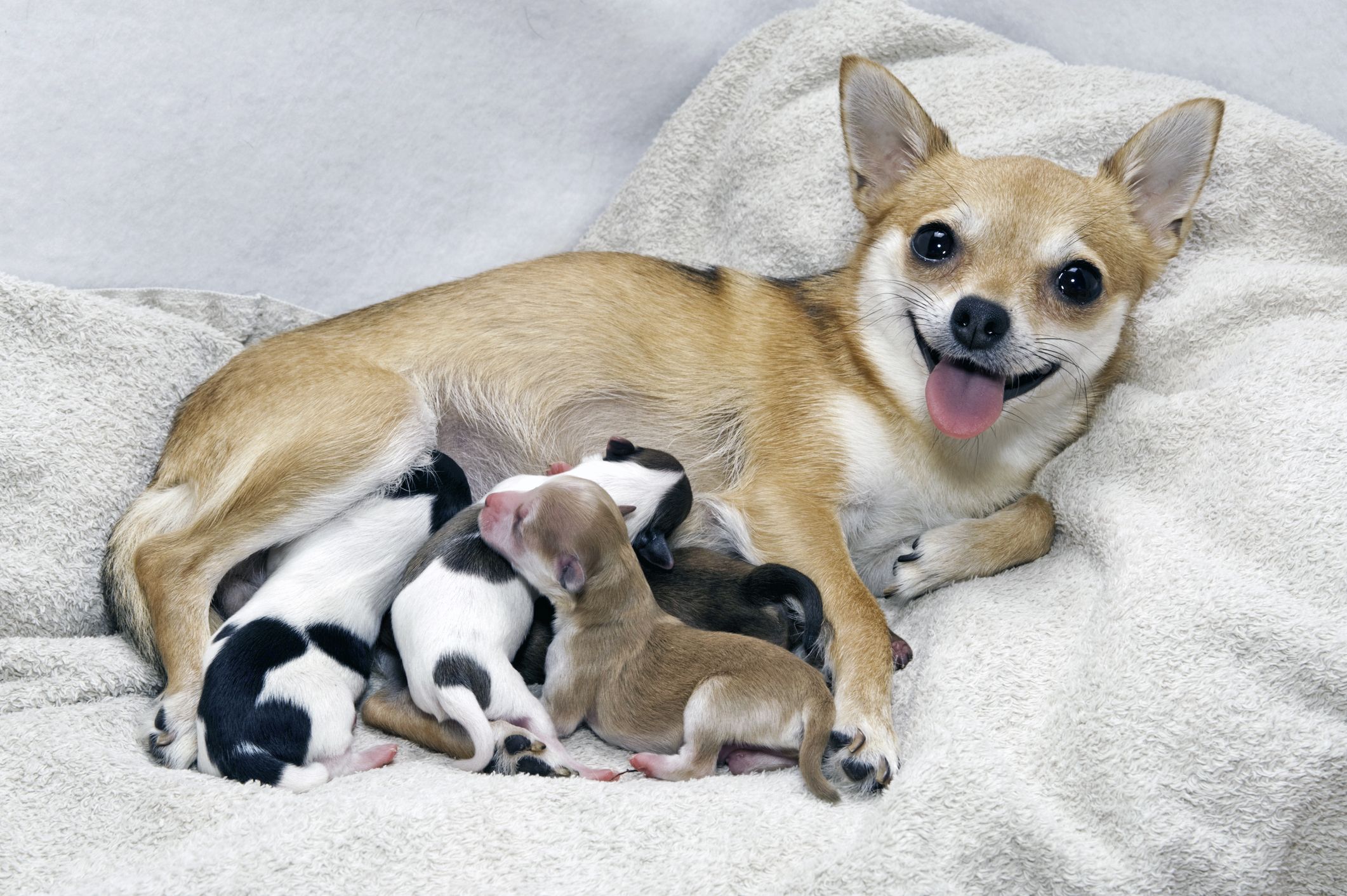
The first eight weeks are a busy learning period. A puppy’s brain, body, and social skills change quickly during this time. Its mother provides warmth, milk, cleaning, comfort, and early lessons in dog behavior.
Littermates also act as teachers. Through play, puppies learn that hard biting ends the game. They learn how to take turns, respond to signals, and settle after excitement.
This stage is much like a child learning language at home. The puppy is not only growing; it is learning how to communicate.
What puppies learn from their mother
A mother dog teaches through simple daily actions. She may move away when nursing ends, correct rude play, or guide a frightened puppy back to calm behavior.
These lessons help puppies learn:
• Gentle mouth control
• Respect for space
• How to pause during play
• How to respond to another dog’s warning
• How to relax after excitement
• Basic confidence in a social group
A puppy separated too soon may miss some of these lessons. That does not mean early separation always causes serious problems, but it can make training harder.
What puppies learn from littermates
Littermate play teaches a puppy that its actions affect others. If one puppy bites too hard, the other may yelp and stop playing. Over time, the puppy learns to use a softer mouth.
Littermates also expose one another to movement, sounds, smells, and different play styles. These small experiences can support better social skills later.
This is one reason the answer to when can a puppy leave its mom is not simply “as soon as it eats solid food.” Weaning is only one part of readiness.

Risks of taking a puppy home too early
taking a puppy home before eight weeks can create challenges. Some puppies adjust well, especially with expert care, but the risk of problems is higher.
Early separation may be linked with:
• Excessive fear of new people or dogs
• Hard biting during play
• Trouble settling down
• Separation distress
• Nervous barking
• Poor dog-to-dog communication
• Increased sensitivity to stress
Research on early puppy separation has found that puppies removed too soon may show more problem behaviors than puppies that remain with their litter longer. Genetics, early care, training, and the home environment also matter, so age is not the only cause.
A puppy taken home at eight weeks can still develop behavior issues. A puppy taken home at nine or ten weeks can also thrive. The age of separation is important, but it works together with health, genetics, socialization, and training.
Why “fully weaned” is not enough
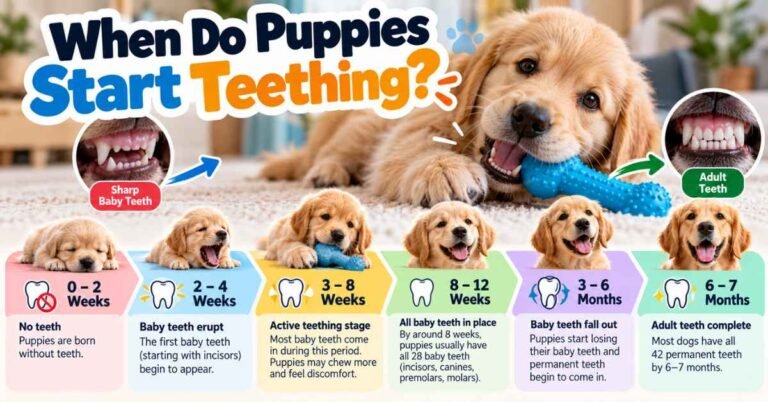
Most puppies begin eating soft food at about three to four weeks. They may eat solid food well by six or seven weeks. Still, eating alone does not mean the puppy is ready to leave.
The puppy also needs social maturity. It should have time to play, rest, explore, and learn from its mother and siblings.
When can a puppy leave its mom should always include both physical and emotional readiness.
 early”
style=”max-width: 100%; height: auto; border: 2px solid black; border-radius: 10px; display: block; margin: 0 auto;”
loading=”lazy”
/>
Signs a puppy is ready for a new home
A responsible breeder or caregiver should check more than age. Before adoption, look for several signs that the puppy is ready.
A ready puppy will usually:
• Be at least eight weeks old
• Eat puppy food without help
• Drink water from a bowl
• Gain weight at a steady rate
• Have bright eyes and clear breathing
• Move normally without weakness
• Sleep well after play
• Show interest in people and its surroundings
• Recover from mild surprises
• Have received age-appropriate veterinary care
A healthy puppy does not need to be fearless. It may pause when it hears a new sound. What matters is that it can recover with gentle support.
Ask for health records, deworming details, vaccination information, and any known medical concerns. A good breeder should answer questions clearly and should not pressure you to take a puppy too soon.
Warning signs that a puppy may not be ready
Delay the move and speak with a veterinarian if the puppy has:
• Ongoing diarrhea or vomiting
• A swollen belly
• Poor appetite
• Very low energy
• Coughing or trouble breathing
• Pale gums
• Discharge from the eyes or nose
• Poor weight gain
• Severe fear or weakness
A puppy can look cute and still be sick. A veterinary check is the safest way to assess its condition.
Do breed and size change the answer?
The general answer to when can a puppy leave its mom is eight weeks or later, but breed and size may affect the best timing.
Toy breeds can be tiny and fragile at eight weeks. A breeder may keep them longer to support weight gain, eating habits, and temperature control. Some large breeds also benefit from extra time to develop calm social behavior.
The best age may also depend on the puppy’s individual progress. A healthy, confident puppy may be ready at eight weeks. A small or timid puppy may gain important benefits from staying until ten or twelve weeks.
There is no universal rule that every puppy must leave at the same exact age. A veterinarian and an experienced, ethical breeder can help assess the individual puppy.
Legal rules may vary
Some states, cities, and countries set a minimum age for selling or transferring puppies. In some places, the legal minimum is eight weeks. Rules may differ based on location and the type of seller.
Check local animal welfare laws before arranging adoption. Legal permission does not always mean the timing is ideal, so use health and development as your main guide.
How to prepare before bringing a puppy home
Once you know when can a puppy leave its mom, prepare the home before moving day. A calm setup helps the puppy feel safe.
Prepare:
• A secure crate or small sleeping area
• A washable bed or blanket
• Puppy food recommended by the breeder or veterinarian
• Food and water bowls
• Safe chew toys
• A collar, identification tag, and leash
• Puppy pads or an outdoor toilet plan
• Enzyme cleaner for accidents
• A baby gate
• A list of nearby veterinary clinics
Keep the first few days simple. Too many visitors, loud parties, long car rides, and busy outings can overwhelm a young puppy.
Ask the breeder for a blanket that smells like the mother or litter. Familiar smells can make the first night less stressful.
The first night away from mom
It is normal for a puppy to cry during its first night. It has lost the warmth and sound of its litter. Place the crate near your bed at first so the puppy does not feel isolated.
Take the puppy out for a bathroom break if needed. Keep your voice calm and your response brief. Comfort does not spoil a puppy; it teaches the puppy that you are a safe source of support.
Avoid bringing the puppy into your bed unless you plan to allow that habit long term. Consistent routines make the transition easier.

What to do during the first week
The first week should focus on safety, sleep, bonding, and gentle routines. Young puppies may sleep 18 to 20 hours a day, with short periods of play and learning.
Offer small meals on a regular schedule. Follow the feeding plan from the breeder or veterinarian, then adjust it as your puppy grows.
Arrange a veterinary visit within a few days of adoption. The veterinarian can check the puppy’s heart, lungs, eyes, teeth, weight, stool, and overall development.
Your veterinarian can also create a plan for:
• Vaccines
• Deworming
• Flea and tick control
• Microchipping
• Nutrition
• Spay or neuter timing
• Safe socialization
Avoid dog parks and unknown dogs until your veterinarian explains when public exposure is safe. Puppies need socialization, but they also need protection from contagious disease.
Safe socialization after adoption
Socialization means helping a puppy have calm, positive experiences. It does not mean forcing the puppy to greet everyone.
Try:
• Meeting healthy, vaccinated dogs you trust
• Hearing household sounds at a low volume
• Walking on safe surfaces
• Seeing people with hats, bags, or umbrellas
• Riding in the car for short trips
• Exploring one new room at a time
• Handling paws, ears, and mouths gently
Reward calm behavior with praise or tiny treats. If the puppy hides, freezes, or tries to escape, create more distance and slow down.

What if a puppy must leave its mom early?
Sometimes early separation is unavoidable. The mother may be ill, reject the litter, or die. A rescue group may also find an abandoned puppy. In these cases, veterinary guidance is essential.
A very young puppy may need:
• Commercial puppy milk replacer
• Frequent feeding
• Help staying warm
• Help with urination and bowel movements
• Careful weight checks
• Protection from infection
• Extra social learning with safe dogs and people
Never use regular cow’s milk as a substitute. It does not provide the right balance of nutrients for a newborn puppy.
If a puppy is separated before eight weeks, work with a veterinarian and qualified trainer. The puppy may need carefully managed contact with stable adult dogs and friendly puppies later.
The answer to when can a puppy leave its mom is different in an emergency. Early removal should be treated as a special care situation, not a normal adoption plan.

Common mistakes to avoid
Many new owners have good intentions but move too fast. Avoid these common mistakes:
• Choosing a puppy younger than eight weeks
• Accepting vague health records
• Changing food suddenly
• Overfeeding because the puppy seems hungry
• Taking the puppy to crowded dog areas too soon
• Punishing bathroom accidents
• Expecting long walks or long training sessions
• Leaving the puppy alone for many hours
• Allowing rough play with older dogs
• Ignoring signs of illness or fear
One practical lesson is clear: a steady routine works better than constant excitement. Puppies learn best in short sessions, with lots of sleep between them.
If an adoption feels rushed or the seller refuses basic questions, step back. A responsible source will care about the puppy’s future, not only the sale.

A simple adoption checklist
Use this checklist before bringing a puppy home:
- Confirm the puppy’s birth date.
- Make sure the puppy is at least eight weeks old.
- Ask what food the puppy eats and how often.
- Review vaccine and deworming records.
- Ask whether the puppy has seen a veterinarian.
- Observe the puppy walking, eating, playing, and resting.
- Check that the living area is clean and safe.
- Ask about the puppy’s parents and known health risks.
- Schedule your own veterinary visit.
- Plan several quiet days after arrival.
This checklist helps turn the question when can a puppy leave its mom into a practical decision based on age, health, and behavior.
Frequently Asked Questions About When Can a Puppy Leave Its Mom
Can a puppy leave its mom at six weeks?
Usually, no. Six-week-old puppies are still learning key social skills and may not be fully ready for life away from their litter. They should normally remain with their mother until at least eight weeks unless a veterinarian directs otherwise.
Is eight weeks too early for a puppy to leave its mom?
Eight weeks is commonly accepted as the minimum age for a healthy puppy to move to a new home. Some puppies, especially tiny or timid puppies, may benefit from staying until ten to twelve weeks.
Can a puppy leave its mom at seven weeks?
A seven-week-old puppy should generally stay with its mother and littermates. Leaving at seven weeks may increase the risk of poor bite control and social problems, even if the puppy already eats solid food.
Can a puppy leave its mom at ten weeks?
Yes. Ten weeks is a suitable age for many puppies, and extra time can support social learning and confidence. The puppy should still receive gentle human contact and positive experiences during that period.
What happens if a puppy leaves its mom too early?
Early separation may lead to hard biting, fear, poor dog communication, or difficulty calming down. These problems are not guaranteed, but extra training and careful socialization may be needed.
How do I know if a puppy is healthy enough to leave?
The puppy should eat well, gain weight, move normally, and show no signs of illness. Ask for veterinary records and arrange an examination soon after bringing the puppy home.
Should a puppy stay with its mom longer than eight weeks?
Sometimes. Small, shy, slow-developing, or medically fragile puppies may benefit from staying until ten or twelve weeks. The right choice depends on the puppy’s health, behavior, and care environment.
Conclusion
For most puppies, eight weeks is the minimum age to leave their mom, while ten to twelve weeks may be better for some puppies. The puppy should be healthy, weaned, growing well, and gaining important lessons from its mother and littermates.
When can a puppy leave its mom is best answered by looking at age, health, behavior, breed, and the quality of care available. Choose a responsible breeder or rescue, schedule a veterinary visit, and make the first days calm and predictable.
Use this guide to plan a safer start, and share your puppy’s age and adoption experience in the comments.