Why Are Puppy Teeth So Sharp: The Truth Explained
Puppy teeth are so sharp because their small, needle-like shape helps them nurse, explore, and learn bite control.
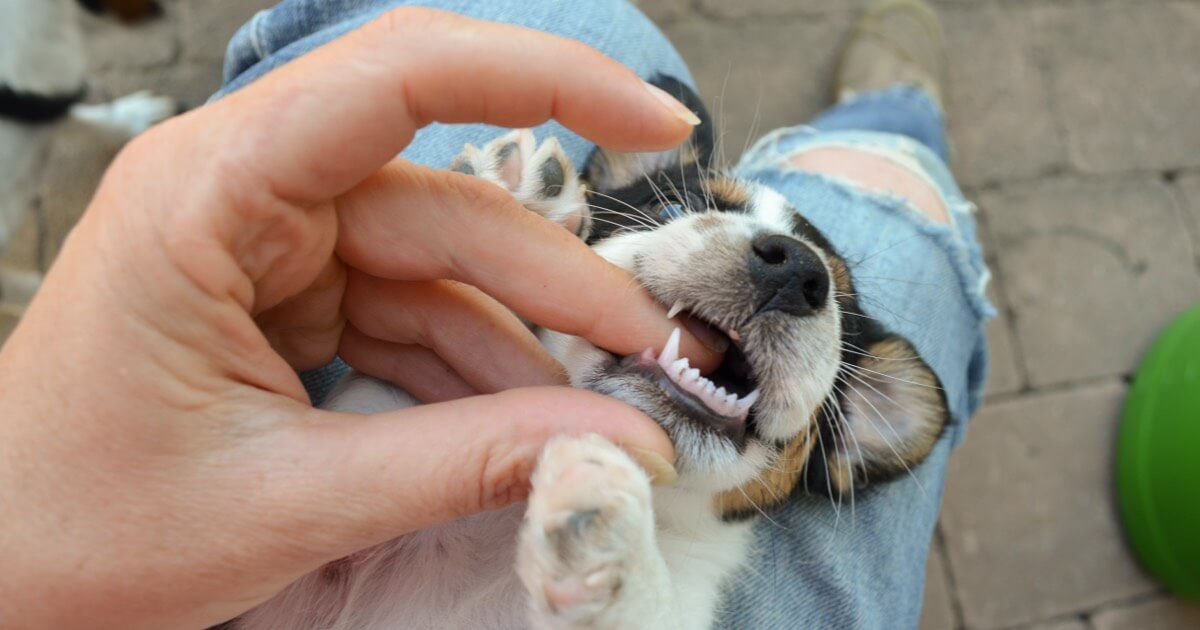
If you have ever felt a puppy’s teeth on your hand, you may wonder why they feel like tiny needles. Understanding why are puppy teeth so sharp can make teething, play biting, and training much easier. This guide explains the science behind puppy teeth, what is normal, how to protect your hands, and when a bite needs veterinary attention.

Why Are Puppy Teeth So Sharp?
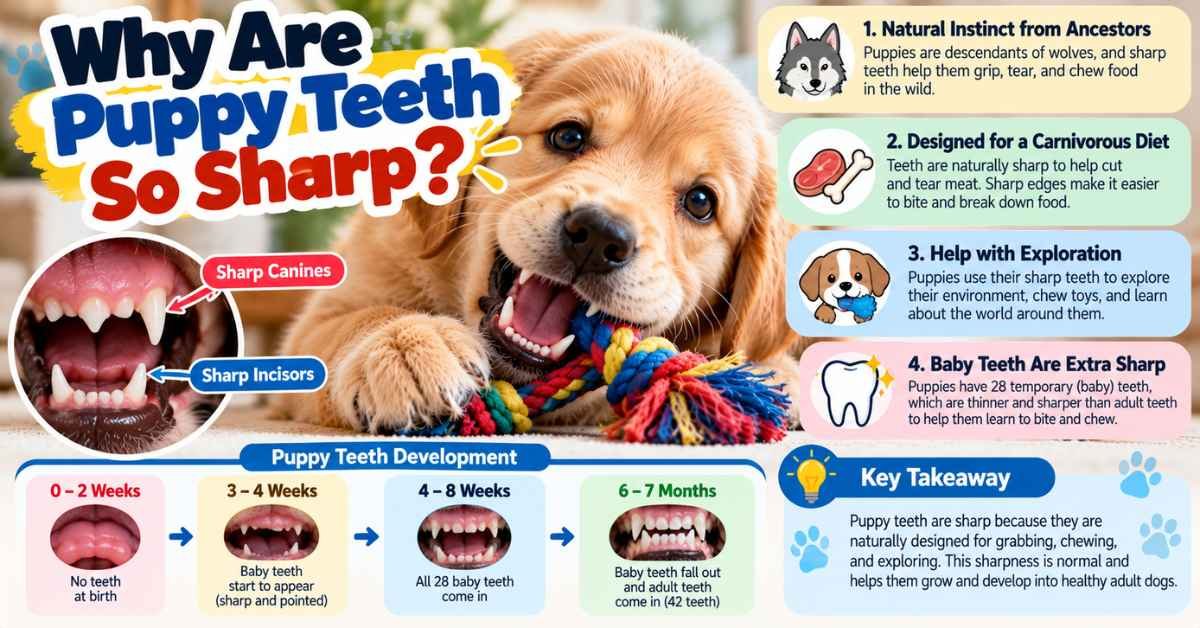
Puppy teeth are sharp because they are designed for a very different stage of life than adult dog teeth. A young puppy needs thin, pointed teeth to grasp and tear soft food. These teeth also help puppies nurse from their mother.
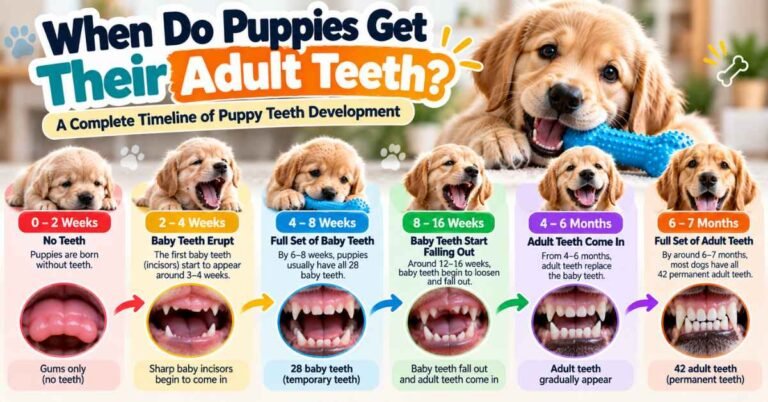
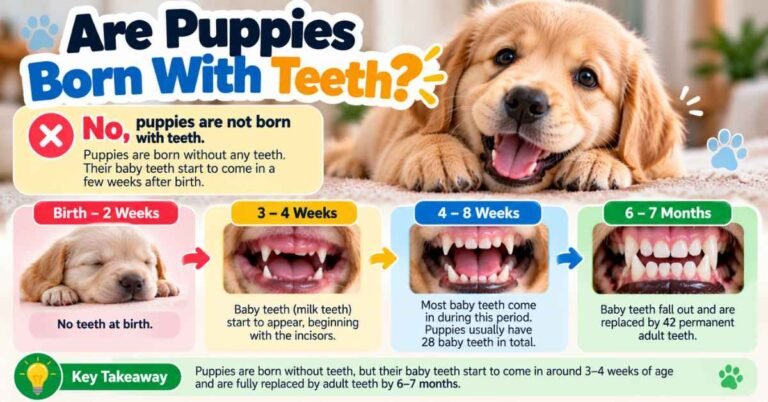
Most puppies have 28 baby teeth, also called deciduous teeth. These teeth begin to appear at about 2 to 3 weeks of age. By roughly 6 to 8 weeks, most puppies have their full set of baby teeth.
The answer to why are puppy teeth so sharp also relates to their size. Puppy teeth are small but pointed, so pressure is focused on a tiny surface. This makes even a gentle nibble feel surprisingly painful.
Puppies also use their mouths to study the world. They may chew toys, sleeves, fingers, furniture, and other objects. Their sharp teeth act like little tools for testing texture, shape, and resistance.
Puppy teeth compared with adult teeth
Adult dog teeth are larger and often broader. They are built for stronger chewing and more forceful biting. Puppy teeth are more delicate, but their fine points can pierce skin more easily.
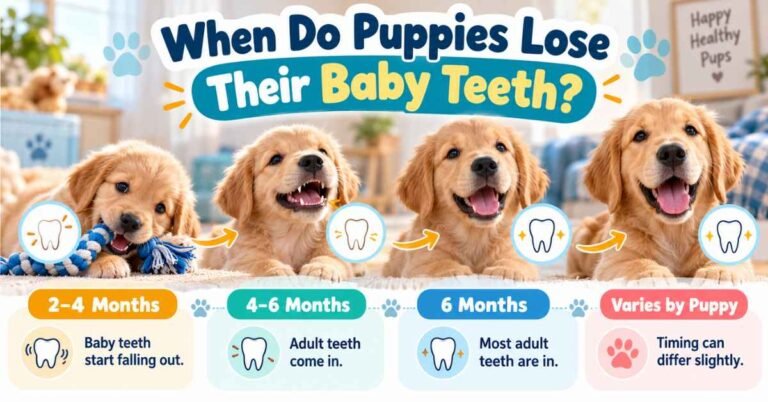
Baby teeth are not meant to last forever. Most fall out as adult teeth push through the gums. This process usually starts around 3 to 4 months of age and often finishes by 6 to 7 months.

What Purpose Do Sharp Puppy Teeth Serve?
Sharp puppy teeth serve several useful purposes. They are not a sign that a puppy is aggressive or “bad.” In most cases, they are a normal part of growth and learning.
Nursing and early feeding
Very young puppies use their teeth as they move from nursing to soft food. Their teeth help them hold and tear small pieces once weaning begins.
A mother dog may move away when nursing puppies become too rough. This natural response teaches puppies that hard pressure can end a feeding session.
Exploring the world
Puppies do not have hands like people do. They use their mouths to inspect many new things. A puppy may bite a toy to learn whether it is soft, firm, noisy, or easy to carry.
This is one reason why are puppy teeth so sharp matters during training. A puppy may bite without intending to hurt you. It may simply be exploring or trying to start a game.
Learning bite inhibition
Bite inhibition means learning how much pressure is safe. Puppies often learn this skill through play with their mother and littermates. If one puppy bites too hard, the other may yelp and stop playing.
People can continue this lesson through calm, consistent training. The goal is not to punish a puppy for using its mouth. The goal is to teach the puppy to use less pressure and choose toys instead of skin.

Puppy Teething: Why Biting Often Gets Worse
Teething can make a puppy chew more often. As adult teeth grow beneath the baby teeth, the gums may feel sore, tight, or itchy. Chewing can provide comfort by applying gentle pressure to the gums.
This stage can make the question why are puppy teeth so sharp feel especially urgent. A teething puppy may bite with more focus, chew for longer periods, or seek out cool objects.
Common signs of normal teething include:
• Increased chewing
• Mild gum redness
• Small spots of blood on a toy
• Drooling
• Finding a loose baby tooth
• Mild fussiness during meals
Most puppies handle teething well. However, severe pain, facial swelling, heavy bleeding, refusal to eat, or a strong mouth odor is not something to ignore.
Safe ways to ease teething discomfort
Offer puppy-safe items that are soft enough to bend slightly but firm enough to provide relief. Chilled rubber toys can soothe the gums, but avoid frozen objects that become rock hard.
Useful options may include:
• Flexible rubber puppy toys
• Chilled food-stuffed toys
• Soft puppy teething rings
• Clean, damp cloths that are supervised and briefly chilled
Always watch your puppy with a new chew. Remove any item that breaks apart, becomes small enough to swallow, or has sharp edges.
How to Stop Puppy Biting Hands and Feet
Puppy biting is common, but it still needs guidance. The earlier you teach good habits, the easier it becomes to manage sharp puppy teeth.
Use the same response each time. If your puppy bites your hand, keep your hand still. A quick pull may turn your fingers into a moving toy and encourage more chasing.
Follow these steps:
-
Calmly say a short word such as “ouch” or “too bad.”
-
Stop moving and remove your hand.
-
Offer a suitable toy.
-
Praise your puppy when it bites the toy.
-
End the game briefly if the puppy keeps biting skin.
Avoid hitting, shouting, holding the mouth shut, or pushing the puppy away harshly. These actions can increase fear and may encourage rougher play.
A useful lesson from puppy training is that timing matters more than volume. Puppies learn best when the reward or interruption happens within a few seconds of the behavior.
Why moving hands can make biting worse
Fast hand movements can trigger a puppy’s chase instinct. Waving fingers, wrestling with bare hands, or allowing ankle attacks may teach the puppy that people are part of the game.
Instead, use tug toys, fetch toys, and food puzzles. This gives the puppy a safe outlet for natural behaviors while protecting your skin.
When to seek professional training
Consider help from a qualified positive-reinforcement trainer if your puppy:
• Bites hard enough to break skin often
• Guards toys or food
• Growls during handling
• Cannot settle after play
• Shows stiff body language or repeated lunging
• Continues intense biting after the teething stage
Sharp teeth alone do not prove aggression. The full body language and situation matter.
How to Protect Your Home From Sharp Puppy Teeth
Puppies chew because of teething, curiosity, boredom, and normal play. A safe home setup can prevent many problems before they begin.
Keep tempting items out of reach, including:
• Electrical cords
• Children’s toys
• Socks and underwear
• Small plastic items
• Houseplants that may be toxic
• Shoes and leather goods
Provide several legal chewing choices instead. Rotate toys every few days so they stay interesting. You do not need to leave every toy on the floor at once.
Exercise also helps, but physical activity is only part of the answer. Short training sessions, sniffing games, food puzzles, and calm rest can reduce unwanted chewing.
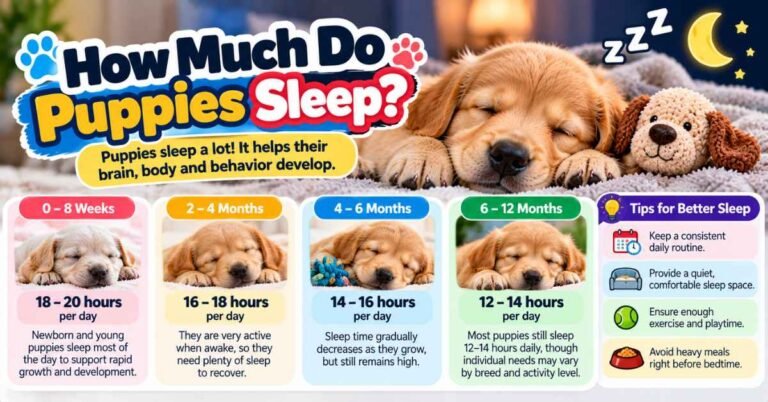
A tired puppy is not always a well-behaved puppy. An overtired puppy may become wild, mouthy, and unable to settle. Scheduled naps can be just as helpful as play.
Puppy Dental Care and Sharp Teeth
Good dental habits should begin while the puppy still has baby teeth. This helps the puppy accept mouth handling before adult teeth arrive.
Start slowly:
-
Touch the puppy’s cheek and lips.
-
Reward calm behavior.
-
Rub the outer teeth with a soft finger brush.
-
Introduce toothpaste made for dogs.
-
Brush for a few seconds at first.
Never use human toothpaste. Some products contain ingredients that can harm dogs if swallowed.
Daily brushing is ideal, but several times each week is still useful. Use a soft brush and focus on the outer surfaces of the teeth, where plaque often builds up.
Retained baby teeth
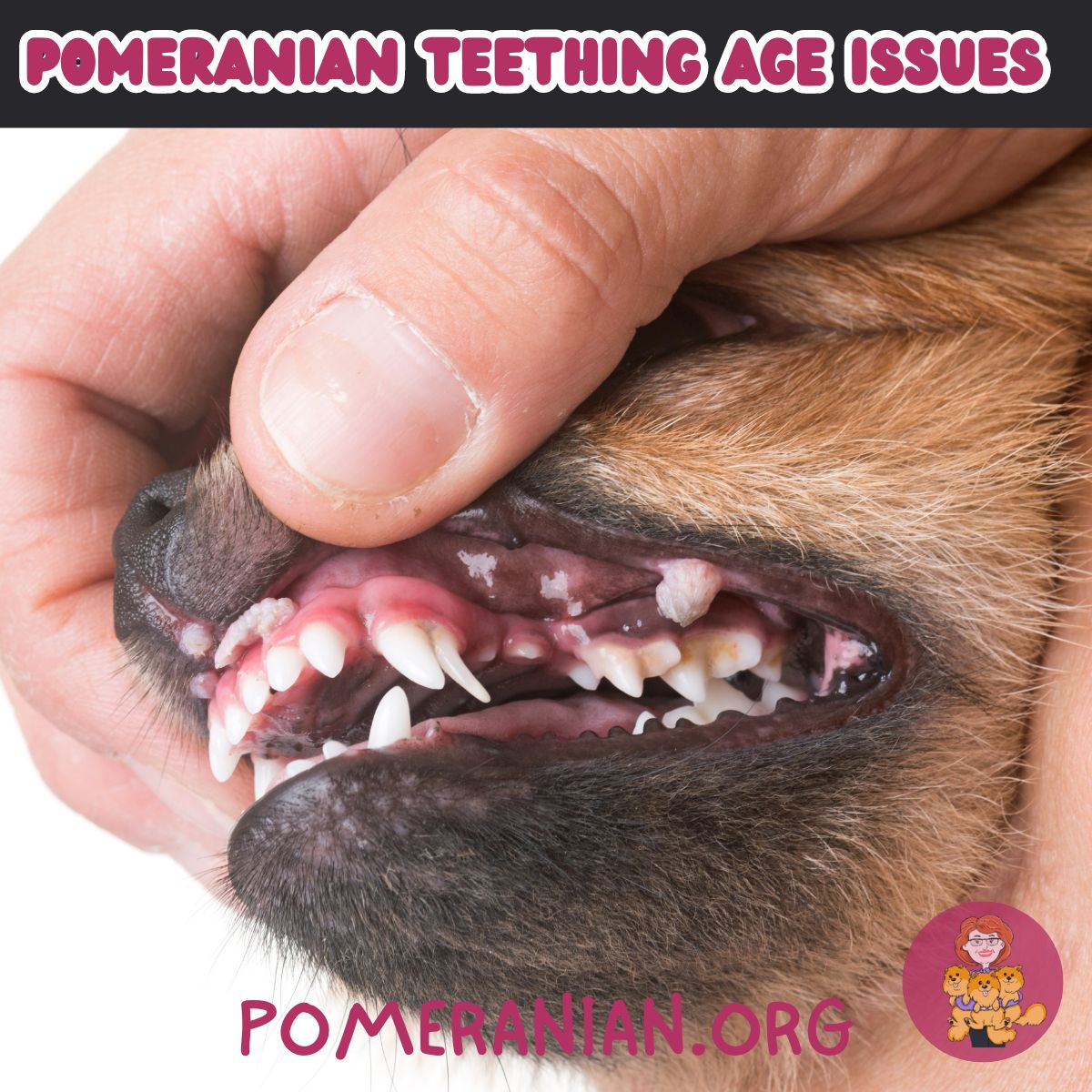
Sometimes a baby tooth remains after the adult tooth begins to grow in. This is called a retained deciduous tooth. It is common near the canine teeth and can crowd the adult tooth.
A veterinarian should check any baby tooth that seems to remain in place. Retained teeth can affect alignment and may trap food near the gums. Do not pull a puppy tooth at home, even if it looks loose.
Routine veterinary checks
Your veterinarian can examine the mouth during puppy visits. These checks help identify broken teeth, gum problems, abnormal growth, or retained baby teeth.
Veterinary dental groups generally recommend early oral care because prevention is easier than treating advanced dental disease. Your puppy may not need professional cleaning yet, but early exams still matter.

What Not to Give a Teething Puppy
Some popular chews can damage puppy teeth or cause choking. A chew that seems durable may be too hard for developing teeth.
Avoid items that are extremely hard, such as:
• Antlers
• Bones that do not bend
• Very hard nylon objects
• Hooves
• Large ice cubes
A simple rule is to test the item with your fingernail. If you cannot leave a small mark, the item may be too hard for your puppy’s teeth. This is only a general guide, so ask your veterinarian about products for your puppy’s size and chewing style.
Raw food and animal bones also carry risks, including broken teeth, choking, digestive blockage, and harmful bacteria. Claims that a product “cleans teeth naturally” do not remove these risks.
Choose products made for puppies and follow the package size guidance. Always supervise chewing time.
When Sharp Puppy Teeth May Signal a Problem
Sharp teeth are usually normal, but certain symptoms need attention. Contact a veterinarian if you notice:
• A tooth that is broken or discolored
• Heavy or ongoing mouth bleeding
• Swelling around the jaw or face
• Pus or a strong foul odor
• Trouble eating or drinking
• Pawing at the mouth
• Crying when chewing
• An adult tooth growing beside a baby tooth
• A puppy that seems unusually tired or painful
A small spot of blood on a toy during tooth loss can be normal. Heavy bleeding is not. When in doubt, take a photo and call your veterinary clinic for advice.
It is also important to consider bite injuries to people. Clean any broken skin with soap and water. Seek medical care for deep wounds, bites to the face or hand, signs of infection, or uncertain rabies vaccination status.
Frequently Asked Questions About Why Are Puppy Teeth So Sharp
Why are puppy teeth so sharp compared with adult dog teeth?
Puppy teeth are thin, narrow, and pointed, so pressure reaches a very small area. This shape helps puppies grasp food and explore objects, but it can make gentle biting feel painful.
At what age do puppies lose their sharp teeth?
Most puppies start losing baby teeth at about 3 to 4 months old. Adult teeth usually replace them by around 6 to 7 months, although timing can vary by breed and individual growth.
Is it normal for a puppy to bite a lot during teething?
Yes, frequent chewing and biting are common during teething. Redirect the puppy to safe toys and reward calm behavior instead of allowing biting on hands, feet, or clothing.
Can sharp puppy teeth cause permanent damage?
Puppy bites can break skin, but they usually do not cause the same damage as adult dog bites. Repeated hard biting still needs training, and any deep wound should receive prompt medical care.
Should I pull out a loose puppy tooth?
No. Let the tooth fall out naturally unless a veterinarian recommends another approach. Pulling it may injure the gums or damage the developing adult tooth.
What is the safest chew for a teething puppy?
A flexible, puppy-rated rubber toy is often a good choice. The toy should be large enough to prevent swallowing and soft enough that it will not crack a tooth.
Conclusion
Why are puppy teeth so sharp? Their pointed shape helps puppies nurse, eat, explore, and learn bite control during early development. Teething can increase chewing, but gentle training, safe toys, dental care, and close supervision can make this stage much easier.
Teach your puppy that toys are for biting and people are for calm play. Start brushing early, avoid very hard chews, and ask your veterinarian about any pain, swelling, retained teeth, or heavy bleeding. With steady guidance, those tiny needles will soon be replaced by a healthy adult smile. Share this guide with another new puppy owner or explore more puppy training and dental care resources.