When Do Puppies Open Their Eyes: Puppy Eye Opening Guide
Most puppies open their eyes between 10 and 14 days after birth, though some take up to three weeks.
Knowing when do puppies open their eyes helps you care for newborn dogs with confidence. Their closed eyelids are normal, not a sign of poor health, and protect delicate eyes while vision develops. In this guide, you’ll learn what to expect, how eye opening happens, which signs need veterinary care, and how to keep young puppies safe during this important stage.
When Do Puppies Open Their Eyes?
Most puppies open their eyes when they are about 10 to 14 days old. Some puppies begin as early as 7 days, while others may not open their eyes fully until 16 to 21 days.
So, when do puppies open their eyes? The best answer is usually during the second week of life. Eye opening is gradual. A small slit may appear first, and the eyes may open a little more each day.
The timing can vary because of:
• Breed and body size
• Individual growth rate
• Overall health and nutrition
• Premature birth
• Litter size
• Infection or swelling around the eyelids
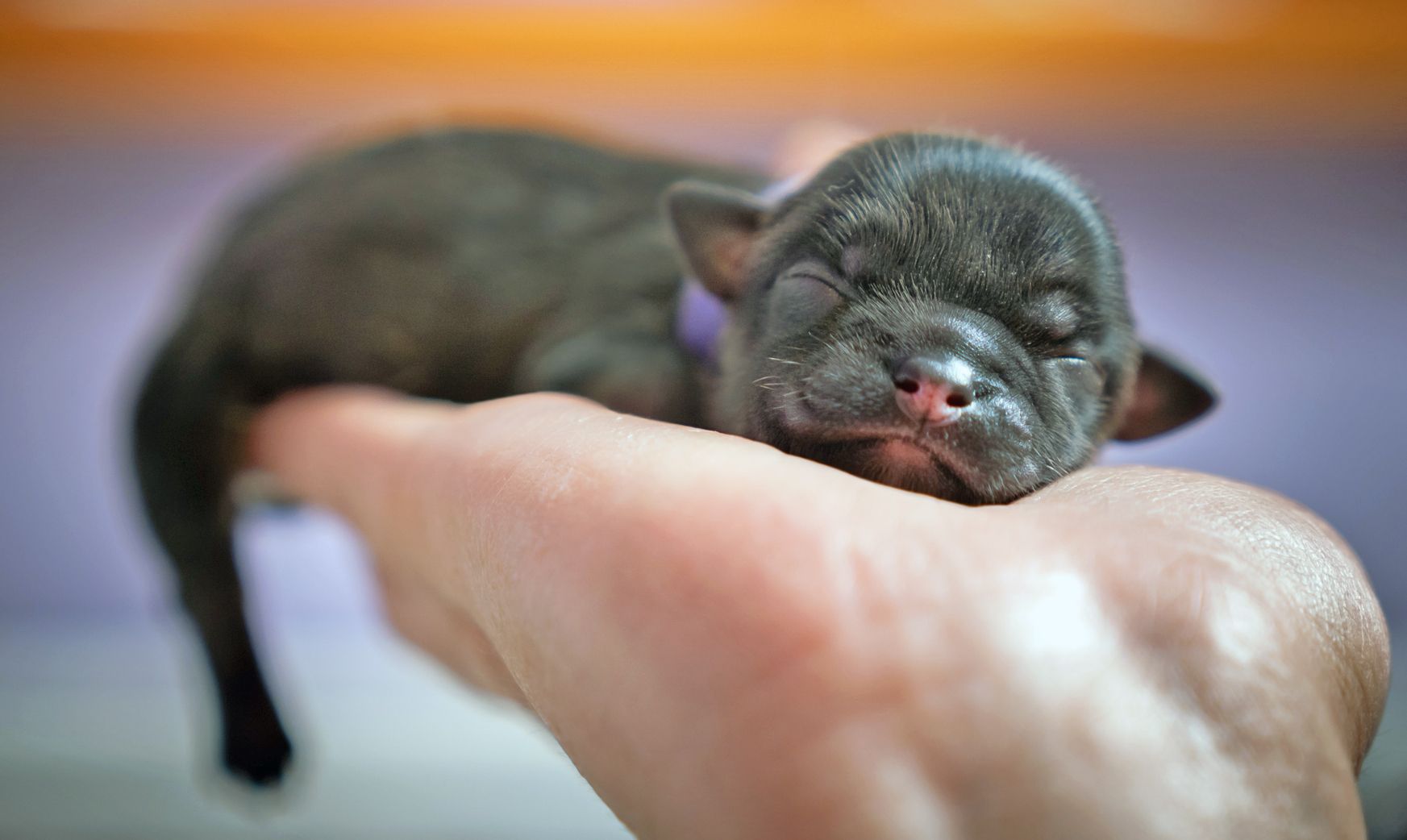
Newborn puppies are not born ready to see the world. Their eyes and ears remain closed because these organs are still developing. Their mother’s warmth, scent, and milk guide them during the first days of life.
What Happens When a Puppy’s Eyes Open?
A puppy’s eyelids usually do not pop open all at once. You may first notice a narrow line between the lids. Over the next few days, the opening becomes wider.
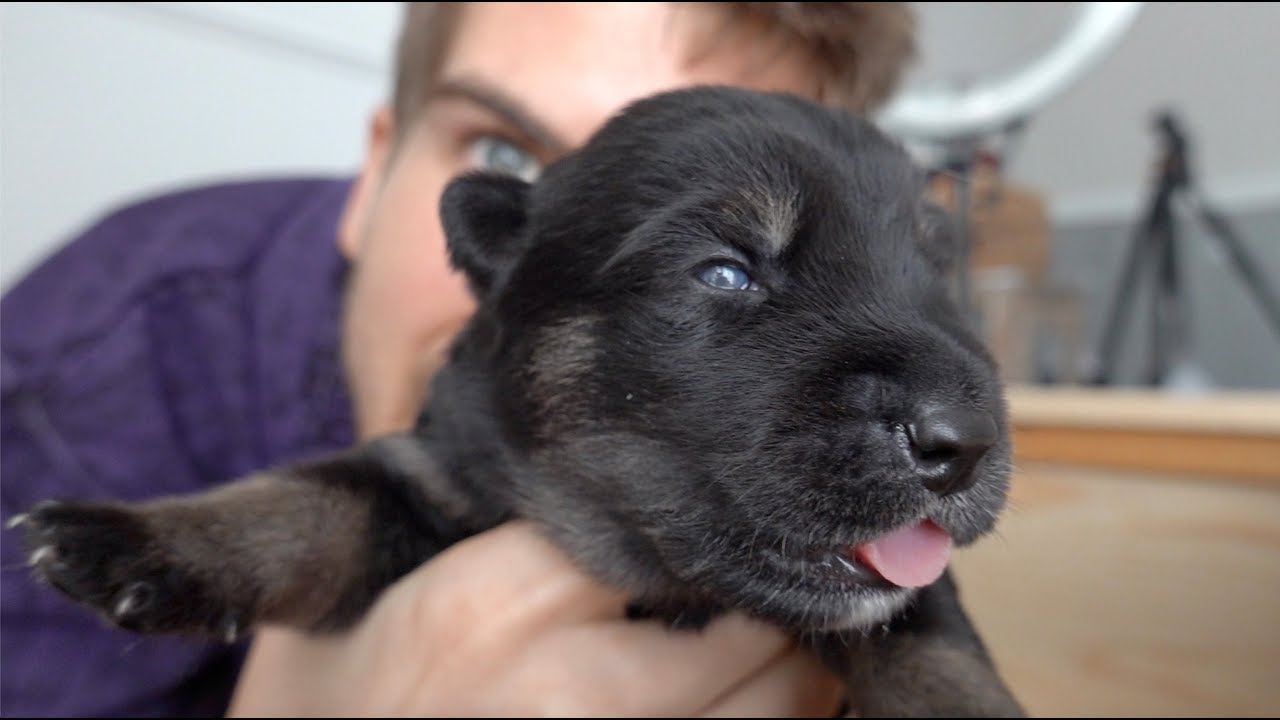
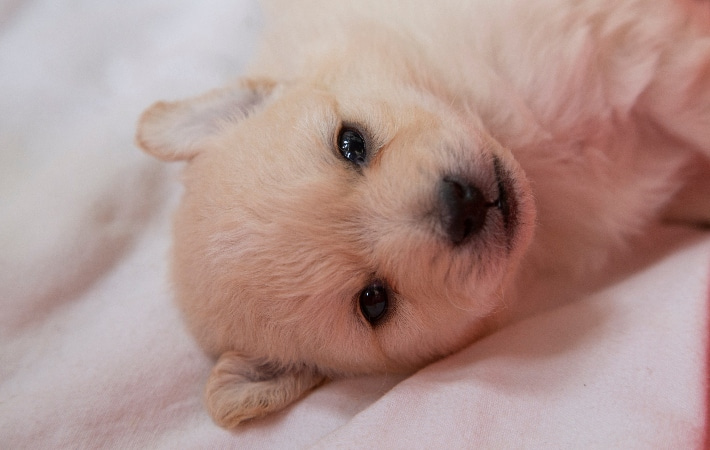
At first, a puppy may not see clearly. Vision is often blurry, and the eyes may look cloudy or blue-gray. This color usually fades as the eyes mature.
Many puppies also blink more often when their eyes first open. They may turn away from bright light or seem unsure when moving. This is normal because their eyes need time to adjust.
During this stage, puppies still depend mostly on touch, smell, and body warmth. Their eyesight improves over the next few weeks, much like a dim window slowly becoming clear.
Why Are Puppy Eyes Closed at Birth?
Closed eyelids protect the developing eye from dirt, scratches, bacteria, and bright light. The tissues behind the eyelids are still forming, so early exposure could cause harm.
The eyelids also help keep the eye surface moist. Nature gives puppies a short period of protection before their vision becomes useful.
How Puppy Vision Develops After Eye Opening
Opening the eyes is only the first step. A puppy’s vision continues to develop after the eyelids separate.
During the first few days, puppies may respond to movement but struggle to identify objects. They may bump into littermates or move slowly. This does not always mean something is wrong.
By about 3 to 4 weeks, many puppies can see better and begin exploring their surroundings. They may follow movement, play with siblings, and react to changes in light.
By 6 to 8 weeks, vision is much more useful, although visual development can continue beyond this period. Puppies also begin using their hearing, balance, smell, and vision together.
A simple timeline looks like this:
• Birth to 7 days: Eyes remain closed, and puppies rely on smell and touch.
• 7 to 14 days: The eyelids may begin to open.
• 2 to 3 weeks: Vision starts to improve, but it remains limited.
• 3 to 4 weeks: Puppies explore, play, and respond more to movement.
• 6 to 8 weeks: Sight is more developed, and puppies interact with their world more confidently.
Do All Puppies Open Their Eyes at the Same Time?
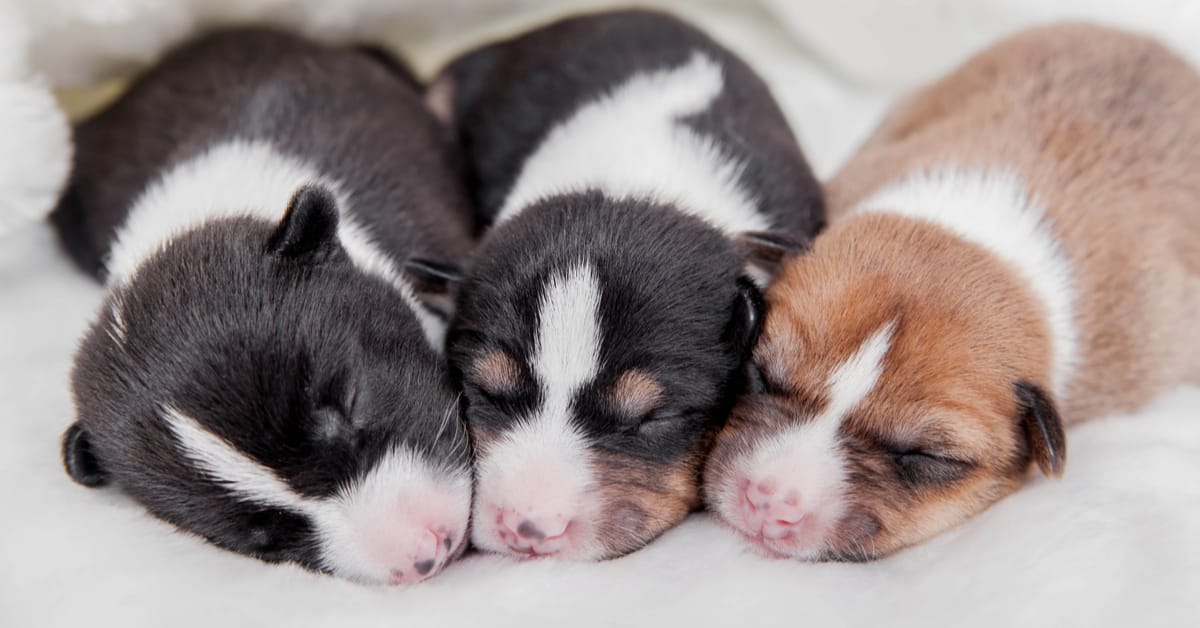
No. Even puppies from the same litter may open their eyes on different days. One puppy may have both eyes open while another still has closed lids.
This difference is often normal. Each puppy develops at its own pace, just as children reach early milestones at slightly different times.
You should look at the puppy’s overall health. A puppy that nurses well, stays warm, gains weight, and acts normally may simply be developing more slowly.
However, slow eye opening combined with swelling, pus, redness, pain, or weakness needs prompt veterinary attention. The timing matters, but the puppy’s full condition matters more.
In my experience reviewing newborn puppy care questions, owners often become worried when one eye opens before the other. That is usually not a problem. The common mistake is trying to “help” by pulling the eyelids apart, which can cause serious injury.
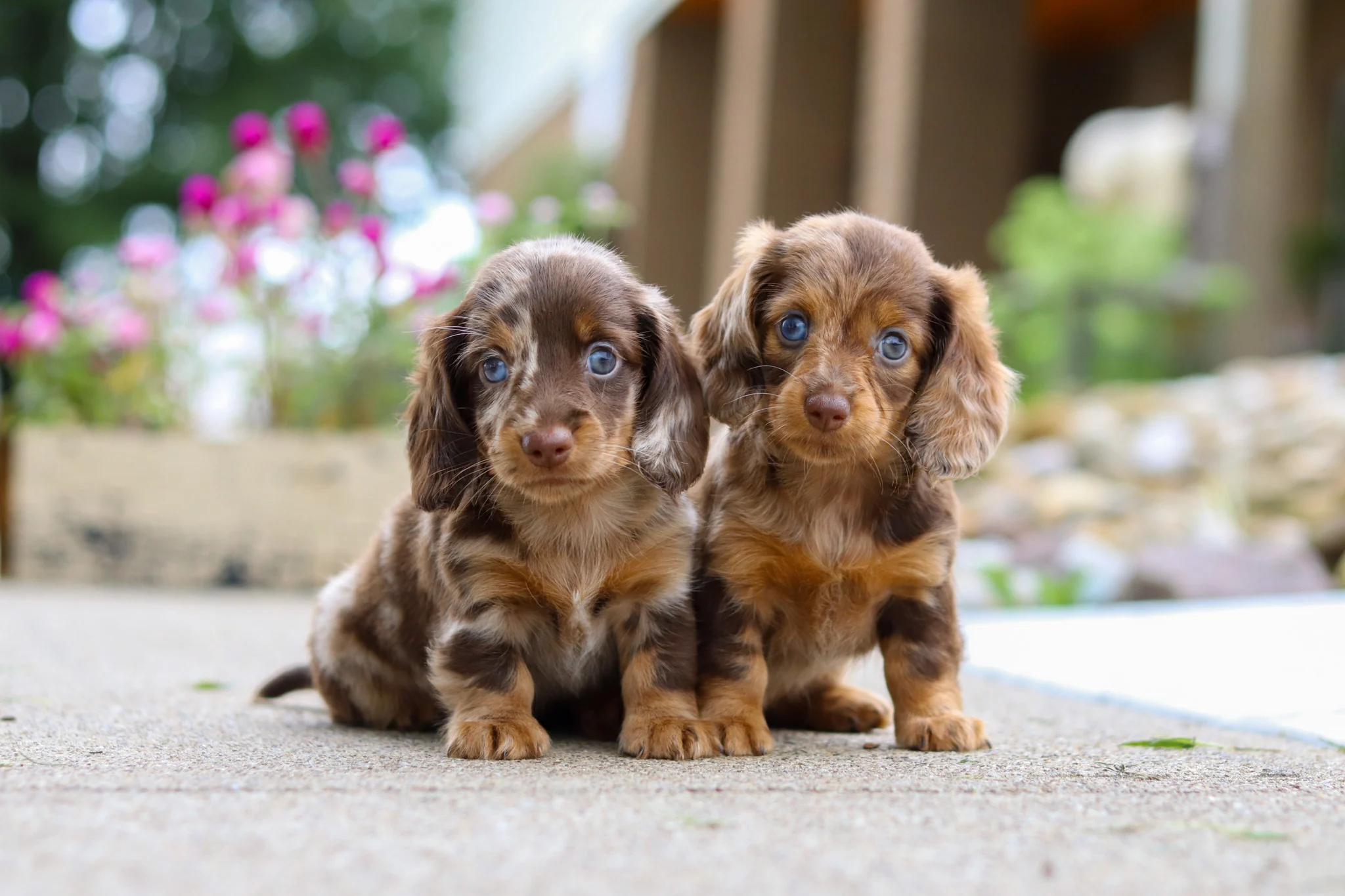
Should You Help a Puppy Open Its Eyes?
No. Never force a puppy’s eyelids open. Do not use your fingers, cotton swabs, warm water, or home remedies to separate them.
The eyelids usually open naturally when the eye is ready. Forcing them apart can introduce bacteria, scratch the cornea, or damage tissues that are still developing.
You can support healthy development by keeping the puppy’s area clean, dry, and calm. Wash your hands before handling the litter, and change soiled bedding often.
Avoid bright lamps and direct sunlight. Soft, indirect light is more comfortable for puppies with newly opened eyes.
Contact a veterinarian if:
• The eyes have not opened by about 2 to 3 weeks.
• The eyelids look swollen or bulge outward.
• You see yellow, green, or thick discharge.
• The area smells bad or feels hot.
• The puppy cries when the face is touched.
• One eye stays sealed while the other is open.
• The puppy seems weak, cold, or unable to nurse.
A veterinarian may gently open the eyelids if infection or trapped discharge is present. This should only happen under professional guidance.
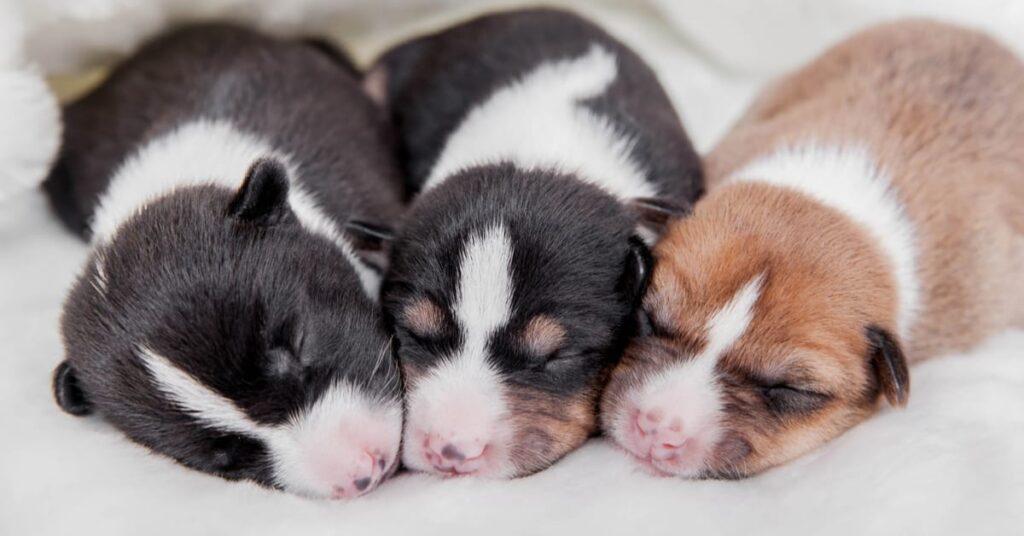
Common Puppy Eye Problems
Newborn puppies can develop eye problems even when eye opening follows a normal schedule. Some problems are mild, but others can worsen quickly.
Eye Infection
An infection may cause swelling, redness, crusting, or discharge beneath the closed lids. A puppy may also rub its face or cry when handled.
Infection under a sealed eyelid can damage the eye if treatment is delayed. A veterinarian may prescribe an appropriate eye medicine after examining the puppy.
Never use human eye drops unless a veterinarian specifically tells you to do so. Some products contain ingredients that are unsafe for young animals.
Delayed Eye Opening
A puppy may open its eyes later than its siblings. This can be normal if the puppy is otherwise active, warm, and feeding well.
If the eyelids remain closed beyond the usual period, a veterinary check is wise. Delayed opening may result from normal variation, premature development, infection, or another health issue.
Swollen Eyelids
Swelling can occur when fluid or infection builds behind the eyelids. It may look like a small lump or cause the lids to bulge.
Do not squeeze the area. Keep the face clean and seek veterinary care quickly.
Cloudy Eyes
A mild blue-gray appearance can be normal when vision first develops. However, a white, dense, or worsening cloudiness is not something to ignore.
Cloudiness may relate to injury, infection, or a problem inside the eye. Only a veterinary examination can identify the cause.
How to Care for Puppies Before and After Their Eyes Open
Good daily care supports healthy growth and helps you notice problems early.
- Keep the nesting area warm
Newborn puppies cannot control body temperature well. Use safe warmth, but make sure they can move away from the heat source. Excess heat can be dangerous.
- Keep bedding clean
Replace wet or dirty bedding at once. Clean surroundings reduce the amount of bacteria near the face and eyes.
- Handle puppies gently
Support the head and body when lifting a puppy. Avoid pressing the face into bedding or holding the puppy near strong lights.
- Watch nursing and weight
Healthy newborn puppies usually nurse often and gain weight steadily. A digital kitchen scale can help you track progress, but ask a veterinarian how to weigh and record the litter.
- Check the eyes each day
Look for normal changes without pulling on the eyelids. Notice swelling, unusual discharge, odor, or redness.
- Keep the mother healthy
The mother’s nutrition, hygiene, and behavior affect the litter. Make sure she has fresh water, suitable food, and a quiet place to rest.
- Arrange early veterinary care
A first veterinary examination can help check weight, hydration, birth defects, and general development. This is especially important for orphaned puppies or very small litters.
One lesson that helps many new caregivers is to observe rather than interfere. Puppies often look fragile, but normal development has its own rhythm. Your job is to provide safe conditions and notice changes.
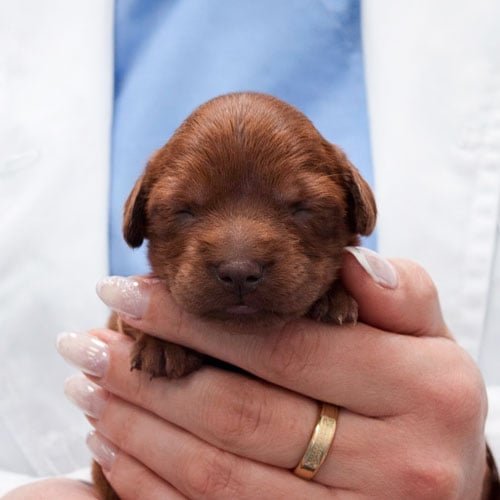
When Should You Call a Veterinarian?
Call a veterinarian if you are unsure when do puppies open their eyes in a specific litter, especially if the puppies were premature or orphaned. A professional can tell the difference between normal slow development and a hidden medical problem.
Seek urgent advice if a puppy has:
• Trouble breathing
• A cold body or constant crying
• Poor nursing
• Sudden weakness
• Eye swelling
• Thick discharge
• A bad smell near the eyelids
• Failure to gain weight
• An eye that appears injured
Do not wait for the eyes to open if other warning signs are present. Eye disease can progress quickly in newborn animals because their defenses are still developing.
Reliable veterinary guidance generally treats the second week as the normal eye-opening period. Still, there is no single perfect day for every puppy. Breed, health, and birth history all affect the timeline.

Mistakes to Avoid With Newborn Puppy Eyes
Many eye problems begin when people try to correct a normal process. Avoid these common mistakes:
• Do not pry the eyelids open.
• Do not apply breast milk, oils, herbal products, or leftover medication.
• Do not use human eye drops without veterinary approval.
• Do not expose newborn puppies to bright heat lamps or direct sun.
• Do not ignore pus, swelling, or a foul odor.
• Do not assume every delay is harmless.
• Do not handle the litter with dirty hands.
• Do not separate a healthy puppy from its mother without a clear reason.
A clean towel and careful observation are safer than most home treatments. If the eye area looks abnormal, professional care is the safest choice.
:max_bytes(150000):strip_icc()/newborn-puppy-1255251556-2000-7119ba29f0e146c9b6e7ed302f5f58cc.jpg)
Frequently Asked Questions About When Do Puppies Open Their Eyes
When do puppies open their eyes after birth?
Most puppies open their eyes between 10 and 14 days after birth. Some open them earlier, while others may take up to three weeks.
Is it normal for one puppy eye to open first?
Yes, one eye may open before the other. This is often normal, but swelling, discharge, or pain should be checked by a veterinarian.
What should I do if my puppy’s eyes are still closed after two weeks?
Do not force the eyelids open. Contact a veterinarian, especially if the lids are swollen, crusty, painful, or producing discharge.
Can puppies see clearly as soon as their eyes open?
No. Vision is usually blurry at first and improves over the next several weeks. Puppies gradually learn to track movement and judge distance.
Why are my puppy’s eyes cloudy when they open?
A soft blue-gray haze can be normal during early eye development. Dense, white, painful, or worsening cloudiness needs veterinary attention.
Can I clean a newborn puppy’s closed eyes?
Do not scrub or open closed eyelids. If discharge collects around the face, ask a veterinarian how to clean it safely and whether treatment is needed.
Do puppies open their eyes at the same age as their ears?
Usually, puppies open their eyes during the second week, while their ear canals often open around the same general period. Both senses continue developing after the openings appear.
Conclusion
Most puppies open their eyes between 10 and 14 days, but normal timing can range from about 7 days to three weeks. The process is gradual, and early vision is blurry. Clean bedding, gentle care, soft light, and daily observation help support healthy development.
Never force a puppy’s eyelids open or use unapproved eye medicine. If you notice swelling, discharge, pain, odor, or delayed development, contact a veterinarian promptly. Save this guide for your litter-care notes, and share your puppy’s eye-opening experience in the comments.