
Why Is My Puppy Shaking: Causes And Solutions
Puppies may shake from cold, fear, excitement, low blood sugar, pain, illness, or exposure to toxins.
Understanding why is my puppy shaking can help you respond calmly and act at the right time. Some trembling is harmless, but sudden or severe shaking may signal a medical emergency. This guide explains the common causes, warning signs, safe first steps, and when your puppy needs a veterinarian.
Why is my puppy shaking?
Puppy shaking has many possible causes. Young dogs have small bodies, developing nervous systems, and limited control over body temperature. As a result, they may tremble more easily than adult dogs.
The meaning often depends on what happens before, during, and after the shaking. A puppy who shakes briefly after a bath may simply feel cold. A puppy who shakes with vomiting, weakness, or confusion needs urgent care.
Common causes include:
• Feeling cold after a bath or outdoor play
• Fear, stress, or anxiety
• Excitement or overstimulation
• Low blood sugar, especially in very small breeds
• Pain or injury
• Nausea or an upset stomach
• Fever or infection
• Ingesting a toxin
• Neurologic problems or seizures
• Normal sleep movements or dreaming
The key is to look at the whole puppy, not just the shaking. Check their energy, breathing, appetite, walking, gums, and behavior.

Common harmless reasons puppies shake
Your puppy is cold
Puppies lose body heat faster than adult dogs. Small breeds, short-haired puppies, underweight puppies, and wet puppies are especially likely to tremble.
A puppy may shake after a bath, swimming, rain, or sleeping near a draft. Their ears and paws may feel cool, and they may curl into a tight ball.
Dry your puppy with a towel and move them to a warm room. Use a soft blanket, but avoid heating pads, hot water bottles, or hair dryers set on high heat. These can burn delicate skin.
Your puppy feels afraid
Fear is one of the most common answers to why is my puppy shaking. New puppies may tremble during car rides, thunderstorms, fireworks, vet visits, or loud household sounds.
Other fear signs may include:
• Tucked tail
• Flattened ears
• Wide eyes
• Hiding
• Lip licking
• Yawning
• Panting
• Trying to escape
Do not punish or force a frightened puppy to “face” the scary thing. Sit nearby, speak in a calm voice, and give your puppy space. Gentle training and gradual exposure can help build confidence over time.
Your puppy is excited
Some puppies shake when they see food, greet a favorite person, or prepare to play. This type of trembling is usually brief and stops when the excitement fades.
Excitement shaking often comes with a wiggly body, bright eyes, a loose tail, and normal movement. If your puppy returns to normal within a few minutes, it is less concerning.
Still, repeated shaking should not always be blamed on excitement. If the episodes grow stronger, last longer, or happen during rest, ask your veterinarian for advice.
Your puppy is dreaming
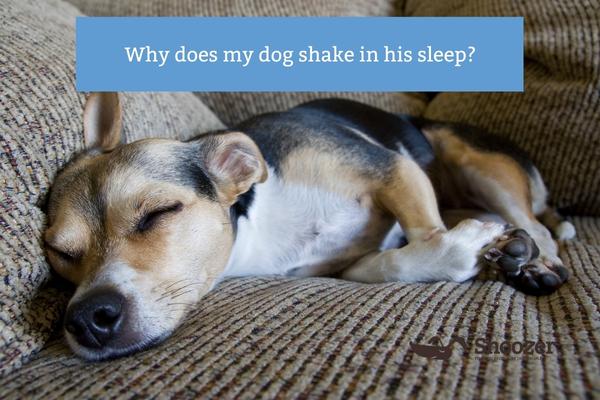
Puppies may twitch, paddle their paws, whimper, or shake lightly while asleep. This can happen during normal dream sleep.
Avoid waking your puppy by touching their face. If you need to check them, call their name softly. A normal dreaming puppy wakes easily and acts normally afterward.
A seizure may look different. It can cause stiff limbs, strong jerking, loss of awareness, drooling, urination, or confusion after the event.

Medical reasons why is my puppy shaking
Low blood sugar
Low blood sugar, also called hypoglycemia, is a serious concern in very young or very small puppies. Toy breeds such as Chihuahuas, Yorkies, Maltese, and Pomeranians may be more vulnerable, especially after missed meals, stress, heavy exercise, vomiting, or diarrhea.
Signs can include:
• Shaking or weakness
• Sleepiness
• Trouble standing
• Glassy eyes
• Loss of balance
• Collapse
• Seizures
Low blood sugar can become life-threatening quickly. Call a veterinarian at once. If your puppy is awake and able to swallow, a veterinarian may tell you to place a small amount of glucose gel or honey on the gums while you travel for care. Never pour liquid into a weak puppy’s mouth, and never delay emergency treatment.
Pain or injury
A puppy may shake because something hurts. Puppies often hide pain, so trembling may be one of the first clues.
Look for:
• Limping
• Crying when touched
• A hunched back
• Reluctance to move
• Swelling
• A tight belly
• Hiding
• Sudden aggression
• Loss of appetite
Check the paws for cuts, thorns, or broken nails, but do not press hard on a painful area. Do not give ibuprofen, acetaminophen, aspirin, or other human pain medicine unless a veterinarian specifically prescribes it. These drugs can poison dogs.
Nausea or stomach trouble
Shaking may occur before vomiting or diarrhea. Your puppy may drool, lick their lips, swallow often, refuse food, or seem restless.
Mild stomach upset can follow a sudden food change or eating something unusual. However, puppies can become dehydrated quickly. Repeated vomiting, bloody stool, a swollen belly, or severe weakness needs urgent veterinary attention.
Fever or infection
A sick puppy may shake as the body responds to infection or fever. Shaking may occur with coughing, nasal discharge, vomiting, diarrhea, poor appetite, or unusual tiredness.
You cannot reliably tell whether a puppy has a fever by touching the nose. A warm or dry nose does not prove illness. A veterinarian can measure body temperature safely and look for the cause.
Vaccination lowers the risk of serious infections, but puppies are not fully protected until they complete their vaccine series. Keep young puppies away from unknown dogs and areas contaminated with feces until your veterinarian gives clear guidance.
Toxin exposure
Tremors can be a sign that a puppy ate or contacted something toxic. Common hazards include chocolate, xylitol, nicotine, cannabis, some human medicines, pesticides, rodent bait, cleaning products, and certain plants.
If you suspect poisoning:
- Remove your puppy from the substance.
- Save the package, label, or remaining material.
- Call your veterinarian or a pet poison service right away.
- Do not make your puppy vomit unless a professional tells you to do so.
- Do not give milk, oil, salt, or home remedies.
Poisoning is time-sensitive. Do not wait for symptoms to become severe.
Neurologic problems or seizures
Some puppies shake because of a problem affecting the brain, nerves, or muscles. A seizure may involve rhythmic jerking, stiffening, staring, collapse, drooling, or loss of bladder control.
During a seizure, move furniture and objects away from your puppy. Keep your hands away from their mouth, and do not restrain them. Time the event and record a video if it is safe.
Contact a veterinarian after any suspected first seizure. Seek emergency care if the seizure lasts more than five minutes, repeats, or leaves your puppy unconscious or unable to walk.

How to tell if puppy shaking is serious
When asking why is my puppy shaking, consider four simple questions:
• Did the shaking start suddenly?
• Is it getting worse?
• Does your puppy have other symptoms?
• Does your puppy return to normal afterward?
Brief shaking with an obvious cause, such as cold or excitement, is often less urgent. Shaking with weakness, pain, breathing trouble, or behavior changes is more concerning.
Call a veterinarian promptly if your puppy has:
• Repeated or unexplained shaking
• Trouble standing or walking
• Vomiting or diarrhea
• Refusal to eat or drink
• Pale, white, blue, gray, or purple gums
• Trouble breathing
• A swollen or painful abdomen
• Severe sleepiness or confusion
• A suspected toxin exposure
• A fall, bite, or other injury
• A seizure or collapse
Go to an emergency clinic immediately if your puppy struggles to breathe, collapses, has blue or pale gums, has continuous tremors, or may have eaten poison.
Do not rely on online advice to diagnose a puppy. The same symptom can come from a minor problem or a life-threatening one.
What to do when your puppy is shaking
Start by staying calm. Your puppy may respond to your stress, and a calm approach makes observation easier.
Use this simple checklist:
- Move your puppy to a safe, quiet place.
- Check whether they are wet or cold.
- Look at their breathing and gum color.
- Watch how they walk and respond to your voice.
- Check for vomiting, diarrhea, injury, or unusual behavior.
- Remove access to food, medicine, plants, chemicals, and small objects.
- Write down when the shaking began and how long it lasted.
- Record a video if the episode happens again.
- Call your veterinarian if the cause is unclear or symptoms continue.
Offer warmth with a blanket if your puppy feels cold. Do not wrap a shaking puppy tightly if they are having trouble breathing.
Do not force food or water into a weak, confused, or vomiting puppy. Do not give human medicine. These common home remedies can make the problem worse or hide important symptoms.
One practical lesson many puppy caregivers learn is that videos are extremely useful. A short recording can help a veterinarian tell the difference between chills, tremors, dreaming, and seizure-like activity.
How a veterinarian finds the cause
A veterinarian will ask about your puppy’s age, breed, vaccine status, diet, recent activities, and possible exposure to toxins. They may also ask whether your puppy was eating, drinking, urinating, and passing normal stool.
The exam may include checking:
• Body temperature
• Heart rate and breathing
• Gum color and hydration
• Blood glucose
• Muscle strength and reflexes
• Abdominal pain
• Signs of injury or infection
Depending on the findings, the veterinarian may recommend blood tests, stool testing, X-rays, ultrasound, or other tests. A video of the shaking and a list of anything your puppy may have eaten can save valuable time.
There is no single test for every cause of shaking. Diagnosis depends on the full pattern of signs. This is why guessing from one symptom can be risky.

Preventing shaking episodes
You cannot prevent every cause of puppy shaking, but good daily care lowers many risks.
• Feed a complete puppy diet on a regular schedule.
• Ask your veterinarian how often your puppy should eat.
• Keep small puppies warm and dry.
• Use gentle socialization to reduce fear.
• Keep medicines, chemicals, plants, and toxic foods locked away.
• Use a crate or carrier safely during travel.
• Follow the vaccine and parasite prevention plan.
• Avoid strenuous exercise in very young or tiny puppies.
• Schedule a veterinary visit for repeated shaking.
Do not change food suddenly. If a diet change is needed, transition over several days unless your veterinarian says otherwise.
Puppy-proofing works much like child-proofing. Get down to your puppy’s level and look for cords, pills, dropped food, coins, batteries, and small toys. Many emergencies begin with an object that seemed harmless on a table or floor.

Common mistakes to avoid
A frightened owner may react quickly, but some actions can cause harm. Avoid these mistakes when asking why is my puppy shaking:
• Do not punish trembling. Fear is not bad behavior.
• Do not force a puppy into cold water or hot air.
• Do not give human pain medicine.
• Do not induce vomiting without veterinary advice.
• Do not put your fingers in a seizing puppy’s mouth.
• Do not wait several hours after a suspected toxin exposure.
• Do not assume every tremor is low blood sugar.
• Do not assume every tremor is “just nerves.”
The safest choice is to observe carefully, remove obvious risks, and contact a veterinary professional when the cause is uncertain.
Frequently Asked Questions
Why is my puppy shaking but acting normal?
A puppy may shake briefly from cold, excitement, stress, or dreaming while still acting normally. If the shaking repeats, lasts longer, or has no clear cause, contact your veterinarian for guidance.
Why is my puppy shaking after a bath?
Your puppy may be cold because wet fur allows body heat to escape quickly. Dry them well, offer a warm room and blanket, and seek veterinary help if shaking continues after they are dry and comfortable.
Can low blood sugar make a puppy shake?
Yes, low blood sugar can cause shaking, weakness, poor balance, sleepiness, collapse, or seizures. It is more common in very young or tiny puppies and requires prompt veterinary advice.
Should I worry if my puppy shakes while sleeping?
Light twitching, paw movements, or small shakes during sleep are often normal dreams. Strong jerking, stiffness, loss of awareness, or confusion after waking may indicate a seizure and needs veterinary attention.
Why is my puppy shaking and not eating?
Shaking with loss of appetite may point to nausea, pain, infection, low blood sugar, or another illness. Because puppies can worsen quickly, call your veterinarian rather than waiting for appetite to return.
Can fear cause a puppy to shake?
Yes, fear can cause trembling along with hiding, panting, tucked ears, lip licking, or a tucked tail. Give your puppy space, reduce the trigger, and use calm training instead of punishment.
When should I take a shaking puppy to the emergency vet?
Seek emergency care for shaking with collapse, breathing trouble, pale or blue gums, severe weakness, repeated vomiting, suspected poisoning, or a seizure. Immediate care is also needed when symptoms worsen quickly or your puppy cannot stand.
Conclusion
Why is my puppy shaking can have a simple answer, such as cold, fear, excitement, or dreaming. It can also signal low blood sugar, pain, infection, poisoning, or a neurologic emergency.
Watch the full picture. Keep your puppy warm and safe, avoid human medicines and home remedies, record unusual episodes, and contact a veterinarian when shaking is severe, repeated, unexplained, or paired with other symptoms. Save this guide, review your puppy’s home safety, and speak with your veterinary team about any concern.