How Long Does It Take To House Train A Puppy: Puppy Guide
Most puppies are house trained in four to six months, though some learn sooner and others need up to a year.
Knowing how long it takes to house train a puppy helps you set fair goals and avoid frustration. Age, breed, health, routine, past experiences, and your training method all matter. With steady supervision, quick rewards, and a predictable schedule, house training becomes less like a battle and more like teaching a simple daily habit.
How Long Does It Take to House Train a Puppy?
Most puppies need about four to six months to become reliable in the home. However, “reliable” does not mean the puppy will never have an accident. Young dogs may still forget when excited, scared, sick, or left alone too long.
Some puppies learn basic potty skills in a few weeks. Others take six to twelve months to stay accident-free. Small breeds may need more time because they have smaller bladders. Rescue puppies may also need extra patience if their early routine was unclear.
A realistic house training timeline often looks like this:
• 8 to 10 weeks: Your puppy begins learning where to go, but needs very close supervision.
• 10 to 16 weeks: Many puppies show progress and have fewer accidents with a steady routine.
• 4 to 6 months: Many puppies become mostly reliable during the day.
• 6 to 12 months: Some dogs reach full consistency, especially at night or when home alone.
The key point is that how long it takes to house train a puppy depends less on one magic age and more on daily consistency. A puppy cannot learn a rule that changes from one day to the next.

Source: thehamptonsplaza.com
Factors That Affect Puppy House Training Time
Several factors can make house training faster or slower. Understanding them helps you create a plan that fits your puppy instead of comparing your dog with a neighbor’s dog.
Age and bladder control
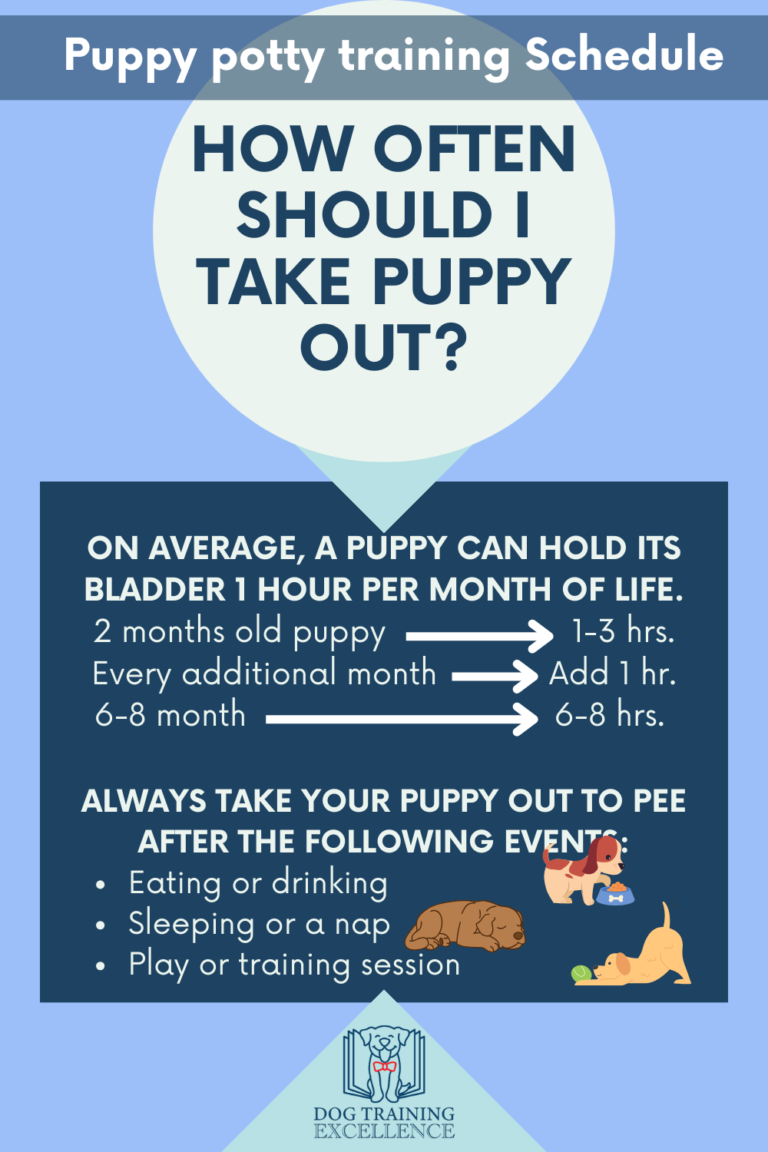
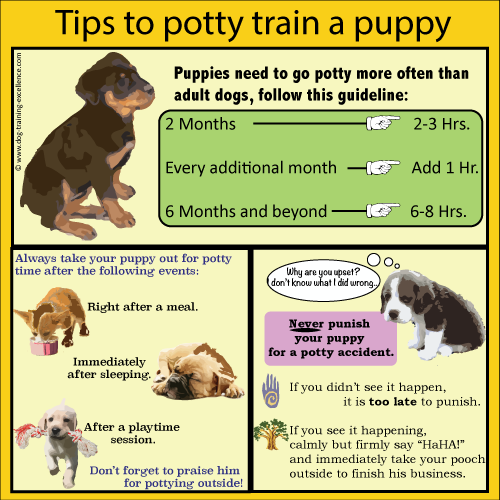
Young puppies have limited bladder control. An eight-week-old puppy may need to go every 30 to 60 minutes while awake. As the puppy grows, the time between potty breaks usually increases.
A common guideline is the “age in months plus one” rule. For example, a three-month-old puppy may hold urine for about four hours in ideal conditions. This is only a rough estimate, not a promise. Activity, water intake, sleep, stress, and health can change the timing.
Breed and body size
Small dogs often need more frequent potty trips. Their smaller bodies may not hold urine as long as larger dogs. This does not mean small breeds cannot become fully house trained. They may simply need more chances to succeed.
Some breeds are also more independent or easily distracted. A clever puppy may understand the rule but choose to keep playing. Calm repetition works better than anger.
Your daily schedule
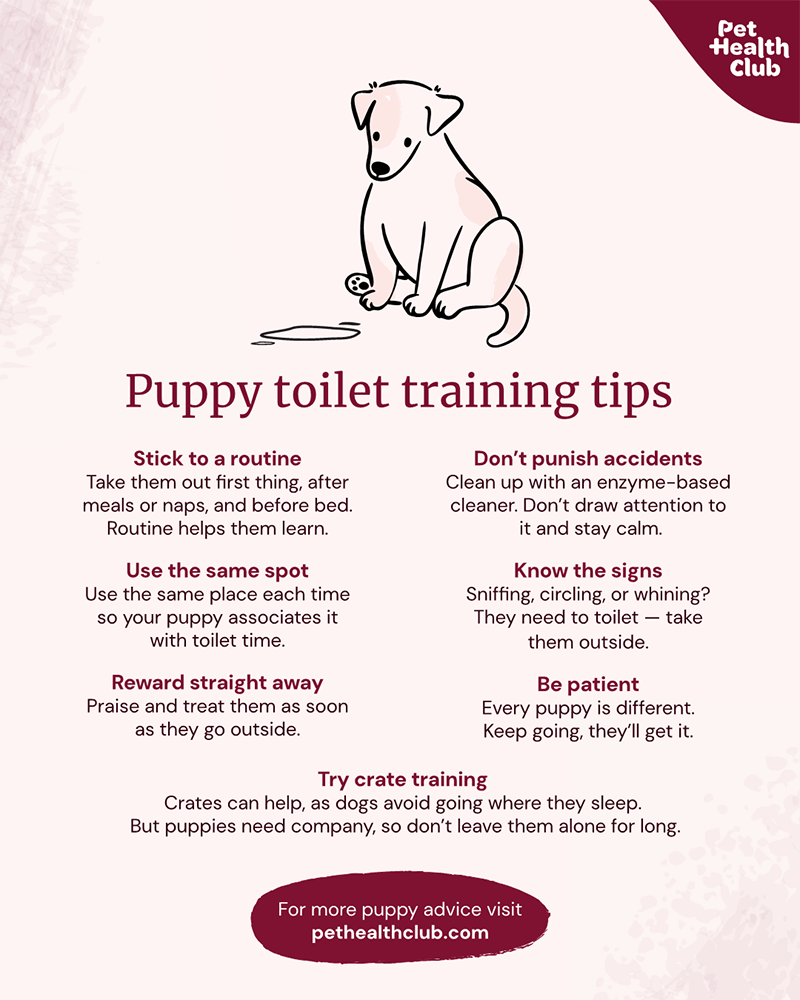
Puppies learn through repetition. If potty breaks happen at random times, the puppy has fewer chances to form a clear habit.
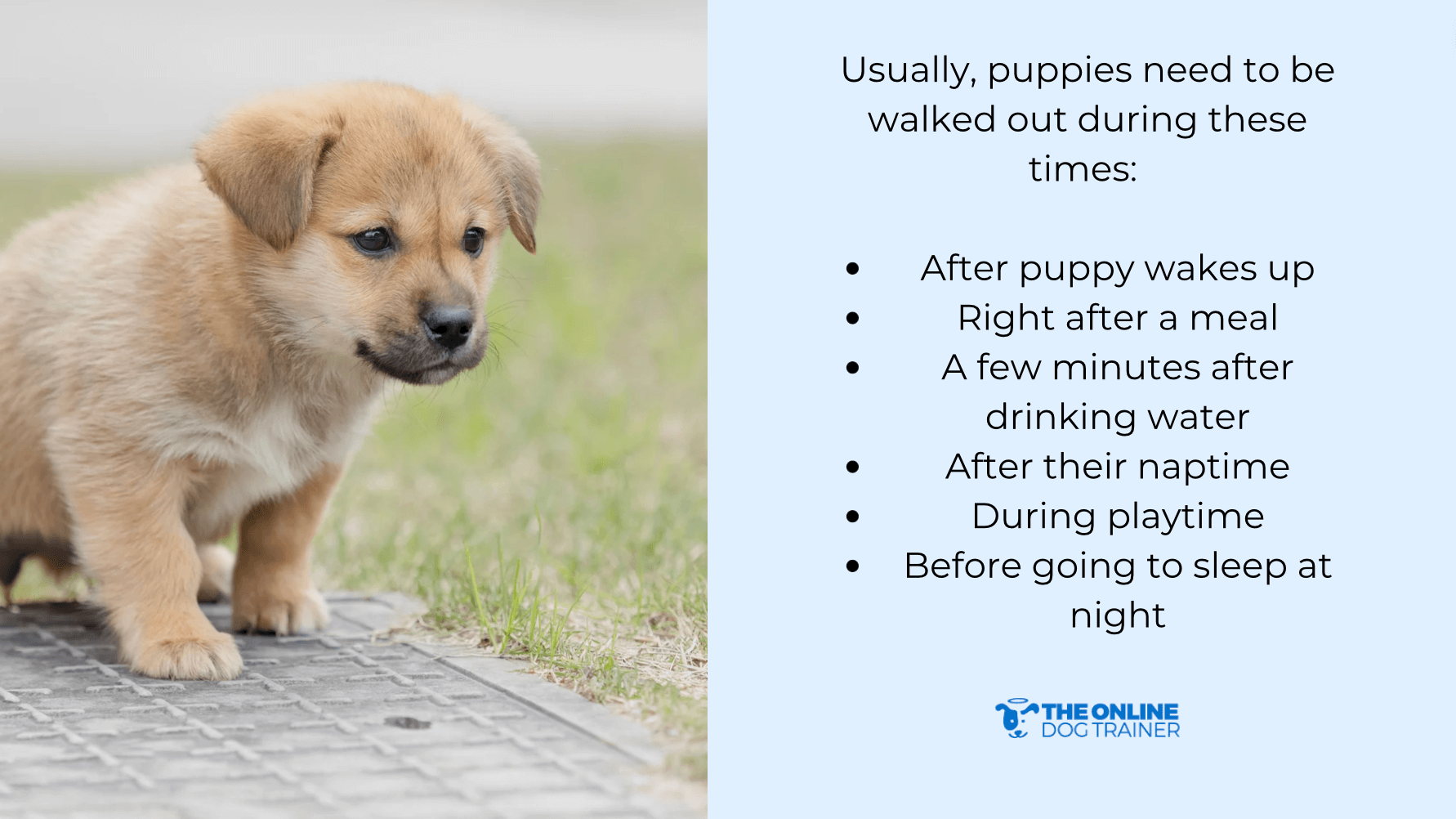
A regular schedule should include trips:
• Immediately after waking
• After eating or drinking
• After play
• After training
• After a nap
• Before bedtime
• Every 30 to 60 minutes during active periods for very young puppies
### Previous experience
A puppy from a clean, well-managed litter may already prefer not to soil its sleeping area. Another puppy may have lived in a space where it had no choice but to eliminate indoors.
This is not a sign of a “bad” dog. It simply means the puppy may need more careful supervision and more rewards for the correct behavior.
Health and stress
Parasites, urinary infections, diarrhea, constipation, diabetes, and other health problems can cause accidents. Stress can also lead to sudden setbacks.
If a puppy that was doing well suddenly begins having frequent accidents, contact a veterinarian. Training should not be used to explain every change in bathroom habits.
Source: pethealthclub.com
A Practical Puppy House Training Schedule
A clear schedule is one of the best answers to how long does it take to house train a puppy. It gives your puppy a steady pattern and helps you predict when accidents are most likely.
For a young puppy, use this basic plan:
- Take the puppy outside as soon as it wakes up.
- Walk to the same potty area.
- Stand quietly and give the puppy time to sniff.
- Use a simple cue, such as “Go potty.”
- Reward the puppy right after it finishes.
- Offer a short play session after the reward.
- Take the puppy out again after eating, drinking, playing, and sleeping.
The reward should happen outdoors within a few seconds of finishing. If you wait until you return indoors, the puppy may not understand what earned the treat.
Keep a simple log for the first week. Write down meals, water, naps, potty trips, and accidents. Patterns often appear quickly. You may learn that your puppy usually needs to go eight minutes after eating or right after a wild play session.
What to do when you cannot supervise
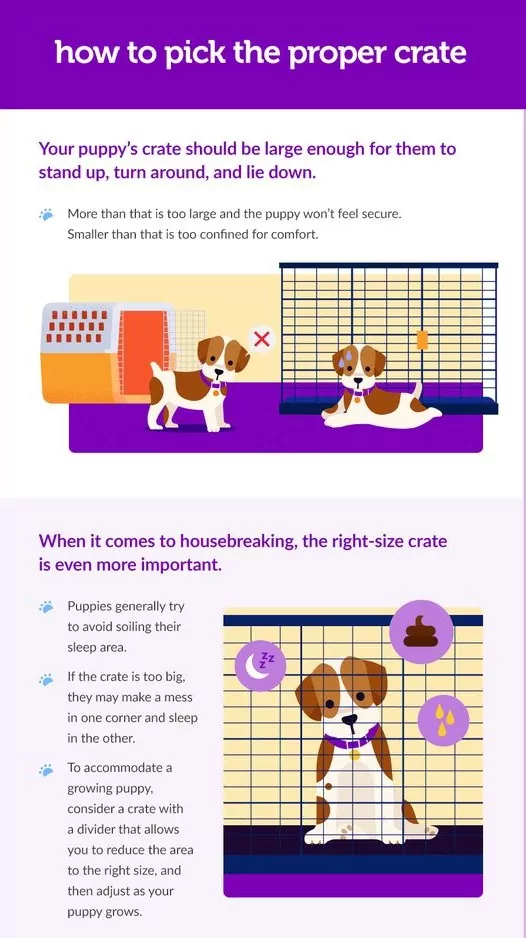
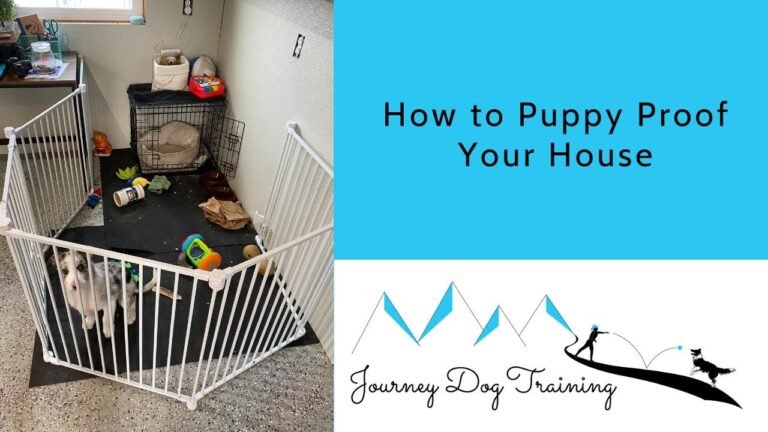
Puppies should not have full access to the home when no one is watching. Use a safe crate, puppy pen, or small gated area.
The space should be large enough for the puppy to stand, turn, lie down, and stretch. It should not be so large that the puppy can sleep in one corner and use another corner as a bathroom.
Avoid using a crate for long periods. Puppies need movement, social contact, play, and regular bathroom breaks. A crate is a management tool, not a place for punishment.
Source: chewy.com
How to Teach a Puppy Where to Potty
House training works best when you make the correct choice easy and rewarding.
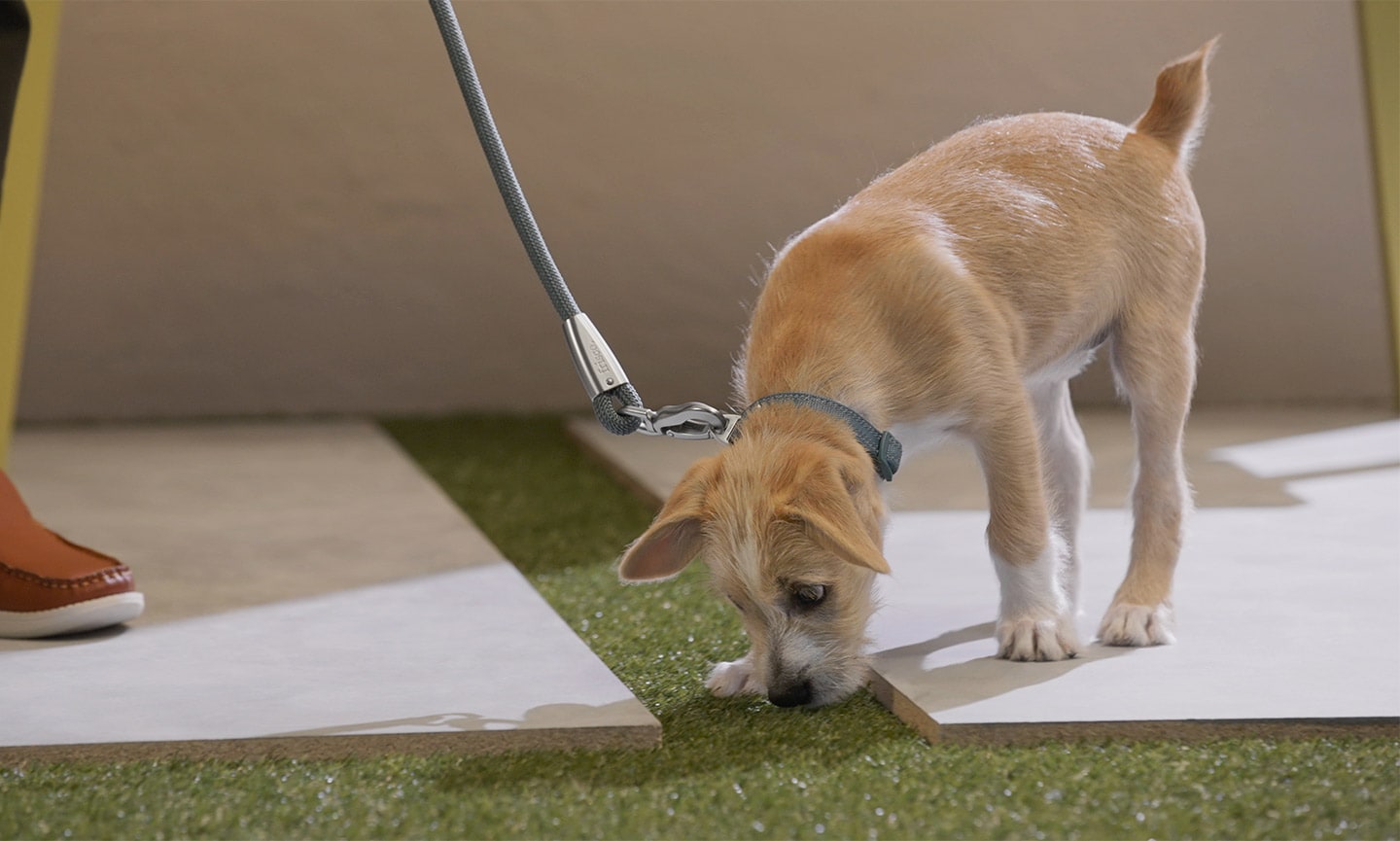
Choose one outdoor bathroom area. Take your puppy there on a leash, even if you have a fenced yard. The leash keeps the trip focused and helps you notice the moment your puppy begins to go.
Use a calm cue. Say “Go potty” once, then wait. Repeating the cue many times can turn it into background noise.
When your puppy finishes:
• Praise with a happy voice
• Give a small treat
• Allow a few minutes of play or sniffing
• Return indoors calmly
This order matters. If play starts before the puppy goes, some puppies will become distracted and forget the task. If play comes after pottying, the puppy learns that going outside leads to good things.
Recognize the warning signs
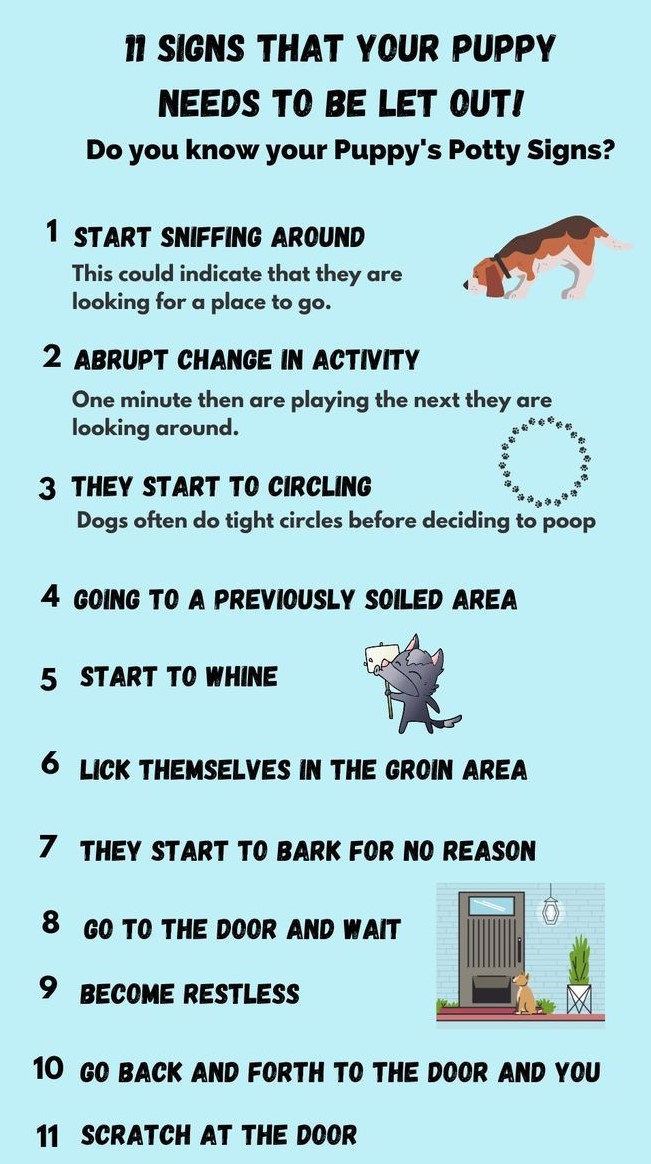
Many puppies show clear signs before an accident. Watch for:
• Sniffing the floor
• Walking in circles
• Wandering away from people
• Restlessness
• Whining near a door
• Squatting
• Suddenly stopping play
When you see these signs, take the puppy outside at once. Do not wait for the puppy to ask perfectly. Your job is to teach that communication skill over time.
If your puppy does not go outside
Wait about five minutes in the potty area. If nothing happens, return indoors but keep the puppy beside you or in a safe pen.
Try again after 10 to 15 minutes. This prevents the common mistake of letting a puppy come inside and immediately urinate behind the couch.
Source: aldoradoor.com
How to Handle Accidents Without Slowing Progress
Accidents are part of the learning process. Punishment usually creates fear, not understanding. A puppy may learn to hide when it needs to go, but it will not learn why the behavior is wrong.
If you catch your puppy in the act, use a gentle interruption such as “Outside.” Quickly carry or guide the puppy to the correct area. Praise the puppy if it finishes there.
If you find an accident later, say nothing to the puppy. Clean it thoroughly with an enzymatic cleaner made for pet stains. Standard soap may remove the visible mark but leave an odor that tells the puppy, “This is a bathroom.”
Avoid these common mistakes:
• Rubbing a puppy’s nose in the mess
• Yelling after discovering an old accident
• Giving the puppy too much freedom too soon
• Skipping potty trips during busy days
• Rewarding too late
• Changing the potty location without a clear reason
A useful lesson from puppy training is that management prevents more problems than correction solves. If accidents keep happening, reduce freedom, increase potty breaks, and review the schedule.

Source: com.br
How Long Does It Take to House Train a Puppy at Night?
Nighttime house training often takes longer than daytime training. A young puppy may need one or more overnight potty trips because sleep does not instantly create full bladder control.
Take your puppy outside just before bed. Keep the trip quiet and boring. Use low lights, avoid games, and return to bed after the puppy finishes.
Many puppies sleep for longer stretches by three or four months, but this varies. Some sleep through the night earlier, while others need nighttime breaks until five or six months.
If your puppy cries at night, consider the cause. The puppy may need to eliminate, feel lonely, feel uncomfortable, or have too much energy. Take the puppy out if a bathroom need is likely, but do not turn the trip into a midnight party.
As the puppy stays dry overnight, slowly extend the time between trips. Do not force long holds simply to meet a schedule.
Source: chomcapital.com
How to Speed Up House Training Safely
You cannot rush a puppy’s physical development, but you can remove confusion. The following steps can make how long it takes to house train a puppy more predictable.
Use a consistent routine
Feed meals at regular times instead of leaving food down all day. Predictable meals create more predictable bathroom habits.
Keep water available during the day. Do not restrict water as a house training shortcut. Healthy puppies need proper hydration, and water restriction can create health risks.
Limit indoor freedom
Give more freedom in stages. Start with one or two puppy-proofed rooms. When your puppy stays accident-free for several days, allow access to another area.
If accidents return, reduce the space again. This is not failure. It means the next step came too soon.
Reward every success
Use tiny, soft treats. Praise can help, but food rewards often make the lesson clearer at first. After many successful trips, reduce treats slowly while keeping verbal praise.
Watch the whole puppy
House training is not only about taking the dog outside. It is also about preventing mistakes. Use baby gates, a leash, a pen, or a crate when you cannot watch closely.
Keep a calm attitude
Progress often comes in waves. A puppy may have a dry week and then have two accidents during a storm, growth spurt, or change in routine. Stay calm and return to the basics.
Source: theonlinedogtrainer.com
When House Training Problems Need Veterinary Help
Training problems sometimes have a medical cause. Speak with your veterinarian if you notice:
• Straining or crying while urinating
• Blood in the urine
• Very frequent urination
• Excessive thirst
• Diarrhea or vomiting
• Sudden accidents after reliable training
• Urine leaking during sleep
• Strong changes in appetite or energy
A veterinarian may check for a urinary infection, intestinal parasites, digestive disease, diabetes, or other conditions. Early care can prevent a small issue from becoming a larger one.
Behavior support may also help. Fear, separation distress, and marking behavior need different solutions from normal puppy accidents. A qualified force-free trainer or veterinary behavior professional can help when basic training is not enough.

Source: kcdawgz.com
What Progress Should You Expect?
Progress is easier to measure when you track more than accident-free days. Look for signs such as:
• Your puppy urinates soon after reaching the potty area
• Your puppy begins waiting near the door
• Accidents become smaller or less frequent
• Your puppy stays dry during short periods alone
• Your puppy can focus on toileting before play
• Your puppy recovers quickly after a change in routine
The answer to how long does it take to house train a puppy should never be judged by a single accident. Think of training like building a path through grass. Each successful trip makes the path clearer, but one wrong turn does not erase all progress.
A puppy that has accidents at five months may still be developing normally. The important question is whether the overall trend is improving.
Frequently Asked Questions About How Long Does It Take to House Train a Puppy
How long does it take to house train a puppy fully?
Many puppies become dependable during the day within four to six months. Some need six to twelve months, especially if they are small, easily distracted, medically affected, or learning after an inconsistent start.
How often should I take my puppy outside to potty?
Very young puppies may need a trip every 30 to 60 minutes while awake. Always take them out after waking, eating, drinking, playing, training, and napping.
Can a puppy be house trained in one week?
A puppy may show strong progress in one week, but full reliability usually takes much longer. A one-week plan can build the routine, but bladder control and habit formation require time.
Should I punish my puppy for having an accident?
No. Punishment can create fear and may teach a puppy to hide when eliminating. Calmly interrupt accidents, guide the puppy outside, reward correct behavior, and clean indoor areas with an enzymatic cleaner.
When can a puppy sleep through the night without a potty break?
Some puppies sleep through the night at three or four months, while others need more time. Their age, size, health, bedtime routine, and daytime schedule all affect overnight control.
Why is my puppy having accidents after making progress?
Setbacks can follow changes in routine, stress, illness, too much freedom, or longer time alone. Return to frequent potty breaks and supervision, and contact a veterinarian if the change is sudden or severe.
Are puppy pads helpful for house training?
Puppy pads can help when outdoor access is difficult, such as in high-rise homes or during illness. However, they may slow outdoor training if you eventually want your puppy to eliminate only outside, so use them with a clear plan.
Conclusion
How long does it take to house train a puppy? For many puppies, expect four to six months, while some need up to a year for complete reliability. A steady schedule, close supervision, immediate rewards, safe confinement, and calm responses to accidents create the best results.
Focus on progress rather than perfection. Take your puppy out often, reward the right choice, clean accidents well, and ask a veterinarian about sudden changes. Start today with a simple potty log and a consistent routine, then explore trusted puppy training resources or share your experience with other dog owners.