Why Does My Puppy Have A Runny Nose: Causes And Care
A puppy may have a runny nose from normal moisture, allergies, irritation, infection, or a foreign object.
Figuring out why your puppy has a runny nose starts with the discharge, your puppy’s other symptoms, and how long the problem has lasted. A clear drip may be harmless, but thick mucus, coughing, low energy, or trouble breathing can signal illness that needs prompt veterinary care.
Why does my puppy have a runny nose?
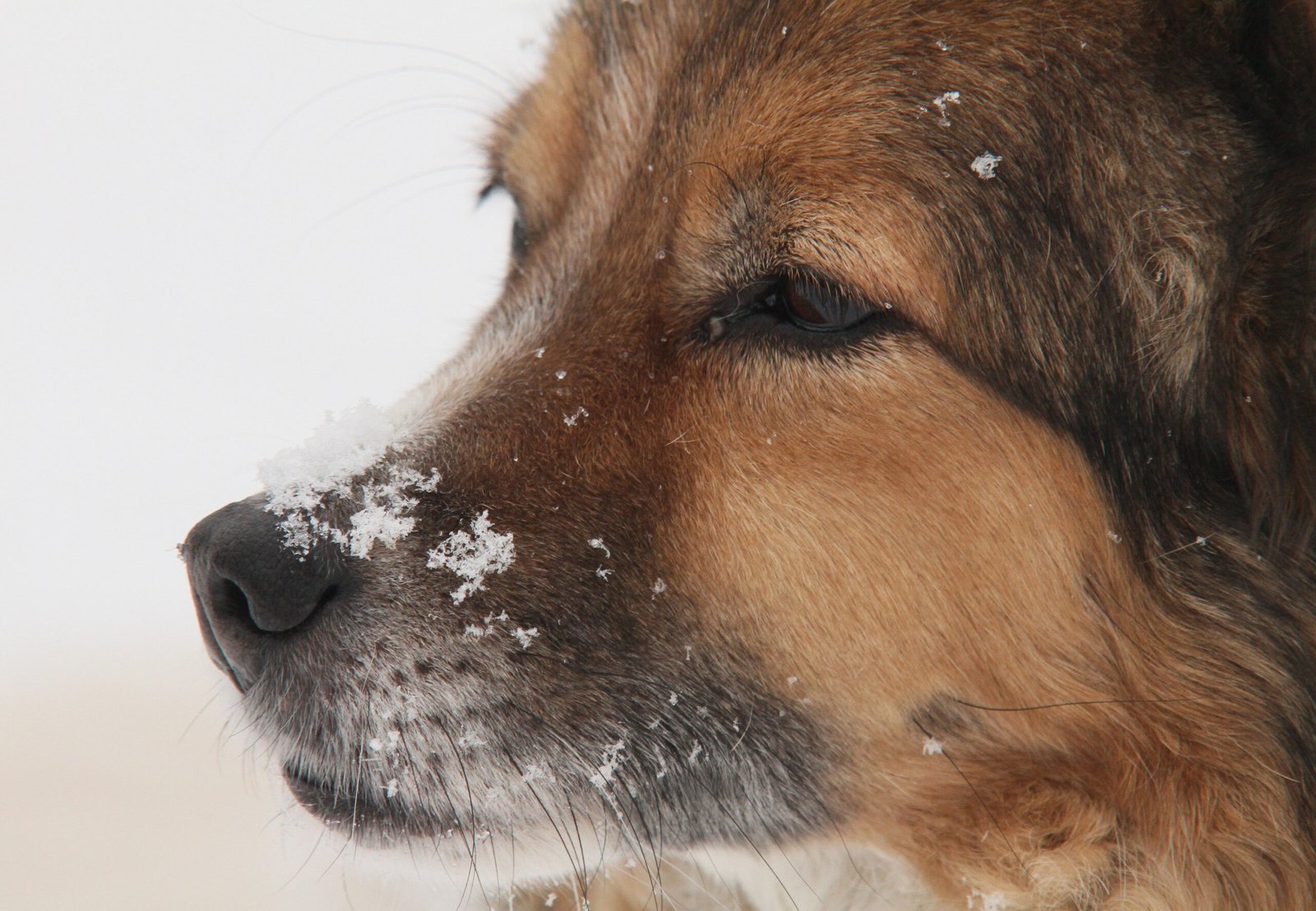
A puppy’s nose naturally makes a small amount of moisture. This helps trap dust and supports the sense of smell. A few clear drops after play, sleep, or sniffing may be normal.
However, a constant runny nose is different. It may point to irritation, allergies, a respiratory infection, or something stuck inside the nostril. The color and texture of the discharge offer useful clues, but they cannot confirm the cause by themselves.
Ask yourself these simple questions:
• Is the discharge clear, cloudy, yellow, green, bloody, or thick?
• Is it coming from one nostril or both?
• Does your puppy have a cough, sneeze, fever, eye discharge, or poor appetite?
• Is your puppy still playful and eating normally?
• Did the problem begin after boarding, daycare, outdoor play, or contact with other dogs?
These details help a veterinarian judge whether your puppy needs watchful care or an examination.

Common causes of a puppy runny nose
There are several possible answers to “why does my puppy have a runny nose?” Some are mild and pass quickly. Others need treatment.
Normal moisture and excitement
Healthy puppies can have a cool, damp nose. A small amount of clear fluid may appear after exercise, sniffing, barking, or waking up.
Excitement can also increase nasal moisture. If your puppy has clear discharge but eats, plays, sleeps, and breathes normally, you can often monitor the nose closely.
The discharge should not be heavy or constant. It should also not come with tiredness, coughing, vomiting, diarrhea, or breathing trouble.
Dust, smoke, and household irritants
A puppy’s nose is sensitive. Dust from carpets, smoke from fireplaces, strong cleaners, air fresheners, perfumes, and scented candles can irritate the nasal lining.
This may cause clear discharge and repeated sneezing. Remove the irritant and move your puppy to fresh air. Never use strong sprays near food bowls, bedding, crates, or toys.
A common mistake I have seen is using air fresheners to cover a pet odor while the puppy keeps sneezing. Removing the scent is safer than masking it.
Allergies
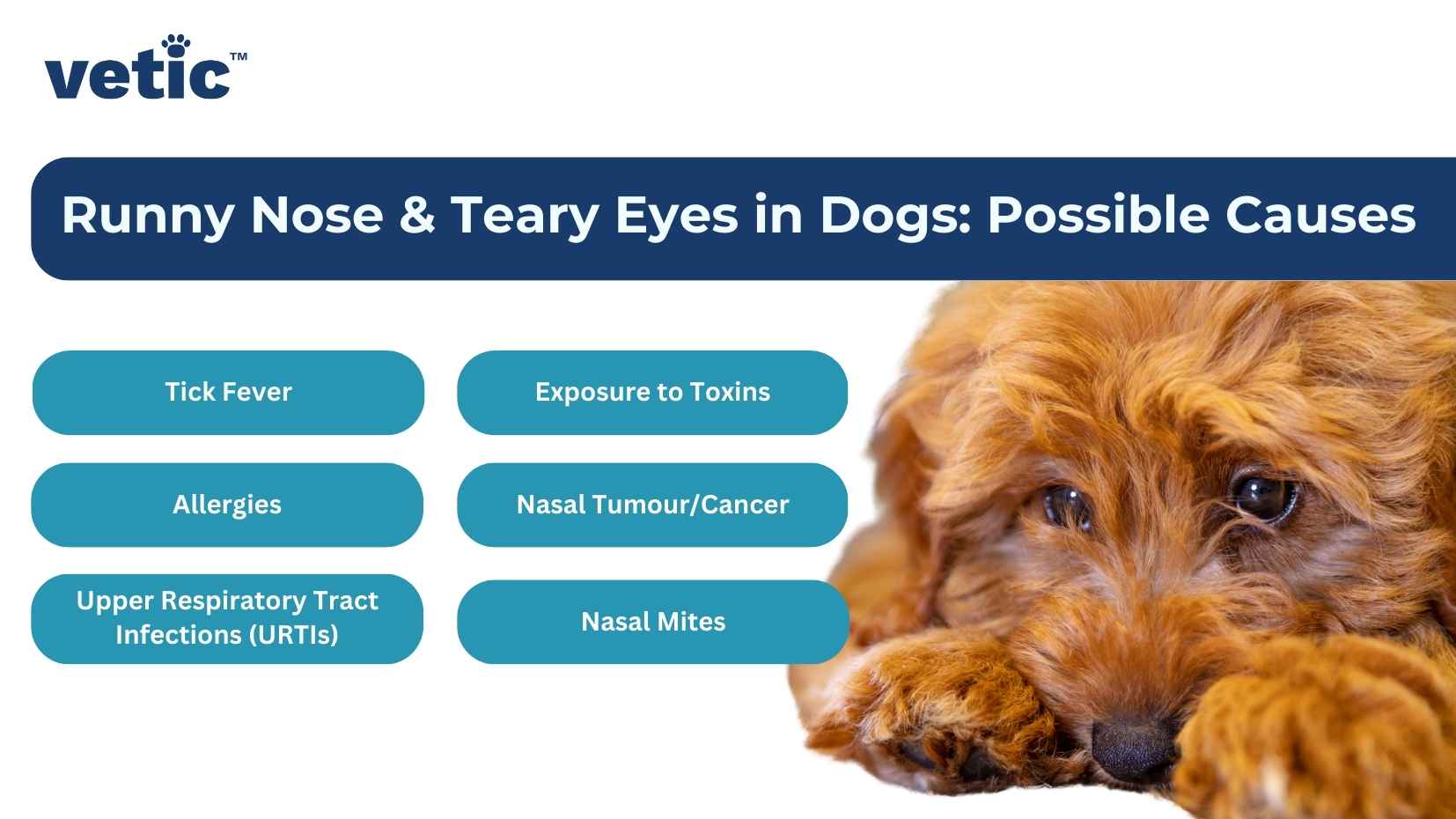
Puppies can react to pollen, mold, dust mites, grass, or other airborne particles. Allergies often cause a clear runny nose, sneezing, itchy skin, watery eyes, or repeated paw licking.
Environmental allergies are more common than food allergies when nasal signs are the main problem. Still, allergies are not the only reason a puppy has a runny nose, so do not assume the cause without a veterinary assessment.
Your veterinarian may suggest reducing exposure, bathing the paws after outdoor walks, improving indoor air quality, or using a safe treatment plan.
Viral respiratory infections
Viruses can cause a puppy to have a runny nose, sneeze, cough, or develop watery eyes. Puppies may catch respiratory infections in shelters, daycares, boarding facilities, training classes, dog parks, or veterinary waiting rooms.
Canine infectious respiratory disease may spread through droplets, shared bowls, toys, and close contact. Some cases stay mild, while others become more serious.
Puppies with incomplete vaccinations have less protection from certain diseases. Canine distemper, for example, may cause nasal discharge along with fever, cough, eye discharge, vomiting, diarrhea, weakness, or nervous system signs.
Keep a sick puppy away from unfamiliar dogs until your veterinarian says contact is safe.
Bacterial infection
A bacterial infection can cause thick yellow or green discharge. It may occur on its own or after a viral infection damages the nasal passages.
Color alone does not prove that antibiotics are needed. A veterinarian may look for fever, lung sounds, dehydration, pain, and other signs before choosing treatment.
Do not give leftover antibiotics. The wrong drug or dose can delay proper care and contribute to antibiotic resistance.
A foreign object in the nose
Grass seeds, plant pieces, dirt, or small bits of wood can enter a puppy’s nostril. This often causes sudden sneezing, pawing at the face, and discharge from one side.
A foreign object is more likely when the runny nose starts after digging, running through tall grass, or sniffing under bushes. Never push a cotton swab, tweezers, or another tool deep into the nostril.
A veterinarian may need special equipment or mild sedation to remove the object safely.
Dental or nasal problems
The roots of some upper teeth sit close to the nasal passages. A damaged tooth or mouth infection can sometimes lead to nasal discharge, facial swelling, bad breath, or trouble chewing.
Less common causes include nasal mites, fungal disease, growths, or structural problems. These conditions are more likely when the discharge lasts for weeks, comes from one nostril, smells bad, or contains blood.

What the color of the discharge may mean
Nasal discharge can change as a condition develops. Still, color is only one piece of the puzzle.
• Clear discharge often occurs with normal moisture, mild irritation, allergies, or early viral illness.
• White or cloudy mucus may occur with inflammation or infection.
• Yellow or green mucus can appear with immune cells and infection, but it does not prove a bacterial cause.
• Bloody discharge may follow irritation, trauma, a foreign object, or severe inflammation.
• Bad-smelling discharge may suggest a foreign object, dental disease, or another local problem.
A puppy with green mucus may still need only supportive care. A puppy with clear mucus may still be seriously ill if breathing is difficult. Always judge the discharge alongside behavior, appetite, breathing, and energy.

When is a puppy runny nose an emergency?
Some signs require immediate veterinary help. Do not wait for the discharge to change if your puppy appears distressed.
Seek urgent care if your puppy has:
• Trouble breathing, open-mouth breathing, or blue, gray, or pale gums
• Rapid breathing or strong belly effort with each breath
• Severe weakness, collapse, or unusual unresponsiveness
• Repeated vomiting or diarrhea with nasal discharge
• A high fever or very low body temperature
• Refusal to drink or signs of dehydration
• Heavy bleeding from the nose
• Swelling of the face or severe pain
• A possible toxin exposure or choking event
Very young puppies can become dehydrated and weak faster than adult dogs. If your puppy is not fully vaccinated, call your veterinary clinic before arriving. The clinic may ask you to wait outside or use a separate entrance to protect other dogs.

When should you call the veterinarian?
Call your veterinarian if the runny nose lasts more than a day or two, keeps returning, or comes with other symptoms. Contact the clinic sooner for puppies younger than 16 weeks, puppies with health problems, and puppies that have not completed their vaccines.
A veterinarian may ask about:
• The start date and pattern of the discharge
• Recent contact with dogs
• Vaccine history
• Appetite, water intake, sleep, and activity
• Coughing, sneezing, vomiting, or diarrhea
• Recent outdoor activity or exposure to grass and dust
During the exam, the veterinarian may check your puppy’s temperature, gums, hydration, eyes, mouth, nose, chest, and lymph nodes. Tests may include blood work, respiratory disease testing, chest imaging, or nasal examination when needed.
The goal is not simply to stop the drip. The goal is to find and treat the cause safely.

How to care for a puppy with a runny nose at home
If your puppy has mild, clear discharge and acts normal, gentle home care may help while you monitor closely.
-
Wipe the nose gently with a soft cloth dampened with warm water.
-
Keep your puppy away from smoke, sprays, perfumes, dust, and strong cleaners.
-
Offer fresh water and normal meals.
-
Let your puppy rest in a warm, comfortable room.
-
Use a humidifier only if it is clean and placed safely away from chewing teeth and electrical cords.
-
Wash food and water bowls each day.
-
Keep your puppy away from dog parks, daycare, boarding, and shared bowls until illness is ruled out.
-
Record changes in discharge, appetite, energy, breathing, and temperature if your veterinarian asks.
Do not give human cold medicine, nasal spray, decongestants, essential oils, or pain medicine unless a veterinarian specifically prescribes them. Products that seem mild for people can be dangerous for dogs.
One practical lesson is to watch the puppy, not just the tissue. A little clear fluid matters less than a puppy who stops eating, hides, or struggles to breathe.
How to help prevent respiratory illness
You cannot prevent every reason why does my puppy have a runny nose, but you can lower several risks.
• Follow the puppy vaccine schedule recommended by your veterinarian.
• Avoid crowded dog areas until your puppy has suitable vaccine protection.
• Ask daycare and boarding facilities about cleaning and illness policies.
• Do not share bowls, toys, or bedding with sick dogs.
• Wash your hands after handling dogs that cough or sneeze.
• Keep smoke, aerosols, and harsh scents out of your puppy’s living area.
• Feed a complete puppy diet and provide regular veterinary care.
• Check your puppy after walks, especially after running through tall grass.
Vaccines do not prevent every respiratory infection. They reduce the risk of several serious diseases and can lessen the severity of some infections. Your veterinarian can create a schedule based on age, location, lifestyle, and health history.

What not to do when your puppy has a runny nose
Home care can help mild cases, but certain actions can make matters worse.
Do not force liquid into your puppy’s nose. Do not scrape crusts with sharp tools. Do not use leftover medicine from another pet. Do not wait several days if your puppy is getting worse.
Do not assume green mucus always needs antibiotics, and do not assume clear mucus is always harmless. These shortcuts can delay proper care.
If you are unsure, take a short video of the sneezing or breathing and a photo of the discharge. This can help your veterinarian understand what happens at home.

Frequently Asked Questions About Why Does My Puppy Have a Runny Nose
Is it normal for a puppy to have a runny nose?
A small amount of clear moisture can be normal, especially after sleep, exercise, or excitement. Constant discharge or discharge with coughing, poor appetite, weakness, or breathing problems needs veterinary advice.
Why does my puppy have a runny nose and sneeze?
Sneezing with a runny nose may result from dust, smoke, allergies, a viral infection, or a foreign object. Sudden sneezing with discharge from one nostril may point to something stuck in the nose.
Why does my puppy have a runny nose with green mucus?
Green mucus can occur with inflammation or infection, but color alone cannot identify the cause. Call your veterinarian if the discharge lasts, becomes heavy, smells bad, or comes with fever, coughing, low energy, or poor appetite.
Can teething cause a puppy to have a runny nose?
Teething may cause extra drooling and mild mouth discomfort, but it is not a common cause of a persistent runny nose. Ongoing nasal discharge should be assessed for irritation, infection, dental disease, or another cause.
Can I give my puppy human cold medicine?
No. Many human cold medicines contain ingredients that can be toxic to dogs or cause dangerous heart, blood pressure, or nervous system effects. Use medicine only when your veterinarian gives the exact product and dose.
Should I take my puppy to the vet for a runny nose?
Contact a veterinarian if the discharge lasts more than a day or two, keeps returning, or occurs with other symptoms. Seek urgent care for breathing trouble, severe weakness, dehydration, bloody discharge, or blue or pale gums.
Conclusion
A puppy may have a runny nose because of normal moisture, irritation, allergies, infection, or a foreign object. Clear discharge in a bright, playful puppy may pass with careful monitoring, but thick mucus, one-sided discharge, coughing, poor appetite, weakness, or breathing trouble deserves veterinary attention.
Keep your puppy away from irritants and unfamiliar dogs, avoid human medicines, and track changes closely. If you are still wondering why does my puppy have a runny nose, call your veterinarian and share the discharge color, timing, vaccine history, and any other symptoms. Use this guide to prepare, then seek professional advice when your puppy’s health is uncertain.