Why Is My Puppy Drooling So Much: Causes And Solutions
Your puppy may drool from teething, nausea, stress, mouth pain, heat, or a serious illness.
If you are wondering, “why is my puppy drooling so much,” the answer depends on how much saliva you see, when it began, and what other signs your puppy has. Mild drooling can be normal, especially during teething or car rides. Heavy, sudden, or constant drooling may point to pain, poisoning, overheating, or trouble swallowing. This guide explains the common causes, warning signs, safe steps, and when to call your veterinarian.
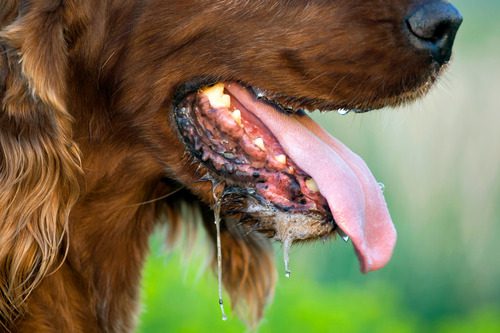
Why Is My Puppy Drooling So Much?
Puppies drool when saliva builds up faster than they can swallow it. Some breeds naturally drool more than others, but a sudden change is more important than breed type.
The most common reasons include:
- Teething and loose baby teeth
- Nausea or motion sickness
- Stress, fear, or excitement
- A cut, burn, or object in the mouth
- Dental or gum pain
- Heat exposure
- Stomach upset
- Toxin exposure
- Trouble swallowing
- Less common nerve, liver, or digestive problems
If your puppy is bright, playful, eating well, and drooling only for a short time, the cause may be mild. If your puppy seems sick or the drooling starts suddenly, take it more seriously.
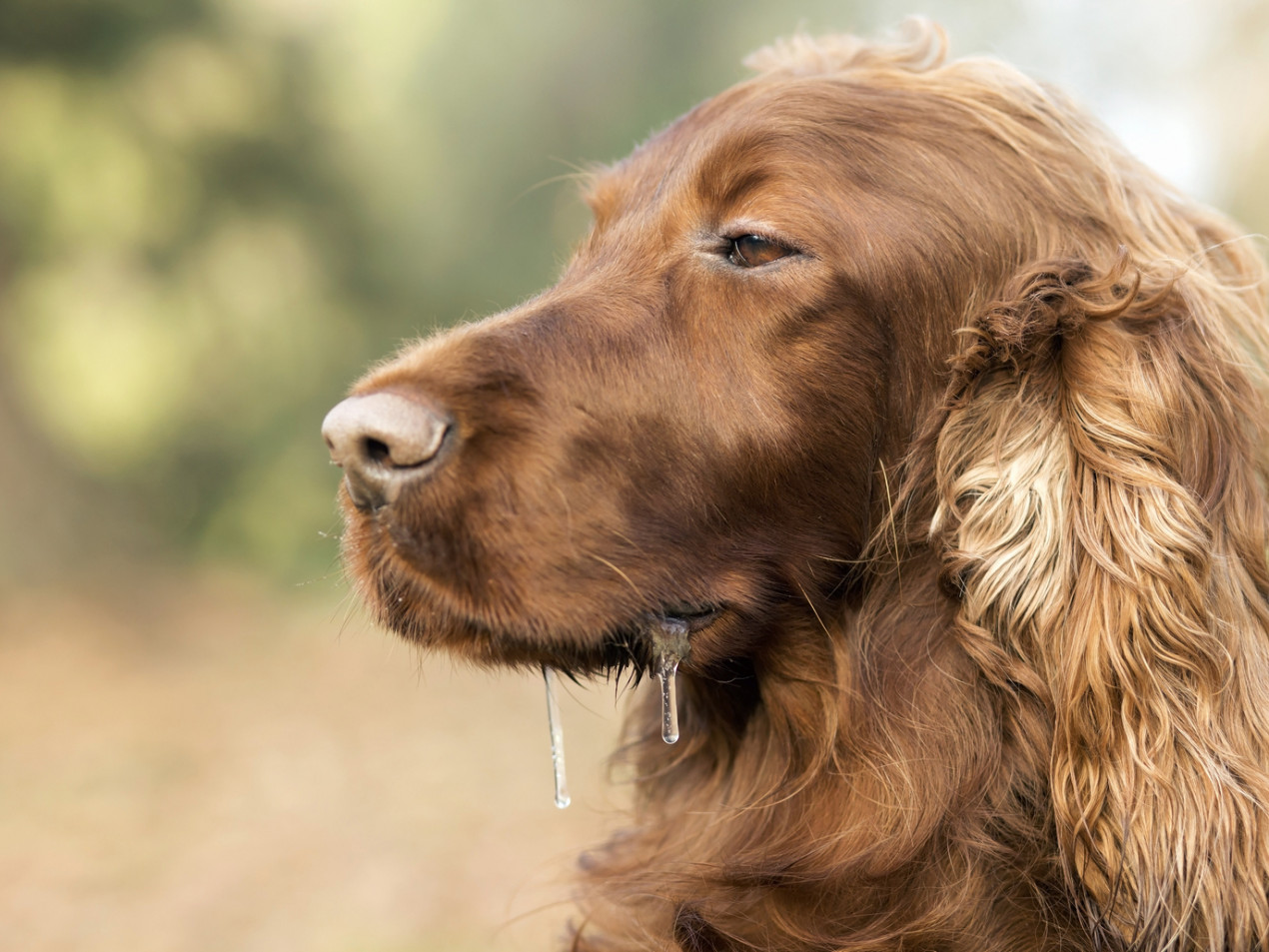
Normal Reasons Puppies Drool
Teething
Teething is one of the most common answers to why is my puppy drooling so much. Most puppies begin losing baby teeth at about 3 to 4 months of age. Adult teeth usually come in by about 6 months.
Sore gums can cause extra saliva. Your puppy may also chew more, paw at the mouth, or leave small spots of blood on a toy. A tiny amount of blood can occur with a loose tooth, but heavy bleeding is not normal.
Offer safe puppy teething toys. Chilled rubber toys may soothe sore gums. Avoid very hard items, such as antlers, bones, and hard nylon toys, because they can crack teeth.
Excitement or Stress
Some puppies drool when they feel scared or overstimulated. Car rides, visits to the veterinarian, loud sounds, new people, and separation can all trigger extra saliva.
Stress drooling often comes with:
- Panting
- Lip licking
- Whining
- Shaking
- Pacing
- Tucked ears or tail
This type of drooling often stops when the stressful event ends. Give your puppy a quiet space, fresh water, and a calm voice. Do not punish the behavior, since punishment can increase fear.
Motion Sickness
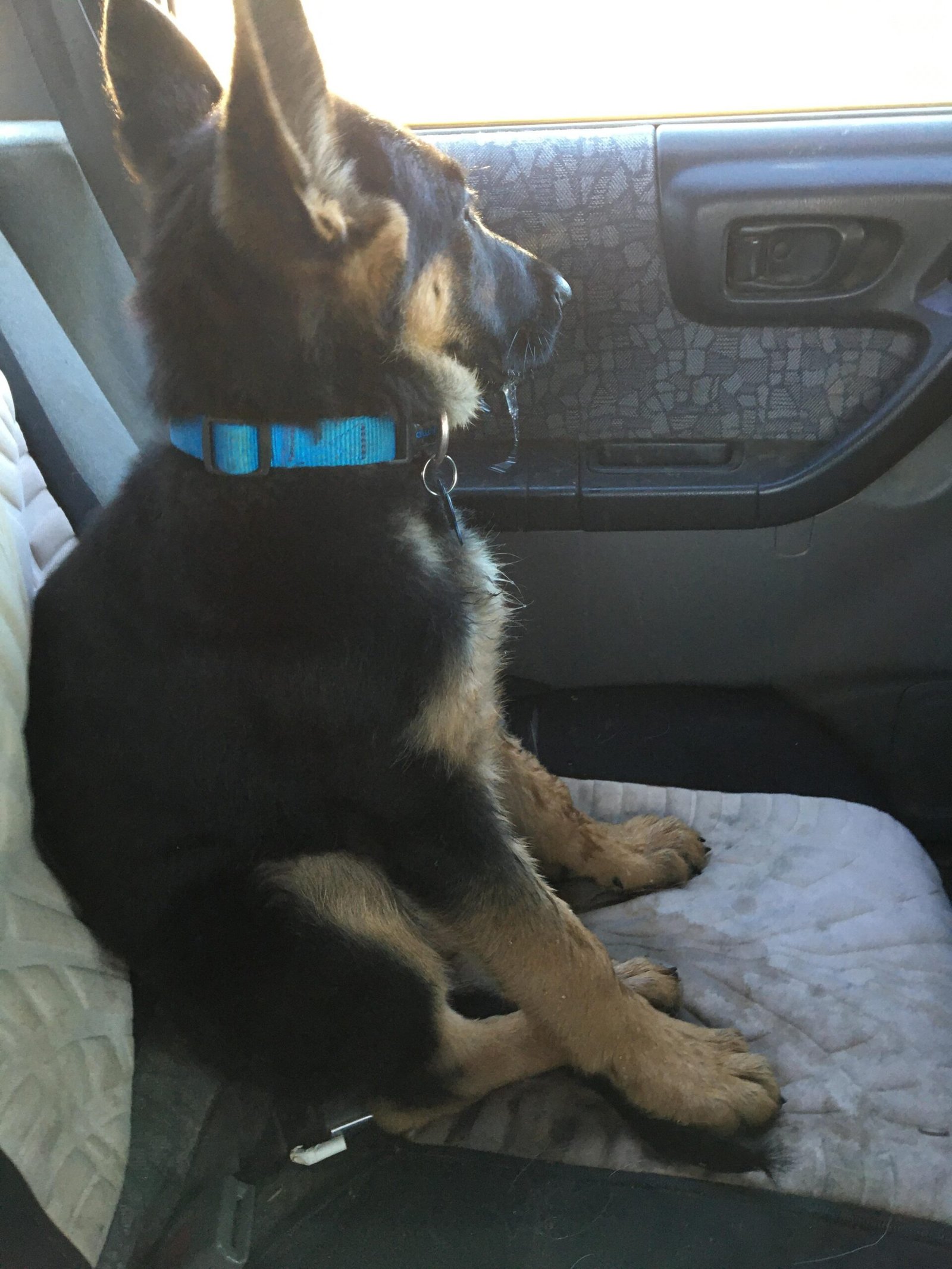
Puppies often drool in the car because their balance system is still developing. Nausea may begin before vomiting.
Your puppy may stare, yawn, lick the lips, whine, or refuse treats during a ride. Keep trips short at first. Use a secure crate or harness, keep the car cool, and avoid feeding a large meal right before travel.
Ask your veterinarian before using any motion sickness medicine. Human drugs are not always safe for puppies, and the dose must match the puppy’s weight.

Health Problems That Can Cause Excessive Drooling
Mouth Pain or an Object Stuck in the Mouth
A stick, grass blade, piece of plastic, or part of a toy can get caught between the teeth or across the roof of the mouth. This may cause sudden drooling, pawing at the face, bad breath, or refusal to eat.
Only look in your puppy’s mouth if your puppy is calm and allows it. Never reach deep into the mouth of a frightened or painful puppy. A sharp object can cause more damage, and your puppy may bite without meaning to.
Call a veterinarian if you see a lodged object, swelling, bleeding, or severe pain. Do not pull on string, thread, or fishing line. It may be attached farther inside the body.
Dental Disease
Puppies can develop gum problems, retained baby teeth, or a broken tooth. A retained baby tooth stays beside an adult tooth and can trap food and bacteria.
Signs may include:
- Drooling that lasts most of the day
- Bad breath
- Red or swollen gums
- Chewing on one side
- Dropping food
- Avoiding hard food
- Rubbing the face
A veterinary exam can find problems that are hard to see at home. Regular dental care also helps protect your puppy’s mouth as adult teeth grow.
Nausea and Stomach Upset
Nausea is another common reason why is my puppy drooling so much. Puppies may feel sick after eating spoiled food, changing diets too fast, swallowing something unusual, or riding in a car.
Watch for vomiting, diarrhea, belly pain, poor appetite, or low energy. Puppies can become dehydrated faster than adult dogs, so repeated vomiting or diarrhea needs prompt veterinary advice.
Do not give table scraps, milk, or over-the-counter stomach medicine unless your veterinarian tells you to. Some common products can be harmful to dogs.
Heat Stress
Hot weather can lead to heavy panting and drooling. A puppy may also seem weak, restless, confused, or unable to stand.
Heatstroke is an emergency. Move your puppy into shade or air conditioning and contact a veterinarian at once. Use cool, damp cloths and offer small amounts of water if your puppy is alert. Avoid ice baths, which may cause blood vessels to narrow and slow cooling.
Never leave a puppy in a parked car, even for a few minutes. The inside of a car can become dangerously hot very quickly.

Toxic Substances and Excessive Drooling
Poisoning must be considered when drooling begins suddenly. Puppies explore with their mouths and may chew plants, cleaners, medications, batteries, pesticides, or foods that are unsafe for dogs.
Possible poisoning signs include:
- Vomiting or diarrhea
- Tremors
- Weakness
- Trouble breathing
- Seizures
- Dilated pupils
- Unusual sleepiness
- Pale, blue, or very red gums
- Collapse
If you suspect poisoning, remove your puppy from the substance and call a veterinarian or a pet poison service right away. Keep the package, label, or a photo of the substance if possible.
Do not make your puppy vomit unless a veterinary professional specifically directs you to do so. Some chemicals cause more injury when they come back up.
A useful lesson for every puppy home is to store medicines, cleaners, trash, plants, and small objects behind closed doors. Prevention is much safer than trying to fix an exposure later.

When Puppy Drooling Is an Emergency
You should seek urgent veterinary care if your puppy is drooling heavily and has any of these signs:
- Trouble breathing
- Choking or repeated gagging
- A swollen face, throat, or belly
- Blue, gray, or very pale gums
- Repeated vomiting
- Collapse or extreme weakness
- Seizures or shaking
- Severe pain
- Suspected poisoning
- Heat exposure
- Inability to swallow water
- Blood in the saliva
- A foreign object in the mouth
When asking why is my puppy drooling so much, the most important clue is often the puppy’s overall condition. A happy puppy with mild teething drool is different from a weak puppy with heavy saliva and pale gums.
If you are unsure, call your veterinarian. It is better to ask early than to wait while a serious problem worsens.
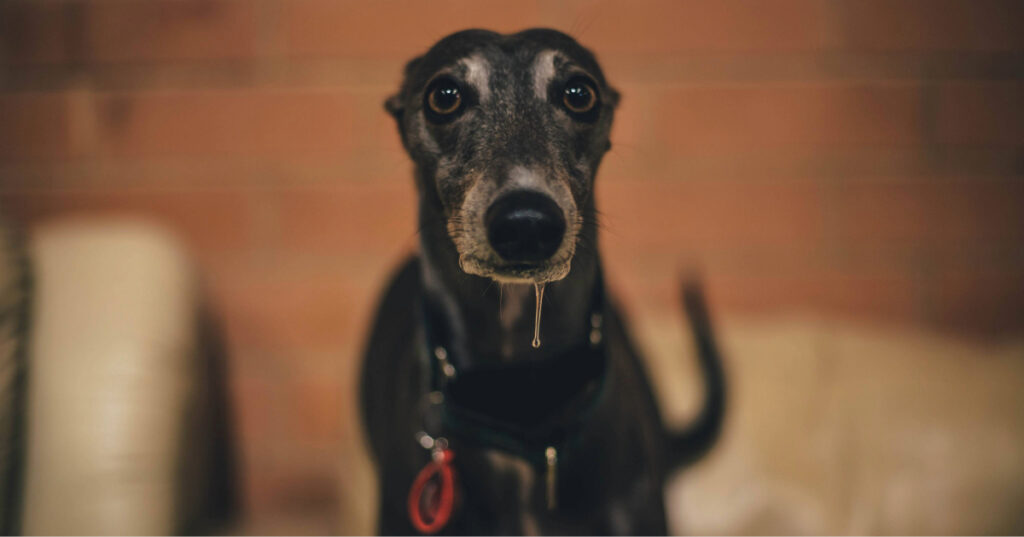
What to Check at Home
A simple check can help you describe the problem to your veterinarian. Do not delay care if your puppy looks seriously ill.
Observe these details:
- Note when the drooling started.
- Check whether the saliva is thin, thick, foamy, bloody, or foul-smelling.
- Look for vomiting, diarrhea, coughing, gagging, or pawing at the mouth.
- Watch your puppy eat and drink, but do not force food.
- Check the gums for normal pink color.
- Think about recent access to plants, chemicals, medications, toys, or trash.
- Record a short video if the drooling comes and goes.
Never force your puppy’s mouth open. Also avoid giving food, oil, salt, or medicine to “wash away” a possible toxin. These home remedies can make the situation worse.
One mistake puppy owners often make is focusing only on the wet chin. The drool is a symptom, not a diagnosis. The cause may be in the mouth, stomach, nervous system, or environment.

How Veterinarians Find the Cause
Your veterinarian will ask about your puppy’s age, breed, diet, activity, travel, possible toxin exposure, and vaccination history. The exam may include the mouth, teeth, gums, throat, belly, temperature, hydration, and nervous system.
Some puppies need light sedation for a safe and complete mouth exam. A painful puppy may hide a small object under the tongue or far inside the cheek.
Depending on the signs, the veterinarian may recommend:
- Blood tests
- X-rays
- An abdominal ultrasound
- A toxin evaluation
- Dental imaging
- Treatment for nausea or pain
- Fluids for dehydration
The treatment depends on the cause. Teething may need comfort care, while poisoning, obstruction, or heatstroke needs immediate medical treatment.

How to Help Prevent Excessive Drooling
You cannot prevent every cause, but small habits can lower the risk.
- Keep cleaners, medicines, and chemicals in locked storage.
- Choose puppy-safe toys that do not splinter or break apart.
- Replace damaged toys at once.
- Avoid cooked bones and very hard chew items.
- Keep fresh water available.
- Introduce new food slowly over several days.
- Use a secure crate or harness for car rides.
- Avoid exercise during the hottest part of the day.
- Begin gentle tooth care with veterinary-approved products.
- Schedule routine puppy examinations and vaccines.
Use positive training when checking your puppy’s mouth. Touch the cheek, lift the lip, reward calm behavior, and stop if your puppy resists. This makes future dental checks less stressful.
Teething toys may help, but they do not replace veterinary care. A toy cannot fix a broken tooth, lodged object, infection, or toxin exposure.
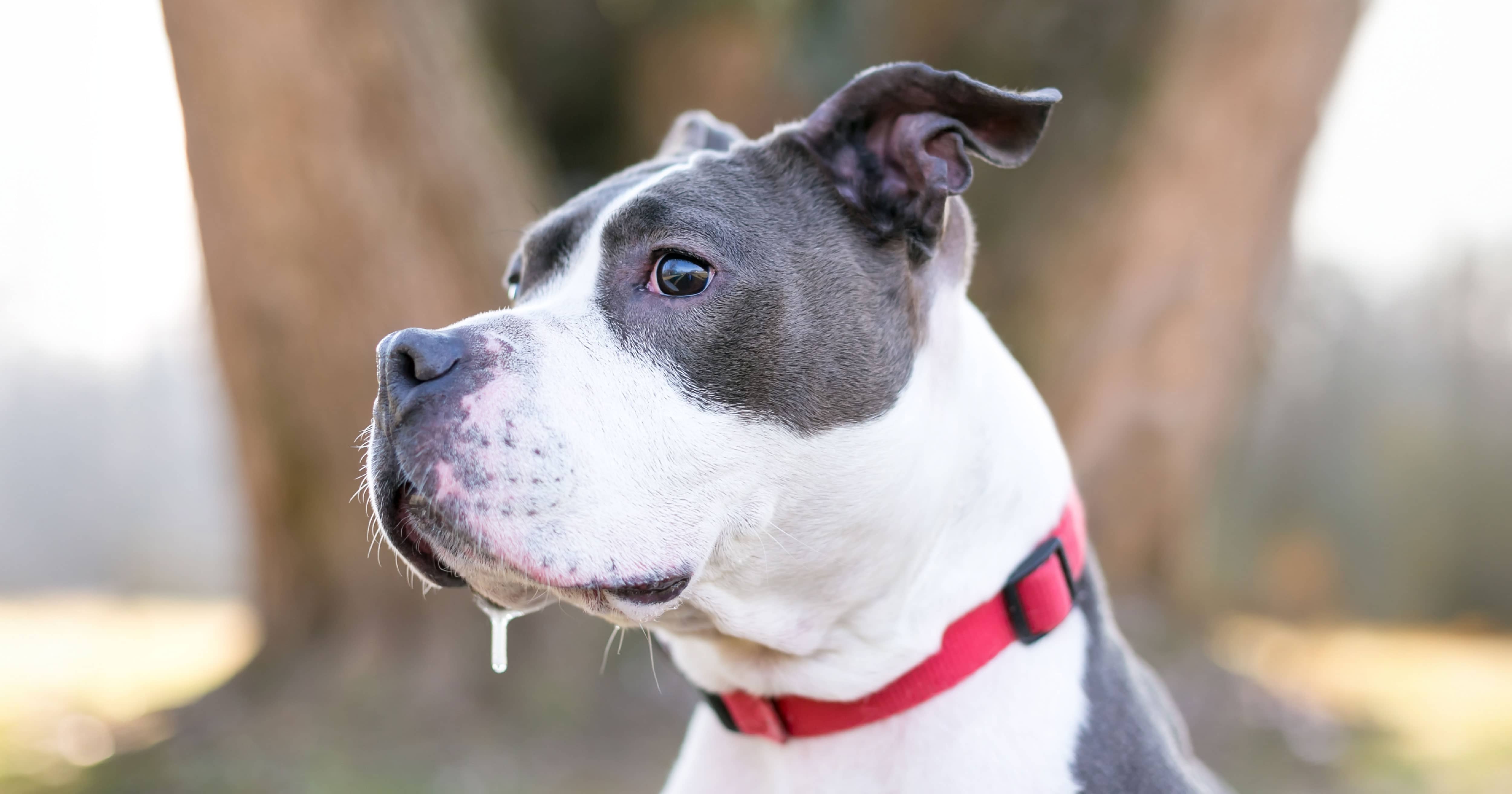
How Much Drooling Is Too Much?
There is no single amount that is normal for every puppy. Breed, weather, excitement, teething, and mouth shape all affect saliva.
A short episode after play or a car ride may be harmless. Drooling that is heavy, sudden, repeated, or paired with other symptoms deserves attention.
Ask yourself:
- Is this new for my puppy?
- Is the drooling getting worse?
- Can my puppy eat and swallow?
- Is my puppy acting normal?
- Could my puppy have chewed something unsafe?
- Are the gums pink and moist?
These questions can help you decide how quickly to act. When the answer to why is my puppy drooling so much is not clear, a veterinary call is the safest next step.
Frequently Asked Questions About Why Is My Puppy Drooling So Much
Is it normal for a teething puppy to drool?
Yes, mild drooling can happen during teething because the gums are sore and irritated. Your puppy should still act fairly normal, eat, drink, and play.
Why is my puppy drooling and not eating?
Drooling with poor appetite may indicate mouth pain, nausea, a stuck object, or another illness. Contact your veterinarian, especially if your puppy also vomits, seems weak, or cannot swallow.
Why is my puppy drooling in the car?
Many puppies drool because of motion sickness, fear, or both. Use short rides, good airflow, a secure crate, and veterinary advice about safe medication if needed.
Can stress make a puppy drool?
Yes, fear and excitement can increase saliva. Stress drooling often improves after the trigger ends, but ongoing drooling needs a veterinary check.
What should I do if my puppy is drooling after chewing a plant?
Remove access to the plant and call a veterinarian or pet poison service. Do not induce vomiting unless a professional tells you to do so.
When should I take a drooling puppy to the vet?
Seek urgent care for heavy drooling with breathing trouble, vomiting, weakness, seizures, choking, heat exposure, pale gums, or suspected poisoning. Even without these signs, call your veterinarian if the drooling is sudden, persistent, or unusual for your puppy.
Conclusion
The answer to why is my puppy drooling so much may be simple, such as teething, stress, or motion sickness. However, sudden or heavy drooling can also signal mouth pain, poisoning, heatstroke, nausea, or trouble swallowing.
Watch your puppy’s behavior, check for other symptoms, remove possible hazards, and avoid unsafe home treatments. If your puppy seems ill or you feel unsure, contact a veterinarian promptly. Share this guide with another puppy owner, and explore trusted veterinary resources for more safe puppy-care advice.