Why Is My Puppy Breathing So Fast: Causes And Care
A puppy may breathe fast after play, stress, heat, dreams, or illness, so context and warning signs matter.
Wondering why is my puppy breathing so fast can feel scary, especially when your puppy’s tiny chest moves like a little bellows. Fast breathing is often normal for a short time, but it can also signal pain, fever, heart disease, lung trouble, or an emergency. This guide explains what to check, when to call your veterinarian, and how to act safely.

What is a normal puppy breathing rate?
A calm puppy usually takes about 15 to 40 breaths per minute. Some puppies may breathe a little faster than this after excitement, exercise, or a warm nap.
The most useful number is your puppy’s resting respiratory rate. This means the rate when your puppy is relaxed or asleep, not playing or panting.
To count breaths:
- Watch your puppy’s chest rise and fall.
- One rise and fall equals one breath.
- Count breaths for 30 seconds.
- Multiply that number by two.
For example, 18 breaths in 30 seconds equals 36 breaths per minute.
Check the rate two or three times when your puppy is calm. A single fast reading after a game does not tell the whole story. A rate that stays high during deep rest deserves more attention.
Why is my puppy breathing so fast?
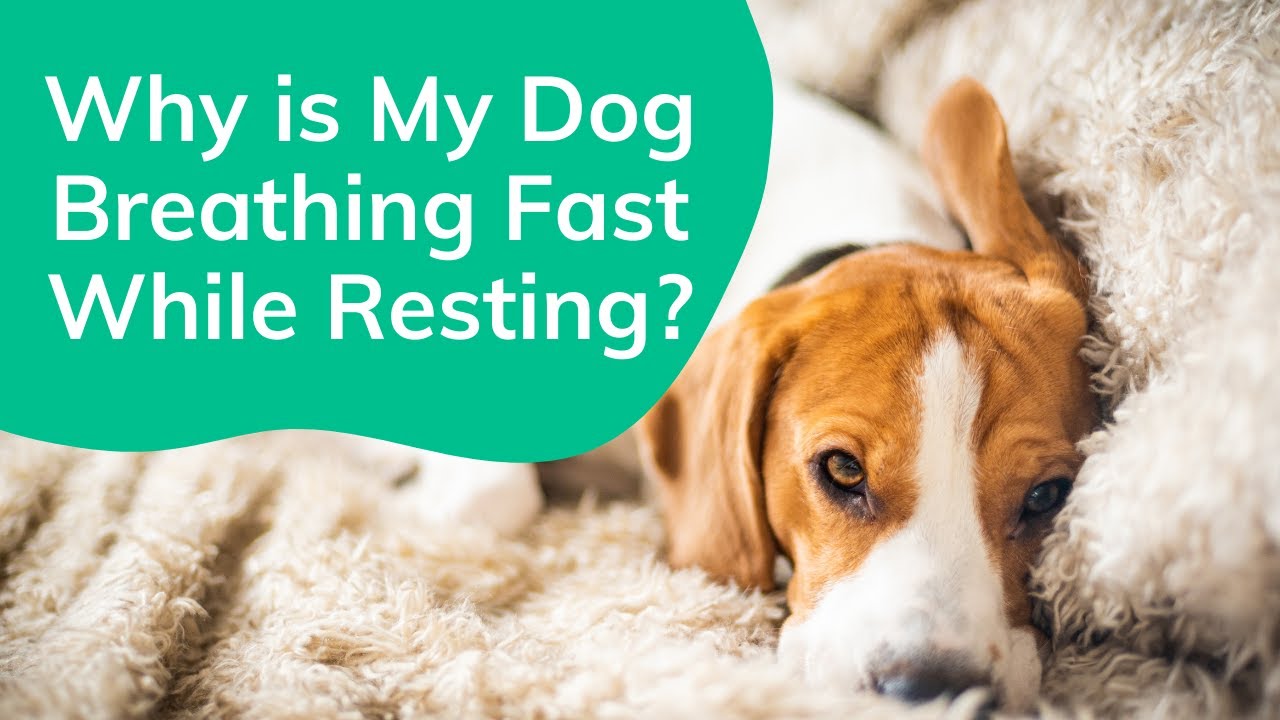
There are many possible reasons why is my puppy breathing so fast. Some are harmless and pass within minutes. Others need prompt veterinary care.
Recent exercise or excitement
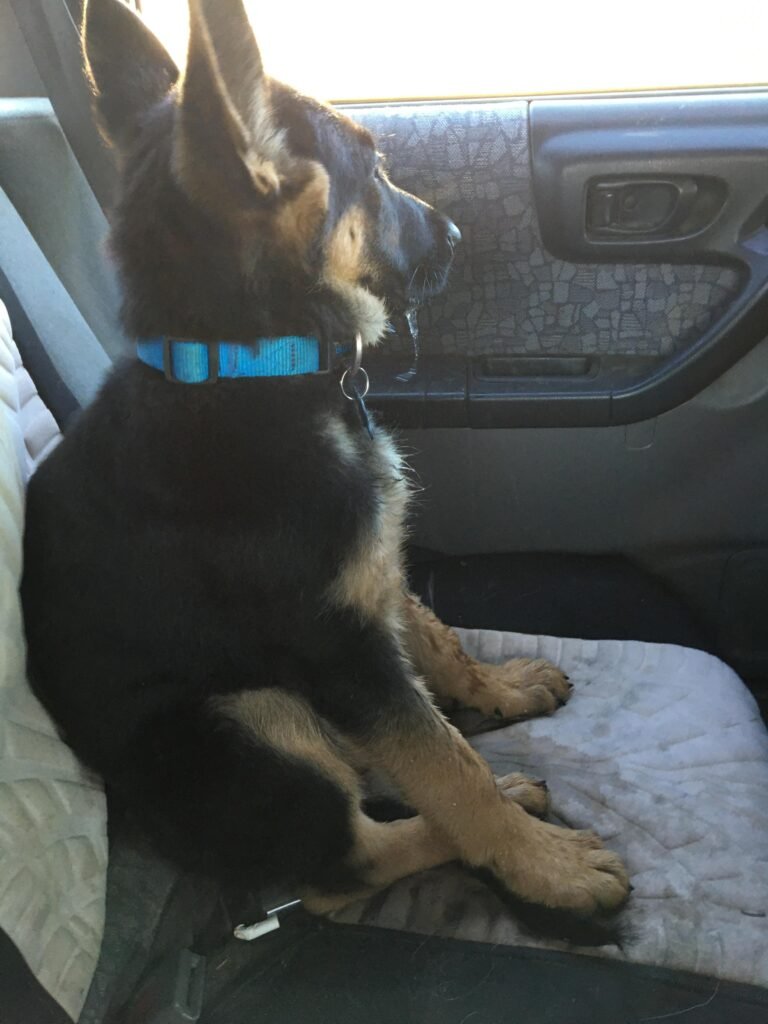
Running, wrestling, barking, and even a fun car ride can raise a puppy’s breathing rate. Puppies have lots of energy but limited body control, so they may pant hard after short bursts of activity.
Breathing should slow as your puppy rests. Move your puppy to a quiet, cool area and offer small amounts of water. Do not force water if your puppy is struggling to breathe.
Heat or a warm room
Dogs cool themselves mainly by panting. Puppies can overheat faster than adult dogs because they are small and may not move away from heat on their own.
Fast breathing after outdoor play may be normal. However, heavy panting, weakness, vomiting, drooling, confusion, or collapse can point to heatstroke. Heatstroke is an emergency.
Stress, fear, or pain
A puppy may breathe fast during a thunderstorm, grooming visit, car trip, or unfamiliar event. Fear can also cause trembling, hiding, wide eyes, and a tucked tail.
Pain may look similar. Watch for whining, a tight belly, limping, reluctance to move, a hunched back, or sudden aggression when touched. Pain can come from an injury, stomach problem, infection, or swallowed object.
Dreaming during sleep
Puppies often twitch, whimper, paddle their paws, or breathe unevenly while dreaming. This can look alarming, but it is usually brief and normal.
The breathing should settle when the dream ends. Avoid waking your puppy by touching the face. Instead, watch from a safe distance and check the breathing once your puppy is fully calm.
A stuffy nose or airway problem
Nasal discharge, swelling, allergies, or a foreign object can make breathing harder. Flat faced breeds, such as French bulldogs, Pugs, and English Bulldogs, may have narrow airways that make noisy or rapid breathing more likely.
A puppy that breathes with an open mouth while resting, stretches its neck, or makes harsh breathing sounds needs veterinary advice. Breathing problems can worsen quickly in young dogs.
Fever or infection
Puppies may breathe faster when they have a fever or infection. Coughing, sneezing, eye discharge, nasal discharge, low energy, poor appetite, vomiting, or diarrhea may occur too.
Common illnesses include respiratory infections and pneumonia. Very young puppies can become dehydrated or weak in a short time, so do not wait several days if other symptoms appear.
Heart or lung disease
Some puppies are born with heart defects. Lung disease, pneumonia, parasites, or fluid around the lungs can also affect breathing.
Possible signs include poor growth, tiring during mild play, fainting, blue or gray gums, persistent cough, or a resting breathing rate that remains high. These signs require a veterinary examination.
Low blood sugar
Tiny puppies, especially toy breeds, can develop low blood sugar if they do not eat, vomit, or have diarrhea. Fast breathing may occur with weakness, shaking, confusion, sleepiness, or collapse.
This condition can become serious quickly. Call a veterinarian right away rather than trying home treatment without guidance.

How to tell if fast breathing is an emergency
The question why is my puppy breathing so fast becomes urgent when breathing looks difficult, not just rapid.
Seek emergency veterinary care now if your puppy has any of these signs:
• Blue, gray, white, or very pale gums
• Breathing with strong belly effort
• Neck stretched out to get air
• Open mouth breathing while resting
• Gasping, choking, or loud wheezing
• Collapse, fainting, or severe weakness
• A swollen or painful belly
• Repeated vomiting or diarrhea with weakness
• Confusion or inability to stand
• Suspected poisoning or swallowed object
• Fast breathing that does not improve with quiet rest
Healthy gums are usually pink and moist. You can gently lift the lip to check them, but do not delay care if your puppy is struggling. Call the clinic while traveling so the team can prepare.
Do not place a sick puppy in a hot car. Keep the car cool, limit handling, and let your puppy stay in a natural position. Never give human pain medicine, cold medicine, or leftover pet medicine unless a veterinarian tells you to do so.

What to do when your puppy is breathing fast
Stay calm and use a simple check. Your puppy may react to your fear, which can make panting worse.
- Stop exercise and move your puppy to a cool, quiet room.
- Look at the gums and tongue.
- Watch the chest and belly for effort.
- Count breaths during rest.
- Check for coughing, discharge, vomiting, pain, or weakness.
- Note what happened before the fast breathing began.
- Call your veterinarian if the rate stays high or other signs appear.
Write down the time, breathing rate, temperature of the room, recent activity, and any other symptoms. A short video can help your veterinarian understand what you saw, especially if the breathing returns to normal before the appointment.
Do not place ice directly on your puppy. Do not wrap a hot puppy in a thick blanket. If overheating is possible, use cool, damp towels and seek urgent veterinary help. Avoid forcing food or water when breathing is difficult.

When should you call the veterinarian?
Call your veterinarian the same day if your puppy has repeated episodes of fast breathing, even if each episode improves. You should also call if your puppy is eating less, coughing, unusually tired, losing weight, or acting painful.
A puppy with a resting breathing rate above about 40 breaths per minute on repeated checks should be discussed with a veterinarian. A rate above 60 during deep rest is more concerning, especially when paired with effort, cough, weakness, or abnormal gum color.
Numbers are helpful, but they are not perfect. Puppies vary by size, breed, age, temperature, and emotional state. A veterinarian will judge the number along with your puppy’s appearance and behavior.
For severe breathing trouble, do not wait for an appointment. Go to an emergency clinic. Breathing problems can become worse before a puppy looks critically ill.

How veterinarians find the cause
Your veterinarian will first watch your puppy’s breathing, gum color, posture, and alertness. They may listen to the heart and lungs, check body temperature, examine the nose and mouth, and feel the abdomen.
Possible tests include:
• Blood tests to look for infection, anemia, inflammation, or organ problems
• Chest X-rays to examine the lungs and heart
• Heart ultrasound for suspected heart defects
• Fecal testing for parasites
• Oxygen monitoring
• Tests for infectious diseases
Tell the veterinarian about vaccines, medications, recent travel, possible toxins, chewing on toys, and contact with other dogs. These details can help narrow the cause.
A puppy’s treatment depends on the diagnosis. Care may include oxygen, fluids, antibiotics for certain infections, parasite treatment, pain relief, or specialist care for a heart or airway condition. Antibiotics do not treat every cause of fast breathing and should never be used without veterinary guidance.
Breed and age can change the risk
Very young puppies have less energy reserve. They may become weak from missed meals, vomiting, diarrhea, cold, heat, or infection faster than adult dogs.
Flat faced breeds may have airway problems linked to their head shape. Large breed puppies can have different growth and heart concerns. Toy breed puppies may be more vulnerable to low blood sugar.
These patterns do not mean every puppy in a certain breed is sick. They simply show why a veterinarian may ask about breed, age, weight, and family history when assessing why is my puppy breathing so fast.
Common mistakes puppy owners should avoid
Many owners notice fast breathing at night and immediately assume the worst. In some cases, the puppy is dreaming or cooling down after play. In other cases, owners wait too long because the puppy still seems cheerful.
Try to avoid these mistakes:
• Counting breaths while your puppy is panting after play
• Ignoring breathing effort because the gums look pink
• Giving human medicine
• Forcing food or water
• Waiting overnight when the puppy is weak or struggling
• Assuming all fast breathing is anxiety
• Using a fan as the only treatment for possible heatstroke
One practical lesson from routine puppy health checks is that patterns matter more than one moment. A calm puppy that briefly breathes fast after play is different from a puppy that breathes fast every time it sleeps.

How to reduce breathing problems at home
You cannot prevent every illness, but you can lower common risks.
Keep your puppy in a cool, well ventilated space. Avoid hard exercise during hot or humid weather. Use a secure harness instead of a tight collar if your veterinarian recommends it, especially for a puppy with noisy breathing.
Keep vaccines and parasite prevention current. Store medicines, cleaners, chocolate, grapes, cannabis products, and other toxins out of reach. Choose safe toys that cannot break into pieces or fit inside your puppy’s throat.
Feed regular meals that match your veterinarian’s advice. Do not suddenly change food without a reason. Schedule wellness visits so your veterinarian can monitor growth, heart sounds, lungs, and development.
Frequently Asked Questions About Why Is My Puppy Breathing So Fast
Is it normal for a puppy to breathe fast while sleeping?
Puppies may breathe quickly, twitch, or make small sounds during dreams. If the breathing becomes calm afterward and your puppy acts normal when awake, it is often harmless. Repeated fast breathing during deep sleep should still be discussed with a veterinarian.
How fast is too fast for a puppy?
A calm puppy often breathes about 15 to 40 times per minute. Repeated readings above 40 during rest deserve a call to your veterinarian, while severe effort, blue gums, collapse, or gasping requires emergency care.
Why is my puppy breathing fast but not panting?
Fast breathing without panting may occur with pain, fever, stress, heart disease, lung disease, or other problems. Count the breaths while your puppy rests and contact a veterinarian if the rate stays high or your puppy seems unwell.
Should I worry if my puppy breathes fast after playing?
Fast breathing after play is usually normal if it slows within several minutes in a cool, quiet area. If your puppy cannot settle, seems weak, vomits, collapses, or has abnormal gums, seek urgent veterinary care.
Can worms make a puppy breathe fast?
Some parasites can affect a puppy’s blood, lungs, or heart and may contribute to fast breathing. Coughing, poor growth, a swollen belly, diarrhea, or low energy increases concern, so your veterinarian should perform the proper tests.
Can stress cause fast breathing in puppies?
Yes, fear and excitement can cause panting and rapid breathing. The rate should improve when the trigger ends. Breathing that remains fast during calm rest may have another cause and needs professional advice.
Conclusion
Why is my puppy breathing so fast has many possible answers, from normal play and dreaming to heatstroke, pain, infection, or heart and lung disease. Check your puppy during calm rest, watch breathing effort and gum color, and track any other symptoms.
When breathing looks difficult or does not settle, treat it as urgent. A quick call to your veterinarian can protect your puppy and provide peace of mind. Share this guide with another puppy owner, and explore trusted veterinary resources to stay ready for the moments that matter.